Key Takeaways
- Discover Nagpur’s under-the-radar cultural hubs, from artisanal villages to historical bungalows.
- Explore eco-tourism opportunities and serene natural escapes just outside the city limits.
- Uncover unique culinary experiences and local markets that offer authentic Nagpur flavours.
- Plan your visit to Nagpur’s hidden gems with practical tips on accessibility and best times to go.
Beyond the Orange: Unearthing Nagpur’s Artistic Soul
Nagpur, often celebrated as the ‘Orange City,’ holds more than just citrus in its heart. Beyond the well-trodden paths of the Deekshabhoomi and the Futala Lake, a vibrant artistic and cultural tapestry awaits the curious traveller. We’re talking about places that whisper stories of heritage, craftsmanship, and a slower pace of life, offering a genuine glimpse into the region’s soul. Imagine stumbling upon a village where every household is a canvas, or a quiet bungalow that once housed luminaries, now preserving their legacy. These are the experiences that transform a trip from a checklist to a memory etched in time.
Venture towards the outskirts, and you’ll find pockets of creativity flourishing. The Hingna Road area, while industrial in parts, also harbours smaller artisan clusters. Here, you can witness the meticulous work of craftspeople creating everything from intricate woodwork to unique pottery. It’s not a polished gallery; it’s the real deal, where you can often interact with the artisans themselves, understanding the passion and skill behind each piece. This direct connection offers an unparalleled depth to your appreciation, and perhaps even a chance to acquire a truly unique souvenir, far removed from mass-produced trinkets.
Whispers of the Past: Heritage Homes and Colonial Echoes
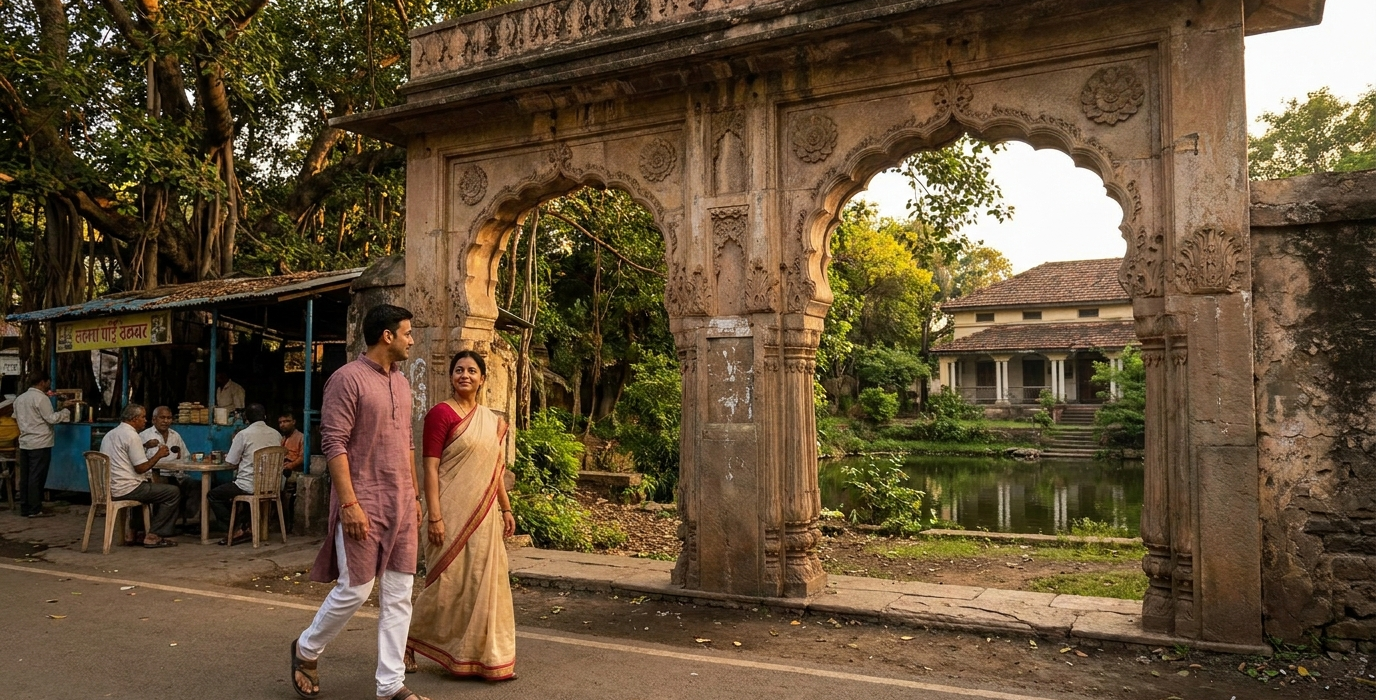
Nagpur’s history isn’t confined to grand forts; it’s also embedded in its architectural gems and heritage homes, many of which remain surprisingly accessible yet undiscovered. These structures offer a tangible link to bygone eras, from the Maratha period to the British Raj, each telling its own story through intricate carvings, sprawling courtyards, and colonial-style verandas. Exploring these sites is like stepping back in time, allowing you to envision the lives of those who walked these corridors decades ago.
One such gem is the Ewing Christian Girls’ High School campus. While primarily an educational institution, its older buildings boast significant colonial architecture, a testament to Nagpur’s past as a strategic administrative centre. Imagine strolling through its grounds, admiring the sturdy brickwork and the architectural nuances that speak of a different era. Another fascinating, albeit less visited, spot is the Old High Court building. Though no longer operational as the High Court, its imposing structure and well-preserved façade stand as a silent witness to centuries of legal and administrative history. These places offer a quiet contemplation of Nagpur’s evolving identity, a stark contrast to the city’s modern bustle.
You might even stumble upon private residences that have retained their ancestral charm. While not always open for public tours, their exteriors often provide a captivating glimpse into residential architecture from the early 20th century. Look for distinctive features like high ceilings, large wooden doors, and shaded balconies. The Civil Lines area itself, with its tree-lined avenues, still holds many such residential bungalows, some of which have been converted into heritage guesthouses or boutique hotels, offering a unique stay experience.
Nature’s Embrace: Escaping to Serenity Near the City
While Nagpur is a bustling metropolis, a breath of fresh air and natural beauty is never too far away. For those seeking an escape from the urban sprawl, several serene locales on the city’s periphery offer a tranquil retreat. These aren’t the usual national parks with throngs of tourists; they are quieter, more intimate encounters with nature, perfect for a day trip or a weekend getaway.
Consider a visit to the Ambazari Lake and its surrounding gardens. While Ambazari is a known spot, the lesser-explored trails and quieter corners offer moments of peace. You can enjoy a leisurely boat ride, or simply find a secluded bench to soak in the greenery. Further afield, the Khindsi Lake offers a more rustic charm. It’s a popular spot for locals seeking a weekend picnic, but its expansive waters and surrounding hills provide ample space for quiet reflection and nature walks. The drive to Khindsi itself is quite picturesque, passing through villages and agricultural fields.
For the more adventurous, a trek to the Gorewada International Zoological Park offers a chance to combine wildlife spotting with an exploration of a vast, man-made reservoir. While the safari experience is a draw, the surrounding forest trails are often overlooked, providing opportunities for birdwatching and immersing yourself in the local flora and fauna. These natural escapes are crucial for rejuvenation, offering a different perspective on the region’s diverse landscape and a welcome respite from the everyday.
Flavours of Nagpur: Culinary Delights Beyond the Samosa
Nagpur’s culinary scene is as rich and diverse as its history, and while popular dishes are well-known, there are hidden flavours waiting to be discovered. Forget the usual street food fare for a moment and delve into the authentic tastes that define Maharashtrian and Vidarbha cuisine, often found in unassuming eateries and local markets. These are the places where recipes have been passed down through generations, offering a genuine taste of home.
One must-try is the Tarri Poha. While poha is a breakfast staple across India, Nagpur’s version is distinctively rich and spicy, often served with a side of simmering gravy (tarri). It’s a hearty, flavourful start to the day that’s unique to the region. You’ll find the best tarri poha in small, local joints, often bustling with activity in the early morning hours. Another local delicacy is the Saoji cuisine, known for its fiery curries and robust use of spices. This cuisine is a testament to the resourceful cooking traditions of the Saoji community and offers a culinary adventure for those who love a bit of heat.
Don’t miss the orange burfi, a sweet confection that ingeniously captures the essence of Nagpur’s most famous fruit. It’s a delightful dessert that’s not overly sweet and carries a subtle citrusy aroma. For a truly local shopping experience, explore the Sitabuldi Market. Beyond clothes and general merchandise, you’ll find vendors selling local snacks, spices, and homemade sweets that are hard to come by elsewhere. It’s a sensory overload in the best possible way, offering a chance to sample and purchase authentic Nagpur flavours.
The Artisanal Trails: Craftsmanship in Every Corner
Nagpur and its surrounding areas are quietly nurturing a tradition of artisanal crafts that deserve wider recognition. These are not mass-produced goods but pieces born from skill, patience, and a deep connection to traditional techniques. Exploring these artisanal trails offers a chance to witness living heritage and support local livelihoods.
Consider a visit to Khamla, a village known for its Warli art. While Warli is more famously associated with Maharashtra’s coastal regions, its presence and adaptation in areas around Nagpur are a fascinating cultural confluence. You can find local artists creating these intricate, tribal-inspired paintings on various mediums, from cloth to terracotta. These artworks tell stories of daily life, nature, and mythology, rendered in simple yet evocative lines and figures.
Another craft that deserves attention is handloom weaving. While not as prominent as in other textile hubs, there are smaller weaving communities in the region that produce beautiful cotton fabrics with traditional patterns. These are often found in local markets or through direct contact with artisan cooperatives. The tactile experience of touching these handwoven fabrics, understanding the process, and knowing you’re taking home a piece of true craftsmanship is incredibly rewarding. Surprising Fact: Nagpur was once a significant centre for producing fine cotton textiles in the early 20th century, a fact often overshadowed by its orange trade.
Planning Your Expedition: Navigating Nagpur’s Hidden Treasures
Embarking on a journey to discover Nagpur’s lesser-known gems requires a bit of planning, but the rewards are immense. These off-the-beaten-path destinations offer a more authentic and intimate travel experience, allowing you to connect with the city and its surroundings on a deeper level. Understanding the best times to visit and how to get around will ensure a smooth and enjoyable exploration.
The post-monsoon season, from October to March, is generally the most pleasant time to visit Nagpur. The weather is cool and dry, making it ideal for exploring both outdoor sites and indoor cultural experiences. Summers (April to June) can be intensely hot, while the monsoon months (July to September) might limit outdoor activities. For exploring artisanal villages and natural escapes, consider weekday visits to avoid local crowds, especially at spots like Khindsi Lake.
When it comes to transport, while ride-sharing apps are available for city travel, exploring the outskirts might require hiring a car or a taxi. This offers flexibility and comfort, especially when visiting dispersed artisan clusters or more remote natural spots. For a truly immersive experience, consider engaging local guides who can share insider knowledge about the history and cultural significance of these hidden locales. Surprising Fact: Nagpur’s original city plan, laid out during the Gond kingdom and later refined by the Marathas, featured a hexagonal layout designed for efficient defence and administration, a concept still subtly visible in some older city sectors.
Frequently Asked Questions
Where can I find authentic Saoji cuisine in Nagpur?
The best Saoji restaurants are typically found in local neighbourhoods rather than tourist hubs. Ask locals for recommendations or look for eateries with a strong reputation among residents for their spicy gravies and traditional preparation methods. Some popular areas to explore include localities near the Ramtek Road or along major market arteries.
Are there any eco-tourism initiatives near Nagpur?
Yes, the Gorewada International Zoological Park offers a blend of wildlife and nature exploration. Beyond that, some local NGOs and community groups are developing smaller eco-tourism projects focused on birdwatching and rural homestays in villages surrounding Nagpur, though these often require prior arrangement.
What is the best way to experience Nagpur’s heritage architecture?
While some heritage buildings are accessible, many private residences and older administrative structures are best viewed from the outside. Taking a guided heritage walk through areas like the Civil Lines can provide historical context and point out architecturally significant buildings you might otherwise miss. Always respect private property when exploring.
How can I buy directly from artisans in Nagpur?
Visiting artisan villages directly, like those involved in Warli art near Khamla, is the best way. Alternatively, look for local handicraft exhibitions or cooperatives in Nagpur. Engaging with artisans allows you to understand their craft and ensure your purchase directly supports their work.