Key Takeaways
- India’s population has surpassed 1.44 billion, with significant regional variations driving the national average.
- The median age is falling, indicating a youth bulge that presents both opportunities for economic growth and challenges in job creation and education.
- Fertility rates are declining across most states, a trend that will reshape India’s demographic future and age structure.
- Understanding these shifts is crucial for policymakers, businesses, and individuals navigating India’s evolving social and economic landscape.
India’s Demographic Milestone: Crossing 1.44 Billion in 2026
As of August 2026, India has officially surpassed the 1.44 billion mark, a monumental demographic milestone. This figure represents not just a number, but a complex tapestry of regional variations and evolving trends that are shaping the nation’s future. The sheer scale of our population means that even small percentage shifts translate into millions of people, impacting everything from resource allocation to social policy.
This growth is not uniform. While some states continue to see significant population increases, others are experiencing a slowdown, influenced by varying fertility rates and migration patterns. Understanding these nuances is key to grasping the true demographic picture of India today. We are witnessing a nation in transition, a dynamic interplay of growth, stabilization, and diversification.
The Shifting Age Structure: A Youthful Nation Facing New Realities
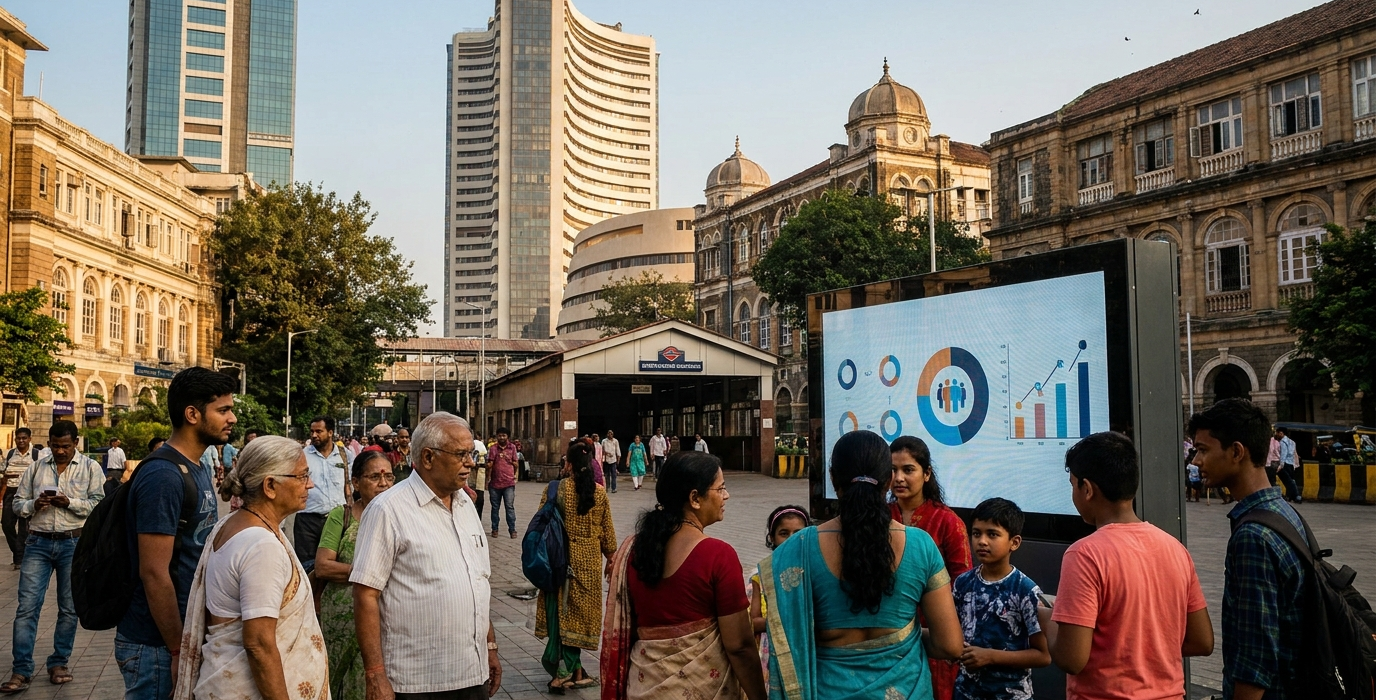
One of the most profound demographic shifts underway in India is the changing age structure. While the overall population continues to grow, the median age is gradually falling. This means a larger proportion of our citizens are young, a demographic dividend that can fuel economic progress if harnessed effectively. This youth bulge presents immense potential for innovation, entrepreneurship, and a dynamic workforce.
However, this youthful population also brings significant challenges. The demand for quality education, vocational training, and, crucially, job opportunities is paramount. Ensuring that millions of young Indians are equipped with the right skills and find meaningful employment will be critical to avoiding social unrest and economic stagnation. We must proactively invest in human capital to turn this demographic advantage into a sustainable growth engine. The aspirations of this young generation are a powerful force that policymakers cannot afford to ignore.
Declining Fertility Rates: A National Trend with Local Variations
A striking aspect of India’s demographic evolution is the steady decline in fertility rates across most of its states. The Total Fertility Rate (TFR) has fallen below replacement level in many regions, a trend that historically signals a shift towards population stabilization and eventual decline. This is a testament to increased access to education, family planning services, and changing societal norms, particularly among women.
While the national average is telling, it’s essential to acknowledge the disparities. States like Bihar and Uttar Pradesh still exhibit higher fertility rates, contributing significantly to the overall population growth. Conversely, southern states like Kerala and Tamil Nadu have long been below replacement level. This divergence means that India’s demographic journey is not a monolithic one; it’s a mosaic of different realities. This trend will inevitably lead to an aging population in the coming decades, necessitating a re-evaluation of social security systems and healthcare infrastructure.
Impact on Urbanization and Infrastructure Demands
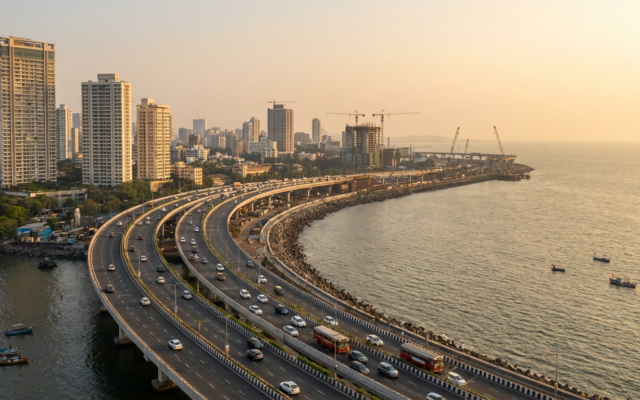
The sheer growth and redistribution of India’s population are placing immense pressure on our urban centers and infrastructure. As more people move to cities in search of opportunities, urban agglomerations are expanding at an unprecedented pace. This surge strains existing resources, from housing and sanitation to transportation and healthcare facilities. We see this particularly in megacities like Mumbai and Delhi, where the influx of people is a constant challenge.
The demand for new infrastructure projects – be it metro lines, affordable housing, or upgraded sewage systems – is immense. Without strategic planning and substantial investment, these urban centers risk becoming unmanageable. The challenge is not just about building more, but building smarter, ensuring sustainability and inclusivity in our rapidly growing cities. The quality of life for millions hinges on our ability to manage this urbanization effectively.
Economic Implications: A Growing Consumer Base and Workforce Challenges
India’s burgeoning population translates into a massive consumer base, offering significant opportunities for businesses. This growing market, with its increasing disposable incomes, is a magnet for both domestic and international investment. Sectors like retail, consumer durables, and digital services stand to benefit immensely from this demographic reality. The sheer scale of demand fuels economic activity and creates new avenues for growth.
However, the economic picture is complex. The challenge of creating enough quality jobs for the millions entering the workforce each year remains a primary concern. While the consumer market is expanding, the ability of the economy to absorb this vast labor pool without significant underemployment or unemployment is a critical test. The success of India’s economic future hinges on our capacity to foster inclusive growth that translates demographic potential into widespread prosperity. We must ensure that the fruits of this growth are shared equitably.
A Surprising Demographic Nuance: The Rise of the ‘Singletons’
Beyond the headline numbers, India is witnessing a fascinating, albeit subtle, demographic shift: the growing number of ‘singletons’ – individuals choosing to remain unmarried or delaying marriage. While not yet a dominant trend, this phenomenon is more pronounced in urban centers and among educated young professionals. Factors such as higher education, career aspirations, changing social attitudes towards marriage, and increased financial independence are contributing to this rise.
This trend, though small in scale compared to the overall population, has ripple effects on consumption patterns, housing demand, and social services. It suggests a diversification of family structures and a more individualistic approach to life choices, particularly among the urban elite. This marks a departure from traditional societal expectations and points towards a more pluralistic India, where diverse life paths are increasingly accepted.
The Future Outlook: Navigating a Maturing Population Landscape
Looking ahead, India’s demographic trajectory suggests a nation in transition. While population growth will continue for some time, the rate is expected to decelerate further. The key challenge will be managing an aging population while still supporting a large youth cohort. This dual demographic reality requires a delicate balancing act in policy-making.
We are moving towards a more mature population structure, where the dependency ratio will likely shift. This will necessitate greater investments in healthcare, pensions, and elder care. Simultaneously, the need for educational reforms and job creation will remain critical to empower the young. Our ability to navigate these intertwined challenges will define India’s standing on the global stage in the coming decades. The decisions we make today will shape the lives of generations to come.
“India’s demographic story in 2026 is not just about crossing a population threshold; it’s about the subtle yet profound shifts in age, fertility, and lifestyle that are reshaping our national identity and future opportunities.”
Frequently Asked Questions
What is the current population of India in 2026?
As of August 2026, India’s population has surpassed 1.44 billion people. This figure continues to grow, though at a decelerating rate.
Are fertility rates increasing or decreasing in India?
Fertility rates are generally decreasing across most Indian states. Many regions are now below the replacement level of 2.1 children per woman, indicating a long-term trend towards population stabilization.
What is the median age of India’s population?
The median age in India is gradually falling, indicating a significant proportion of the population is young. This is often referred to as a ‘youth bulge’ and presents both opportunities and challenges for the nation.
How do regional differences affect India’s population numbers?
Significant regional variations exist. States like Bihar and Uttar Pradesh still have higher fertility rates and contribute more to overall population growth, while southern states have much lower rates. This divergence creates a complex demographic mosaic across the country.