The Great Indian Office Exodus: Is the Cubicle Dead?
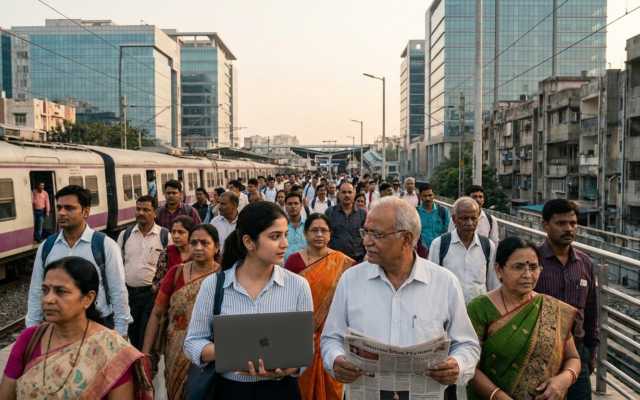
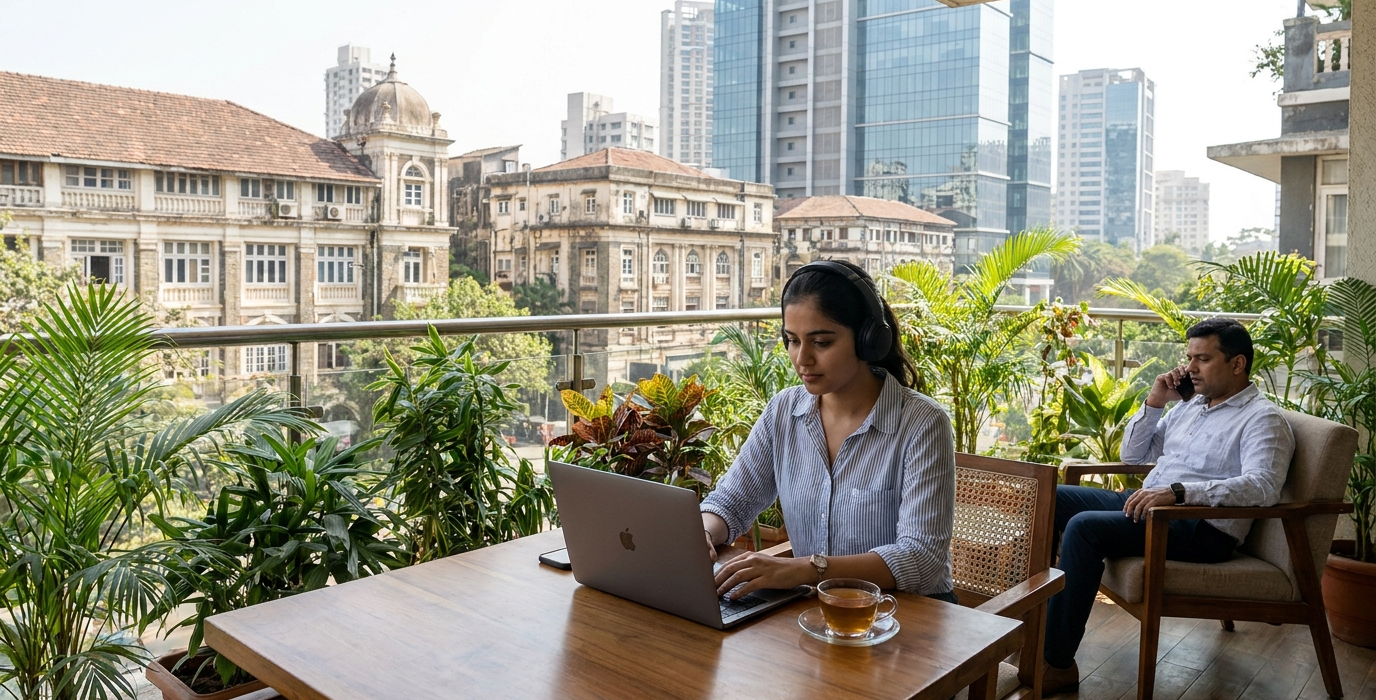
The hum of air conditioners, the clatter of keyboards, the ritualistic chai breaks – for decades, these were the defining sounds of the Indian workplace. But the tectonic plates of corporate life have shifted. The pandemic, initially a disruptive force, has morphed into a catalyst for a profound re-evaluation of where and how we work. For countless professionals across India, the commute to a physical office has become a distant memory, replaced by the familiar glow of a laptop screen in a home study, a bustling café in Kochi, or even a quiet corner overlooking the Himalayas in McLeod Ganj. This shift isn’t just a temporary fix; it’s rapidly evolving into a permanent fixture, forcing businesses to confront a fundamental question: is the traditional office, as we know it, obsolete?
The response from employers has been varied, often a cautious dance between embracing the undeniable benefits of remote and hybrid models and grappling with the inherent complexities. Many have discovered a silver lining in this change, witnessing increased productivity and a wider talent pool no longer constrained by geographical limitations. However, this newfound flexibility comes with its own set of challenges, from maintaining company culture to ensuring equitable opportunities for all employees. The narrative of remote work in India is no longer a simple story of convenience; it’s a complex tapestry woven with economic, social, and technological threads, demanding strategic foresight and adaptive leadership.
Unlocking a Wider Talent Pool: Beyond the Metro Cities
One of the most significant advantages for Indian businesses embracing remote work is the unprecedented access to talent. Previously, companies headquartered in Mumbai, Bengaluru, or Delhi had a geographical advantage, drawing from the dense urban populations. Now, that barrier has dissolved. You can hire a brilliant software engineer from a Tier-2 city like Coimbatore, a skilled content writer from a charming town in Rajasthan, or an efficient customer support executive from the Northeast, all without requiring them to relocate. This democratizes opportunity, allowing individuals in smaller towns and cities to access high-paying jobs previously out of reach.
This expansion of the talent pool has profound implications. It can lead to a more diverse workforce, bringing in fresh perspectives and experiences that enrich innovation and problem-solving. Imagine a product development team with members from different cultural backgrounds and regions of India; their insights into diverse consumer needs could be invaluable. Furthermore, by tapping into a broader demographic, companies can potentially reduce recruitment costs and the time spent searching for qualified candidates within saturated metropolitan job markets. This is not just about filling positions; it’s about building more robust, resilient, and representative teams.
The Culture Conundrum: Building Bonds in a Virtual World
Perhaps the most persistent concern for employers is how to nurture and maintain a strong company culture when teams are physically dispersed. The spontaneous hallway conversations, the shared laughter over lunch, the informal mentorship that happens organically in an office setting – these are the building blocks of camaraderie and shared identity. Replicating this in a virtual environment requires deliberate effort and innovative strategies. It’s easy for employees to feel disconnected, like isolated islands in a sea of virtual meetings.
Companies are experimenting with various approaches. Virtual coffee breaks, online team-building activities, and dedicated channels for non-work-related discussions are becoming commonplace. Some organizations are even investing in creating “third spaces” – co-working hubs or small regional offices – where remote employees can gather periodically for collaboration and social interaction. The key is to be intentional about fostering connection. This might involve more structured onboarding processes to integrate new hires into the company ethos, regular all-hands meetings that encourage open communication, and leadership that actively models inclusive and supportive virtual behaviors. The goal isn’t to recreate the physical office, but to build a new kind of shared experience that thrives on digital connectivity and thoughtful engagement.
The Infrastructure Imperative: Bridging the Digital Divide
While the idea of remote work conjures images of seamless connectivity, the reality in India, a nation of immense diversity, is far more nuanced. Reliable internet access, stable electricity, and adequate workspace are not universal commodities. For businesses to truly leverage remote work effectively, they must consider the infrastructure challenges faced by their employees, particularly those in less developed regions or from economically disadvantaged backgrounds. A brilliant employee in a remote village in Odisha, for instance, might be hampered by inconsistent internet speeds, making it difficult to participate in real-time video conferences or download large files.
This necessitates a proactive approach from employers. Some are providing allowances for internet subscriptions or offering portable Wi-Fi hotspots. Others are investing in partnerships with local internet providers to improve infrastructure in specific areas. Ensuring access to ergonomic equipment, such as comfortable chairs and external monitors, is also crucial for employee well-being and productivity. Beyond the physical, there’s the digital literacy aspect. Providing training on collaboration tools and cybersecurity best practices is essential for a secure and efficient remote workforce. Addressing these infrastructural gaps is not just an act of corporate responsibility; it’s a strategic investment in unlocking the full potential of a distributed team. A surprising fact: while India boasts some of the cheapest mobile data globally, the quality of connection and availability can vary dramatically, even within the same city.
Productivity & Performance: Measuring What Matters
One of the initial anxieties surrounding remote work was the fear of plummeting productivity. However, many studies and anecdotal evidence from Indian companies suggest the opposite. Freed from lengthy commutes and office distractions, many employees report increased focus and efficiency. The ability to structure their day around their peak performance times, whether that’s early morning or late evening, can lead to better output. The challenge for employers lies in shifting from a model of “presenteeism” – where presence in the office was seen as a proxy for productivity – to one that focuses on measurable outcomes and results.
This requires a redefinition of performance metrics and a greater emphasis on clear communication of goals and expectations. Managers need to be trained in supervising remote teams, focusing on output rather than hours logged. Regular check-ins, project management tools, and transparent feedback mechanisms become paramount. It’s about trusting your employees and empowering them to manage their time effectively. The focus should be on the quality and timeliness of work delivered, rather than the perceived effort involved. For instance, instead of asking how many hours someone spent on a task, the question becomes: “Was the task completed to the required standard and by the deadline?” This shift in perspective is fundamental to making remote work a sustainable success.
The Future of the Office: A Hybrid Reality Dawns
The notion that offices will disappear entirely is likely an oversimplification. Instead, we are witnessing the evolution of the office into something more dynamic and purposeful. The future likely lies in a hybrid model, where physical spaces are reimagined as hubs for collaboration, innovation, and social connection, rather than just places for individual task completion. Companies might downsize their traditional office footprints, opting for flexible co-working spaces or smaller, strategically located satellite offices. These redesigned spaces will be optimized for team meetings, brainstorming sessions, and client interactions.
The office will become a destination, a place employees choose to visit for specific reasons, not because they are mandated to be there five days a week. This shift requires a strategic rethink of real estate, office design, and the very purpose of physical workspaces. It’s about creating environments that foster serendipitous encounters and deep collaboration, aspects that are harder to replicate remotely. Consider the bustling innovation labs and collaborative zones emerging in some tech companies, designed to spark creativity. This hybrid approach allows businesses to retain the benefits of in-person interaction while continuing to offer the flexibility that employees have come to value. The key takeaway is that the office isn’t dead; it’s transforming into a more intentional and valuable asset for businesses and their people.