Key Takeaways
- Discover a simple, flavorful paneer recipe that entirely omits onion and garlic, perfect for specific dietary needs.
- Learn how to create a rich, creamy gravy using tomatoes, cashews, and fragrant spices for depth of flavour.
- This recipe is ideal for busy weeknights, ready in under 45 minutes, and adaptable for Jain and Sattvic lifestyles.
- Unlock variations with added vegetables or different tempering techniques to suit your palate.
The Art of Flavour Without Onion and Garlic
For many in India and across the globe, onion and garlic are the bedrock of flavour in countless dishes. They provide pungency, sweetness, and a foundational depth that’s hard to replicate. However, dietary restrictions, from religious observances like Jainism to the Sattvic lifestyle, often necessitate their complete exclusion. This can leave many feeling that vibrant, satisfying curries are out of reach. We understand this challenge, and today we’re bringing you a solution that’s both delicious and remarkably simple.
Our focus is on paneer, the beloved Indian cheese that soaks up flavours beautifully. This recipe is designed to prove that you can achieve a restaurant-quality taste and texture without relying on the usual aromatics. We’ll guide you through creating a luscious, creamy gravy that is rich, satisfying, and bursting with flavour, all while adhering to strict onion and garlic-free principles. It’s a testament to the versatility of Indian cuisine and the power of its diverse spice palette.
Building a Rich Base: The Tomato-Cashew Gravy
The secret to a truly satisfying onion-garlic-free paneer dish lies in building a robust flavour base using alternative ingredients. We turn to the natural sweetness and body of tomatoes, combined with the creamy richness of cashews. This duo forms the heart of our gravy, providing a luxurious mouthfeel and a subtle sweetness that perfectly complements the paneer.
Begin by pureeing ripe, red tomatoes until smooth. Simultaneously, soak a handful of cashews in warm water for about 15-20 minutes; this softens them, making them easier to blend into a silken paste. Once both are ready, you’ll sauté these purees with a carefully selected blend of spices. We’re talking about the warmth of coriander powder, the gentle heat of red chili powder, and the earthy notes of turmeric. A pinch of garam masala added towards the end will introduce those essential aromatic complexities. This careful layering of flavours ensures that no single ingredient is missed.
Spices: The Unsung Heroes of Sattvic and Jain Cooking
In the absence of onion and garlic, the humble spice cabinet truly shines. For our No Onion, No Garlic Paneer, we’ll leverage a symphony of spices to create layers of flavour that are both complex and comforting. Think of them as the architects of taste, building structure and intrigue in every bite. The foundation often includes common spices like turmeric for its earthy notes and vibrant colour, and coriander powder for its mild, citrusy warmth.
To introduce a gentle heat and a beautiful reddish hue, we’ll use Kashmiri red chili powder. Its flavour is nuanced, offering warmth without overwhelming the palate. For that quintessential Indian aroma, a touch of garam masala is essential, added towards the end to preserve its fragrant oils. We can also introduce other flavour enhancers. A small amount of ginger paste (if permitted by your specific dietary interpretation, as some very strict Jain practices may omit it) can add a subtle zing. Asafoetida, or hing, when used judiciously, can mimic some of the savoury depth that onion and garlic provide. Remember, the quality of your spices makes a significant difference, so opt for freshly ground ones whenever possible. This careful selection ensures a deeply flavourful, satisfying dish, proving that dietary restrictions need not mean sacrificing taste.
The Star Ingredient: Perfectly Cooked Paneer
Paneer, the star of our dish, requires a little care to ensure it’s tender and flavourful, not rubbery or dry. The key is to treat it gently and add it at the right stage of cooking. We’re aiming for cubes that are soft and have absorbed the delicious gravy, becoming little flavour sponges.
Before adding the paneer to the simmering gravy, consider a quick soak. You can briefly immerse the paneer cubes in warm water for about 10-15 minutes. This softens them and helps them to absorb the flavours more effectively. Some cooks also prefer to lightly pan-fry the paneer cubes until they are golden brown on all sides. This adds a lovely texture and a subtle nutty flavour. However, for a softer, more melt-in-your-mouth experience, skipping the frying and opting for the warm water soak is often preferred in Sattvic and Jain cooking. Whichever method you choose, ensure you add the paneer to the gravy only for the last few minutes of cooking. Overcooking will make it tough. Gentle simmering allows the paneer to warm through and absorb the aromatic spices and the creamy tomato-cashew base without losing its delicate texture.
Putting It All Together: The Quick Assembly
With your flavour base ready and your paneer prepped, the final assembly is remarkably quick. This is where all those carefully prepared elements come together to create a harmonious dish. The goal is to integrate the paneer into the gravy without overcooking it, preserving its soft texture.
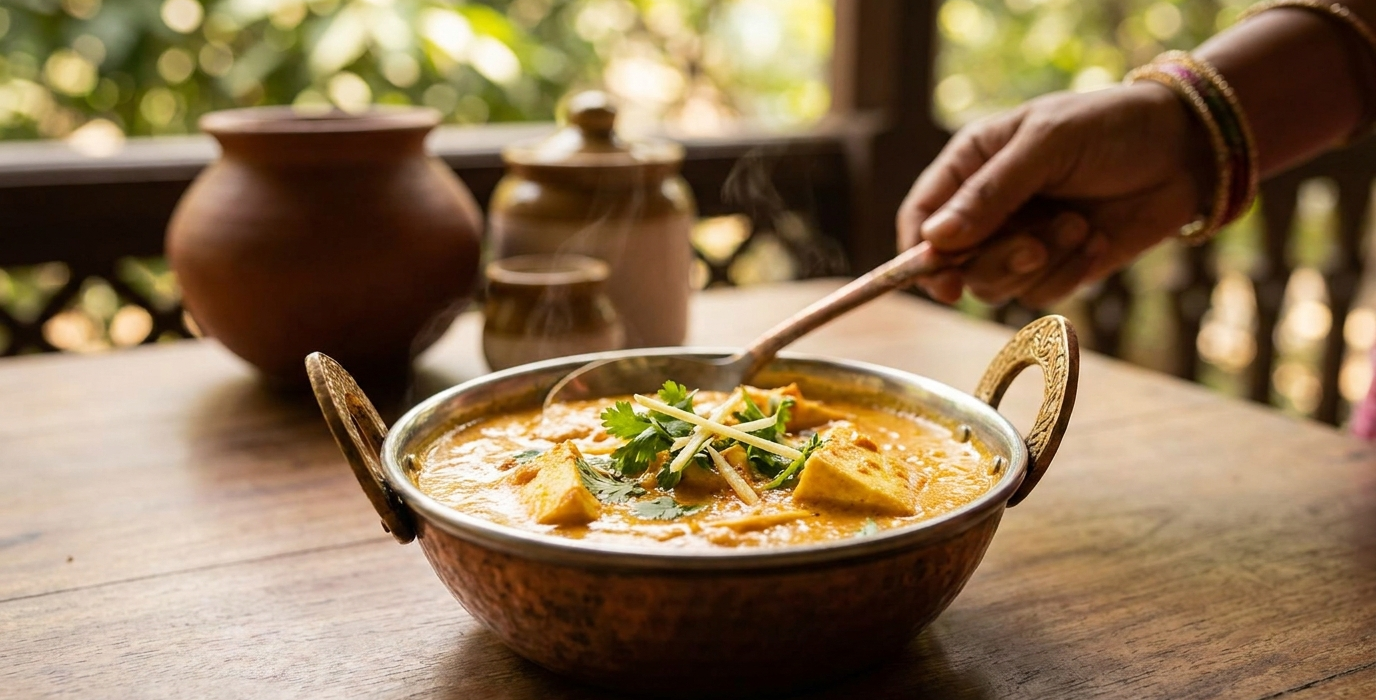
Once your tomato-cashew gravy has simmered and thickened to your desired consistency, gently introduce the paneer cubes. If you’ve opted for the warm water soak, drain the paneer before adding it. Stir gently to ensure each cube is coated in the luscious gravy. Allow it to simmer for just 3-5 minutes. This brief period is enough for the paneer to heat through and absorb some of the flavours without becoming tough. Finally, stir in a tablespoon of fresh cream or cashew cream for an extra touch of richness, and a generous sprinkle of freshly chopped coriander leaves. This final garnish adds a burst of freshness and colour, elevating the entire dish. You’ll be amazed at how quickly this delicious meal comes together, perfect for a weeknight dinner when time is of the essence.
Variations and Serving Suggestions
While our No Onion, No Garlic Paneer is a triumph on its own, it’s also wonderfully adaptable. You can easily incorporate other vegetables to make it a more complete meal. Soft vegetables like peas, finely chopped carrots, or blanched cauliflower florets can be added along with the paneer for the final few minutes of simmering. For a more robust flavour, consider adding finely chopped bell peppers (capsicum) when you sauté the tomato-cashew paste. These will soften and blend into the gravy, adding both texture and nutritional value.
Serving this paneer dish is straightforward. It pairs beautifully with plain steamed basmati rice, jeera rice, or a variety of Indian breads. Warm rotis, parathas, or even the lighter phulkas are excellent choices. A side of cooling cucumber raita or a simple salad can provide a refreshing contrast. For a truly special meal, consider serving it alongside a simple dal tadka or a mixed vegetable sabzi. One surprising fact is that the traditional Jain practice of ‘no onion, no garlic’ has led to the development of incredibly sophisticated flavour profiles in dishes like this, relying heavily on the nuanced interplay of spices, nuts, and dairy or coconut milk for richness. This adaptability makes it a staple for many households, proving that delicious food transcends simple ingredient lists.
| Spice/Ingredient | Purpose | Approximate Quantity (for 250g Paneer) |
|---|---|---|
| Tomatoes | Gravy base, sweetness, body | 3-4 medium, pureed |
| Cashews | Creaminess, richness | 1/4 cup, soaked & pureed |
| Ginger Paste | Zing, aroma (optional based on strictness) | 1 tsp |
| Turmeric Powder | Color, earthy flavour | 1/2 tsp |
| Coriander Powder | Warmth, base flavour | 1.5 tsp |
| Kashmiri Red Chili Powder | Color, mild heat | 1 tsp (adjust to taste) |
| Garam Masala | Aromatic finish | 1/2 tsp |
| Paneer | Protein, texture | 250g, cubed |
| Cream/Cashew Cream | Extra richness | 1-2 tbsp |
| Fresh Coriander | Garnish, freshness | 2 tbsp, chopped |
“The absence of onion and garlic doesn’t diminish flavour; it invites a deeper appreciation for the nuanced symphony of spices and wholesome ingredients that Indian cuisine so masterfully offers.”
Frequently Asked Questions
What are the best substitutes for onion and garlic in Indian cooking?
For a rich base, tomatoes and cashews are excellent. Spices like ginger (if permitted), asafoetida (hing), and fenugreek seeds (methi dana) can add depth. Yogurt or coconut milk can provide creaminess. A slow tempering of mustard seeds, cumin seeds, and curry leaves also adds significant flavour.
Is this recipe suitable for a Sattvic diet?
Yes, this recipe is inherently Sattvic as it excludes onion and garlic, which are considered Rajasic. It focuses on fresh, pure ingredients and gentle cooking methods, making it ideal for promoting balance and calmness.
How can I make the gravy richer without cream?
You can achieve extra richness by increasing the quantity of cashews used in the paste. Alternatively, a tablespoon of almond flour or a paste made from melon seeds (magaz) can also add a luxurious thickness and creamy texture to the gravy.
Can I use pre-made paneer?
Absolutely! High-quality pre-made paneer works perfectly. Ensure it’s fresh and firm. If you have time, soaking it in warm water for 10-15 minutes before adding it to the gravy will enhance its softness and ability to absorb flavours.