Key Takeaways
- Regional Indian cuisines are taking center stage, with chefs spotlighting lesser-known dishes from states like Odisha and Gujarat.
- The rise of “conscious consumption” is driving demand for hyper-local, seasonal ingredients and plant-forward menus, even in traditional meat-heavy regions.
- Fusion continues to evolve, moving beyond Indo-Chinese to more nuanced pairings of Indian techniques with global flavours and vice-versa.
- Tech integration is transforming the dining experience, from AI-powered menu recommendations to immersive virtual food tours.
- Expect a surge in at-home culinary experiences, with DIY meal kits and online masterclasses focusing on authentic regional recipes.
The Resurgence of India’s ‘Forgotten’ Regional Cuisines
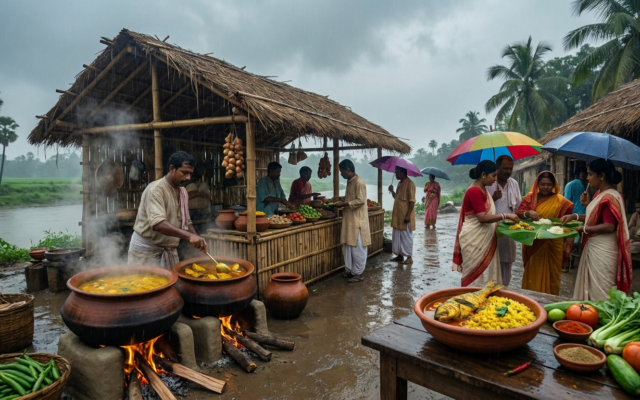
This year, we’re witnessing a profound shift in the Indian culinary landscape. For too long, the national conversation around Indian food has been dominated by North Indian staples or the broad strokes of South Indian fare. However, 2026 marks a vibrant resurgence of India’s incredibly diverse and often overlooked regional cuisines. Chefs across the country are actively digging into their heritage, unearthing forgotten recipes and bringing them to the forefront.
Think beyond the butter chicken and dosa. We’re talking about the intricate flavours of Odia cuisine, with its delicate use of mustard oil and panch phoron, or the robust, earthy tastes of Bodo dishes from Assam. In cities like Mumbai and Bengaluru, you’ll find pop-ups dedicated to the distinct culinary traditions of Marathwada, showcasing dishes like the spicy ‘Misal Pav’ in its most authentic form, or the subtle yet complex flavours of Gujarati ‘Undhiyu’ prepared using traditional underground cooking methods. This isn’t just a nostalgic nod; it’s a conscious effort to preserve culinary heritage and offer diners a truly authentic, diverse Indian food experience.
The ‘Conscious Carnivore’ and the Plant-Forward Plate
The global movement towards conscious consumption is deeply impacting India’s food habits, even in regions traditionally known for their meat-centric diets. In 2026, we’re seeing a fascinating evolution where diners are not necessarily abandoning meat, but are making more informed choices about it. This translates to a growing demand for ethically sourced, free-range meats and a greater appreciation for traditional, slow-cooking methods that maximise flavour and minimise waste.
Simultaneously, plant-based eating is no longer a niche trend; it’s becoming mainstream. Restaurants are innovating with indigenous vegetables, millets, and legumes, creating sophisticated and satisfying vegetarian and vegan dishes. Even in states like Rajasthan, where hearty laal maas is a celebrated dish, chefs are experimenting with vibrant lentil preparations and vegetable curries that stand proudly on their own. This focus on sustainability and health is driving a creative explosion in vegetarian gastronomy, proving that flavour and ethics can go hand-in-hand.
The Millet Revolution Continues
Millets, once the staple grains of rural India, are making a powerful comeback. Driven by their nutritional benefits and climate resilience, they are being incorporated into everything from breakfast bowls to artisanal breads. You’ll find Ragi (finger millet) used in pancakes and idlis, Jowar (sorghum) in rotis and crackers, and Bajra (pearl millet) in savoury porridges and even desserts. This shift is not just about health; it’s a conscious effort to revive ancient grains that are perfectly suited to India’s diverse climate.
Fusion: Beyond the Obvious Combinations
Fusion cuisine has been a part of India’s culinary vocabulary for years, but in 2026, it’s entering a more refined and sophisticated phase. We’re moving beyond the well-trodden paths of Indo-Chinese or Indianised Italian. The new wave of fusion is about nuanced pairings, where Indian techniques are applied to global ingredients, or global flavours are interpreted through an Indian lens.
Consider the rise of “Indian-inspired” cocktails, where traditional spices like cardamom, star anise, and saffron are infused into spirits, or the incorporation of Japanese umami elements into South Indian flavour profiles. Chefs are experimenting with fermentation techniques, drawing inspiration from Korean kimchi or Japanese miso, to add depth to Indian dishes. This intelligent fusion respects both culinary traditions while creating something entirely new and exciting for the palate. It’s about harmonious marriages of flavour, not forced unions.
The Unexpected Duets
One surprising trend we’re seeing is the delicate integration of Indian spices into traditional European pastries. Imagine a croissant infused with subtle notes of rose and cardamom, or a panna cotta flavoured with saffron and pistachio. Conversely, some international chefs are embracing Indian cooking methods, like the tandoor, to impart unique smoky flavours to their own signature dishes. This cross-pollination is enriching both Indian and global culinary arts.
Tech-Infused Dining: From AI Recommendations to Virtual Tastings
Technology is no longer just a tool for ordering food online; it’s actively enhancing the dining experience itself in 2026. Restaurants are leveraging AI to provide highly personalised menu recommendations based on your past orders, dietary preferences, and even the weather. Imagine walking into a restaurant and being presented with a curated list of dishes perfectly suited to your mood and palate.
Beyond the table, virtual reality is opening up new frontiers. Several establishments are offering immersive virtual food tours that allow you to explore the origins of your ingredients, witness traditional cooking techniques firsthand, or even attend a masterclass from a celebrated chef, all from the comfort of your home. This digital integration is making culinary exploration more accessible and engaging than ever before, breaking down geographical barriers.
Surprising Fact: AI-Powered Spice Blends
A fascinating development we’ve observed is the use of AI algorithms to create novel spice blends. By analysing vast datasets of flavour profiles and chemical compositions, AI is helping chefs discover unprecedented combinations of spices that enhance existing dishes or create entirely new taste sensations. One Bengaluru-based chef reported using an AI-generated blend of cumin, fenugreek, and a hint of smoked paprika to elevate his traditional fish curry, resulting in an unexpectedly complex and delightful flavour.
The Home Kitchen: Masterclasses and Meal Kits
The pandemic accelerated the trend of home cooking, and in 2026, it’s evolving into a more sophisticated and experiential pursuit. The demand for high-quality, curated meal kits featuring authentic regional Indian recipes is skyrocketing. These kits provide pre-portioned ingredients and step-by-step instructions, allowing home cooks to recreate complex dishes with confidence.
Alongside meal kits, online culinary masterclasses are flourishing. These aren’t just basic cooking tutorials; they are in-depth sessions led by renowned chefs focusing on specific regional cuisines or advanced techniques. Whether you want to master the art of making perfect ‘Biryani’ from a Hyderabadi expert or learn the nuances of South Indian ‘Sambar’ from a chef in Chennai, there’s an online class for you. This democratisation of culinary knowledge empowers home cooks to become more adventurous and skilled.
Surprising Fact: The Rise of ‘Ghost Kitchen’ Meal Kits
We’re seeing a fascinating convergence of ‘ghost kitchens’ and meal kit services. Some of these delivery-only kitchens are now offering their signature dishes as take-home kits. This allows consumers to enjoy restaurant-quality meals at home, with the added satisfaction of preparing them themselves. It’s a clever way for these virtual restaurants to expand their reach and offer a more interactive customer experience, often featuring hyper-local or niche regional specialities that might not be available in a traditional dine-in format.
A Table for Every Palate: The Future is Diverse
Looking ahead, the culinary landscape of India in 2026 and beyond promises to be one of unparalleled diversity and innovation. The focus on regionality ensures that the rich tapestry of India’s food heritage is not only preserved but celebrated. The conscious embrace of sustainability and plant-forward diets reflects a growing global awareness that is deeply rooted in India’s own agricultural traditions.
Fusion, when approached with respect and creativity, will continue to push boundaries, offering exciting new taste experiences. Technology will enhance, not replace, the human element of dining, making it more personalised and engaging. And the home kitchen will become a hub of culinary learning and creativity.
“The true essence of Indian cuisine lies not in its most famous dishes, but in the untold stories whispered through generations in every village and every home. This year, we are finally listening.”
Ultimately, the future of Indian food is about inclusivity. It’s about celebrating the forgotten flavours, respecting the ingredients, and embracing new ways of cooking and eating. Whether you’re a seasoned foodie or a curious beginner, 2026 offers an incredible opportunity to explore the vast and delicious world of Indian cuisine like never before.
Frequently Asked Questions
What are the most popular regional Indian cuisines gaining traction in 2026?
Beyond the widely known North and South Indian fare, cuisines from Odisha, Gujarat, Maharashtra (specifically Marathwada), and various Northeastern states like Assam are seeing a significant rise in popularity and recognition among chefs and diners.
How is technology impacting the restaurant experience in India?
Technology is primarily enhancing personalization through AI-driven menu recommendations, improving operational efficiency, and creating new engagement channels like virtual food tours and interactive online cooking classes.
Are plant-based diets becoming more common in India?
Yes, there’s a significant and growing trend towards plant-based and plant-forward diets, driven by health consciousness, environmental concerns, and the increasing availability of innovative and delicious vegetarian and vegan dishes across all types of Indian restaurants.
What is the role of millets in the current Indian food scene?
Millets are experiencing a strong resurgence due to their nutritional density, climate resilience, and traditional importance. They are being incorporated into a wide range of modern dishes, from breakfast items to baked goods, promoting healthier eating and supporting sustainable agriculture.
How are meal kits and online classes changing home cooking in India?
They are making it easier for people to cook authentic regional Indian dishes at home. Meal kits provide convenience and guided recipes, while online masterclasses offer in-depth learning from experts, empowering home cooks with new skills and culinary knowledge.