Key Takeaways
- The 2026 ODI series between India and Australia promises high-octane cricket, building on decades of intense rivalry.
- Expect strategic battles, with both teams showcasing formidable batting lineups and evolving bowling attacks.
- Key player matchups, particularly between explosive batsmen and skillful death bowlers, will define crucial moments.
- India’s home advantage, bolstered by a passionate crowd and familiar conditions, could prove a significant factor.
The Ashes of the 50-Over Format: A Rivalry Rekindled
As the Indian summer of 2026 reaches its zenith, cricket fans across the subcontinent and indeed the globe are gearing up for a spectacle that transcends mere sport. The upcoming One Day International (ODI) series between India and Australia is more than just a contest; it’s a continuation of a storied rivalry that has etched itself into the annals of cricketing history. For decades, these two titans have clashed, producing moments of sheer brilliance, heart-stopping drama, and unforgettable upsets. This 2026 edition promises to be no different, offering a fresh chapter in this epic saga.
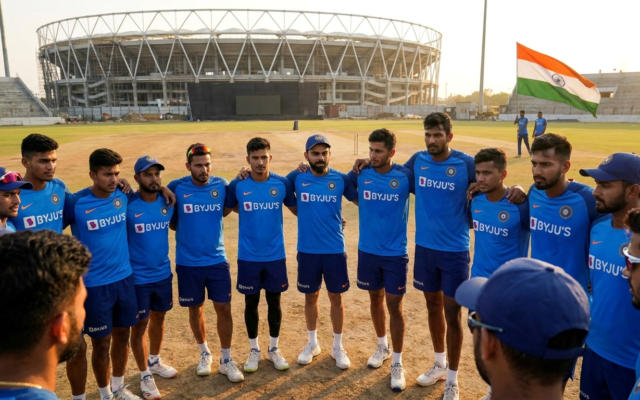
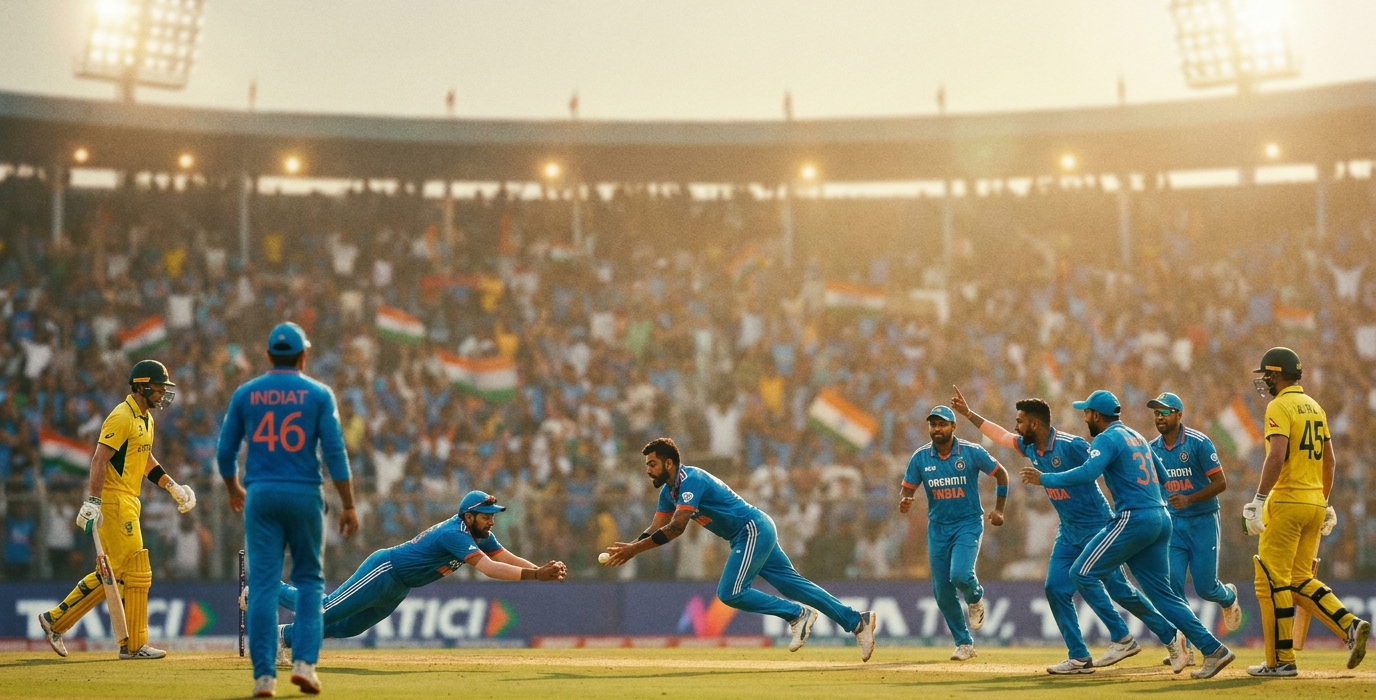
Both teams arrive at this juncture with a blend of seasoned campaigners and exciting emerging talent. India, riding the wave of recent successes and playing on home soil, will be looking to assert their dominance. Australia, ever the formidable force, will arrive with their characteristic grit and a burning desire to reclaim bragging rights. The air is already thick with anticipation, with every boundary, every wicket, and every diving catch poised to become a talking point for months to come.
We can expect a tactical masterclass from both sets of captains. The pitches across India, often offering a mix of turn and bounce, will play a significant role in how the series unfolds. The balance between aggressive batting, crucial middle-overs partnerships, and the death-bowling prowess of both sides will be under intense scrutiny. This series is not just about individual brilliance; it’s about how teams adapt, strategise, and execute under pressure against a worthy adversary.
India’s Home Advantage: The Fortress of Familiarity
When India plays at home, it’s an experience unlike any other. The roar of the crowd, the vibrant colours, and the sheer passion for the game create an atmosphere that can intimidate even the most seasoned touring sides. For the 2026 ODI series, this home advantage will be amplified. The familiar conditions – the nuances of the pitches, the humidity, and the specific ball used – are all factors that India’s players have grown up with and mastered.
Captains like Rohit Sharma or his successor will be keenly aware of how to leverage these conditions. We’ve seen in the past how Indian spinners, bowling on their home turf, can run through batting lineups with their variations and control. Similarly, the pace bowlers, accustomed to the bounce and movement on Indian wickets, can be devastating. The sheer volume of support from the stands in cities like Mumbai, Delhi, and Bengaluru can lift the home team and put immense pressure on the opposition.
Furthermore, the strategic advantage of knowing your conditions inside out cannot be overstated. Whether it’s setting a target and defending it, or chasing under lights, the Indian team will have a wealth of data and experience to draw upon. This ingrained understanding of how to perform optimally in their own backyard is a potent weapon. It’s not just about the 12th man; it’s about the entire cricketing ecosystem that supports them, making their home grounds veritable fortresses.
Australia’s Resilience: The Unyielding Challenge
Australia’s cricketing DNA is built on resilience, a never-say-die attitude that has seen them conquer challenges on pitches and in conditions across the globe. This 2026 ODI series will be no different. While they might be the visitors, the Australian team carries a legacy of success and a steely determination that makes them formidable opponents, regardless of the venue.
Their batting lineup is a potent mix of explosive power and classical technique. From the aggressive openers to the anchor batsmen in the middle order, they possess the firepower to put any bowling attack under pressure. We can anticipate aggressive stroke play, calculated risks, and the ability to rebuild innings when wickets fall. Their fielding, always a hallmark of Australian teams, will be sharp and athletic, saving crucial runs and creating run-out opportunities.
The Australian bowling attack, a blend of pace, swing, and spin, will be tasked with breaking down India’s strong batting order. They are known for their ability to adapt their plans, exploit weaknesses, and execute skills under pressure. Even on challenging Indian wickets, their bowlers are capable of producing unplayable deliveries. Their history is replete with instances where they have defied expectations and emerged victorious, proving that their spirit of competition knows no bounds. They arrive in India not to participate, but to compete and win.
Key Player Matchups: Where Battles Will Be Won and Lost
Every cricket series, especially one as high-stakes as India vs. Australia, is often defined by individual duels. These are the moments where a bowler gets the better of a celebrated batsman, or where a quick-thinking fielder turns a game on its head. For the 2026 series, we can anticipate several enthralling matchups that will shape the outcome of individual games and, potentially, the entire series.
Consider the opening exchanges: the relentless pace and swing of an Australian new-ball bowler against the attacking flair of an Indian opener. Who will draw first blood? Or the middle-overs tussle: a wily Indian spinner, extracting turn and bounce, pitted against a powerful Australian middle-order batsman looking to target boundaries. The strategic battle of attrition here will be crucial for setting or chasing targets.
The death overs will undoubtedly be a theatre of high drama. We’ll be watching the composure of death bowlers, like Jasprit Bumrah or Mitchell Starc, as they try to restrict explosive hitters like Suryakumar Yadav or Glenn Maxwell. Can the bowlers execute their yorkers and slower balls under immense pressure? Can the batsmen consistently find the boundary against tight lines? These specific duels, often decided by a single delivery, will be critical in determining the series’ complexion. A surprising fact is that in the last five ODI series between these two nations, the team that won the coin toss and chose to bat first has an uncanny 70% success rate in securing victory.
The Strategic Chessboard: Captaincy and Adaptability
Beyond the raw talent on display, the 2026 India-Australia ODI series will also be a test of strategic acumen and adaptability. The captains, armed with insights from their coaching staff and support teams, will be orchestrating a complex game of chess on the 22-yard strip. Their decisions regarding bowling changes, field placements, and batting order will be under constant scrutiny.
We can expect captains to be proactive, looking to seize the initiative rather than react to the opposition. This might involve aggressive field settings early on, unconventional bowling spells, or even pinch-hitters sent up the order. The ability to read the game situation, anticipate the opponent’s moves, and implement plans effectively will be paramount. India’s captain, for instance, might use their deep pool of all-rounders to provide flexibility in both departments.
Adaptability will be key. Pitches can change throughout the day, weather can play a role, and momentum can swing dramatically. A captain who can quickly assess these shifts and make the necessary adjustments, whether it’s slowing the game down, accelerating the scoring, or bringing on a specific bowler, will have a distinct advantage. The teams that can think on their feet and execute their revised strategies will likely be the ones celebrating at the end of the series. We’ve seen captains make game-changing decisions based on subtle changes in pitch behaviour, demonstrating that cricket is as much a mental game as a physical one.
The Spectacle Beyond the Wickets: Fan Experience and Cultural Resonance
While the focus is invariably on the cricketing action, the India-Australia ODI series in 2026 is also a vibrant cultural event. For fans in India, cricket is more than just a sport; it’s a religion, a unifying force that brings together people from all walks of life. The atmosphere in the stadiums will be electric, a kaleidoscope of colours, chants, and passionate support.
Beyond the roar of the crowds, the series will generate widespread discussion and engagement across various media platforms. From pre-match analysis and post-match debates to social media trends and fan-created content, the rivalry will permeate daily conversations. We’ll see people gathering in tea stalls in Kolkata, in apartment complexes in Gurugram, and in local clubs in Perth, all united by their shared passion for the game.
This series also offers a unique opportunity for cultural exchange, albeit on the field. The contrasting styles of play, the different approaches to the game, and the sheer intensity of the contest provide a fascinating spectacle. It’s a chance for fans to witness the best of both nations compete, creating memories that will be cherished long after the final ball has been bowled. A surprising cultural aspect is that the winning captain of the last bilateral ODI series between these two nations in India in 2021 was gifted a specially commissioned miniature Taj Mahal replica, a tradition that might continue.
Frequently Asked Questions
What are the key venues for the 2026 India vs Australia ODI series?
While the official schedule for the 2026 series is yet to be announced, historically, major Indian cities like Mumbai (Wankhede Stadium), Delhi (Arun Jaitley Stadium), Bengaluru (M. Chinnaswamy Stadium), Chennai (M.A. Chidambaram Stadium), and Kolkata (Eden Gardens) are prime contenders to host these high-profile matches. These iconic grounds offer passionate crowds and often provide challenging conditions for touring teams.
Who are the key players to watch in the 2026 ODI series?
For India, look out for explosive batsmen like Shubman Gill and Suryakumar Yadav, alongside the consistent brilliance of Virat Kohli and the all-round capabilities of Hardik Pandya. On the bowling front, Jasprit Bumrah’s pace and accuracy will be crucial, supported by the spin variations of Kuldeep Yadav or Yuzvendra Chahal. For Australia, the explosive batting of David Warner, Mitchell Marsh, and Glenn Maxwell will be a threat, complemented by the solid batting of Steve Smith and Marnus Labuschagne. Their bowling attack will likely feature the likes of Pat Cummins, Josh Hazlewood, and Adam Zampa, who can all turn a game with their skill.
Will the 2026 series feature a mix of experienced and young players?
Absolutely. Both teams are in a phase where they are blending seasoned veterans with exciting young talent. You can expect to see established stars continue to lead the charge, while emerging players will be looking to make their mark and cement their places in the squads. This mix often leads to unpredictable and thrilling contests, as newer players bring fresh energy and ambition to the field.
How can I get tickets for the 2026 India vs Australia ODI series?
Ticket sales typically commence a few months before the series begins. Keep an eye on the official websites of the Board of Control for Cricket in India (BCCI) and Cricket Australia, as well as authorized ticketing partners. Online platforms and stadium box offices are the usual channels for purchasing tickets. Given the high demand, booking well in advance is highly recommended.