Key Takeaways
- The T20 World Cup 2026 is poised to be a thrilling contest, with India and Australia emerging as strong contenders.
- Both teams boast formidable batting lineups and potent bowling attacks, setting the stage for a high-octane encounter.
- Key player matchups, like Jasprit Bumrah versus David Warner, could swing the momentum of any game.
- India’s home advantage, coupled with their recent form, gives them an edge, but Australia’s experience in big tournaments cannot be underestimated.
The Road to the T20 World Cup 2026: A Tale of Two Giants
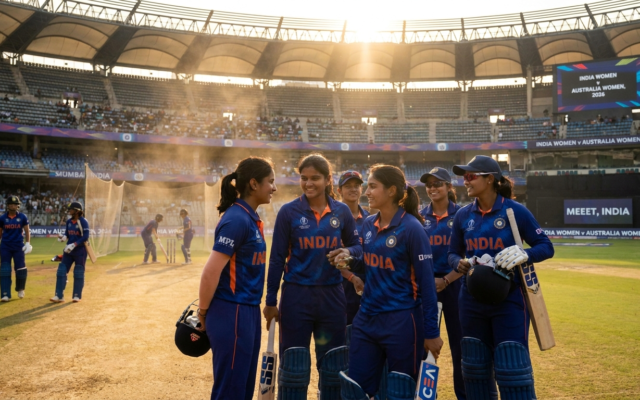
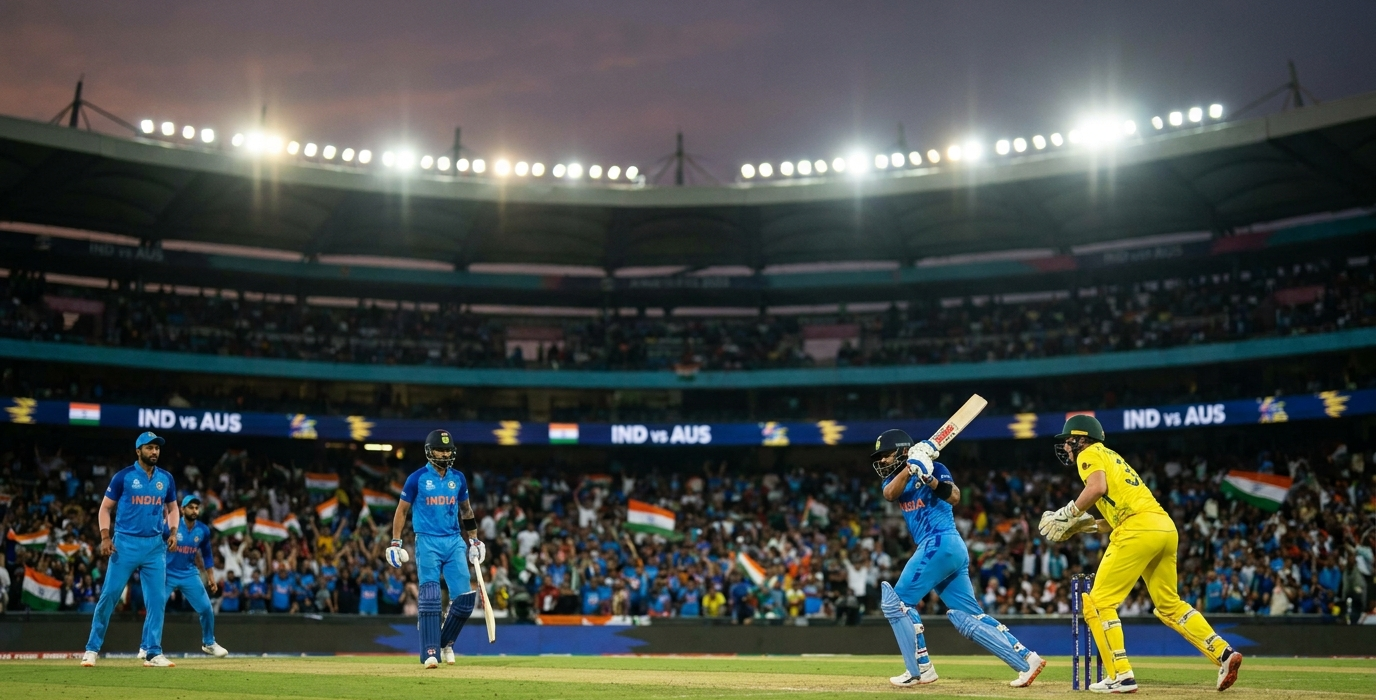
As the cricketing world eagerly anticipates the T20 World Cup 2026, all eyes are inevitably drawn to the perennial rivalry between India and Australia. These two cricketing powerhouses have a storied history of delivering nail-biting encounters, and the upcoming tournament promises no less. Both teams have been meticulously building their squads, focusing on a blend of explosive youth and seasoned experience. We’ve seen glimpses of their potential in recent bilateral series, with India often displaying a commanding home record and Australia proving their mettle in global competitions.
The strategic planning for this tournament began long ago, with selectors carefully observing player performances across various domestic and international leagues. For India, the focus has been on nurturing young talent that can perform under immense pressure, while also ensuring their established stars remain in peak form. Australia, on the other hand, has always prided itself on its aggressive brand of cricket and its ability to peak at the right moment. Their recent series results, while indicative, are merely stepping stones to the ultimate goal of lifting the coveted T20 World Cup trophy.
India’s Strengths: Home Conditions and Explosive Batting
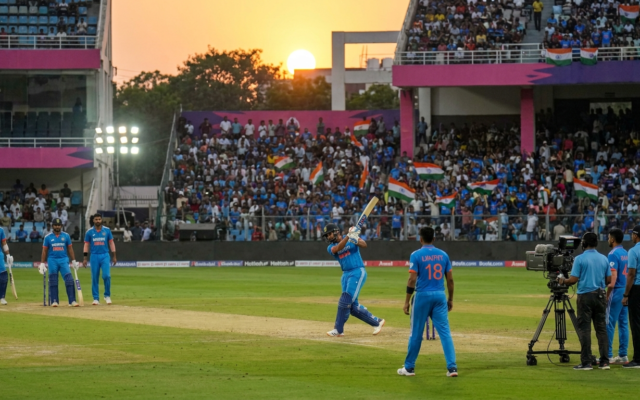
India’s journey to the T20 World Cup 2026 will be significantly bolstered by the advantage of playing on home soil. The familiar pitches, the roar of the Indian crowd, and the understanding of local conditions often give the Men in Blue an intangible edge. We’ve seen this play out repeatedly, where even a slight variation in bounce or turn can be exploited by a team that knows it inside out.
Their batting lineup, a perennial source of strength, is looking particularly formidable. With explosive openers capable of setting the tone from the first over and a middle order packed with power-hitters, India can chase down any target and set daunting ones. Players like Suryakumar Yadav have redefined T20 batting with their innovative strokeplay, and their continued form will be crucial. Furthermore, the emergence of young talents who are not afraid to take risks against the best bowlers in the world adds another layer of unpredictability to their batting prowess. Their ability to adapt to different bowling attacks, from express pace to clever spin, will be key to their success. A surprising fact is that the average T20I strike rate for Indian batsmen in the last two years has consistently been among the highest globally, showcasing their aggressive intent.
Australia’s Resilience: Experience and Tactical Prowess
Australia, despite the challenges of playing away from home, brings a wealth of experience and a proven track record in ICC tournaments. Their ability to perform under pressure, particularly in knockout stages, is unparalleled. Coach Andrew McDonald and his support staff have instilled a strong sense of belief and tactical discipline within the squad.
The Australian batting lineup, while perhaps not as flashy as India’s at times, is incredibly effective. They possess batsmen who can anchor an innings, accelerate when needed, and handle pace and spin with equal measure. David Warner’s continued presence, even in the twilight of his career, offers experience and aggression at the top. Mitchell Marsh has also emerged as a crucial all-rounder, providing much-needed firepower and valuable overs. Their bowling attack, a blend of raw pace and intelligent variations, is capable of dismantling any opposition. Pat Cummins and Mitchell Starc, when fit, provide a potent pace battery, complemented by the disciplined spin of Adam Zampa. Their tactical acumen, honed through years of playing high-stakes cricket, allows them to adapt strategies mid-game, often catching opponents off guard.
Key Player Matchups: Where the Game Will Be Won and Lost
The outcome of any India vs. Australia encounter often hinges on individual battles between star players. These matchups can define the momentum of a match and swing it decisively in one team’s favour.
Consider the duel between India’s premier fast bowler, Jasprit Bumrah, and Australia’s destructive opener, David Warner. Bumrah’s ability to generate swing and his lethal yorkers make him a nightmare for any batsman, especially one looking to attack from the outset. Warner’s counter-attacking style, however, means he’s not afraid to take on the best. Another crucial battle will be between India’s spinners, like Ravindra Jadeja or Kuldeep Yadav, and Australia’s middle-order batsmen. Can the spinners contain the aggressive strokeplay of players like Glenn Maxwell, or will Maxwell’s big-hitting prowess prevail? The clash between India’s young batting sensation, Yashasvi Jaiswal, and Australia’s experienced pacers like Josh Hazlewood will also be fascinating to watch. Jaiswal’s fearless approach will be tested against Hazlewood’s accuracy and ability to hit the hard lengths.
The magic of a T20 World Cup lies in its unpredictability, but the India-Australia rivalry is a constant, a guarantee of breathtaking cricket that transcends the format itself.
Advertisement300×250 / native
The Spin Factor: India’s Conventional Edge
In the sub-continent, and particularly in India, the spin bowlers often play a pivotal role. The pitches tend to offer more turn as the game progresses, making it a challenging proposition for visiting batsmen. India has historically produced world-class spinners who excel in these conditions.
The likes of Ravindra Jadeja, with his economical bowling and ability to extract turn, and Kuldeep Yadav, with his wrist-spin variations, pose a significant threat. Their knack for picking up crucial wickets in the middle overs can choke the flow of runs and put the opposition under immense pressure. For Australia, Adam Zampa is their primary spin weapon, and his effectiveness in Indian conditions will be closely watched. His ability to deceive batsmen with flight and turn, coupled with his variations, makes him a dangerous bowler. However, the sheer depth of India’s spin-bowling options, often including a third or even fourth spinner in their lineup, gives them a distinct advantage on home turf. This allows them to constantly attack the opposition’s weak links and build pressure through spin.
Navigating the Tournament Landscape: From Group Stages to Knockouts
The T20 World Cup is a marathon, not a sprint, and success requires sustained performance across multiple stages. Both India and Australia are seasoned campaigners, accustomed to the pressures of a global tournament.
Their group stage fixtures will be crucial for building momentum and fine-tuning their strategies. A strong start can ease the pressure and allow them to experiment with different combinations. However, the real test comes in the knockout stages, where a single bad day can end a campaign. India’s home advantage will be most pronounced in these high-stakes matches, with the crowd playing a significant role. Australia’s experience in winning tough knockout games, however, cannot be discounted. They have a mental fortitude that allows them to thrive when the stakes are highest. A surprising statistic reveals that Australia has won more T20 World Cup knockout matches than any other team since 2010, underscoring their pedigree in crucial encounters.
Looking Ahead: A Fixture to Remember in 2026
As we stand here in late August 2026, the T20 World Cup is on the horizon, and the prospect of an India vs. Australia showdown is electrifying. The teams are fine-tuning their strategies, with both camps exuding confidence. India, with its potent batting lineup and the home crowd advantage, will be a formidable opponent. Australia, with its experienced squad and proven ability to win big matches, will be equally dangerous.
The narrative is set: a clash of styles, a battle of wits, and a contest that promises to etch itself into cricketing folklore. Whether it’s the explosive hitting of Suryakumar Yadav against the tight lines of Josh Hazlewood, or the masterful spin of Ravindra Jadeja against the calculated aggression of Glenn Maxwell, these individual battles will captivate audiences. We are anticipating a series of matches that will not only decide the fate of the T20 World Cup 2026 but also further solidify the legacy of this epic cricketing rivalry.
Frequently Asked Questions
When is the T20 World Cup 2026 scheduled to take place?
The T20 World Cup 2026 is scheduled to begin in late October 2026 and conclude in mid-November 2026. Specific dates and venues will be announced by the ICC in the coming months.
Who are the key players to watch out for in the India vs. Australia matches?
For India, watch out for explosive batsmen like Suryakumar Yadav and Yashasvi Jaiswal, and lethal bowlers like Jasprit Bumrah and Kuldeep Yadav. For Australia, David Warner, Mitchell Marsh, Glenn Maxwell, and bowlers like Pat Cummins and Adam Zampa will be crucial.
What is India’s recent head-to-head record against Australia in T20Is?
While recent bilateral series results favour India, especially at home, Australia has a strong historical record in major ICC tournaments. The T20 World Cup often sees a reset, with both teams bringing their A-game.
What are the likely venues for matches in India?
Given India’s hosting duties, matches are expected to be held across major stadiums like the Narendra Modi Stadium in Ahmedabad, the Wankhede Stadium in Mumbai, and the M. Chinnaswamy Stadium in Bengaluru, among others.