Key Takeaways
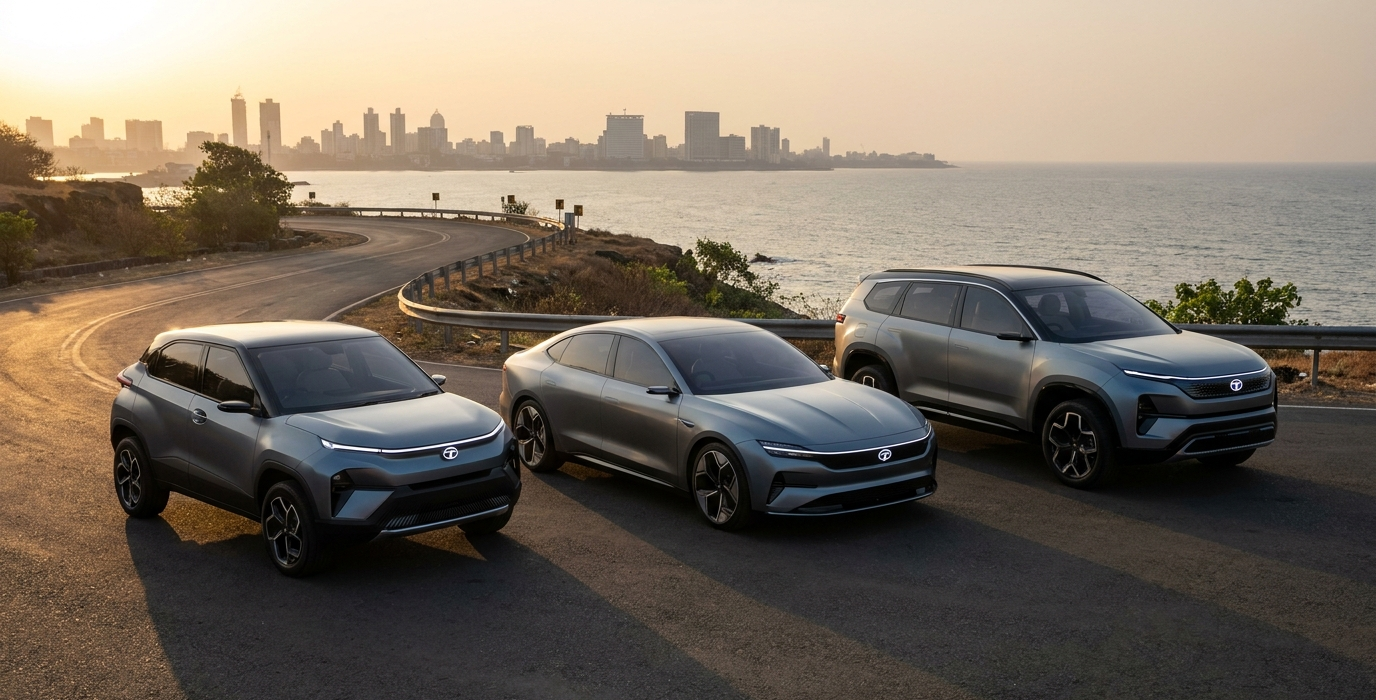
- Tata Motors is set to expand its electric vehicle portfolio in 2026 with a focus on diverse body styles and enhanced battery technology.
- Expect to see the highly anticipated Punch EV and a potential new generation of the Tiago EV with significant range improvements.
- The upcoming Harrier EV and Safari EV will bring luxury and robust SUV capabilities to the electric segment, challenging established players.
- Tata’s commitment extends to improving charging infrastructure and offering more accessible EV options for the Indian market.
The Electric Revolution Gains Momentum: Tata’s 2026 Vision
The Indian automotive landscape is undergoing a seismic shift, with electric vehicles (EVs) no longer a niche segment but the undeniable future. At the forefront of this transformation is Tata Motors, a homegrown giant that has consistently pushed the boundaries of electric mobility in our country. As we look towards 2026, Tata’s EV strategy is not just about launching new models; it’s about a comprehensive vision to democratize electric driving, making it more accessible, practical, and desirable for every Indian household. Their lineup for 2026 promises to address a wider spectrum of needs, from compact urban commuters to feature-rich family SUVs, all powered by increasingly advanced and efficient electric powertrains.
We’re witnessing an acceleration in EV adoption, driven by rising fuel prices, growing environmental consciousness, and crucially, the availability of compelling electric options. Tata has been instrumental in this surge, building on the success of models like the Nexon EV and Tigor EV. Their 2026 offerings are poised to build on this momentum, introducing not just incremental updates but potentially game-changing innovations in battery technology, charging speeds, and vehicle range. This strategic expansion signals Tata’s unwavering commitment to leading India’s transition to sustainable transportation.
Beyond the Hype: What 2026 Holds
Tata’s 2026 EV calendar is shaping up to be their most ambitious yet. The company is strategically targeting key segments of the market, ensuring there’s an electric Tata for almost every need and budget. This approach recognizes that a one-size-fits-all strategy won’t work in a diverse market like India. They are focusing on creating vehicles that are not just electric but also excel in performance, safety, and everyday usability.
We’ve heard whispers and seen intriguing spy shots, but the overarching theme for 2026 is diversity and refinement. Expect to see a broader range of body styles, catering to evolving consumer preferences. Furthermore, significant advancements in battery management systems and energy density are anticipated, directly translating into longer driving ranges and reduced charging times – two crucial factors for widespread EV acceptance. Tata’s dedication to localizing production and sourcing components also plays a vital role in keeping costs competitive, making their electric future a tangible reality for millions.
The Punch EV: Compact Powerhouse Ready to Land
One of the most eagerly awaited additions to Tata’s electric stable is the Punch EV. This sub-compact SUV is expected to bring the robust appeal of the Punch to the electric realm, offering an attractive entry point into the EV market for urban dwellers. The design is anticipated to retain the rugged charm of its petrol counterpart, but with distinct EV styling cues, such as a closed-off grille and aerodynamic enhancements.
Inside, the Punch EV is likely to feature a modern, tech-laden cabin, mirroring the feature-rich interiors of other Tata EVs. We can expect a prominent touchscreen infotainment system, digital driver display, and connected car technology. The real excitement, however, lies under the hood – or rather, under the floor. Tata is rumored to be equipping the Punch EV with their latest generation electric powertrain, potentially offering a significant boost in range compared to earlier compact EVs. This will make it a compelling option for daily commutes and even weekend getaways.
A key differentiator for the Punch EV will be its ability to offer an SUV-like stance and practicality in a compact footprint, making it ideal for navigating crowded Indian city streets. Tata’s expertise in developing safe and durable vehicles will also be a major draw. We anticipate safety features to be a strong suit, aligning with Tata’s reputation for top safety ratings in their existing models. The Punch EV is poised to redefine expectations for what an affordable electric SUV can be.
Surprising Fact: Punch EV’s Potential for V2L
A particularly exciting, though unconfirmed, rumor surrounding the Punch EV is its potential to feature Vehicle-to-Load (V2L) capability. This technology allows the car’s battery to power external devices, such as laptops, small appliances, or even act as a portable power source during a power outage. Imagine powering your music system or charging your phone directly from your car at a picnic in Cubbon Park, Bengaluru, or during a power cut in your home in Kolkata. This would be a significant value-add for a compact EV, offering unparalleled utility and convenience.
Harrier EV and Safari EV: Electrifying the Flagships
Tata’s commitment to electrifying its premium SUV offerings will be fully realized with the launch of the Harrier EV and Safari EV in 2026. These models are expected to showcase the pinnacle of Tata’s electric engineering and luxury, bringing zero-emission powertrains to their most aspirational vehicles. Drawing inspiration from the successful concept versions, these SUVs will likely feature a sophisticated design language, blending aggressive SUV styling with futuristic EV elements.
The interiors will be a sanctuary of comfort and technology, likely boasting larger infotainment screens, premium materials, and advanced driver-assistance systems (ADAS). Tata is known for its spacious cabins, and the Harrier EV and Safari EV will undoubtedly continue this tradition, offering ample room for families and their luggage. The real headline, however, will be the performance and capability of their electric drivetrains.
Expect these flagships to offer dual-motor all-wheel-drive configurations, providing exceptional traction and off-road prowess, a hallmark of the Safari nameplate. Battery technology will be top-tier, focusing on delivering substantial range figures that can alleviate range anxiety for long-distance journeys across India, from the plains of Uttar Pradesh to the hills of Himachal Pradesh. These EVs are not just about being electric; they are about delivering an uncompromised SUV experience with the benefits of electric propulsion.
Advanced Battery Tech and Range Estimates
The Harrier EV and Safari EV are prime candidates to debut Tata’s next-generation battery packs. These are expected to offer higher energy density, leading to improved range. While official figures are yet to be released, industry analysts predict that these models could achieve over 500 kilometers of real-world driving range on a single charge, a figure that would place them among the leaders in the Indian EV market. Furthermore, we anticipate support for ultra-fast charging, allowing significant battery top-ups in under an hour.
The Evolution of the Tiago EV: More Range, More Value
The Tata Tiago EV has already made a significant impact as one of India’s most affordable electric cars. For 2026, we anticipate a substantial evolution of this popular model. While retaining its accessible price point and compact city-car charm, the updated Tiago EV is expected to feature significant upgrades, particularly in its battery technology and motor efficiency. The goal will be to offer a more compelling package that addresses the primary concern for many potential EV buyers: range.
We’re looking at potential improvements that could see the 2026 Tiago EV offer a real-world range exceeding 350 kilometers, a substantial leap from its current offerings. This would make it a much more versatile vehicle, capable of handling longer commutes and occasional highway drives with greater confidence. The powertrain might also see refinements for smoother acceleration and better overall performance.
Inside, expect a refreshed interior design with updated materials and potentially a larger infotainment screen or improved connectivity features. Tata’s focus on safety will continue, with the Tiago EV likely to retain its strong safety credentials. The aim is to offer an even better value proposition, solidifying its position as a leading choice for first-time EV buyers and those seeking an economical and eco-friendly urban runabout in cities like Chennai or Ahmedabad.
Surprising Fact: The Tiago EV’s Regenerative Braking Sophistication
While not new, the sophistication of regenerative braking in the Tiago EV is often underestimated. In 2026, expect this system to be even more advanced. It intelligently captures energy during deceleration and braking, feeding it back into the battery. This not only extends the range but also reduces wear on the conventional brake pads. For instance, navigating the downhill slopes of the Western Ghats would allow for significant energy regeneration, demonstrating its practical application beyond city driving.
Charging Infrastructure and Accessibility: Tata’s Broader Strategy
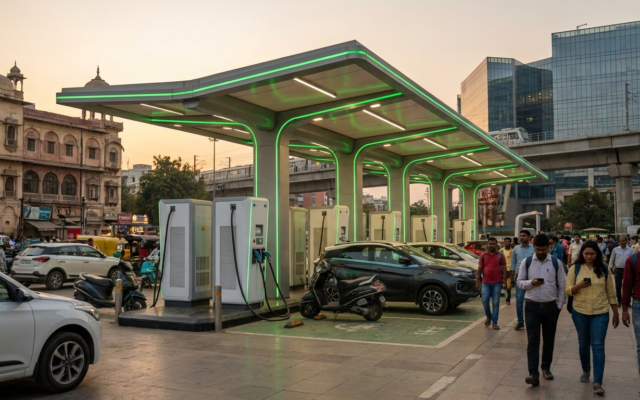
Tata Motors understands that the success of its electric vehicle expansion hinges not only on compelling products but also on a robust and accessible charging ecosystem. For 2026, we expect to see continued investment and collaboration in expanding India’s charging infrastructure. This includes not just public charging stations but also solutions for home and workplace charging.
They are likely to work with energy providers and private players to establish a denser network of fast-charging stations along major highways and within urban centers. This will make long-distance EV travel more feasible and reduce the stress associated with finding a charging point. Furthermore, Tata might introduce new home charging solutions or partnerships that simplify the installation and usage of chargers at residential complexes.
The company’s commitment also extends to making EVs more affordable. Beyond the vehicles themselves, this involves initiatives to reduce the total cost of ownership. This could include exploring battery leasing models or enhanced battery recycling programs, making the transition to electric mobility a more financially attractive prospect for a wider segment of the Indian population. Their vision is to create an ecosystem where owning and operating an electric Tata vehicle is as convenient and cost-effective as, if not more than, its internal combustion engine counterparts.
“Our vision for 2026 is to not just sell electric cars, but to build an electric ecosystem that empowers every Indian to embrace sustainable mobility with confidence and ease.” – Tata Motors Executive, speaking anonymously about future strategy.
Pricing and Affordability: Making EVs Attainable
A critical aspect of Tata’s 2026 EV strategy is ensuring affordability. While premium EVs like the Harrier and Safari will naturally command higher price points, the company remains committed to its mass-market appeal. The anticipated upgrades to models like the Tiago EV and the introduction of the Punch EV are specifically aimed at bringing electric mobility within reach of a larger demographic.
We can expect competitive pricing strategies, leveraging Tata’s manufacturing scale and localization efforts. The goal is to make the upfront cost of an electric Tata comparable to, or only marginally higher than, a similarly sized petrol or diesel vehicle, especially when considering the long-term savings on fuel and maintenance. Government incentives and subsidies will also continue to play a crucial role in making these vehicles even more attractive.
Here’s a look at how potential pricing for some of the anticipated 2026 models might stack up against their current counterparts, offering a glimpse into Tata’s pricing philosophy.
| Model (Projected 2026) | Segment | Estimated Starting Price (INR) | Current Petrol/Diesel Equivalent (Approx. INR) |
|---|---|---|---|
| Tata Tiago EV (Next Gen) | Compact Hatchback | 10,50,000 | 8,00,000 |
| Tata Punch EV | Sub-Compact SUV | 12,50,000 | 9,50,000 |
| Tata Harrier EV | Mid-Size SUV | 25,00,000 | 16,00,000 |
| Tata Safari EV | Full-Size SUV | 27,00,000 | 17,00,000 |
These are projected prices, and actual figures may vary based on final specifications, battery sizes, and market conditions. However, they illustrate Tata’s intent to offer a spectrum of electric vehicles across different price brackets, making the transition to EVs a realistic option for a broader range of Indian consumers.
Frequently Asked Questions
What are the most exciting new Tata electric cars expected in 2026?
The most anticipated new Tata electric cars for 2026 include the Punch EV, which will bring electric power to the sub-compact SUV segment, and the Harrier EV and Safari EV, which will electrify Tata’s flagship SUVs with advanced technology and luxury.
Will Tata Motors offer longer-range electric vehicles in 2026?
Yes, Tata Motors is heavily investing in battery technology to offer significantly improved range in their 2026 EV lineup. Models like the next-generation Tiago EV and the new Harrier/Safari EVs are expected to boast ranges well over 400-500 kilometers, addressing range anxiety.
How will Tata’s 2026 electric cars be different from current models?
Expect advancements in battery technology for better range and faster charging, updated interior and exterior designs with more modern features, and potentially new body styles like the Punch EV. The Harrier EV and Safari EV will also introduce all-wheel-drive capabilities to Tata’s electric SUV range.
What is Tata doing to improve EV charging infrastructure in India?
Tata Motors is actively working to expand the charging network through partnerships and investments. This includes increasing the number of public fast-charging stations along highways and in cities, as well as offering improved home and workplace charging solutions to make EV ownership more convenient.