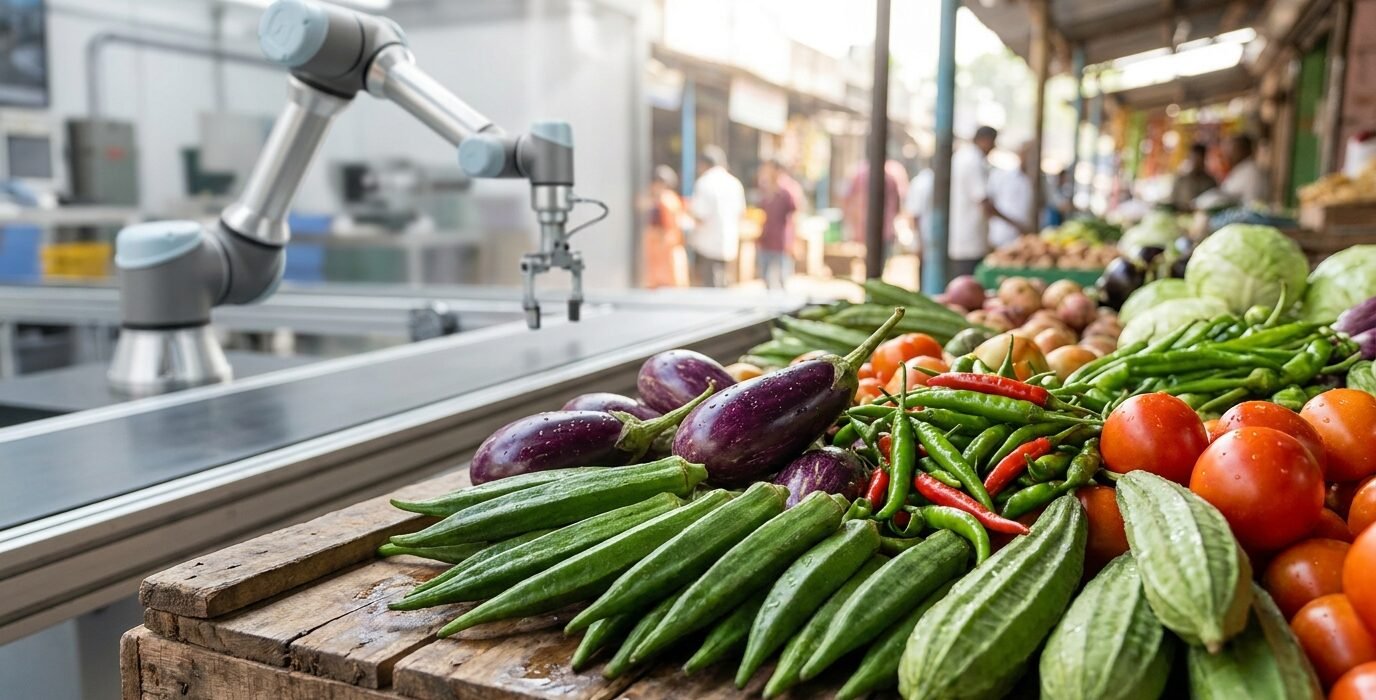
Singapore’s gleaming skyline, a testament to its modernity, is also a hotbed for culinary innovation. But a growing wave of its food tech startups isn’t just looking to feed its own affluent population. They’re setting their sights on a market far vaster and deeply rooted in tradition: India.
Specifically, they’re targeting the country’s enormous, and increasingly sophisticated, vegetarian consumer base. They offer plant-based alternatives that blend global trends with local palates.
The sheer scale of India’s vegetarian population is staggering. Over 30% of Indians identify as vegetarian. That’s hundreds of millions of people. This isn’t a niche market. It’s a cultural bedrock.
For years, this demographic has relied on traditional staples. Paneer, lentils, and a wide array of vegetables prepared with time-honoured techniques. Now, Singaporean companies see an unprecedented opportunity. Armed with cutting-edge technology and a nuanced understanding of what consumers crave, they offer something new. Something exciting. Something that aligns with existing values.
The journey is complex. It’s fraught with cultural intricacies. Meeting deeply ingrained taste preferences is a challenge. Yet, the allure of India’s burgeoning middle class is irresistible. Coupled with growing awareness of health and environmental concerns, it’s a powerful draw.
These startups aren’t just selling products. They’re weaving themselves into the fabric of India’s evolving food landscape. One plant-based morsel at a time.
Key Takeaways:
- Singaporean food tech firms are strategically targeting India’s substantial vegetarian market with innovative plant-based products.
- Companies are adapting global trends in plant-based eating to suit traditional Indian tastes and culinary preferences.
- The focus is on creating authentic-tasting alternatives to popular Indian vegetarian dishes, moving beyond generic meat substitutes.
- Factors like rising health consciousness, environmental concerns, and a growing urban middle class are driving demand in India.
- Singapore’s advanced food technology and investment ecosystem provide a strong launchpad for these ventures into the Indian market.
The Lion City’s Culinary Exodus to the Ganges
Singapore, a nation often described as a culinary crossroads, has developed a remarkable food technology ecosystem. From advanced research labs in Biopolis to bustling hawker centres that are UNESCO Intangible Cultural Heritage, the island city-state fosters an environment where food science meets global demand. Companies like Quorn and Impossible Foods have already made inroads into the Indian market. But Singaporean startups are carving out a distinct niche.
Their focus is on hyper-local adaptation. They aim to replicate the authentic taste and texture of popular Indian vegetarian dishes. This isn’t about simply offering a plant-based burger. It’s about creating a vegetarian butter chicken that diners can’t distinguish from the original. Or a plant-based paneer that melts in the mouth just right.
One such venture, Nosh Bio, based in the trendy district of Joo Chiat, has been quietly developing a portfolio of plant-based Indian staples. Their initial focus has been on replicating the texture and mouthfeel of dairy products. Paneer and khoa are essential ingredients in countless Indian sweets and savouries.
“We spent months in our labs, analysing the molecular structure of traditional paneer,” says Priya Sharma, Nosh Bio’s lead food scientist. She herself hails from Mumbai. “It’s not just about protein sources; it’s about fat composition, water binding, and how it reacts to heat. Our goal is for an Indian grandmother to taste our plant-based paneer and say, ‘This is just like mine.'”
This dedication to authenticity is crucial. India’s vegetarian cuisine is incredibly diverse. Regional variations exist in spices, cooking methods, and ingredient use. A one-size-fits-all approach simply won’t cut it.
Nosh Bio’s strategy involves working with local Indian chefs and food consultants. This ensures their products resonate with specific flavour profiles and culinary traditions of different regions. They are also exploring partnerships with established Indian food manufacturers. This aims to scale production efficiently and navigate complex distribution networks across the subcontinent.
The potential is immense. Imagine a future where your favourite neighbourhood mithai shop offers plant-based versions of their most beloved sweets. Indistinguishable from their dairy counterparts. All thanks to innovations originating from Singapore.
Beyond Paneer: Reimagining Indian Classics
The challenge for Singaporean food tech in India extends far beyond replicating dairy. Many popular Indian dishes, even vegetarian ones, rely on specific textural qualities. Think of ghee (clarified butter), maida (refined wheat flour), and certain vegetables that absorb flavours uniquely.
Companies like GreenSprout Innovations, headquartered near Singapore’s bustling port, are tackling this head-on. Their approach involves a deep dive into the science of flavour encapsulation and texture modification. They are developing plant-based ghee alternatives. These mimic the rich aroma and mouthfeel of the original, crucial for dishes like dal makhani or biryani.
“The sensory experience of Indian food is paramount,” explains Rajeev Kapoor, GreenSprout’s CEO. He’s a serial entrepreneur with a passion for sustainable food systems. “It’s not just taste; it’s the aroma, the chewiness, the way a curry coats your tongue. We’ve invested heavily in understanding how to recreate that using plant-derived ingredients.”
“Our latest breakthrough is a plant-based protein that can mimic the fibrous texture of chicken,” he continues. This allows them to create vegetarian versions of popular street food like chaat or tikka that are genuinely satisfying.
GreenSprout has been conducting extensive taste trials. Cities like Delhi and Bengaluru have been key. They’re gathering feedback from a diverse range of consumers. From young urban professionals to families accustomed to traditional cooking.
Their strategy involves a dual approach. Ready-to-cook meal kits feature their plant-based ingredients for the convenience-seeking demographic. They also offer bulk ingredients for B2B partnerships with restaurants and food service providers.
They are particularly focused on the rising demand for healthier options. They highlight the lower cholesterol and saturated fat content of their products. This contrasts with traditional preparations. The company’s research indicates a growing consumer segment in India. This segment actively seeks to reduce meat and dairy intake for health reasons. Without compromising on flavour or cultural authenticity. This segment is ripe for innovative offerings. GreenSprout is bringing delicious and guilt-free indulgence to the table.
Navigating the Spice Route: Cultural Nuances and Market Entry
Entering the Indian market is never a simple affair. It requires profound understanding. Understanding its diverse cultural landscapes, regional preferences, and deeply ingrained consumer habits. For Singaporean food tech startups, this means more than just translating product labels. It involves a sensitive approach to cultural integration.
Savoury Solutions, a Singapore-based firm with a strong R&D presence in the experimental food hubs of One-North, is adopting a strategy of co-creation and community engagement. They are not just selling products. They are building relationships.
“We learned early on that simply bringing a finished product from Singapore wouldn’t work,” admits Aisha Khan, Savoury Solutions’ Head of Market Development. “We needed to involve Indian consumers from the very beginning. Our R&D process now includes extensive focus groups, culinary workshops, and partnerships with local food influencers and community leaders.” These efforts are concentrated in cities like Chennai and Kolkata.
Savoury Solutions has found that the perception of “processed” or “westernized” food can be a hurdle. To counter this, they emphasize the use of traditional Indian spices and flavour profiles in their plant-based creations. Their recent launch of a line of plant-based kofta (meatball) and samosa fillings has been met with enthusiasm. They use a proprietary blend of pea and soy protein.
The key, Aisha explains, was ensuring the spice profile was authentic. The texture needed to offer the satisfying bite consumers expect. They are also exploring collaborations with local spice merchants and agricultural cooperatives. This is to source key ingredients sustainably. It further embeds them within the Indian supply chain.
This approach not only ensures product relevance but also builds trust and goodwill. These are crucial elements for long-term success. Especially in a market as complex and relationship-driven as India. The company believes that by respecting and integrating local traditions, they can create plant-based alternatives. These feel both modern and deeply familiar to the Indian palate. This fosters a sense of ownership and pride among consumers.
The Unexpected Ally: India’s Growing Health and Environmental Consciousness
While tradition is a powerful force in India, a significant shift is underway. It’s driven by a confluence of rising health consciousness and growing awareness of environmental sustainability. This is where Singaporean food tech finds its most fertile ground. For a long time, vegetarianism in India was primarily a religious or cultural choice.
Now, a new generation is actively seeking out plant-based options. They perceive health benefits – lower cholesterol, reduced risk of heart disease, and cleaner eating. Simultaneously, discussions around climate change and the environmental impact of conventional agriculture are gaining traction. This is particularly true in urban centres.
“We’ve seen a remarkable change in consumer attitudes over the past five years,” notes Dr. Anil Mehta. He’s a prominent nutritionist based in Mumbai. He has been advising several food tech startups. “Younger Indians, especially those who have studied or worked abroad, are more aware of global health trends. They’re looking for convenient, tasty, and healthy alternatives to their traditional diets. Plant-based foods fit the bill perfectly.”
“What’s surprising is how quickly this awareness is spreading beyond the metros,” he adds. “Even in tier-2 cities, demand for healthier food options is growing exponentially.” Singaporean companies, with their advanced research capabilities, are perfectly positioned to meet this demand. They develop nutrient-dense and wholesome plant-based products.
They can offer alternatives that are not only delicious but also fortified with essential vitamins and minerals. This appeals to consumers actively managing their health. Furthermore, the “Made in Singapore” label often carries connotations of quality, safety, and innovation. This can be a significant advantage in the Indian market. The market is often wary of unproven food technologies.
This burgeoning demand for healthier and more sustainable food choices is an unexpected ally. It is for these plant-based pioneers. It creates a powerful narrative that resonates with a growing segment of the Indian population. The focus is shifting from “why vegetarian?” to “how can I make my vegetarian diet even better?”
From Lab Bench to Lunch Plate: Scaling Up and Consumer Adoption
The journey from a Singaporean food lab to an Indian dinner plate is a logistical and technical marvel. Scaling up production of sophisticated plant-based ingredients is a monumental task. Maintaining consistent quality and affordability is key.
FusionFoods Asia, a Singapore-based company with significant investment from venture capitalists in the city-state’s vibrant tech scene, is tackling this challenge head-on. They are investing heavily in state-of-the-art manufacturing facilities in India. Often, this is in partnership with established Indian food processing companies.
“The key to mass adoption is accessibility and affordability,” states Kenji Tanaka, FusionFoods Asia’s Head of Operations. “We can’t expect consumers to pay a premium for plant-based alternatives if they are significantly more expensive than traditional options. Our goal is to achieve price parity, or even better, within the next three to five years.”
This requires optimising production processes. It also demands securing reliable and cost-effective sources of raw materials like peas, lentils, and grains. Streamlining distribution networks is equally important.
FusionFoods Asia is also focusing on consumer education. They are running extensive marketing campaigns. These highlight the benefits of their products – taste, health, and sustainability – in a clear and engaging manner. They understand that overcoming consumer inertia requires demonstrating tangible value.
One of their innovative strategies involves partnering with popular Indian meal delivery platforms. They offer curated plant-based thalis and regional specialties. This allows consumers to try their products conveniently in their own homes. It reduces the perceived risk of trying something new. Their data analytics from these platforms are invaluable. They provide insights into consumer preferences and product performance. This then informs further R&D and product development.
The initial adoption rates are promising. A growing number of urban households are actively seeking out these novel options. This signals a significant shift in eating habits.
A Taste of the Future: Singapore’s Culinary Diplomacy in India
As Singaporean food tech startups increasingly make their mark on India’s culinary landscape, they are, in a sense, engaging in a form of culinary diplomacy. They are introducing new technologies and approaches to food production. Simultaneously, they are demonstrating a deep respect for India’s rich food heritage. This delicate balance is essential for fostering long-term success. It’s also key for building a truly integrated market presence.
The innovation happening in Singapore, from advanced fermentation techniques to novel protein processing, is now finding its way into the kitchens and dining tables of India. The impact goes beyond mere commerce. It sparks conversations about food security, sustainable agriculture, and the future of food. It encourages a cross-pollination of ideas. Indian culinary expertise informs Singaporean innovation, and vice versa.
The success of these ventures could pave the way for greater collaboration between the two nations in the agri-food sector. This could lead to shared advancements in technology, research, and sustainable practices. This isn’t just about business. It’s about shaping a more resilient and conscious food future for millions.
The warmth and vibrancy of Indian food culture, combined with Singapore’s technological prowess, is creating a unique and exciting culinary dialogue. It’s a future where tradition and innovation dance together. It offers a delicious glimpse of what’s possible when diverse strengths converge. The journey is far from over. But the initial steps taken by these Singaporean pioneers suggest a future. A future where the lines between cultures blur on the plate. Creating a shared culinary experience that is both familiar and wonderfully new.
***
#