Key Takeaways
- Discover tiffin-friendly breakfast recipes that are quick to prepare, often taking under 30 minutes.
- Learn to incorporate nutrient-dense ingredients like millets, sprouts, and seasonal vegetables for a healthy start.
- Explore regional Indian breakfast staples that travel well and remain delicious even when cold.
- Get practical tips for packing your tiffin to maintain freshness and temperature.
The Dawn of the Tiffin Breakfast: Fueling Your Day with Speed and Health
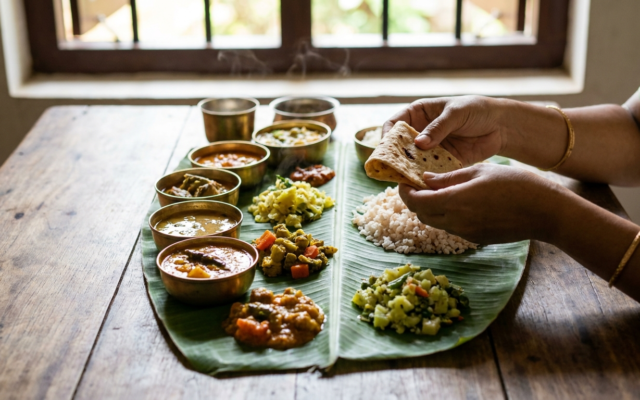
The morning rush in India is a symphony of hurried footsteps, the aroma of chai, and the ever-present question: “What’s for breakfast?” For many, the answer involves a tiffin box, a portable meal container that has been a cornerstone of Indian cuisine for generations. This year, in 2026, we’re seeing an exciting evolution. The traditional tiffin breakfast is getting a modern makeover, blending age-old wisdom with contemporary demands for speed and health. We’re moving beyond just leftovers; we’re talking about intentional, delicious, and power-packed breakfasts designed to be enjoyed on the go, at your desk, or during your commute.
Gone are the days when breakfast was an afterthought or a quick bite of something processed. Busy professionals in Mumbai, students in Delhi, and homemakers in Chennai are all seeking options that offer sustained energy without compromising on taste or nutritional value. The goal is simple: a satisfying meal that kickstarts your metabolism, keeps you focused through your morning meetings, and avoids that mid-morning slump. This requires recipes that are not only quick to assemble but also hold up well throughout the day, retaining their texture and flavour.
The beauty of the Indian tiffin breakfast lies in its adaptability. It’s a canvas for creativity, allowing us to incorporate seasonal produce, ancient grains, and protein-rich ingredients. We’re talking about vibrant colours, diverse textures, and a spectrum of flavours that tantalize the taste buds. Whether you’re a culinary novice or a seasoned cook, these ideas are designed to fit seamlessly into your busy schedule. We’ll explore options that can be prepped the night before, assembled in minutes, or cooked in one pot, proving that a healthy and delicious breakfast is achievable for everyone.
Millet Magic: Ancient Grains for Modern Mornings
Millets, often referred to as “nutri-cereals,” are making a triumphant return to our plates, and for good reason. These ancient grains – including ragi (finger millet), jowar (sorghum), bajra (pearl millet), and foxtail millet – are incredibly nutritious, packed with fiber, protein, and essential minerals. They are also naturally gluten-free, making them a fantastic option for those with dietary restrictions. Their low glycemic index means they release energy slowly, keeping you feeling full and satisfied for longer, a crucial advantage for a tiffin breakfast.
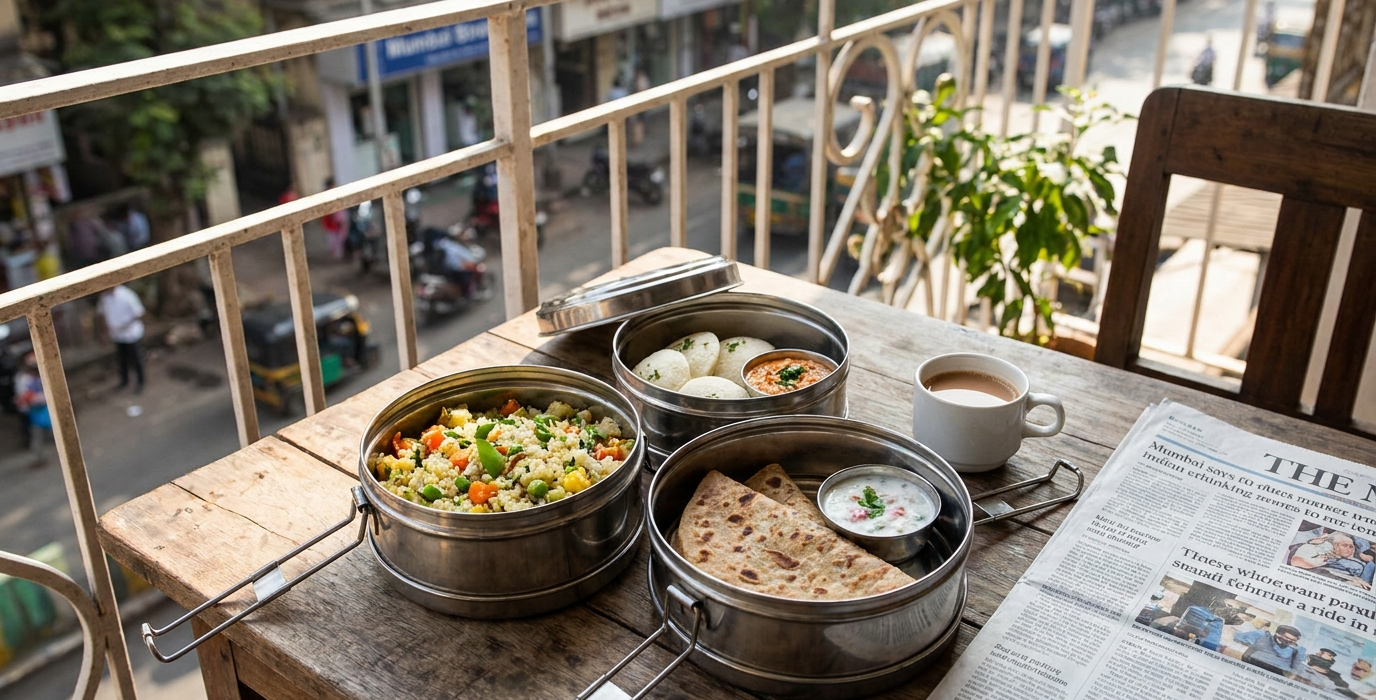
Consider a Ragi Porridge, a staple in South India, now reimagined for the tiffin. You can prepare a thick batter the night before, mix it with water or milk in the morning, and cook it for just a few minutes. For added flavour and nutrition, stir in some chopped nuts, a drizzle of honey or jaggery, and perhaps some cardamom powder. This can be enjoyed warm or at room temperature. Another excellent option is Millet Upma, a savoury dish that is both filling and flavorful. Using foxtail millet or proso millet can offer a delightful texture, and you can load it with finely chopped vegetables like carrots, peas, and beans for a nutritional boost.
Bajra, with its earthy flavour, can be transformed into delicious Bajra Muthia, steamed dumplings that are light yet satisfying. These can be prepared in advance and lightly pan-fried in the morning with a tadka of mustard seeds, curry leaves, and a pinch of asafoetida. Jowar can be used to make simple, wholesome rotis or bhakris, which pair wonderfully with a spicy chutney or a dollop of yogurt. The versatility of millets means you can create a different breakfast experience every day of the week, all while reaping their significant health benefits. The Indian Institute of Millets Research (IIMR) actively promotes the cultivation and consumption of these grains, highlighting their importance in a balanced diet. Learn more about the benefits of millets from the IIMR.
The South Indian Powerhouse: Idli, Dosa, and Beyond
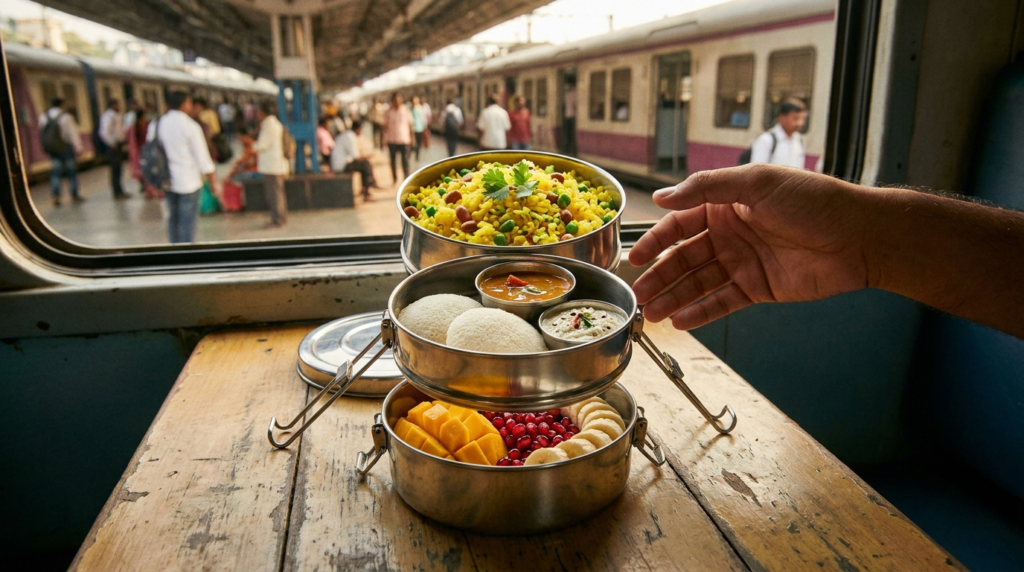
South Indian breakfasts are renowned for their deliciousness and, surprisingly, their tiffin-friendliness. Idli, the fluffy steamed rice and lentil cakes, are a quintessential breakfast item that travels exceptionally well. They are naturally fermented, which aids digestion, and are light on the stomach. You can make a large batch of idli batter over the weekend and steam idlis as needed. The trick for tiffin is to ensure they are not too moist, which can make them soggy. Serve them with a variety of chutneys like coconut, tomato, or mint – pack these in separate small containers to prevent the idlis from becoming saturated.
Dosa, the thin, crispy rice and lentil crepe, is another favourite. While traditionally enjoyed hot off the griddle, thinner, crispier dosas can be made to hold their texture reasonably well. Consider preparing a few mini dosas or uttapams (thicker pancakes with toppings) that are easier to handle. A popular and practical option is to make ‘rava dosa’ or ‘adai’ (a mixed lentil crepe) which are often less prone to sogginess. These can be enjoyed at room temperature with a side of sambar, which can be carried in a thermos to keep it warm, or with a spicy podi (powdered spice mix).
Beyond these classics, consider Pesarattu, a crepe made from whole green moong dal. It’s packed with protein and fibre, making it a highly nutritious and filling option. It has a slightly chewier texture than a rice dosa and is delicious served with ginger chutney. Uttapam, a thicker, pancake-like version of dosa, allows for the incorporation of finely chopped vegetables like onions, tomatoes, and capsicum, adding colour and nutrients to your breakfast. These dishes are a testament to how traditional recipes can offer a perfect blend of taste, health, and portability.
One-Pot Wonders: Minimising Fuss, Maximising Flavour
In our fast-paced lives, the appeal of a one-pot meal is undeniable. For breakfast, this translates to minimal washing up and maximum flavour. These recipes are designed to be cooked and packed from the same vessel, saving precious time and effort. Think of a hearty Khichdi, a comforting lentil and rice porridge that can be enriched with vegetables and spices. A savoury ‘Masala Khichdi’ made with basmati rice, moong dal, and a medley of vegetables like carrots, peas, and cauliflower, seasoned with turmeric, cumin, and coriander, makes for a complete and balanced meal.
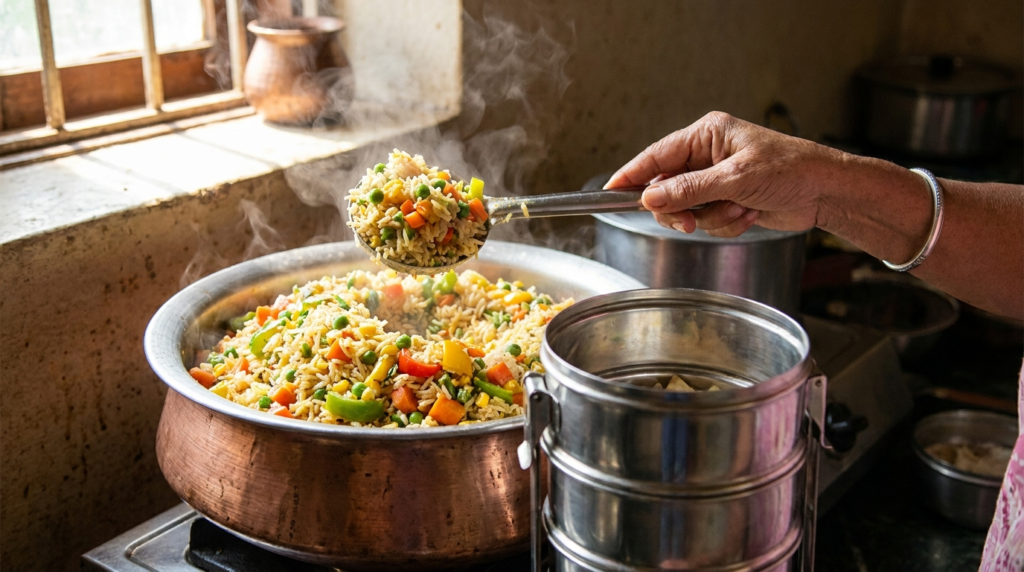
Another excellent one-pot option is Vegetable Pulao or Biryani, adapted for breakfast. Instead of heavy spices, opt for a lighter flavour profile. Sauté onions, ginger, and garlic, add your favourite vegetables like potatoes, beans, and bell peppers, then add rice and water, cook until tender. A sprinkle of fresh coriander leaves at the end adds a burst of freshness. This can be enjoyed at room temperature and is incredibly satisfying. For a lighter yet filling option, consider a ‘Suji Upma’ or ‘Rava Upma’. This semolina-based dish can be quickly cooked with water and tempered with mustard seeds, curry leaves, and green chillies, and loaded with finely chopped vegetables.
The key to successful one-pot breakfast tiffins is to ensure the ingredients are cooked through but not mushy, and that the flavours are well-balanced. These dishes are forgiving and can be easily adapted to your personal taste and the vegetables available. They offer a wholesome and comforting start to your day, proving that you don’t need multiple pans and a lot of time to create something truly delicious and nourishing. This approach aligns perfectly with the growing demand for simple, healthy, and convenient meal solutions.
The Power of Sprouts and Legumes: Protein-Packed Mornings
For those looking to boost their protein intake and add significant fibre to their diet, incorporating sprouts and legumes into their breakfast tiffin is a game-changer. These are nutritional powerhouses, rich in vitamins, minerals, and easily digestible proteins. They are also incredibly versatile and can be enjoyed raw, lightly cooked, or incorporated into various dishes. The fermentation process in sprouting also enhances their nutrient availability, making them even more beneficial.
A simple yet incredibly nutritious option is a Sprouted Moong Salad. Soaked and sprouted moong beans can be tossed with finely chopped onions, tomatoes, cucumber, and a squeeze of lemon juice. For an Indian twist, add a pinch of chaat masala and finely chopped coriander. This is a no-cook option that is packed with flavour and goodness. You can also create a sprouted lentil pulao, similar to a vegetable pulao but with the added protein and texture of sprouted lentils. This adds a delightful chewiness and significantly boosts the nutritional profile.
Another fantastic choice is a Chana Masala (chickpea curry) made with a lighter gravy, or a simple boiled chana salad. Chickpeas are a great source of plant-based protein and fibre, keeping you full and energized. You can also prepare ‘Besan Chilla’ (gram flour pancakes), which are protein-rich and can be made quickly. Add grated vegetables to the batter for extra nutrition. These legume-based meals are not only excellent for sustained energy release but also contribute to better digestive health. A surprising fact is that sprouting legumes can increase their vitamin C content significantly, especially in pulses like moong and moth beans.
Smart Packing for Freshness: Keeping Your Tiffin Delicious All Day
The best breakfast recipe is only as good as its presentation and freshness when you finally get to eat it. Packing your tiffin box strategically is crucial to ensure your meal remains appealing, whether it’s a few hours or half a day old. The primary goal is to prevent sogginess, maintain temperature, and keep flavours distinct. Invest in good quality tiffin boxes with leak-proof compartments. Stainless steel boxes are traditional and durable, while modern BPA-free plastic options often offer better insulation and segmentation.
For items like idlis, dosas, or parathas, pack them in a way that allows air circulation. Avoid packing them tightly against wet chutneys or curries. Use small, separate, leak-proof containers for chutneys, pickles, or sambar. If you are carrying something that needs to be kept warm, like sambar or a hot khichdi, consider using an insulated tiffin carrier or a thermos flask. For salads and sprouts, ensure they are well-drained before packing. Adding a small ice pack to your tiffin bag can also help keep perishable items like yogurt or chutneys cool during warmer months.
Consider the textures you are packing. For instance, if you are packing a crisp dosa, keep any dips or accompaniments separate until you are ready to eat. If you’re packing a poha or upma, ensure it’s not overly moist from the cooking process. A sprinkle of roasted peanuts or sev just before packing can add a delightful crunch that will still be present by lunchtime. Finally, a small portion of fresh fruit or a handful of nuts can be a refreshing addition to your tiffin, providing a natural energy boost. The Indian Standards for food containers provide guidelines for safe materials and design. You can explore standards related to food packaging, although specific Indian standards for tiffin boxes are often covered under broader food contact material regulations.
Frequently Asked Questions
What is the quickest tiffin breakfast I can make?
For absolute speed, consider a Sprouted Moong Salad. Simply combine sprouted moong beans with finely chopped cucumber, tomato, onion, and a squeeze of lemon juice and chaat masala. It requires no cooking and is ready in under 5 minutes.
Can I prepare tiffin breakfasts the night before?
Yes, many tiffin breakfasts are ideal for night-before preparation. Idli and dosa batters can be made ahead. Porridge bases, upma mixes (dry ingredients), and even cooked millet dishes like millet upma or ragi porridge can be prepared and refrigerated, then quickly reheated or eaten at room temperature.
Are there any sweet tiffin breakfast options?
Absolutely! A lightly sweetened Ragi Porridge with jaggery and cardamom, or a small portion of homemade Millet Ladoo made with dates and nuts, can be excellent sweet options. Fruit salads with a sprinkle of seeds also make for a refreshing sweet start.
How do I prevent my tiffin breakfast from becoming soggy?
The key is separation and careful packing. Pack wet ingredients like chutneys or curries in separate, leak-proof containers. Avoid overcooking grains like rice or millets, which can absorb too much moisture. For items like dosas, ensure they are cooked until crisp and packed in a way that allows air to circulate.