Key Takeaways
- Explore Delhi’s vibrant street food landscape in 2026, focusing on iconic dishes that define the city’s culinary soul.
- Discover hidden gems and established favourites across key areas like Chandni Chowk, Connaught Place, and Hauz Khas.
- Understand the cultural significance and evolution of Delhi’s street food, from traditional preparations to modern adaptations.
- Get practical tips for navigating the bustling markets, ensuring a safe and delicious street food adventure.
The Ever-Evolving Canvas: Delhi’s Street Food Tapestry in 2026
Delhi’s street food isn’t just about sustenance; it’s a living, breathing chronicle of the city’s history, culture, and an ever-present hum of life. In 2026, this vibrant tapestry continues to evolve, weaving together age-old traditions with contemporary twists. We’re talking about an explosion of flavours that can transport you across generations with a single bite. From the chaotic charm of Chandni Chowk to the trendy pockets of Hauz Khas, the city’s streets offer an edible adventure like no other.
As you navigate these bustling lanes, you’ll encounter vendors who have perfected their craft over decades, their recipes passed down through families. They are the custodians of Delhi’s culinary heritage. But this scene is far from static. You’ll also find innovative young chefs and entrepreneurs infusing global trends into local favourites, creating new taste sensations. This dynamic interplay ensures that Delhi’s street food remains exciting, relevant, and utterly irresistible for locals and visitors alike.
Our journey through Delhi’s street food in 2026 will highlight the iconic dishes that you simply cannot miss. We’ll delve into the stories behind these culinary stars, explore the best places to find them, and offer insights into what makes them so special. Prepare your taste buds for an unforgettable exploration of India’s capital, one delicious morsel at a time. This is more than just a food guide; it’s an invitation to experience the heart and soul of Delhi.
Chandni Chowk: The Grandfather of Delhi Street Eats
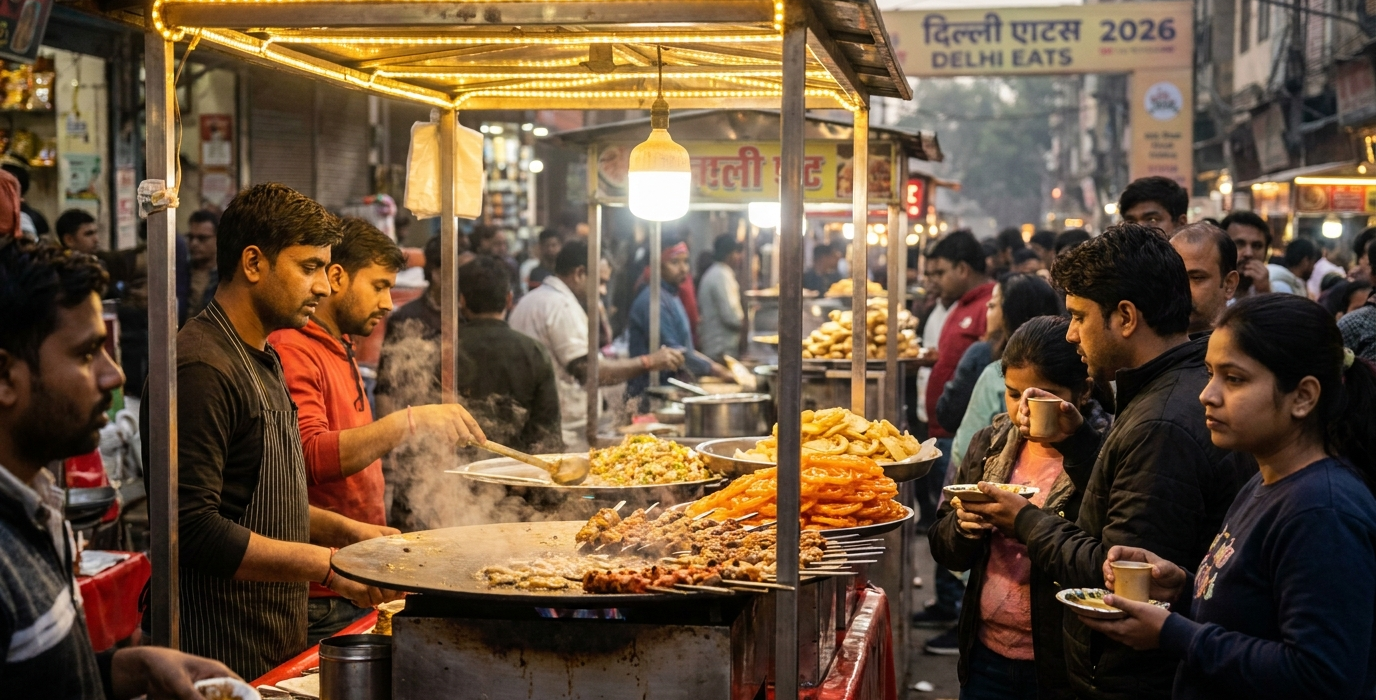
No exploration of Delhi’s street food is complete without a deep dive into Chandni Chowk. This historic marketplace, a labyrinth of narrow lanes, is a sensory overload in the most delightful way. In 2026, its legendary status remains unshaken, drawing crowds eager to sample its legendary offerings. The air is thick with the aroma of spices, sizzling curries, and sweet treats, a symphony that beckons you deeper into its embrace.
Here, the classics reign supreme. Start your culinary pilgrimage with the iconic parathas at Paranthe Wali Gali. These aren’t your everyday flatbreads; they are deep-fried, stuffed with an array of fillings from paneer to mixed vegetables, and served with chutneys and pickles. The sheer variety and the crispy, flavourful results are a testament to generations of skill. It’s a hearty start that fuels further exploration.
Then there’s the quintessential chaat. From the tangy explosion of golgappe (or pani puri) to the comforting medley of textures and flavours in aloo tikki chaat and papri chaat, Chandni Chowk offers a masterclass in this beloved Indian snack category. The vendors here have an uncanny ability to balance sweet, sour, spicy, and savoury notes to perfection. Don’t forget to try the chole bhature, a robust dish of spicy chickpeas served with fluffy, deep-fried bread, a true Delhi staple that will leave you feeling thoroughly satisfied.
Connaught Place: Modern Vibes, Classic Tastes
Connaught Place (CP), with its distinctive colonial architecture and bustling modern energy, offers a different flavour profile in Delhi’s street food scene. While Chandni Chowk leans heavily into tradition, CP presents a blend of established favourites and more accessible, often cleaner, street food experiences. It’s a place where office-goers grab a quick bite and tourists seek out popular, well-regarded stalls.
For a quick and satisfying meal, you’ll find numerous vendors serving excellent momos. These steamed or fried dumplings, typically filled with vegetables or chicken, are a popular north-eastern import that has found a permanent home in Delhi. Served with spicy red chutney and a clear broth, they are a light yet flavourful option. Look for stalls that have a steady stream of customers; that’s usually a good indicator of quality.
Another must-try in CP is the variety of rolls. From succulent chicken tikka rolls to vegetarian paneer tikka versions, these are essentially grilled kebabs or paneer wrapped in a paratha or roti with onions and chutneys. They are flavour-packed, portable, and perfect for a meal on the go. Many stalls also offer fusion rolls, incorporating ingredients like schezwan sauce or mayonnaise, catering to diverse palates.
CP also excels in offering a wide range of refreshing beverages. Beyond the ubiquitous chai, you’ll find vendors selling fresh fruit juices, milkshakes, and the ever-popular lassi, a thick, yogurt-based drink that can be sweet or salted. On a hot Delhi day in 2026, a chilled lassi is pure bliss. It’s a refreshing counterpoint to the richer, spicier street food options.
Hauz Khas Village: Trendy Bites and Global Influences
Hauz Khas Village, renowned for its bohemian vibe, art galleries, and historic fort, has also carved out a niche for itself in Delhi’s street food landscape, particularly for those seeking something a little different. Here, street food vendors often cater to a younger, more international crowd, resulting in a fusion of Indian flavours with global culinary trends.
You’ll find vendors here offering creative takes on classic street food. Think fusion momos with fillings like cheese or tandoori chicken, or artisanal chaats with unexpected ingredients like avocado or pomegranate seeds. These are places where culinary experimentation is encouraged, leading to unique taste experiences. The setting, with its charming lanes and stunning views of the Hauz Khas lake, adds to the overall appeal.
Beyond the innovative, there are also stalls serving more traditional fare, but often with a focus on presentation and quality ingredients. For instance, you might find a vendor offering exceptionally well-made pav bhaji, the mashed vegetable curry served with buttered buns, or perhaps a stall specialising in diverse regional Indian snacks that are less commonly found in other parts of the city. The emphasis is often on a curated experience.
One surprising trend we’ve observed in 2026 in areas like Hauz Khas is the rise of dedicated kathi roll stalls that focus on artisanal fillings and high-quality flatbreads. These aren’t just quick bites; they are crafted meals, often featuring marinated meats or paneer cooked to perfection, complemented by fresh, zesty sauces and crisp vegetables. It’s a testament to how even humble street food can be elevated.
Beyond the Usual Suspects: Uncovering Hidden Gems
While Chandni Chowk, CP, and Hauz Khas get much of the limelight, Delhi’s street food scene is vast and full of hidden gems waiting to be discovered. Venturing into lesser-known neighbourhoods can reward you with authentic flavours and a more intimate street food experience. These are the places where local communities flock, offering a glimpse into the everyday culinary life of Delhi.
In areas like Karol Bagh, you can find legendary stalls serving incredible chole bhature that rival those in the more famous locales. The difference here is often the lack of pretension; it’s just pure, unadulterated flavour born from years of dedication. Similarly, exploring markets like Lajpat Nagar or Sarojini Nagar, known for their shopping, will also reveal excellent street food options, often catering to the shoppers’ needs for quick, delicious, and affordable meals.
A truly delightful discovery for us in 2026 has been the proliferation of excellent kebabs in areas like Jama Masjid. While not strictly a street food in the sense of being eaten from a cart, the small eateries and street-side vendors here serve some of the most succulent and flavourful seekh kebabs and shami kebabs. The smoky aroma and tender texture are simply divine, best enjoyed with a dollop of mint chutney and a slice of onion.
Don’t shy away from exploring the smaller lanes and by-lanes. Often, the best finds are tucked away, known only to locals. Keep an eye out for vendors with long queues of neighbourhood residents; this is a universal sign of quality and authenticity. These unexpected encounters are often the most rewarding part of a culinary adventure in Delhi.
Navigating the Streets: Tips for a Delicious and Safe Experience
Embarking on a Delhi street food adventure is an exhilarating experience, but it’s wise to approach it with a little preparation to ensure it’s as enjoyable and safe as possible. In 2026, hygiene standards have seen an improvement in many popular spots, but it’s still crucial to be mindful. Your health and enjoyment are paramount, so here are some practical tips to guide you.
Choose wisely: Look for vendors who appear clean, use fresh ingredients, and have a high turnover of customers. A busy stall usually means the food is fresh. Avoid stalls where food has been sitting out for a long time, especially in the heat. Observe how the vendors handle money and food; ideally, they should use tongs or separate hands for each.
Hydration is key: Delhi can be hot and humid. Always carry a reusable water bottle and refill it with safe drinking water. Avoid ice in drinks unless you are sure it’s made from purified water. Freshly squeezed juices and packaged beverages are generally safer options. A refreshing glass of nimbu pani (lemonade) or coconut water can be a lifesaver.
Start slow and build up: If you’re new to Delhi street food, don’t overindulge on your first day. Start with cooked items and gradually introduce yourself to more complex dishes. Listen to your body and don’t be afraid to politely decline if something doesn’t look or smell right. Consider carrying some basic digestive aids just in case.
“The true magic of Delhi’s street food lies not just in the spices and flavours, but in the stories of the vendors, the vibrant chaos of the markets, and the sheer joy of sharing a meal with thousands of others on a bustling city street.”
A Surprising Fact and a Culinary Revelation
Did you know that what many consider a quintessential Delhi street food, the golgappa, has regional variations that are astonishingly different? While the north Indian version is typically filled with spiced water, potato, and chickpeas, travel south to parts of Bihar, and you’ll find ‘Phuchka’, which is often served with a spicier, more tangy water, sometimes incorporating tamarind and black salt, and the filling can include mashed potatoes, chickpeas, and even boiled sprouts. The texture of the puri itself can also differ, being crispier in some regions and softer in others. This diversity within a single dish highlights the vast culinary landscape of India.
Another revelation for us in 2026 has been the increasing popularity and sophistication of Indian street food tours. These curated experiences are no longer just for tourists; locals are increasingly joining them to discover new areas or to learn more about the history and preparation of their favourite dishes. Guides often have deep connections with vendors, offering insights and access that would be impossible to get on your own. These tours provide a structured yet immersive way to explore the city’s culinary heart, often including tastings of items you might otherwise overlook.
This growing appreciation for the nuances of street food culture signifies a maturing of the urban palate. It’s no longer just about finding the cheapest or fastest meal; it’s about the experience, the authenticity, and the stories woven into each dish. As Delhi continues to grow and evolve in 2026 and beyond, its street food scene will undoubtedly remain at the forefront, a delicious reflection of its enduring spirit.
Frequently Asked Questions
What is the best time to visit Delhi for street food?
The best times to visit Delhi for street food are generally during the cooler months from October to March. The weather is pleasant, making it comfortable to walk around and enjoy the outdoor food stalls. Summer months (April to June) can be extremely hot, and the monsoon season (July to September) can make navigating the streets damp and challenging, though some dishes like pakoras are perfect for rainy days.
Is Delhi street food safe to eat?
Delhi street food can be safe if you exercise caution and make smart choices. Prioritise busy stalls with good hygiene practices, opt for freshly cooked food, and ensure your water is bottled or purified. Many popular vendors in well-known areas maintain high standards. If you have a sensitive stomach, start with cooked items and gradually introduce yourself to other dishes.
What are the most iconic street food dishes in Delhi?
The most iconic Delhi street food dishes include golgappe (pani puri), aloo tikki chaat, papri chaat, chole bhature, parathas, kebabs, and momos. Each offers a unique taste and texture experience that defines the city’s culinary identity. Don’t forget to try the refreshing lassi as well.
How can I find authentic street food vendors in Delhi?
Look for vendors with long queues of locals; this is a strong indicator of authenticity and quality. Explore popular food hubs like Chandni Chowk, but don’t hesitate to venture into neighbourhood markets or ask locals for their personal recommendations. Street food tours can also be a great way to discover trusted vendors.