Key Takeaways
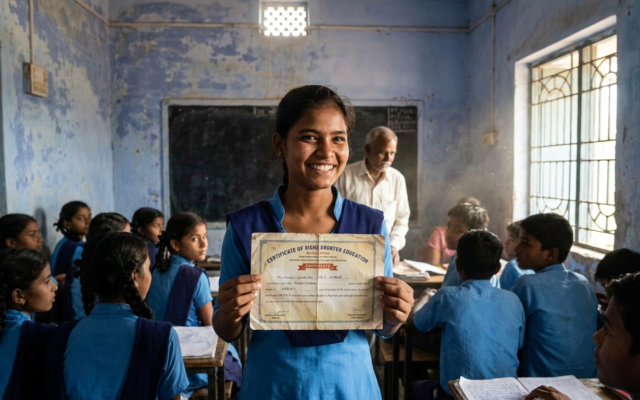
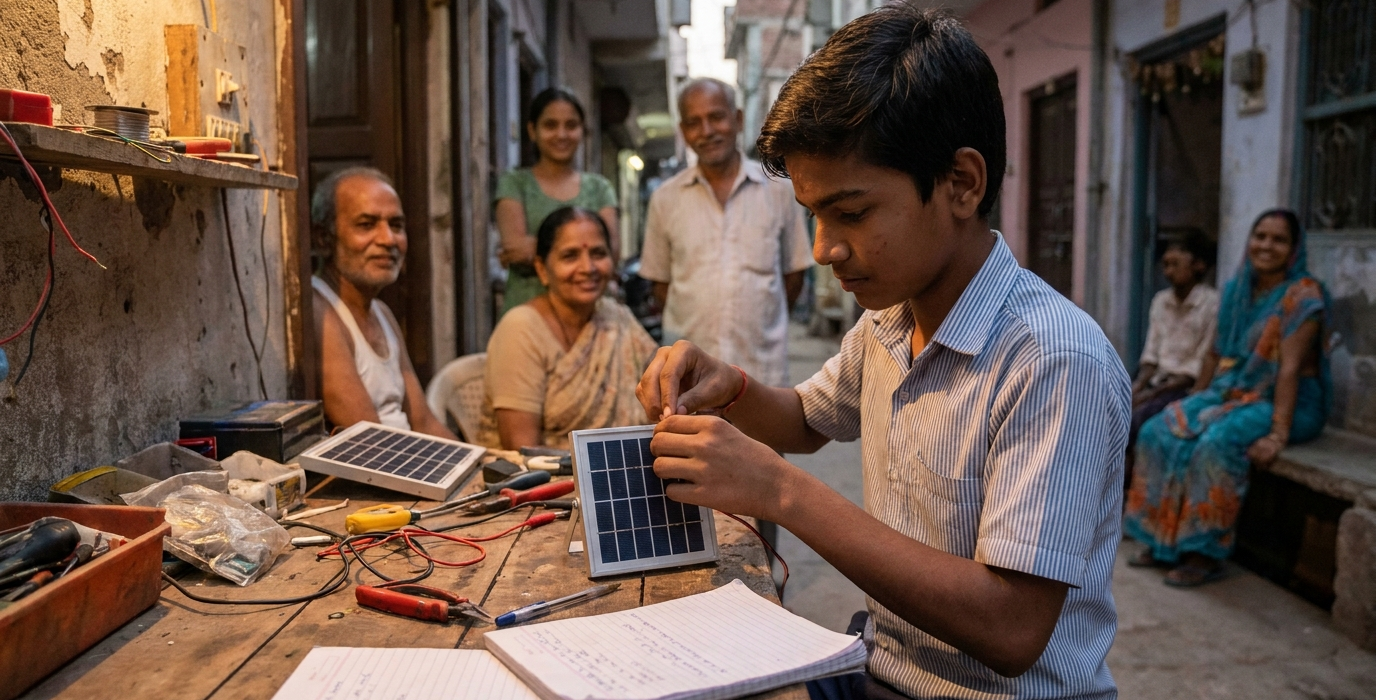
- Discover the inspiring journey of Anya Sharma, a young innovator from Delhi who transformed a humble idea into a thriving social enterprise.
- Learn how Anya leveraged readily available technology and community resources to address local challenges in education and healthcare.
- Understand the critical role of mentorship and resilience in overcoming the hurdles faced by young entrepreneurs in India.
- Gain insights into the practical steps Anya took, from initial prototyping to securing seed funding, offering actionable advice for aspiring innovators.
From Humble Beginnings: Anya Sharma’s Spark of Innovation
In the bustling lanes of Old Delhi, amidst the aroma of spices and the symphony of street life, a remarkable journey of innovation began. Anya Sharma, a bright young student with an unshakeable belief in the power of accessible technology, dreamt of making a tangible difference in her community. Her story is a testament to how a simple idea, nurtured with dedication and resourcefulness, can blossom into a force for positive change. Anya’s early life was marked by a keen observation of the everyday struggles faced by those around her. She saw firsthand the challenges students encountered in accessing quality educational materials and the difficulties families faced in obtaining timely health information.
This observation wasn’t just passive; it ignited a fire within her. Anya wasn’t content with simply acknowledging problems; she was driven to find solutions. Her initial inspiration came from observing the widespread use of basic mobile phones, even in areas with limited internet connectivity. She wondered if this ubiquitous technology could be harnessed for greater good. This thought process, rooted in practicality and a deep understanding of her environment, would form the bedrock of her future endeavors. It’s a story that resonates deeply, showcasing the potential that lies within every Indian household.
The Genesis of ‘Gyan Vani’: Bridging the Digital Divide
Anya’s first significant project, which would eventually evolve into her flagship social enterprise, was codenamed ‘Gyan Vani’—meaning ‘Voice of Knowledge’. The core idea was to create an offline, interactive educational platform accessible via basic mobile phones. She envisioned a system that could deliver lessons, quizzes, and even basic health advisories without requiring constant internet access. This was a bold ambition, especially for a student navigating the complexities of technology development.
She started by experimenting with SMS-based learning modules. By leveraging the Short Message Service (SMS) technology, which is accessible on virtually all mobile phones, Anya developed a system that could send out educational content in bite-sized chunks. Students could respond with simple codes to access different subjects or take quizzes. This approach bypassed the need for expensive smartphones or data plans, making it incredibly inclusive. The pilot program, conducted in a few local schools in Delhi, yielded encouraging results, with attendance and engagement levels showing a marked improvement. The initial success of Gyan Vani validated Anya’s vision and her belief in the power of low-cost, high-impact solutions.
Harnessing SMS for Learning
The technical challenge lay in creating a dynamic system that could respond to user input without overwhelming the network or requiring advanced infrastructure. Anya, with the help of a few like-minded friends and mentors, developed a backend system that processed SMS queries and sent back pre-programmed responses. This allowed for interactive learning, where students could ask questions and receive instant feedback. It was a rudimentary form of chatbot technology, adapted for a mass-market mobile environment. The system was designed to be easily updated with new content, ensuring its relevance and expanding its reach over time.
From Pilot to Enterprise: Scaling ‘Gyan Vani’
The positive feedback from the pilot program spurred Anya to think bigger. She realized that ‘Gyan Vani’ had the potential to reach far beyond the schools of Delhi. The next crucial step was to transform this student project into a sustainable social enterprise. This involved not only refining the technology but also developing a viable business model that could ensure its long-term operation and expansion. Securing initial funding was a significant hurdle, as investors are often hesitant to back unproven concepts, especially those driven by young entrepreneurs.
Anya actively sought out mentorship from experienced professionals in the social impact sector. She attended workshops and pitch events, honing her presentation skills and learning how to articulate the value proposition of ‘Gyan Vani’ effectively. Her persistence paid off when she secured a small seed grant from a local philanthropic foundation. This funding allowed her to expand the development team, improve the user interface, and conduct larger-scale trials in more remote areas of Uttar Pradesh. The lessons learned during this scaling phase were invaluable, teaching her about operational efficiency, stakeholder management, and the importance of a robust support system.
The Power of Mentorship
Crucial to Anya’s success was the guidance she received from Professor Alok Desai, a retired engineer and educator at Delhi University. Professor Desai, impressed by Anya’s vision and tenacity, provided not only technical advice but also invaluable strategic guidance. He helped her navigate the complexities of intellectual property, advised on building a strong team, and connected her with potential investors and partners. His belief in her project acted as a powerful motivator during challenging times. You can find resources on mentorship programs for young entrepreneurs at Startup India, a government initiative aimed at fostering innovation.
Addressing Healthcare Needs: ‘Arogya Mitra’
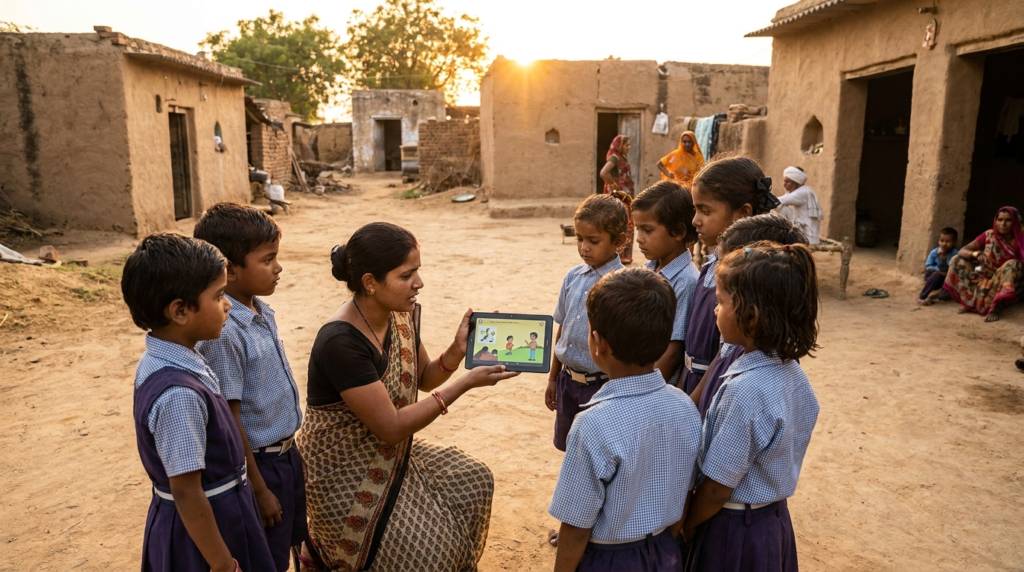
Building on the success of ‘Gyan Vani’, Anya identified another critical area where accessible technology could make a difference: basic healthcare information and preventive care. Many communities, particularly in rural and semi-urban areas, lacked access to timely medical advice, leading to delayed diagnoses and preventable health issues. Anya envisioned a similar SMS-based platform, this time focused on providing health tips, appointment reminders for vaccinations, and information on common ailments and their management. This initiative was christened ‘Arogya Mitra’—meaning ‘Health Friend’.
The development of ‘Arogya Mitra’ involved collaborating with local healthcare professionals and public health organizations. Anya and her team worked to curate accurate, easy-to-understand health information, translated into multiple regional languages. The platform allowed users to receive weekly health newsletters, set reminders for taking medication, and even ask basic queries that were routed to a panel of volunteer doctors for response. This significantly improved health literacy and encouraged proactive health-seeking behaviors within communities. The focus was on empowering individuals with knowledge, enabling them to take better care of themselves and their families.
Content Curation and Accuracy
Ensuring the accuracy and reliability of the health information provided was paramount. Anya established a rigorous content review process, working closely with medical professionals from institutions like the All India Institute of Medical Sciences (AIIMS). This collaboration ensured that the information disseminated was evidence-based and aligned with public health guidelines. The platform also included disclaimers advising users to consult with qualified healthcare providers for any specific medical concerns, reinforcing the role of ‘Arogya Mitra’ as a supplementary information resource rather than a replacement for professional medical care.
Challenges and Resilience: The Entrepreneurial Path
Anya’s journey has been far from a smooth ascent. Like many young entrepreneurs in India, she has faced numerous challenges. Securing consistent funding remains a perpetual struggle, with the social impact sector often operating on tight budgets. Navigating regulatory hurdles and bureaucratic processes, especially when expanding across different states, has also tested her patience and resourcefulness. Moreover, building and retaining a dedicated team, motivating them through lean periods, and managing growth requires exceptional leadership skills.
One of the most significant personal challenges Anya overcame was the initial skepticism she faced from older, more established figures in the business and tech world. Her youth and unconventional approach sometimes led to her ideas being dismissed. However, Anya’s unwavering belief in her mission and her ability to demonstrate tangible results gradually won over her critics. She learned to embrace feedback, adapt her strategies, and remain resilient in the face of setbacks. This resilience is a hallmark of successful innovators, enabling them to bounce back stronger after every obstacle. The importance of a strong financial foundation for any venture cannot be overstated, and for updates on financial regulations and support, one can refer to the Reserve Bank of India.
“It’s not about having the biggest budget or the most advanced technology. It’s about understanding the real needs of people and using the tools you have creatively and compassionately to meet those needs.” – Anya Sharma
Looking Ahead: Anya’s Vision for the Future
Today, ‘Gyan Vani’ and ‘Arogya Mitra’ have impacted the lives of thousands across India. Anya Sharma, now a recognized figure in the social entrepreneurship landscape, continues to push the boundaries of accessible technology. Her vision extends beyond her current projects; she is exploring how AI and machine learning can further enhance the personalized learning and healthcare advisory services offered by her platforms, while still ensuring affordability and accessibility.
She is also passionate about inspiring the next generation of young innovators. Anya frequently conducts workshops and speaks at schools and universities, sharing her experiences and encouraging students to identify problems in their own communities and to believe in their ability to create solutions. Her work serves as a powerful reminder that innovation can emerge from anywhere, and that with passion, perseverance, and a focus on genuine impact, young individuals can indeed shape a brighter future for India and beyond. The spirit of innovation is alive and well, driven by young minds like Anya’s.
Frequently Asked Questions
What is ‘Gyan Vani’?
‘Gyan Vani’ is a social enterprise founded by Anya Sharma that provides accessible, offline educational content primarily through SMS-based technology. It aims to bridge the digital divide in education by delivering lessons and quizzes to students via basic mobile phones, requiring no internet access.
How does ‘Arogya Mitra’ help communities?
‘Arogya Mitra’ is a health information platform that delivers accessible, easy-to-understand health tips, appointment reminders, and information on common ailments via SMS. It focuses on improving health literacy and encouraging preventive healthcare behaviors, especially in underserved areas.
What were some of Anya Sharma’s biggest challenges?
Anya faced challenges such as securing consistent funding, navigating regulatory complexities, overcoming initial skepticism from established figures due to her youth, and the continuous effort required to build and retain a dedicated team. Resilience and adaptability were key to her success.
Where can young Indian entrepreneurs find support?
Young Indian entrepreneurs can find support through various government initiatives like Startup India, which offers resources, mentorship, and funding opportunities. Additionally, numerous incubators, accelerators, and philanthropic foundations support social enterprises.
What is the future vision for Anya Sharma’s projects?
Anya Sharma plans to further enhance her platforms by exploring the integration of AI and machine learning for more personalized services, while maintaining affordability and accessibility. She is also committed to inspiring and mentoring the next generation of young innovators.