Key Takeaways
- India’s sustainable fashion sector is booming, driven by consumer demand for ethical and eco-friendly choices.
- Several pioneering Indian brands are leading the charge, from using organic cotton and recycled materials to reviving traditional crafts.
- The movement extends beyond clothing, encompassing accessories, footwear, and a holistic approach to production.
- Consumers can actively participate by supporting these brands and making informed purchasing decisions.
The Greening of Indian Wardrobes: A Style Revolution
The whispers of change in the Indian fashion landscape have grown into a chorus. Today, we’re witnessing a profound shift, where style is increasingly intertwined with sustainability. Gone are the days when eco-conscious fashion meant compromising on aesthetics or accessibility. India, with its rich textile heritage and a burgeoning awareness among its consumers, is fast becoming a global hub for ethical and sustainable fashion.
This isn’t just a fleeting trend; it’s a movement fueled by a generation that demands transparency, fairness, and environmental responsibility from the brands they patronise. From the bustling metropolises of Mumbai and Delhi to the artisanal villages of Rajasthan and Gujarat, a new wave of designers and brands are redefining what it means to be fashionable in 2026. They are not just creating beautiful garments; they are weaving stories of hope, tradition, and a commitment to a healthier planet.
We’ll explore some of the most exciting players in this space, showcasing how they are innovating, preserving heritage, and making ethical fashion not just a choice, but a desirable statement. Get ready to discover brands that align your values with your style, proving that you can look good, feel good, and do good, all at once.
Pioneers in Organic Fibres and Circularity
At the forefront of India’s sustainable fashion revolution are brands committed to using natural, organic, and recycled fibres. These designers understand that the journey of a garment begins long before it reaches your wardrobe, with the cultivation of raw materials. They are actively choosing organic cotton, which eschews harmful pesticides and reduces water consumption, over conventional alternatives. Many are also exploring innovative uses of materials like hemp and linen, known for their low environmental impact and durability.
Beyond organic fibres, the concept of circularity is gaining significant traction. This involves designing garments with their end-of-life in mind, promoting repair, reuse, and recycling. You’ll find brands that offer take-back programs for old garments, turning them into new textiles or upcycled products. Some are even experimenting with biodegradable dyes derived from natural sources, further minimizing their ecological footprint. This holistic approach ensures that the entire lifecycle of a product is considered, moving away from the linear “take-make-dispose” model that has long dominated the industry.
One such inspiring initiative can be found in the cooperative movement, where small communities of weavers and artisans are reviving traditional techniques while adhering to modern ethical standards. These groups often work with organic cotton handspun by local women, ensuring fair wages and preserving age-old crafts. Their dedication to both environmental stewardship and social welfare makes them invaluable contributors to the sustainable fashion ecosystem. We are seeing a beautiful synergy between ancient wisdom and contemporary design, creating pieces that are not only unique but also deeply meaningful.
Reviving Heritage Crafts with a Modern Touch
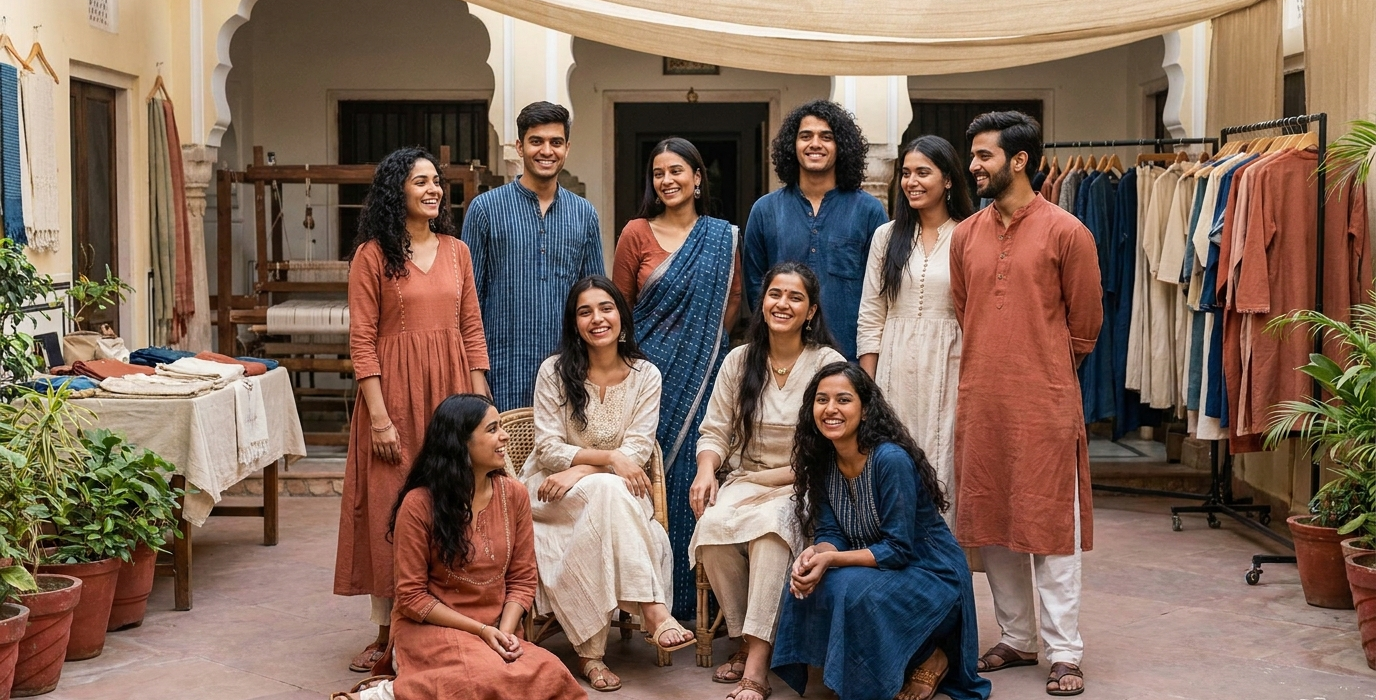
India’s unparalleled legacy of handloom weaving, embroidery, and natural dyeing is a treasure trove for sustainable fashion. Today, a new generation of designers is breathing fresh life into these age-old crafts, ensuring their survival and relevance for the 21st century. They are collaborating directly with artisan communities, offering them fair compensation and empowering them to maintain their cultural heritage while earning a dignified livelihood.
Consider the intricate art of Ajrakh printing from Gujarat, a resist-dyeing technique passed down through generations. Brands are working with Ajrakh artisans to create contemporary designs on organic cotton and silk, transforming traditional motifs into modern silhouettes. Similarly, the vibrant weaves of the Northeast, like Muga silk from Assam or the handwoven cottons of Manipur, are being reimagined into chic dresses, tunics, and accessories. These collaborations are not just about preserving crafts; they are about creating a dignified future for the artisans who are the custodians of these skills.
The use of natural dyes, derived from plants, roots, and minerals, is another area where heritage is being celebrated. These dyes not only offer a softer, more nuanced colour palette but also avoid the toxic chemicals often associated with synthetic dyeing processes. The subtle variations in colour that occur with natural dyes add a unique character to each garment, making it a truly one-of-a-kind piece. We are witnessing a conscious effort to move away from mass-produced uniformity towards the beauty of imperfection and artisanal mastery. This revival is crucial for cultural preservation and provides a sustainable alternative to fast fashion’s environmental toll.
The Rise of Conscious Consumers and Transparent Brands
The seismic shift towards sustainable fashion in India is largely being driven by a more informed and ethically-minded consumer base. Today’s shoppers, especially the younger demographic, are no longer content with simply buying clothes; they want to know the story behind them. They are asking critical questions about where materials are sourced, how garments are made, and the social and environmental impact of their purchases. This demand for transparency is pushing brands to be more accountable and to openly share their production processes.
Brands that embrace this transparency are thriving. They are sharing details about their supply chains, highlighting the artisans they work with, and providing information on the eco-friendly materials they use. This openness builds trust and fosters a deeper connection between the consumer and the brand. Social media platforms have played a significant role in amplifying this movement, allowing brands to communicate their values directly and consumers to share their discoveries and opinions.
We are seeing a growing number of “slow fashion” advocates who champion quality over quantity, investing in well-made, timeless pieces rather than chasing fleeting trends. This mindful approach to consumption is fundamental to the sustainability ethos. It encourages us to buy less, choose well, and make our garments last. The growing emphasis on certifications, such as GOTS (Global Organic Textile Standard) for organic fibres and Fair Trade, further empowers consumers to make informed choices, ensuring that their fashion choices contribute positively to the world.
Beyond Apparel: Sustainable Footwear and Accessories
The sustainable fashion movement in India is not confined to clothing alone; it’s a holistic approach that extends to footwear and accessories. Designers are proving that ethical choices can be stylish and durable across the entire spectrum of personal adornment. This expansion is crucial, as footwear and accessories often have a significant environmental footprint due to their material composition and manufacturing processes.
In footwear, we’re seeing a surge in brands utilizing recycled rubber, cork, and organic cotton for soles and uppers. Innovative materials like Pinatex, derived from pineapple leaf fibres, are being explored for their leather-like qualities and biodegradability. Traditional Indian crafts like jute weaving and natural leather tanning are also being integrated into contemporary shoe designs, offering a unique blend of heritage and modern aesthetics. These alternatives provide a much-needed respite from the often-harmful chemicals and unsustainable practices associated with conventional footwear production.
The accessory market is equally vibrant. From handcrafted jewellery made from recycled metals and ethically sourced stones to bags and wallets crafted from upcycled textiles and natural fibres like bamboo and jute, the options are diverse and exciting. Artisanal techniques such as block printing on fabric for scarves and tote bags, or intricate beadwork using natural materials, are being showcased by brands committed to both style and sustainability. These accessories often tell a story of the region they originate from, connecting the wearer to a rich cultural tapestry. It’s heartening to see that even the smallest of items can be a testament to conscious consumption and artisanal excellence.
Brands to Watch in 2026: Shaping Tomorrow’s Style
As we look ahead to 2026 and beyond, several Indian brands are poised to lead the charge in sustainable fashion. These are the innovators, the storytellers, and the artisans who are not just making clothes but crafting a better future. They represent the diverse landscape of ethical fashion in India, from urban designers to rural cooperatives.
No Nasties is a Bangalore-based brand that champions 100% organic cotton and fair trade practices. They are transparent about their entire supply chain, ensuring that every garment is made with respect for people and the planet. Their simple yet elegant designs have garnered a loyal following. Another brand making waves is Doodh Dhaaga, which works with rural women artisans in Rajasthan, reviving traditional embroidery techniques and using natural dyes. They create beautiful, contemporary pieces that empower these women and preserve cultural heritage.
In the footwear and accessories space, Paaduks is a remarkable example. Based in Goa, they create stylish footwear from recycled and upcycled materials, including old tyres and cork. They are committed to a zero-waste philosophy and have made significant strides in making sustainable footwear accessible and fashionable. For those seeking elegant home textiles and apparel, The Loom Art partners with artisan clusters across India, promoting handloom weaving and natural dyeing, creating exquisite pieces with a story. These brands, among many others, are not just participants but architects of India’s sustainable fashion future, proving that ethical choices can be both beautiful and impactful.
“The most sustainable garment is the one already in your wardrobe. But when you do need to buy, choose pieces that are made with intention, respect for the makers, and love for the planet.”
Frequently Asked Questions
Where can I find sustainable Indian fashion brands online?
You can find a growing number of sustainable Indian fashion brands online through their own dedicated websites. Many also list their collections on curated marketplaces focused on ethical and sustainable products, both within India and internationally. Exploring platforms that highlight eco-friendly and artisan-made goods is a great starting point.
Are sustainable fashion brands in India affordable?
While the initial investment in sustainable fashion might sometimes be higher than fast fashion due to ethical sourcing, fair wages, and quality materials, prices are becoming more accessible as the sector grows. Many brands are working towards making their products available at various price points. It’s often about investing in fewer, higher-quality pieces that last longer.
What does ‘organic cotton’ mean in Indian fashion?
In Indian fashion, ‘organic cotton’ signifies cotton grown without the use of synthetic pesticides, herbicides, or genetically modified seeds. It emphasizes farming practices that promote soil health, biodiversity, and reduced water usage compared to conventional cotton cultivation. Brands using organic cotton are committed to a healthier environment and safer working conditions for farmers.
How can I ensure a brand is genuinely sustainable?
Look for transparency from brands regarding their supply chain, materials, and labour practices. Certifications like GOTS (Global Organic Textile Standard), Fair Trade, and OEKO-TEX can be strong indicators. Researching a brand’s commitment to ethical practices, their use of eco-friendly dyes, and their efforts towards waste reduction will also help you make informed decisions.