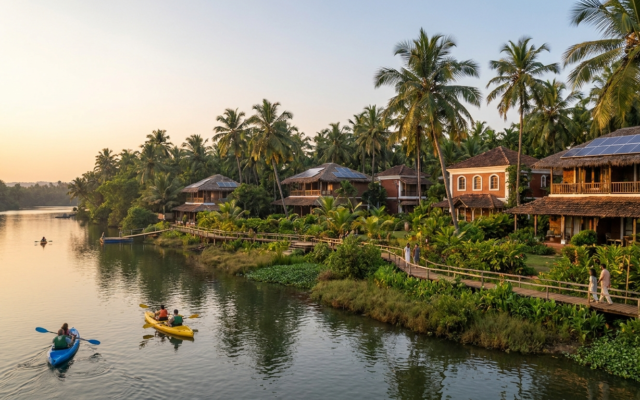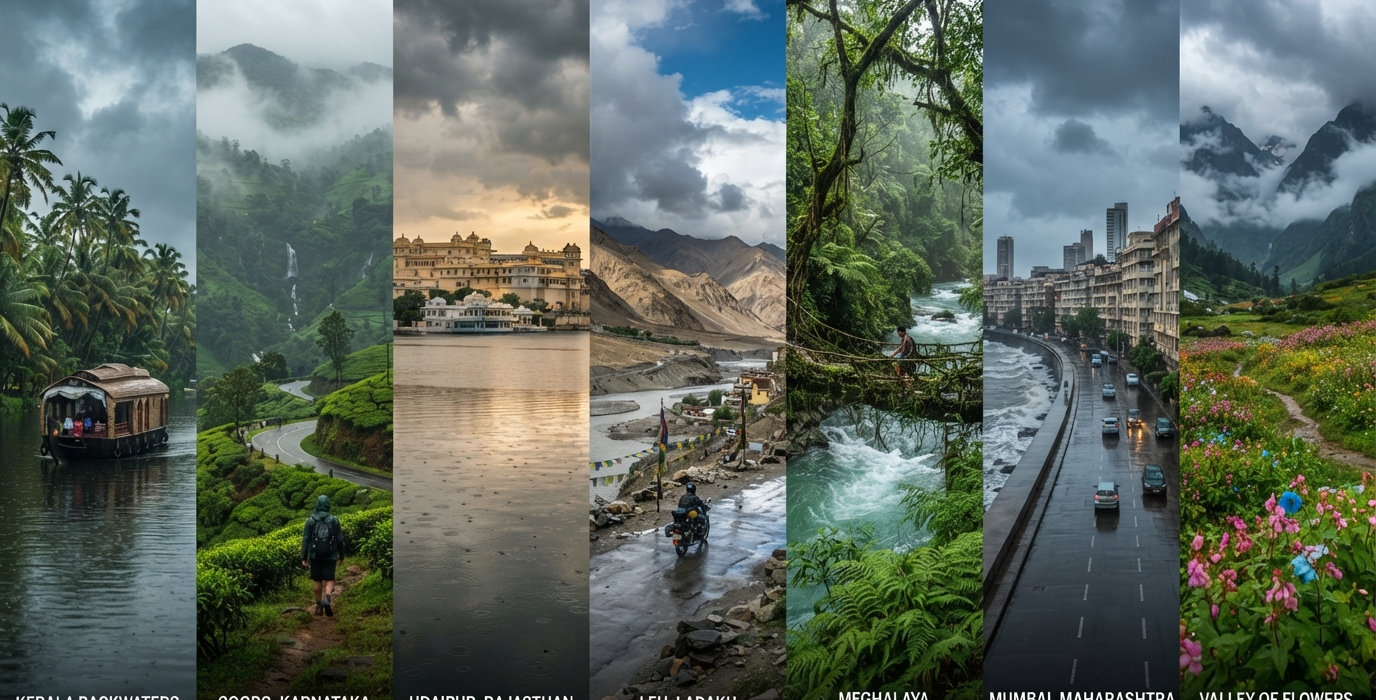
The monsoon is finally loosening its grip across the subcontinent, leaving behind lush, emerald-green landscapes that make September 2026 the perfect time to rediscover India. Whether you are chasing the last of the seasonal waterfalls or seeking the crisp, cool air of the high Himalayas, these seven destinations offer a unique window into the country’s post-rain beauty.
Key Takeaways
- September 2026 marks the tail-end of the monsoon, ideal for visiting regions like Coorg and Zanskar without the peak-season tourist crowds.
- Hydration and insect protection remain essential as humidity lingers in coastal regions like Kerala and Goa.
- Booking travel at least 30 days in advance is highly recommended as domestic tourism demand spikes during the September festive lead-up.
- Always verify local road conditions with the National Highways Authority of India, especially when traveling through hilly terrain.
Munnar: The Verdant Carpet of Kerala
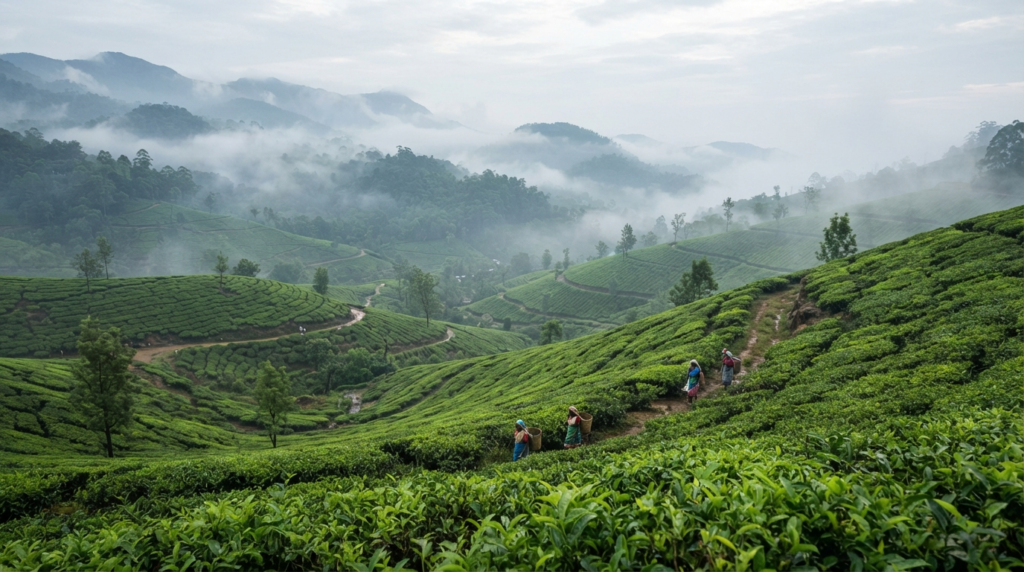
Munnar in September is a sensory feast, where the tea gardens of Idukki district look like they have been freshly polished by the monsoon rains. The rolling hills of the Western Ghats are draped in thick, low-hanging mist, and the waterfalls, such as the Attukad Falls, are at their most ferocious and photogenic. You will find that the air is remarkably cool, often hovering between 18 and 22 degrees Celsius, providing a welcome escape from the heat of the plains.
If you are a nature enthusiast, this is the prime time to explore the Eravikulam National Park. While parts of the park may close for breeding seasons, the accessible areas offer sightings of the endangered Nilgiri Tahr against a backdrop of wildflowers that bloom specifically after the heavy rains. According to the Kerala Tourism Department, this post-monsoon window is also the most sustainable time to visit, as the local flora undergoes a massive rejuvenation cycle.
Be prepared for intermittent showers, which are a hallmark of the season here. Pack high-quality waterproof gear and sturdy, grip-heavy walking shoes, as the trails through the tea estates can become quite slippery. The best way to enjoy Munnar right now is to stay in a boutique plantation bungalow, where you can watch the clouds roll into your balcony while sipping locally grown Nilgiri tea.
Coorg: Scotland of India in Full Bloom
Kodagu, popularly known as Coorg, transforms into a wild, untamed paradise during late September. The coffee plantations are lush, and the Cauvery River, which originates at Talakaveri, is flowing at its majestic best. Unlike the peak summer rush, September offers a quiet solitude, allowing you to hike through the Dubare Elephant Camp or explore the Abbey Falls without the usual long queues.
A surprising fact about this region is that Coorg produces nearly 30% of India’s total coffee output, and September is the time when the coffee berries begin to mature and turn deep red. You can engage in guided plantation walks to witness the intricate farming process. The local cuisine, particularly the spicy Pandi Curry, pairs perfectly with the chilly, misty evenings that define the Coorg monsoon transition.
When planning your itinerary, prioritize visiting the Golden Temple at Bylakuppe. The tranquil Tibetan monastery provides a stark, spiritual contrast to the rugged outdoor adventures available in the surrounding hills. Remember that many homestays offer specialized monsoon packages that include guided treks through the Western Ghats, which are essential if you want to avoid getting lost in the dense, overgrown forest paths.
Ladakh: The High-Altitude Adventure
While much of India is wet, the rain-shadow region of Ladakh remains a dry, crisp sanctuary. September 2026 is arguably the best month to visit Leh and the surrounding valleys because the heavy monsoon clouds simply do not cross the Great Himalayan Range. You get clear, brilliant blue skies that are perfect for photography and high-altitude trekking to places like the Zanskar Valley.
The nights start getting significantly colder as October approaches, so ensure you have high-quality thermal layers. The Ladakh Tourism portal emphasizes that acclimatization is non-negotiable for travelers arriving by air; spend at least the first 48 hours in Leh doing absolutely nothing strenuous. This allows your body to adjust to the thin oxygen levels at 3,500 meters above sea level.
One surprising fact is that despite its arid appearance, Ladakh is home to the Hemis National Park, which holds one of the highest densities of snow leopards in the world. While you are unlikely to spot them in September, the trek itself through the rugged, moon-like landscapes is an otherworldly experience. The roads from Manali to Leh are generally open and stable this month, making it a favorite for road-trip enthusiasts.
Udaipur: The City of Lakes at Its Peak
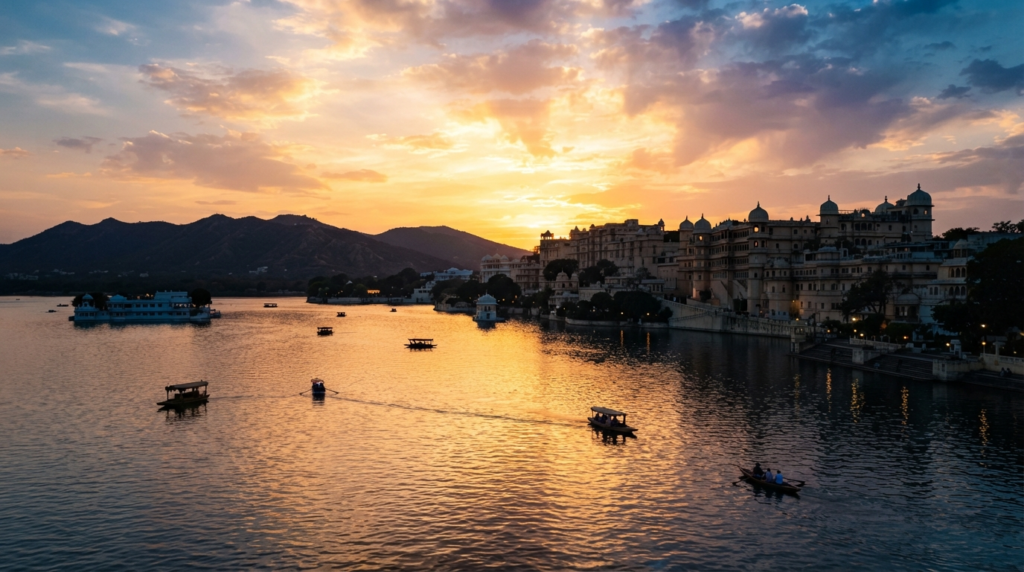
Udaipur is often associated with harsh, dry heat, but in September, the city’s famous lakes—Pichola, Fateh Sagar, and Udai Sagar—are brimming with water. The Aravalli hills surrounding the city turn a vibrant green, creating a picturesque setting that justifies Udaipur’s reputation as the most romantic city in India. The heat is tempered by occasional breezes, making evening boat rides on Lake Pichola truly magical.
Visiting the City Palace during this time offers a unique advantage: the crowds are thin, allowing you to appreciate the intricate mirror work and ivory carvings without being jostled by tourists. You can spend your afternoons in the Saheliyon-ki-Bari gardens, where the fountains are fully operational and the flora is in full bloom. It is a photographer’s dream to capture the reflection of the white palaces in the high-water levels of the lakes.
Make sure to sample the seasonal Ghevar, a traditional Rajasthani sweet that is particularly popular during the post-monsoon festivities. If you have an extra day, drive to the Kumbhalgarh Fort. The drive through the green, hilly terrain of the Kumbhalgarh Wildlife Sanctuary is breathtaking and feels nothing like the desert landscape people often associate with Rajasthan.
Comparing September Getaways
| Destination | Primary Activity | Best For | Weather |
|---|---|---|---|
| Munnar | Tea Plantation Tours | Nature Lovers | Cool, Misty |
| Coorg | Trekking/Coffee Tours | Adventure Seekers | Humid, Pleasant |
| Ladakh | High-Altitude Treks | Photographers | Cold, Dry |
| Udaipur | Cultural Sightseeing | History Buffs | Mild, Breezy |
| Shillong | Waterfall Exploration | Offbeat Travelers | Very Wet |
Shillong: The Abode of Clouds
If you do not mind a bit of rain, Shillong in Meghalaya is arguably at its most beautiful in September. This is the time when the waterfalls, including the famous Nohkalikai Falls, are at their absolute peak volume, creating a thunderous roar that can be heard from kilometers away. The Khasi Hills are covered in a thick blanket of moss, giving the landscape a prehistoric, ethereal quality.
Meghalaya is home to some of the most unique living root bridges, which are essentially natural structures grown by the local tribal communities. Trekking to the Double Decker Root Bridge in Cherrapunji is a bucket-list activity, though it requires a high level of physical fitness and patience with the slippery terrain. The local administration at the Meghalaya Tourism portal provides updated safety guidelines for trekkers during the monsoon.
A surprising fact about this region is that Mawsynram, located just a few hours from Shillong, holds the world record for the highest annual rainfall on Earth. Because of this, the local architecture and lifestyle have evolved to handle moisture, resulting in some of the most innovative bamboo-based construction techniques you will ever see. Remember that public transport can be irregular during heavy downpours, so renting a private vehicle with an experienced local driver is highly recommended.
Hampi: Ruins Amidst the Emerald Foliage
Hampi, a UNESCO World Heritage site, is typically a sun-baked landscape of boulders and ancient ruins. In September, however, the Tungabhadra River swells, and the surrounding paddy fields turn a brilliant, neon green that contrasts beautifully with the ochre-colored stones of the Vijayanagara Empire. The heat is much more manageable than in the summer months, allowing you to walk through the Virupaksha Temple complex comfortably.
The Coracle rides on the river are a must-do, providing a unique perspective of the ruins from the water. As you float past the boulders, you will see the ancient temples looking almost as if they are floating on a sea of green. Because the monsoon is ending, the dust that usually plagues the site is settled, leading to much cleaner air and clearer skies for those interested in architectural photography.
Ensure you check the Archaeological Survey of India website for any temporary site closures due to water levels or conservation work. While the main temples remain open year-round, the riverside paths can sometimes be restricted if the Tungabhadra river reaches flood levels. Staying on the “hippie island” side of the river offers a more relaxed, bohemian experience, perfect for those who want to spend their evenings watching the sunset over the boulder-strewn landscape.
The true magic of traveling through India in September lies not in the monuments themselves, but in the transition of the landscape; it is the moment when the land exhales after the monsoon and prepares for the winter harvest.
Frequently Asked Questions
Is it safe to travel to the mountains in India during September?
Yes, it is generally safe, provided you monitor weather alerts and avoid areas with high landslide risks. Always stick to the main national highways and check the status of mountain passes, particularly in the Himalayas, before heading out.
What kind of clothing should I pack for a September trip?
Layering is your best friend. For the south and coastal regions, carry light, breathable cottons and a high-quality raincoat. For the Himalayas or high-altitude regions like Ladakh, you must pack thermal base layers and a windproof jacket, as temperatures drop rapidly once the sun sets.
Which Indian destinations are best for avoiding the rain?
If you want to avoid the rain entirely, head to the rain-shadow regions. Ladakh is your best bet, as it remains dry while the rest of the country is ending its monsoon cycle. Parts of interior Rajasthan, such as Udaipur and Jodhpur, also see significantly less rain compared to the coastal and forest regions.
Do I need to book my travel and accommodation well in advance?
Absolutely. September is a bridge month between the monsoon and the onset of the peak winter tourist season. As travel demand picks up, especially around weekends and mid-month holidays, popular hotels and flights often sell out quickly. Booking 30 to 45 days in advance is the professional recommendation.