Key Takeaways
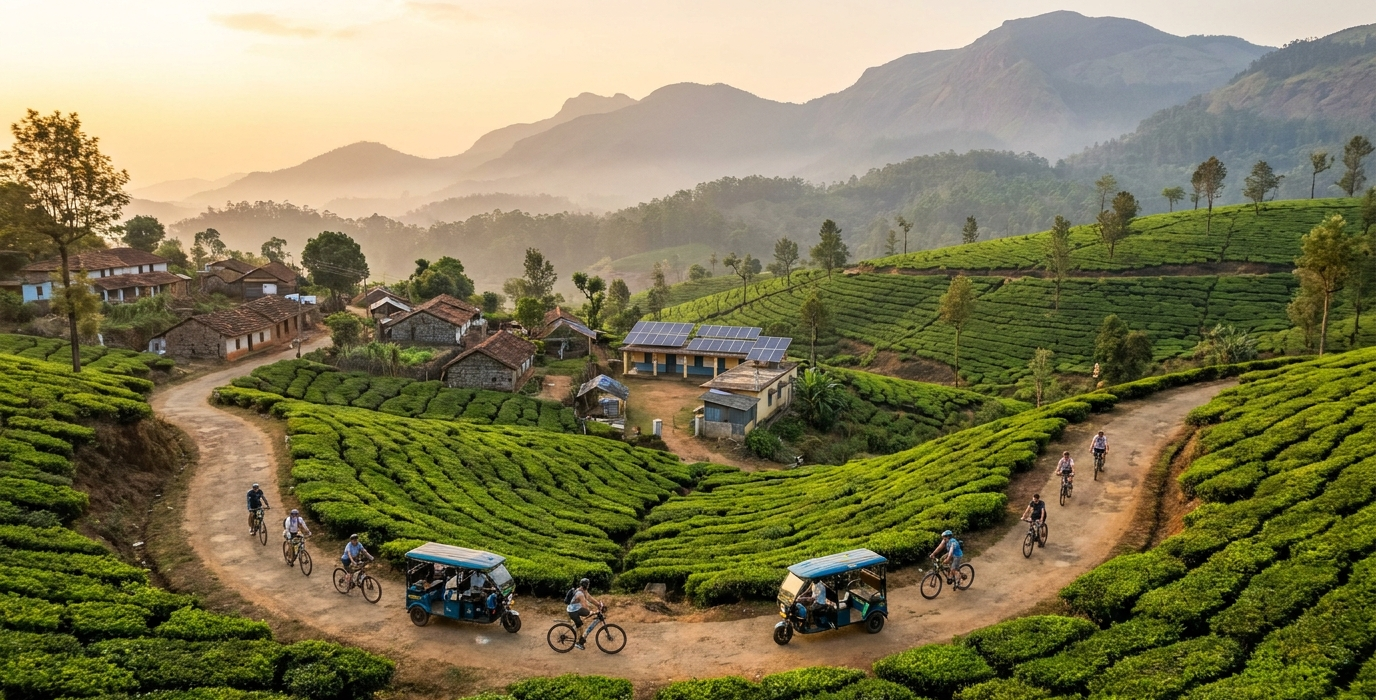
- Explore India’s burgeoning eco-tourism scene with our 2026 curated list of sustainable destinations.
- Discover destinations prioritising community involvement, biodiversity conservation, and minimal environmental impact.
- Find practical tips for responsible travel, ensuring your adventures benefit local economies and natural heritage.
- Learn about unique eco-lodges and initiatives that redefine luxury with sustainability.
The Rise of Conscious Wanderlust: Why 2026 is Your Year for Eco-Adventures
As the world increasingly grapples with climate change, a new wave of travellers is emerging. This isn’t just about seeing new places; it’s about experiencing them with a lighter footprint and a deeper respect for the planet. India, a land of unparalleled natural beauty and rich cultural tapestry, is at the forefront of this conscious travel revolution.
For 2026, we’ve identified destinations that don’t just offer breathtaking scenery but are actively committed to preserving it. These are places where your visit directly contributes to conservation efforts and empowers local communities. Forget mass tourism; we’re talking about authentic encounters that enrich both you and the places you visit. This guide will help you navigate India’s most responsible travel choices.
Kerala’s Green Embrace: Backwaters, Forests, and Community Empowerment
Kerala, often lauded as “God’s Own Country,” continues to lead the charge in sustainable tourism. Its commitment extends beyond pristine beaches and lush tea plantations. Many initiatives here focus on integrating local communities into the tourism ecosystem, ensuring that economic benefits flow directly to the people who call these regions home.
Consider the village tourism projects in Kumarakom. Here, you can stay in homestays run by local families, learning traditional cooking methods and participating in daily life. This offers a genuine cultural exchange, far removed from the impersonal experience of large resorts. These projects also actively support the preservation of the Vembanad Lake ecosystem, a vital wetland area.
A Glimpse into Responsible Stays
Beyond homestays, Kerala boasts an impressive array of eco-lodges. For instance, the Vythiri Resort in Wayanad is nestled within a rainforest, employing bio-integrated architecture and waste management systems. They actively engage in reforestation drives and employ local tribal communities, providing sustainable livelihoods.
Another surprising gem is the focus on community-led ecotourism in the Western Ghats, particularly around the Silent Valley National Park. Here, initiatives are often driven by local NGOs and tribal councils, ensuring that tourism development respects the delicate biodiversity of the region. This approach minimises human interference within protected areas while offering visitors unique trekking and wildlife spotting opportunities with knowledgeable local guides.
“Sustainable travel in India isn’t a niche concept anymore; it’s a growing imperative, and places like Kerala are showing the world how it’s done with heart and integrity.”
Ladakh’s High-Altitude Harmony: Preserving Fragile Ecosystems
Ladakh, with its stark, awe-inspiring landscapes, faces unique environmental challenges due to its fragile high-altitude ecosystem. Responsible tourism here is not just a choice; it’s a necessity for survival. The region has seen a significant push towards eco-friendly practices to combat the impact of increased tourist footfall.
Villages like Turtuk, once a border village with limited access, now welcome visitors with a focus on cultural preservation and responsible resource management. Homestays are the norm, offering a glimpse into the unique Balti culture. These arrangements ensure tourists consume locally produced food and water, minimising the strain on limited resources.
Water Conservation and Renewable Energy
A surprising fact is the widespread adoption of solar energy in even the most remote Ladakhi settlements. Many guesthouses and monasteries have invested in solar panels, reducing reliance on fossil fuels and mitigating their carbon footprint. This initiative is crucial in an area where fuel transportation is costly and logistically challenging.
Furthermore, water conservation is paramount. Tourists are educated about the preciousness of water in this arid region, with many accommodations implementing rainwater harvesting and greywater recycling systems. Organisations like SECMOL (Students’ Educational and Cultural Movement of Ladakh) have been instrumental in promoting these practices for decades, fostering a deep-rooted respect for the environment among locals and visitors alike.
Trekking routes are carefully managed to prevent littering and soil erosion. Local guides are trained to educate trekkers on Leave No Trace principles. This collaborative effort between communities, government bodies, and tourists ensures that the pristine beauty of Ladakh remains for generations to come.
The Andaman Islands: Marine Conservation and Community-Based Tourism
The Andaman Islands, renowned for their turquoise waters and vibrant coral reefs, are a paradise for nature lovers. However, this delicate marine ecosystem is vulnerable to human activity. The Andaman administration and local communities are increasingly focusing on eco-tourism models that protect marine biodiversity and empower islanders.
Destinations like Havelock Island (now officially Swaraj Dweep) have seen a rise in eco-conscious resorts. These establishments often employ sustainable waste management, solar power, and water conservation techniques. They actively participate in coral reef protection programs and marine life awareness initiatives, educating visitors about responsible snorkelling and diving practices.
Beyond the Beaches: Exploring Indigenous Cultures
While the beaches are a major draw, responsible tourism also encourages exploration of the islands’ unique tribal cultures, albeit with extreme caution and respect for their protected status. For general visitors, exploring the local fishing villages and understanding their livelihoods offers a more authentic experience. Many initiatives support local artisans and fishermen, ensuring that tourism revenue benefits the island’s inhabitants directly.
A lesser-known aspect is the focus on developing sustainable mangrove tourism in areas like Baratang Island. These guided tours aim to educate visitors about the ecological importance of mangroves and the need for their conservation. The revenue generated often goes towards community development projects and mangrove restoration efforts. The commitment to protecting the Jarawa and Sentinelese tribes means that tours to their areas are strictly prohibited and regulated, underscoring a strong ethical approach to tourism.
Rajasthan’s Desert Oasis: Water Management and Heritage Preservation
Rajasthan, a land of majestic forts and sprawling deserts, faces the challenge of water scarcity. Sustainable tourism in this region is deeply intertwined with innovative water management techniques and the preservation of its rich architectural heritage.
Cities like Jodhpur and Udaipur have seen a growing number of heritage hotels that not only showcase the region’s history but also implement water-saving measures. Many of these establishments use traditional rainwater harvesting systems, similar to those employed by forts for centuries. They also invest in modern water-efficient fixtures and promote responsible water usage among guests.
Community-Centric Rural Tourism
Beyond the cities, rural tourism initiatives in Rajasthan offer a powerful model for sustainability. Villages around the Thar Desert are actively involved in promoting community-based tourism, where visitors can experience local life, traditional crafts, and desert safaris conducted with minimal environmental impact. These projects empower local communities by providing direct income and fostering pride in their cultural heritage.
A surprising innovation is the resurgence of traditional desert farming techniques adapted for eco-tourism experiences. Some rural homestays offer visitors a chance to learn about and participate in these methods, which are designed to thrive in arid conditions with minimal water. These immersive experiences highlight the ingenuity of Rajasthani communities in living harmoniously with their environment and offer a unique perspective on sustainable living.
Moreover, many forts and palaces are now employing solar energy for lighting and other needs, reducing their carbon footprint. This blend of ancient wisdom and modern technology is key to preserving Rajasthan’s unique charm for future travellers.
Uttarakhand’s Himalayan Havens: Biodiversity and Community-Led Conservation
Uttarakhand, nestled in the majestic Himalayas, is blessed with incredible biodiversity and stunning landscapes. The state is actively promoting eco-tourism that prioritises the conservation of its fragile mountain ecosystems and the well-being of its local communities.
Regions like Rishikesh and its surrounding areas are becoming hubs for yoga and wellness retreats that are deeply rooted in sustainability. These centres often operate with zero-waste policies, use organic produce from local farms, and promote responsible trekking and outdoor activities.
Protecting Forests and Wildlife
Specific initiatives in areas bordering national parks, such as Corbett Tiger Reserve and Rajaji National Park, focus on community-led conservation. Local villagers are involved in eco-development committees, which manage eco-tourism activities like guided nature walks and birdwatching tours. This approach ensures that communities benefit from wildlife conservation and become its active protectors.
A surprising development is the rise of ‘agro-tourism’ in the Kumaon region. Here, visitors can stay on organic farms, learn about traditional farming practices, and contribute to the local agricultural economy. This model not only provides a sustainable livelihood for farmers but also encourages the preservation of traditional crop varieties and organic farming methods, which are inherently eco-friendly. The focus on responsible waste disposal and water conservation is integrated into every aspect of these rural stays.
Gujarat’s Coastal and Wildlife Sanctuaries: Evolving Towards Sustainability
Gujarat, a state known for its entrepreneurial spirit, is increasingly channelling that energy into sustainable tourism. Its diverse landscapes, from the Rann of Kutch to its coastal regions and wildlife sanctuaries, offer unique opportunities for eco-conscious exploration.
The focus here is on balancing industrial development with the preservation of natural habitats and cultural heritage. This includes initiatives aimed at protecting marine life along its extensive coastline and promoting responsible tourism around its significant wildlife reserves.
Protecting the Wild and the Water
Gir National Park, the last abode of the Asiatic lion, is a prime example. While tourism is managed carefully to minimise disturbance, there’s a growing emphasis on using renewable energy sources for park infrastructure and visitor facilities. Eco-lodges around Gir are adopting stringent waste management protocols and water conservation measures.
Along the coast, particularly near the Gulf of Kutch Marine National Park, initiatives are underway to promote responsible boating and diving practices. These efforts aim to protect the delicate coral reefs and marine ecosystems from the pressures of tourism. Local communities are being trained to offer guided tours that educate visitors about the importance of marine conservation, providing them with alternative livelihoods that don’t harm the environment.
A particularly interesting, albeit developing, trend is the integration of the Rann of Kutch’s unique desert ecosystem into sustainable tourism. While the Rann Utsav is a major event, there’s a push to develop more year-round, low-impact tourism models that benefit the local Kutchi communities and respect the fragile desert environment. This includes promoting traditional crafts and homestays that utilise local, sustainable materials and practices.
Frequently Asked Questions
What are the most important factors to consider for sustainable travel in India?
When planning a sustainable trip to India, prioritise destinations and accommodations that actively involve and benefit local communities, employ robust waste management and water conservation practices, and demonstrate a clear commitment to preserving local biodiversity and cultural heritage.
How can I reduce my environmental impact while travelling in India?
You can significantly reduce your impact by choosing public transport or shared rides, minimising single-use plastics by carrying a reusable water bottle and bags, respecting local customs and environments, and supporting local businesses and artisans. Opt for accommodations that highlight their eco-friendly practices.
Are there specific certifications or labels I should look for when booking eco-friendly accommodation in India?
While a universal Indian certification is still evolving, look for hotels and resorts that clearly state their sustainability policies on their websites, mentioning practices like solar energy use, organic food sourcing, rainwater harvesting, and community engagement. Some international eco-certifications are also present.
What are some surprising examples of sustainable tourism initiatives in India?
Surprising initiatives include the widespread use of solar energy in remote Himalayan villages in Ladakh, community-led conservation projects in Uttarakhand that empower forest-dwelling communities, and the resurgence of ancient water harvesting techniques in arid Rajasthan for heritage hotels.