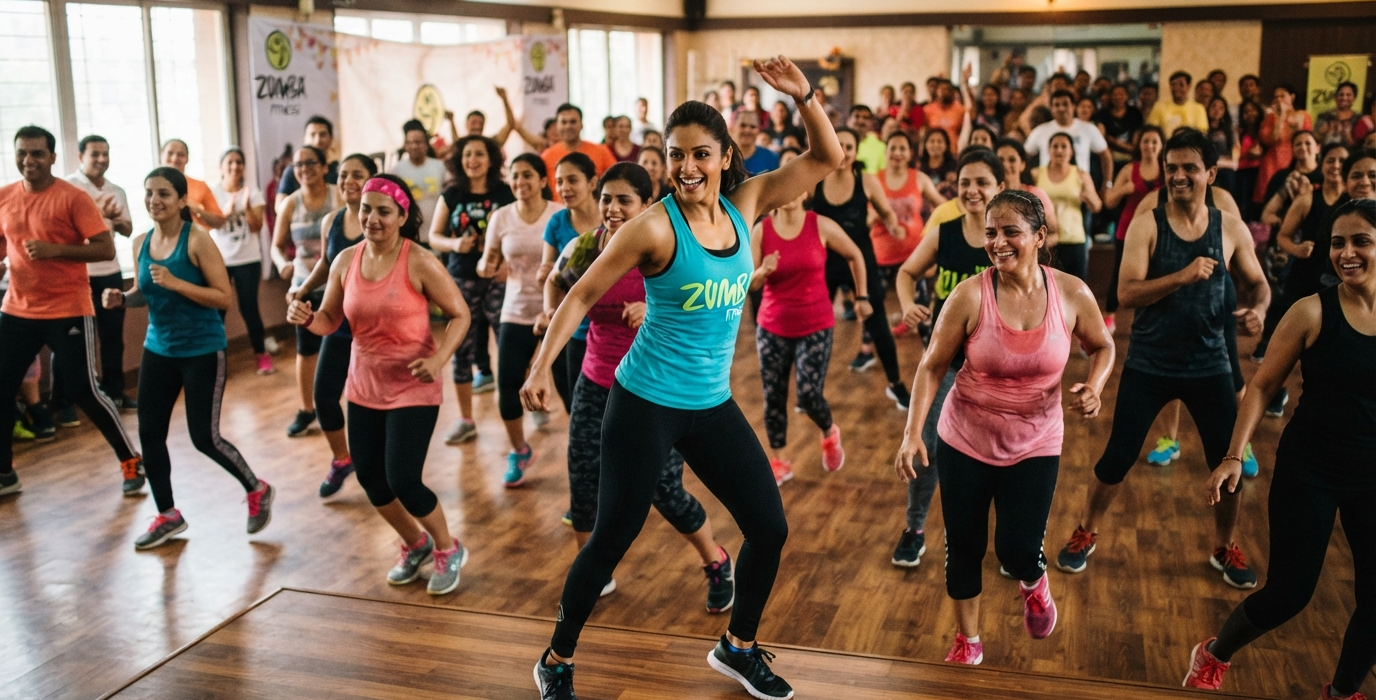
Stepping into a studio to the rhythmic pulse of reggaeton, salsa, and Bollywood beats, you might forget you are working out—but your body certainly remembers. Weight loss through Zumba has transformed from a casual fitness trend into a scientifically backed aerobic powerhouse for millions of Indians looking to shed extra kilos without the monotony of a traditional treadmill.
Key Takeaways
- Zumba functions as a high-intensity interval training (HIIT) session, often burning between 300 and 600 calories per hour depending on intensity.
- Consistent participation improves cardiovascular endurance and metabolic rates, which are critical for sustainable weight management.
- Unlike steady-state cardio, the varied choreography of Zumba engages multiple muscle groups simultaneously, leading to better functional toning.
- Success depends on maintaining a caloric deficit alongside the dance sessions, as exercise alone rarely compensates for poor dietary habits.
The Science of Movement: Why Zumba Works for Weight Loss
At its core, Zumba is an aerobic exercise designed to keep your heart rate in the fat-burning zone for extended periods. When you move to the music, you are performing interval training, which involves alternating between high-energy dance moves and moderate-intensity recovery steps. This fluctuation in heart rate is remarkably effective at increasing your metabolic demand compared to walking or light jogging.
Clinical studies suggest that dance-based aerobic exercises can significantly improve body composition and reduce body fat percentage. According to the World Health Organization guidelines on physical activity, adults should engage in 150 to 300 minutes of moderate-intensity aerobic activity each week to maintain health. A vigorous Zumba class helps you hit these targets faster by making the process psychologically rewarding.
One surprising fact that many practitioners overlook is the afterburn effect, known as Excess Post-exercise Oxygen Consumption (EPOC). Because Zumba often pushes you into high-intensity bursts, your body continues to consume oxygen and burn calories at an elevated rate for hours after you leave the studio. This means your weight loss journey continues even while you are commuting back home from the gym.

Optimizing Your Performance: Intensity Matters
Not all Zumba classes are created equal, and your results will depend heavily on the intensity you bring to the floor. To maximize your caloric expenditure, focus on full-range-of-motion movements rather than just swaying your hips. Engaging your core throughout the session is non-negotiable; imagine pulling your belly button toward your spine as you transition between steps.
If you are a beginner, it is tempting to focus solely on the footwork, but the secret to weight loss lies in the upper body movement. Incorporating vigorous arm reaches, shimmies, and overhead lifts turns a dance session into a total-body workout. The more muscle groups you recruit, the more energy your body must produce, and the more fat you mobilize for fuel.
Consistency is your greatest ally. Research published by the Centers for Disease Control and Prevention emphasizes that frequency is more important than duration for long-term weight maintenance. Aim for at least three to four sessions per week to see visible changes in your body composition within twelve weeks. Always listen to your body, particularly if you are prone to joint discomfort, and opt for shoes with adequate lateral support to protect your ankles during constant directional changes.
Comparing Zumba to Other Popular Cardio Methods
When deciding how to allocate your precious workout hours, it helps to compare Zumba against other popular fitness modalities in the Indian market. While all these options improve heart health, the “fun factor” of Zumba often leads to higher adherence rates, which is the most important metric for weight loss success.
| Activity | Average Calorie Burn (Per Hour) | Impact Level | Engagement |
|---|---|---|---|
| Zumba | 400-600 | Moderate | High (Social/Music) |
| Brisk Walking | 250-350 | Low | Low (Repetitive) |
| Running | 600-800 | High | Moderate |
| Swimming | 500-700 | Low | Moderate |
As seen in the table, while running might burn more calories per hour, the psychological barrier to entry for running is significantly higher for most people. If you despise your workout, you will eventually quit. Zumba bridges the gap by providing a social environment that releases endorphins, making you more likely to show up the next day.
Nutrition: The Invisible Half of the Equation
You cannot dance off a poor diet. No matter how many hours you spend in a studio in cities like Mumbai or Bengaluru, your weight loss will stall if you are consuming a caloric surplus. Focus on a protein-rich diet to support muscle repair and keep you satiated throughout the day.
The most effective workout is the one you enjoy enough to do consistently for years, not just for a few weeks of intense motivation.
Hydration is another critical factor often ignored in the humidity of Indian summers. As you sweat through your Zumba routine, you lose vital electrolytes that regulate muscle function. Drinking plain water is important, but if your sessions exceed 60 minutes, consider natural electrolyte sources like coconut water to maintain performance levels and prevent fatigue-induced plateaus.

Tracking Progress Beyond the Scale
The weighing scale is often a misleading metric for those who are just starting a Zumba routine. As you lose fat, you may also be building lean muscle mass, which is denser than fat. This means your weight might stay stagnant while your waistline shrinks and your clothing begins to fit differently.
Instead of obsessing over the number on the scale, track your progress using functional benchmarks. Can you keep up with the instructor for the entire hour without needing a long break? Do you feel more energetic during your workday? These are the real indicators that your cardiovascular system is becoming more efficient at oxidizing fat for energy.
Another surprising fact is that Zumba’s complex choreography improves your neuroplasticity. By forcing your brain to coordinate complex dance movements in real-time, you are essentially training your nervous system, which can improve your balance and cognitive response over time. This mind-body connection is a unique advantage that stationary cardio machines simply cannot offer.
Sustainable Habits for Long-Term Success
To turn Zumba into a lifestyle, you must integrate it into your routine in a way that minimizes friction. Choose a studio that is within a 20-minute radius of your home or office; long commutes are the primary reason people drop out of fitness programs within the first month. Additionally, find a workout partner, as social accountability is one of the strongest predictors of long-term exercise compliance.
Remember that weight loss is not a linear process. You will have weeks where your progress stalls, and that is perfectly normal. The key is to keep showing up, keep moving, and keep the music loud. By prioritizing movement as a celebration of what your body can do rather than a punishment for what you ate, you create a sustainable path to health.
Frequently Asked Questions
Is Zumba effective for people with knee or joint pain?
Zumba can be high-impact, but you can modify most moves to be low-impact. Always inform your instructor of any injuries before class, avoid high-impact jumps, and ensure you are wearing supportive athletic shoes to minimize stress on your joints.
Do I need to be a good dancer to join a Zumba class?
Absolutely not; Zumba is designed for everyone regardless of dance ability. The goal is movement and heart rate elevation, not technical perfection, so feel free to follow your own rhythm if you lose track of the choreography.
How often should I do Zumba to see results?
For sustainable weight loss, aim for three to four sessions per week combined with a balanced, calorie-controlled diet. Consistency is far more important than intensity, so start at a pace that allows you to remain committed over the long term.