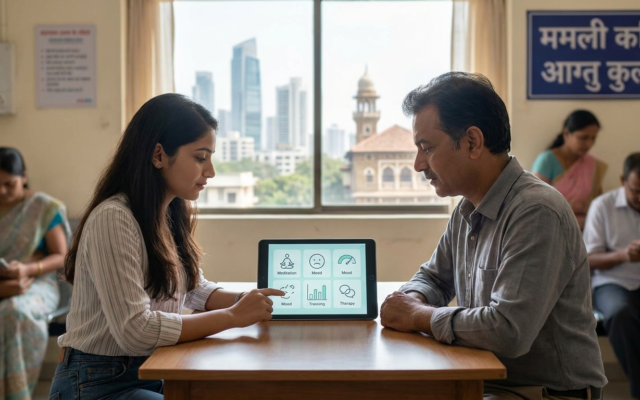
Key Takeaways
- India’s urban population is increasingly turning to mental wellness apps for accessible and discreet support.
- These apps offer a range of features, from guided meditation and mood tracking to AI-powered chatbots and connections with therapists.
- Key trends include gamification, hyper-personalisation, and integration with wearable devices for holistic health monitoring.
- While offering significant benefits, users should remain aware of data privacy concerns and the limitations of digital interventions.
The Digital Shift: How Indian Metros Are Embracing Mental Wellness Apps
The hum of urban life in India, once a symbol of progress and opportunity, is increasingly accompanied by a quiet hum of anxiety and stress. From the bustling streets of Mumbai to the IT hubs of Bengaluru, a growing segment of the population is actively seeking ways to manage their mental well-being. In this dynamic landscape, mental wellness apps are emerging not just as trendy downloads, but as essential tools for many. We’re witnessing a significant digital shift, where smartphones are becoming sanctuaries for self-care.
This isn’t about a niche group anymore; it’s a mainstream movement. Young professionals navigating demanding careers, students facing academic pressures, and even homemakers managing complex household dynamics are finding solace and support through these digital platforms. The anonymity and convenience they offer are particularly appealing in a society that still carries a stigma around mental health discussions. It’s a testament to how technology is reshaping our approach to personal health, making it more immediate and less intimidating.
Rising Adoption Rates
The numbers speak for themselves. App download figures from major app stores reveal a consistent surge in the usage of mental wellness applications across India’s tier-1 and tier-2 cities. Companies like Cult.fit, with its holistic approach, and dedicated platforms like Wysa and InnerHour, are seeing their user bases expand rapidly. This growth is fueled by a greater awareness of mental health issues, spurred by public campaigns and personal experiences.
We are also seeing an increasing number of employers offering these apps as part of their employee assistance programs. This corporate endorsement signals a growing recognition of mental well-being as a crucial factor in productivity and overall employee satisfaction. It’s a positive feedback loop: as more people use these apps and share their positive experiences, more individuals are encouraged to explore them. This digital revolution in mental health is truly underway.
Features That Resonate: Beyond Basic Meditation
Gone are the days when mental wellness apps were simply glorified meditation guides. Today’s platforms are sophisticated, offering a multi-faceted approach to mental well-being. They leverage technology to provide personalised experiences that cater to individual needs and preferences. From simple mood trackers to complex AI-driven therapeutic conversations, the range of features is impressive and constantly evolving.
These apps are designed to be engaging and accessible, fitting seamlessly into the busy schedules of urban Indians. You can find yourself doing a 5-minute breathing exercise before a crucial meeting or engaging in a journaling session on your commute. The goal is to make self-care a habit, not a chore. This integration into daily life is key to their growing success and impact.
Personalised Journeys and AI Companions
One of the most significant advancements is the use of artificial intelligence. AI-powered chatbots, like the popular Wysa, act as empathetic listeners, offering support and guided exercises based on user input. They can help users identify patterns in their moods, understand their triggers, and develop coping mechanisms. This offers a first line of support that is available 24/7, a crucial advantage for those experiencing distress at odd hours.
Beyond AI, many apps offer personalised content libraries. Based on your stated goals – be it reducing anxiety, improving sleep, or boosting focus – the app curates a selection of meditations, mindfulness exercises, and educational articles. This tailored approach ensures that users are presented with relevant and actionable content, making their journey feel unique and effective.
Gamification and Community Support
To keep users engaged, many apps incorporate gamification elements. Earning points for completing daily mindfulness sessions, achieving streaks for consistent mood tracking, or unlocking new guided meditations can transform self-care into a rewarding experience. This playful approach makes the journey less daunting and more enjoyable. It taps into our inherent desire for progress and achievement.
Furthermore, some platforms are building communities where users can connect with peers facing similar challenges. While these are often moderated and designed to be safe spaces, they offer a sense of belonging and shared experience. This can be invaluable for combating feelings of isolation. Knowing that you are not alone in your struggles can be a powerful motivator for seeking help and continuing your wellness journey.
“The true innovation in mental wellness apps for India isn’t just in their features, but in their ability to break down barriers of stigma and accessibility, making self-care a daily possibility for millions.”
Navigating the Options: What to Look For
With the proliferation of mental wellness apps, choosing the right one can feel overwhelming. However, by understanding your own needs and what each app offers, you can make an informed decision. Consider the features that are most important to you, whether it’s guided meditations, therapeutic tools, or community support. We recommend trying out a few different options before committing to a subscription.
The Indian market is rich with diverse offerings, ranging from global players to India-centric platforms. Some apps focus on specific issues like sleep disorders or stress management, while others provide a comprehensive suite of tools. Your personal goals and preferences should guide your selection process. Don’t be afraid to explore and experiment to find what truly resonates with you.
Free vs. Paid: Understanding the Value Proposition
Many apps offer a freemium model, providing a selection of basic features for free and charging for premium content or advanced functionalities. Free versions can be excellent starting points, allowing you to experience the app’s interface and core offerings. They often include a good range of guided meditations and basic mood tracking tools.
However, for a more comprehensive and personalised experience, a paid subscription often unlocks the full potential of the app. This could include access to a wider library of specialised content, AI-driven coaching, direct communication with therapists, and advanced analytics. When evaluating paid options, consider the monthly or annual cost relative to the value you expect to receive. A subscription to a leading app might cost less than a single therapy session.
Crucial Features to Prioritise
When evaluating an app, look for evidence-based techniques. Apps that incorporate principles from Cognitive Behavioural Therapy (CBT), mindfulness, or Dialectical Behavioural Therapy (DBT) are generally more effective. Check for features like mood tracking with detailed journaling prompts, guided meditations tailored to specific needs (e.g., sleep, focus, anxiety), and breathing exercises.
If you’re looking for more direct support, AI-powered chatbots that offer empathetic conversation and coping strategies can be very helpful. For those seeking professional guidance, apps that facilitate connections with licensed therapists are invaluable. Finally, consider the app’s user interface and experience (UI/UX); it should be intuitive, calming, and easy to navigate.
Surprising Facts About the Indian Mental Wellness App Landscape
The growth of mental wellness apps in India is not just about mirroring global trends; it’s also shaped by unique cultural nuances and technological adoption patterns. We’ve uncovered some fascinating insights that highlight the distinctiveness of this movement. These facts offer a deeper understanding of why these apps are gaining such significant traction.
One surprising statistic is the high engagement rate among users in smaller towns and tier-2 cities. While metros lead in downloads, the percentage of active users relative to the population is remarkably high in cities like Lucknow and Jaipur. This suggests that digital mental health solutions are reaching demographics that might have previously had limited access to traditional services. It’s a powerful testament to the democratising effect of technology.
Another intriguing aspect is the rising popularity of “digital detox” features within these apps. While it might seem counterintuitive for a digital tool to promote digital abstinence, many Indian users are actively seeking guided ways to reduce screen time and disconnect. Apps offering structured “digital detox” challenges or guided meditations for mindful phone usage are seeing a surge in interest. This reflects a growing awareness of the potential negative impacts of excessive screen time on mental well-being, even as people embrace digital solutions.
The Rise of Hyper-Personalisation and Wearable Integration
The next frontier in mental wellness apps is hyper-personalisation, moving beyond broad categories to tailor experiences down to the individual user’s real-time physiological and emotional state. This is where integration with wearable devices becomes crucial. Imagine an app that notices your heart rate variability increasing due to stress and proactively offers a calming breathing exercise, or suggests a sleep meditation based on your recent sleep patterns.
This seamless blend of digital tools and biofeedback is no longer science fiction; it’s becoming a reality for many. Wearables like smartwatches and fitness trackers collect invaluable data points – heart rate, sleep quality, activity levels – that can be fed into mental wellness apps. This allows for a more dynamic and responsive approach to well-being management. You’re not just logging your mood; the app is helping you understand its underlying physiological correlates.
Data-Driven Insights for Better Well-being
By analysing the data from your wearable, combined with your self-reported mood and journal entries, these apps can provide incredibly nuanced insights. They can identify subtle triggers for stress or anxiety that you might not have consciously noticed. For instance, an app might correlate increased screen time after 10 PM with poorer sleep quality and a lower mood the following day.
This level of insight empowers you to make informed lifestyle changes. It’s like having a personal wellness coach who understands your body and mind intimately. The goal is to move from reactive self-care to proactive well-being management, where potential issues are identified and addressed before they escalate. This is a significant shift from passive consumption of content to active, data-informed self-improvement.
The Future is Integrated
The trend towards integration is undeniable. We’re seeing partnerships between mental wellness app developers and wearable manufacturers, as well as independent app developers building robust integration capabilities. This allows users to have a consolidated view of their health, encompassing both physical and mental well-being. It’s a holistic approach that acknowledges the interconnectedness of our physical and mental states.
This integrated future promises a more powerful and personalised approach to self-care. As the technology matures and becomes more accessible, we can expect even more sophisticated features that proactively support our mental health. It’s an exciting time to be exploring these digital avenues for well-being.
Ethical Considerations: Data Privacy and Responsible Use
As we embrace the convenience and accessibility of mental wellness apps, it’s crucial to address the ethical considerations surrounding their use. The sensitive nature of the data collected – our thoughts, emotions, and personal experiences – makes data privacy paramount. Users must be vigilant about the privacy policies of the apps they use and understand how their information is being stored, used, and protected.
We are entrusting these platforms with deeply personal details, and the responsibility lies with both the developers to ensure robust security and with the users to be informed consumers. While the benefits are immense, a lack of transparency or inadequate security measures can have serious consequences. It’s a delicate balance between leveraging technology for good and safeguarding individual privacy.
Understanding Data Policies and Consent
Before signing up for any app, take the time to read the privacy policy. Look for clear statements about data encryption, anonymisation of data for research purposes, and third-party data sharing. Understand what kind of data the app collects, why it collects it, and how it will be used. You should always have the right to control your data and request its deletion.
Furthermore, be mindful of the permissions you grant the app. Does it need access to your contacts or location? Evaluate if these permissions are truly necessary for the app’s core functionality. Informed consent is your first line of defence. If an app’s privacy policy is vague or concerning, it’s best to look for an alternative.
The Role of Human Oversight and Limitations
It’s vital to remember that while AI-powered tools can be incredibly helpful, they are not a substitute for professional human help in severe cases. Apps can provide support, coping strategies, and even initial therapeutic interventions, but they cannot replace the empathy, nuanced understanding, and clinical expertise of a licensed therapist or psychiatrist. For serious mental health conditions, professional medical advice and treatment are essential.
These apps are best viewed as complementary tools that can enhance your overall well-being journey. They can help with everyday stress management, mindfulness practices, and building healthy habits. However, when facing significant mental health challenges, always consult with a qualified healthcare professional. We must use these digital tools responsibly, understanding their strengths and limitations.
The Future Outlook: A Blended Approach to Mental Healthcare
The trajectory of mental wellness apps in India points towards a future where digital tools and traditional healthcare models are not in opposition but are integrated into a comprehensive, blended approach. This fusion promises to make mental healthcare more accessible, affordable, and stigma-free for a larger segment of the population. We are moving towards a system that leverages the best of both worlds.
The increasing investment in this sector, both from venture capitalists and established healthcare providers, is a strong indicator of its future potential. As technology advances and user trust grows, these apps will likely become even more sophisticated, offering personalised interventions that adapt to individual needs in real-time. The aim is to create a robust ecosystem of support.
Bridging the Gap in Accessibility
One of the most significant impacts of these apps is their ability to bridge the gap in mental healthcare accessibility, particularly in a country like India with a vast population and varying levels of infrastructure. For individuals in remote areas or those who face logistical challenges in accessing traditional therapy, these digital platforms offer a lifeline. They democratise access to mental health support, making it available at one’s fingertips.
This is crucial for early intervention and prevention. By providing readily available resources, these apps can empower individuals to seek help sooner, potentially preventing minor issues from escalating into more severe conditions. This proactive approach can lead to better long-term mental health outcomes for the nation.
The Evolving Role of Therapists
The role of therapists is also evolving in this digital age. Instead of solely conducting in-person sessions, many therapists are now integrating these apps into their practice. They might use app data to track a client’s progress between sessions, assign specific exercises through the platform, or even conduct remote therapy sessions via secure video conferencing features offered by some apps.
This blended model can increase efficiency for therapists and provide clients with more continuous support. It allows for a more dynamic and responsive therapeutic relationship. The future of mental healthcare in India will likely involve a collaborative effort between human expertise and advanced digital tools, creating a more patient-centric and effective system for all.
Frequently Asked Questions
What are the most popular mental wellness apps in India in 2026?
As of 2026, some of the most popular mental wellness apps in India include Wysa, InnerHour, Cult.fit (which offers meditation and mindfulness modules), and Headspace. The specific popularity can vary, but these consistently rank high for user engagement and features.
Are there any free mental wellness apps available in India?
Yes, many mental wellness apps offer a free tier with a good selection of basic features. Apps like Wysa and Headspace provide substantial free content, including guided meditations and basic mood tracking. You can explore these to find what suits your needs before considering any paid subscriptions.
Can mental wellness apps replace traditional therapy?
No, mental wellness apps are generally not a replacement for traditional therapy, especially for severe mental health conditions. They serve as excellent complementary tools for stress management, mindfulness, and building healthy habits. For professional diagnosis and treatment, consulting with a licensed therapist or psychiatrist is crucial.
What should I consider when choosing a mental wellness app?
When choosing an app, consider your specific needs (e.g., anxiety, sleep, stress), the app’s features (meditation, journaling, AI chat, therapist connection), the user interface, and the app’s privacy policy. Trying out a few free versions first can help you find the best fit.