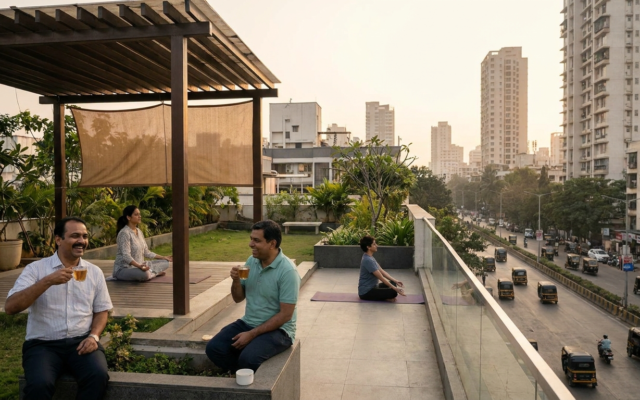
If you are struggling with persistent digestive discomfort, the ancient practice of yoga offers more than just flexibility; it provides a structural massage for your internal organs. By integrating specific movements into your 2026 wellness routine, you can stimulate peristalsis and find natural, drug-free relief from constipation.
Key Takeaways
- Yoga helps relieve constipation by increasing blood flow to the digestive tract and physically compressing the colon.
- Consistency is vital; practicing these poses at the same time each morning can help regulate your circadian rhythm and bowel movements.
- Deep, diaphragmatic breathing is the secret engine that powers these poses, helping to calm the nervous system and move stool through the intestines.
- Always consult with a medical professional if digestive issues persist for more than two weeks, as chronic constipation may indicate an underlying condition.
Understanding the Gut-Yoga Connection
The relationship between your nervous system and your digestion is profound. When you are stressed, your body enters a fight-or-flight mode, which effectively shuts down digestive processes to prioritize immediate survival. By practicing yoga, you activate the parasympathetic nervous system—the rest-and-digest state—which signals your gut to resume normal activity.
Recent research indicates that physical movement can significantly impact transit time, or how long it takes for waste to move through your system. According to the National Institute of Diabetes and Digestive and Kidney Diseases, lifestyle changes including physical activity are often the first line of defense against functional constipation. When you move your body, you are not just burning calories; you are mechanically encouraging your colon to function more effectively.
Interestingly, a surprising fact about human anatomy is that your gut contains approximately 500 million neurons, earning it the nickname the second brain. This enteric nervous system operates independently of your central brain but communicates constantly with it. When you perform poses that involve gentle twisting or forward folding, you are essentially providing a gentle internal massage to this complex web of nerves and muscles, encouraging the rhythmic contractions known as peristalsis.
1. Pavanamuktasana: The Wind-Relieving Pose
Widely considered the gold standard for digestive distress, the Wind-Relieving Pose is specifically designed to eliminate trapped gas and pressure. To perform this, lie flat on your back and slowly bring your knees toward your chest. Use your arms to clasp your shins, pulling your thighs firmly against your abdomen.
This pose creates direct pressure on the ascending and descending colon, acting as a physical catalyst for movement. You can rock gently from side to side to further stimulate the intestinal walls. Holding this for two to three minutes while maintaining deep, rhythmic belly breaths is essential for maximum effectiveness.
It is worth noting that for those suffering from chronic issues, integrating movement is safer than immediate reliance on laxatives. The Food Safety and Standards Authority of India emphasizes that natural fiber intake and hydration are the foundations of gut health. When you pair these dietary habits with the mechanical stimulation of Pavanamuktasana, you create an ideal environment for consistent digestion.
2. Malasana: The Yogic Squat
The modern toilet, while convenient, often forces the body into an unnatural, seated position that can hinder bowel movements. Malasana, or the deep squat, mimics the squatting posture that humans used for millennia. This position naturally aligns the rectum and the anal canal, creating a straight path for waste elimination.
To practice this, stand with your feet slightly wider than shoulder-width apart and slowly lower your hips toward the floor. Keep your heels on the ground if possible, and bring your palms together at your heart center, using your elbows to gently push your knees outward. This opens the pelvic floor and releases tension in the lower back.
If you have tight hips or difficulty balancing, you can place a yoga block or a folded blanket under your heels for support. Holding this pose for one minute daily can help retrain the muscles of the pelvic floor, which often become tight due to chronic stress or prolonged sitting at a desk.
3. Marjaryasana and Bitilasana: Cat-Cow Flow
The Cat-Cow flow is an excellent way to warm up the spine and the abdominal cavity simultaneously. Begin on your hands and knees in a tabletop position, ensuring your wrists are directly under your shoulders and your knees are under your hips. As you inhale, drop your belly toward the floor and lift your gaze, creating a soft arch in your back.
On the exhale, round your spine toward the ceiling, tucking your chin toward your chest and drawing your navel in toward your spine. This rhythmic movement of the abdomen acts as an internal pump for your digestive organs. By continuously contracting and expanding the abdominal muscles, you help break up gas pockets and encourage blood flow to the gut.
A surprising fact many people overlook is that the quality of your hydration matters as much as the movement itself. Even if you practice yoga daily, your digestive system will struggle if you are dehydrated. Ensure you are drinking adequate water throughout the day to keep the stool soft and easy to move through the colon.
4. Ardha Matsyendrasana: Half Lord of the Fishes
Spinal twists are legendary in the yoga world for their detoxifying effects. Ardha Matsyendrasana involves sitting with one leg bent under you and the other foot planted on the outside of your opposite thigh. As you twist your torso toward the bent knee, you are essentially wringing out your abdominal organs like a wet towel.
This twisting motion increases circulation to the stomach, liver, and intestines. When you release the twist, fresh, oxygenated blood rushes back into these organs, revitalizing their function. It is important to perform this pose on both sides to ensure balanced stimulation of both the ascending and descending colon.
Always move slowly and mindfully into the twist, using your breath to deepen the rotation. If you feel any sharp pain, back off immediately; the goal is gentle compression, not force. Integrating this into your evening routine can help your body process the day’s meals more efficiently before you sleep.
5. Balasana: Child’s Pose
After active poses, Child’s Pose acts as a grounding release. From a kneeling position, sit back on your heels and slowly fold forward, resting your forehead on the floor and extending your arms in front of you. This pose creates a gentle compression of the abdomen against the thighs.
Because you are in a forward-folded position, your nervous system naturally shifts into a state of deep relaxation. This is the perfect time to practice long, slow exhales. When the body is relaxed, the sphincters in the digestive tract are more likely to open, allowing for a smoother transit of waste.
| Yoga Pose | Primary Benefit | Hold Time |
|---|---|---|
| Pavanamuktasana | Gas release | 2-3 minutes |
| Malasana | Pelvic alignment | 1 minute |
| Cat-Cow | Abdominal massage | 10-15 cycles |
| Half Lord of Fishes | Organ stimulation | 1 minute/side |
| Child’s Pose | Nervous system reset | 2 minutes |
The body does not distinguish between the stress of a deadline and the stress of a physical threat; in both cases, the gut takes the hit. Yoga is the bridge that carries us back from that survival mode into a state where our internal biology can finally do its job.
Frequently Asked Questions
When is the best time of day to practice these yoga poses?
Early morning is generally considered the best time, as your body is naturally primed for elimination upon waking. Practicing on an empty stomach allows for deeper abdominal compression without the discomfort of a full stomach.
Can I practice these poses if I have back pain?
While many of these poses are gentle, you should always approach them with caution if you have a history of back issues. Use props like blankets to support your knees or blocks to shorten your range of motion, and stop immediately if you feel pain rather than a comfortable stretch.
How long does it take to see results?
Some individuals experience immediate relief from gas and bloating after a single session. However, for chronic constipation, it may take 7 to 10 days of consistent daily practice to notice a significant change in regularity, especially when combined with proper hydration and fiber intake.
Should I consult a doctor before starting these poses?
If you have pre-existing medical conditions, such as a hernia, severe hypertension, or recent abdominal surgery, consult your healthcare provider before attempting these poses. Always listen to your body, and never push through sharp or unusual sensations during your practice.