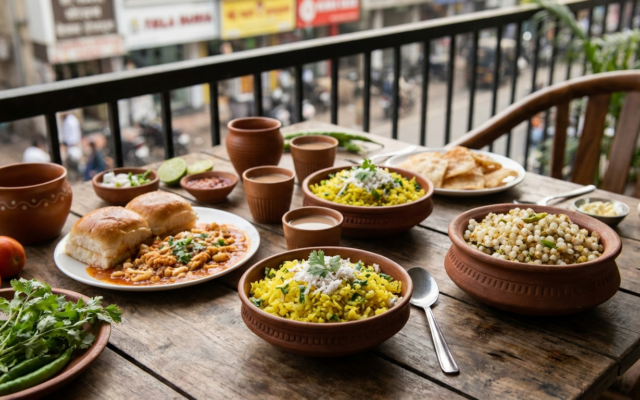
The humble vegetable side dish is often the unsung hero of an Indian dinner table, capable of transforming a routine meal into a vibrant feast. Whether you are working with a busy schedule in Bengaluru or managing a household in Delhi, these quick preparations bring nutrition and variety to your plate without demanding hours in the kitchen.
Key Takeaways
- Prioritize seasonal produce to maximize nutritional density and flavor profiles while keeping grocery costs manageable.
- Mastering the “tadka” technique allows you to infuse basic vegetables with complex, aromatic layers in under ten minutes.
- Pairing high-fiber vegetable sides with protein-rich dals or legumes helps balance your glycemic index for a more sustained energy release.
- Utilizing regional Indian cooking methods, such as steaming or quick stir-frying, preserves the micronutrients often lost in long-boil preparations.
The Science of the Perfect Tadka
The secret to a restaurant-quality vegetable dish at home lies in the tempering process, locally known as the tadka. By heating mustard or cumin seeds in hot oil or ghee until they crackle, you release fat-soluble flavors that form the backbone of the dish. This technique is not just about taste; it is a culinary tradition that aids in digestion by activating essential volatile oils in spices.
To master this, ensure your pan is sufficiently hot before adding your spices. If you are using mustard seeds, wait for the distinct popping sound to subside before adding aromatics like ginger, garlic, or green chilies. According to the Food Safety and Standards Authority of India, proper handling of cooking oils at controlled temperatures prevents the oxidation of fats, ensuring your side dish remains heart-healthy.
For a midweek boost, try tempering shredded cabbage or grated carrots with a mix of urad dal and curry leaves. This simple combination adds a delightful crunch and a nutty undertone that pairs beautifully with plain dal and steamed rice. It is a time-efficient way to introduce texture into a soft, comforting meal.
Why Seasonal Vegetables Matter
In India, eating with the seasons is more than just a culinary suggestion; it is a time-tested strategy for optimum health and cost-effectiveness. Vegetables grown in their natural harvest window are more nutrient-dense and require fewer chemical interventions to thrive. When you choose produce like bottle gourd in summer or cauliflower in winter, you are consuming ingredients at their peak potency.
A surprising fact to consider: vegetables like spinach retain up to 30% more of their vitamin C content when consumed within 24 hours of harvest compared to those transported across state lines. By sourcing from your local mandi rather than relying exclusively on cold-storage chains, you support local farmers and enjoy fresher, more flavorful produce. This practice aligns with the Food and Agriculture Organization guidelines on promoting sustainable, localized food systems.
Try to keep a rotation of at least three different seasonal vegetables in your weekly pantry. For instance, in the autumn months, focus on gourds and beans, while moving toward leafy greens and root vegetables as the temperature drops. This variety ensures you are not just repeating the same flavor profile, keeping your weeknight dinners exciting and nutritionally diverse.
Quick Stir-Fries for Busy Evenings
When time is tight, the stir-fry is your best friend. Unlike slow-cooked curries that require simmering, a quick pan-fry keeps vegetables crisp and vibrant. The goal is to cook the vegetable through while maintaining a bite, often referred to as “al dente.”
Start by slicing your vegetables—such as French beans or bell peppers—into uniform sizes to ensure they cook at the same rate. Heat a small amount of oil, add your aromatics, and toss the vegetables on high heat for three to five minutes. A splash of water at the end and a quick cover can steam them slightly if you prefer a softer finish.
Consider the nutritional synergy of your ingredients. For example, pairing vitamin-C rich bell peppers with iron-rich spinach helps in the better absorption of plant-based iron. This simple scientific principle can turn a basic side dish into a powerhouse of nutrition, making your weeknight dinner as functional as it is delicious.
| Dish Name | Prep Time | Key Nutrient | Best Pairing |
|---|---|---|---|
| Garlic Cabbage | 8 mins | Vitamin K | Yellow Dal |
| Spiced Beans | 10 mins | Fiber | Roti/Phulka |
| Carrot Poriyal | 12 mins | Beta-carotene | Curd Rice |
| Okra Stir-fry | 15 mins | Folate | Dal Fry |
Incorporating Fermented and Tangy Notes
Adding a touch of acidity can lift a heavy or bland vegetable dish instantly. Ingredients like amchur (dried mango powder), tamarind, or even a squeeze of lemon juice act as a bridge between the earthy flavors of the vegetables and the heavier staples like rice or roti. This acidity also helps in balancing the overall palate of your meal.
For those interested in gut health, incorporating fermented elements like a small side of curd or home-made vegetable pickles can introduce probiotics to your diet. A unique Indian technique is to finish a dry vegetable dish with a sprinkle of roasted peanut powder or desiccated coconut, which adds depth and healthy fats. This is a common practice in Maharashtrian cuisine, which highlights how simple additions can elevate humble produce.
Be mindful of the salt content when using store-bought pickles or tangy masalas, as they can quickly push your daily sodium intake over recommended limits. By controlling these additions at home, you ensure that the tanginess enhances the vegetable’s natural flavor rather than masking it. Focus on fresh, natural sources of acid to keep your meals clean and refreshing.
The Power of Dry Spices
Beyond the tadka, the judicious use of dry spices like turmeric, coriander powder, and asafoetida (hing) defines the Indian vegetable side. Turmeric is not just for color; it is a powerful anti-inflammatory agent. However, to maximize its benefits, it should be consumed alongside a pinch of black pepper, which helps in the absorption of curcumin.
Another surprising, specific fact: asafoetida, often used as a garlic substitute, was historically utilized in ancient medicine to treat respiratory issues, which is why it remains a staple in many traditional Indian households. When used sparingly in a vegetable stir-fry, it adds an umami quality that is difficult to replicate with other ingredients.
Experimenting with different spice blends allows you to travel across India from your own kitchen. Use panch phoron (a five-spice blend) for a Bengali-inspired pumpkin dish, or focus on curry leaves and mustard seeds for a South Indian touch. These small, deliberate choices in seasoning make even the most basic vegetables feel like a deliberate, culinary-focused selection.
The beauty of a vegetable side dish is not in its complexity, but in its ability to provide a clean, vibrant contrast to the rest of the meal, proving that you do not need a long list of ingredients to achieve great flavor.
Maintaining Nutritional Integrity
Overcooking is the greatest enemy of any vegetable. When you boil vegetables until they lose their color and texture, you are essentially leaching out water-soluble vitamins like B-complex and C. Instead, aim for methods that retain the integrity of the produce, such as sautéing, steaming, or even roasting in a convection oven.
If you must boil vegetables, try to use the leftover water in your dal or as a base for a soup. This ensures that the nutrients that leaked into the water are still consumed. You can refer to the National Institute of Nutrition for detailed dietary guidelines on how to minimize nutrient loss during common cooking processes, ensuring your family receives the maximum benefit from your home-cooked meals.
Finally, remember that the presentation matters. A garnish of fresh coriander or a handful of toasted sesame seeds can make a bowl of simple stir-fried greens look elegant and appetizing. By treating your side dishes with the same care and attention as your main courses, you create a more balanced, satisfying, and visually appealing dinner experience every single night.
Frequently Asked Questions
How can I keep vegetables from getting soggy during stir-frying?
To avoid soggy vegetables, ensure your pan is preheated before adding oil and avoid overcrowding the pan. Cook in smaller batches if necessary to maintain high heat, and always add salt at the very end of the cooking process to prevent the vegetables from releasing excess water too early.
Is it better to use fresh or frozen vegetables for side dishes?
Fresh, locally sourced vegetables are ideal for flavor and texture, but high-quality frozen vegetables are a great backup because they are flash-frozen at peak ripeness. If you use frozen, ensure you do not thaw them beforehand; add them directly to the hot pan to prevent them from becoming mushy.
How can I make my side dishes more filling for a complete dinner?
To make a vegetable side more substantial, incorporate plant-based proteins like roasted chickpeas, sprouts, or peanuts. Adding a healthy fat source, such as a drizzle of cold-pressed oil or a topping of toasted seeds, also increases satiety and helps your body absorb fat-soluble vitamins.