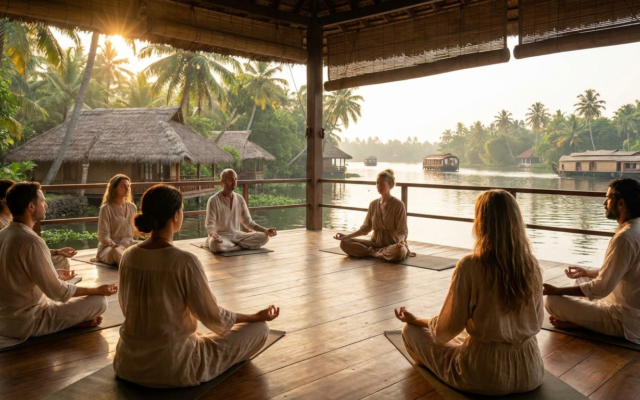
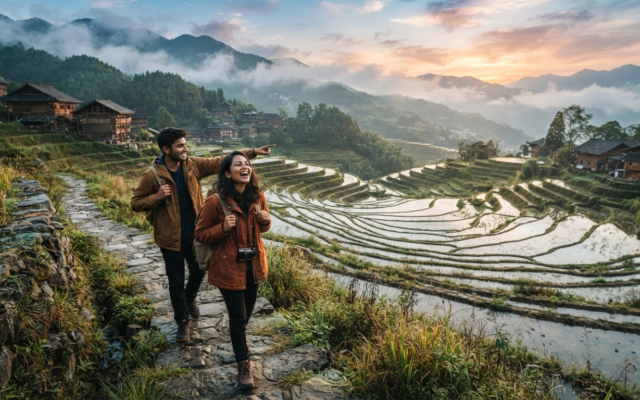
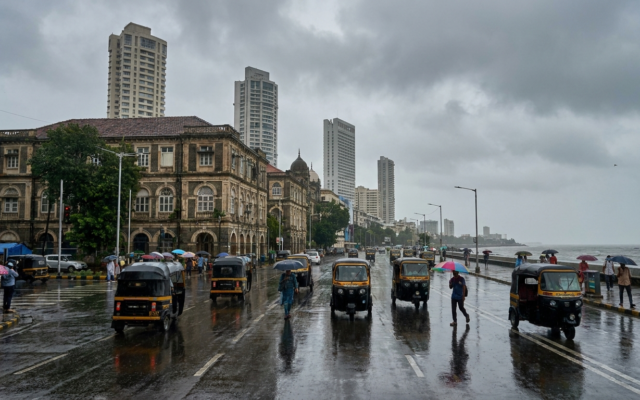
The monsoon in India is not a season to hide from; it is a time to witness the subcontinent transform into a lush, emerald paradise that feels entirely reborn. As we look ahead to July 2027, planning your escape now ensures you catch the finest waterfalls and the most vibrant landscapes when the rains are at their peak.
Key Takeaways
- July in India offers the best value for luxury travel, with off-season rates available in many premium monsoon destinations.
- The Western Ghats and the Himalayan foothills are at their most photogenic, though travel requires extra preparation for heavy rainfall.
- We have curated seven locations that balance accessibility, safety, and breathtaking natural beauty for a July 2027 getaway.
1. Munnar: The Verdant Heart of Kerala
Munnar in July is a dreamscape of rolling hills blanketed in varying shades of green. As the southwest monsoon hits the Western Ghats, the tea plantations become ethereal, often shrouded in thick, swirling mist that makes a simple morning walk feel like a trek through a fairy tale.
You should visit the Eravikulam National Park early in the morning before the clouds descend too low. The park is home to the endangered Nilgiri Tahr, and in July, the landscape is free of the usual tourist throngs, allowing for a quiet communion with nature. Remember that the humidity is high, so pack breathable, quick-drying fabrics rather than heavy cotton.
For a unique experience, explore the local tea museums and stay in a traditional bungalow on a working estate. The Kerala Tourism Department provides updated guidelines on eco-tourism and monsoon safety protocols, which is vital as landslides can occasionally affect road connectivity in higher elevations. Always check local weather alerts before venturing deep into the hills.
2. Valley of Flowers, Uttarakhand
July is the only time of the year when the Valley of Flowers National Park in Uttarakhand truly comes alive in its full, technicolor glory. As the snow melts and the monsoon rains begin, the valley floor explodes with alpine flowers like the blue poppy and the cobra lily.
This UNESCO World Heritage site is a trekker’s paradise, but it demands physical preparation. The journey involves a trek from Govindghat, and the trail is often slippery and steep during the peak of the monsoon. However, the sight of thousands of rare blooms against the backdrop of the snow-capped Zanskar range is worth every strenuous step.
According to the Uttarakhand Forest Department, the park is strictly regulated to preserve its fragile ecosystem. You must obtain necessary permits at the entrance and ensure you follow “leave no trace” principles to protect this delicate high-altitude sanctuary. It is one of the few places on earth where you can witness such rapid biodiversity shifts in just a few weeks.
3. Cherrapunji and Mawsynram: The Rain Capital
If you want to experience the raw power of the Indian monsoon, there is no place on the planet quite like Meghalaya. Known as the “Abode of Clouds,” Cherrapunji and Mawsynram regularly compete for the title of the wettest place on Earth. In July 2027, you can witness the massive Nohkalikai Falls at its most ferocious volume.
The living root bridges of Nongriat are a marvel of bio-engineering, crafted by the Khasi people over centuries. Hiking down the thousands of stone steps to reach the Double Decker Root Bridge is challenging in the rain, but the lush jungle canopy provides some shelter. You will find that the local culture is deeply intertwined with the rain, with traditional bamboo cones known as “knups” used as umbrellas by the locals.
Interestingly, despite the record-breaking rainfall, the region is highly sustainable due to ancient traditional water harvesting techniques. The Meghalaya Tourism portal offers comprehensive guides on home stays that allow you to engage directly with the indigenous Khasi community. Just be prepared for the rain—it is not a feature of the trip; it is the entire experience.
4. Lonavala and Khandala: The Sahyadri Escape
For those based in Mumbai or Pune, Lonavala is the quintessential monsoon getaway. While it is popular year-round, July transforms the Sahyadri mountains into a theatre of waterfalls. The Bhushi Dam overflows during this time, creating a cascading water feature that draws locals and travelers alike.
What many visitors miss is the historical significance of the nearby Karla and Bhaja caves. Dating back to the 2nd century BCE, these rock-cut Buddhist structures are surrounded by seasonal waterfalls in July, offering a hauntingly beautiful contrast between ancient architecture and untamed nature. The Archaeological Survey of India maintains these sites, which remain open even during the peak monsoon.
Be mindful that weekends can get crowded, so planning your visit for a weekday will provide a more serene experience. The drive up the Mumbai-Pune Expressway is visually stunning, with the ghats turning into a misty, green highway that feels miles away from the urban sprawl.
5. Udaipur: The City of Lakes in Full Bloom
Udaipur might seem like a dry, desert city, but in July, the monsoon breathes new life into the City of Lakes. The surrounding Aravalli hills turn lush green, and the various lakes, including Fateh Sagar and Lake Pichola, are replenished, offering a regal backdrop that is distinct from the arid summer months.
Staying in a heritage property overlooking the lake allows you to witness the monsoon clouds roll over the palaces. It is a time when the city is quiet, the gardens of Saheliyon-ki-Bari are vibrant, and the evening boat rides feel incredibly romantic. The monsoon in Rajasthan is not just about the rain; it is about the celebration of life, often accompanied by traditional Rajasthani folk music.
You will find that the city’s architectural splendor, including the City Palace, looks even more striking when contrasted with the grey, moody skies. It is a photographer’s dream, as the harsh midday sun is replaced by soft, diffused light that makes every frame look like a classic portrait.
6. Comparison of July Destinations
| Destination | Primary Attraction | Best For | Travel Difficulty |
|---|---|---|---|
| Munnar | Tea Gardens | Nature Lovers | Moderate |
| Valley of Flowers | Alpine Blooms | Trekkers | High |
| Cherrapunji | Waterfalls | Adventure Seekers | Moderate |
| Lonavala | Weekend Getaway | Families | Low |
| Udaipur | Heritage/Lakes | Culture Seekers | Low |
7. Practical Tips for Monsoon Travel
Traveling in India during July requires a shift in mindset. You must be prepared for delays, as flights and trains can be impacted by heavy downpours. However, this is also when the country is at its most beautiful, and the crowds are at their thinnest.
Always carry waterproof gear, including high-quality rain covers for your electronics and luggage. If you are heading to the hills, ensure you have sturdy, grip-heavy footwear to navigate slippery mountain paths. Did you know that the term “monsoon” is derived from the Arabic word “mausim,” which means season? It perfectly captures the rhythmic, predictable nature of these winds that define life in India.
“The monsoon is not merely a climatic event in India; it is a cultural symphony that washes away the dust of summer, inviting the earth to bloom in a defiance of grey skies.” — Anonymous Traveler
Finally, always maintain flexibility in your itinerary. If a road to a remote village in the Himalayas is blocked, treat it as an opportunity to discover a nearby valley instead. The best monsoon trips are those that embrace the spontaneity of the rain rather than fighting against it.
Frequently Asked Questions
Is it safe to travel to the mountains in India during July?
Yes, it is generally safe, provided you monitor weather bulletins from the India Meteorological Department. Avoid traveling to regions under active “Red” or “Orange” weather alerts, and keep your travel plans flexible in case of road closures due to heavy rain.
What should I pack for a monsoon trip in India?
Pack lightweight, synthetic clothing that dries quickly, a sturdy umbrella or a high-quality raincoat, and waterproof cases for your phone and documents. Avoid heavy denim or cotton, as they stay damp for a long time and can lead to discomfort.
Are hotel prices lower in India during July?
Yes, July is considered the off-season for many popular tourist destinations in India, excluding regions like the Valley of Flowers that only open in summer. You can often secure significant discounts on luxury resorts and heritage hotels by booking directly or looking for monsoon packages.
Which Indian destinations should be avoided in July?
Low-lying coastal areas prone to severe flooding or regions with very high landslide risk (like certain parts of upper Himachal Pradesh during extreme cloudbursts) should be approached with caution. Always verify current road conditions with local authorities before finalizing your route.