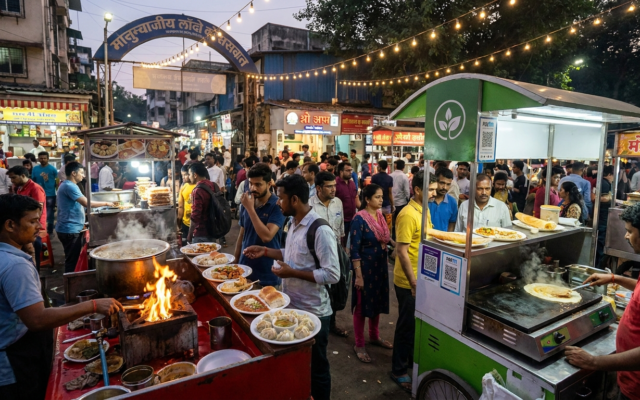
Cooking without onion and garlic, often referred to as a Sattvic diet, is far more than a religious or traditional choice; it is a culinary art form that celebrates the natural, vibrant essence of vegetables and spices. Whether you are observing a fast during Navratri or simply looking to reset your palate in 2026, these recipes prove that you do not need alliums to build complex, soul-satisfying flavors in your kitchen.
Key Takeaways
- Master the use of hing (asafoetida) and ginger to replace the savory depth typically provided by onions and garlic.
- Incorporate fresh pastes made from soaked cashews, poppy seeds, or melon seeds to achieve a rich, creamy restaurant-style gravy.
- Utilize aromatic whole spices like cinnamon, cardamom, and cloves in hot oil to create a robust base for your curries.
- Explore the Food Safety and Standards Authority of India guidelines for understanding healthy traditional dietary practices.
The Science of Flavor Without Alliums
When you remove onions and garlic, you lose the foundational aromatics that define most Indian curries. However, this is not a deficit; it is an invitation to experiment with different flavor profiles. To replicate that umami kick, you must lean into the power of hing (asafoetida). High-quality, gluten-free hing, when bloomed in hot ghee or oil, provides a pungent, savory aroma that lingers in the background, effectively mimicking the essence of garlic.
Another secret weapon in your pantry is the humble ginger root. While we often pair ginger with garlic, using it alone in larger quantities—sautéed until it turns a deep golden brown—adds a spicy, sharp brightness that keeps the dish from feeling flat. You should also focus on your tempering technique. Start your curries with whole spices like mustard seeds, cumin, and curry leaves to create a fragrant foundation. Interestingly, did you know that the Ministry of Ayush promotes the consumption of ginger and turmeric as essential components of a balanced, immunity-boosting diet? By shifting your focus to these roots and seeds, you create a depth of flavor that is clean, light, and deeply satisfying for the body.
Creamy Cashew-Based Gravies
If you miss the thick, rich texture of onion-based masalas, the solution lies in nut-based pastes. Soaking cashews or poppy seeds (khus-khus) for thirty minutes before blending them into a smooth paste allows you to create a luxurious gravy base that clings perfectly to vegetables. This technique is a staple in royal vegetarian kitchens across Rajasthan and Gujarat, where the richness of nuts compensates for the absence of aromatics.
To elevate your gravy, combine this nut paste with a base of blanched tomato puree. The acidity of the tomatoes balances the sweetness of the cashews, creating a perfectly rounded flavor profile. When cooking this mixture, keep the heat low and stir constantly to prevent burning. You are looking for the point where the oil begins to separate from the sides of the pan, which indicates that your base is perfectly cooked. This method is exceptionally useful for making paneer butter masala or stuffed vegetable curries that feel indulgent despite being entirely sattvic.
The Magic of Leafy Greens and Root Vegetables
When you stop relying on onions to provide bulk to your dishes, you naturally begin to appreciate the texture of seasonal vegetables. Dishes like Palak Paneer or Methi Malai Matar shine when the focus is purely on the freshness of the greens. By skipping the onion, you allow the slightly bitter, earthy notes of fenugreek and spinach to take center stage, which is a far more sophisticated flavor profile than the masking effect of sautéed onions.
In 2026, we are seeing a resurgence of heirloom root vegetables in urban Indian markets. Roasted carrots, sweet potatoes, and parsnips can be tossed in a simple mixture of cumin powder, coriander powder, and amchur (dry mango powder) for a quick, zero-allium stir-fry. Amchur is particularly effective because it provides the acidity that you would otherwise get from the slight tang of cooked onions. Adding a handful of peanuts or roasted sesame seeds provides a necessary crunch, ensuring that every bite has a varied texture.
Quick Comparison of Flavor Bases
To help you choose the right base for your next meal, refer to the table below. These alternatives will help you maintain the “mouthfeel” that diners often associate with traditional gravies.
| Base Ingredient | Cooking Technique | Best Used For |
|---|---|---|
| Cashew Paste | Slow-simmering | Rich curries, Paneer dishes |
| Tomato-Ginger | High-heat sauté | Dal, quick vegetable stir-fry |
| Roasted Peanuts | Coarse grinding | Stuffed okra, gourd vegetables |
| Curd/Yogurt | Tempered whisking | Kadhi, potato-based curries |
Mastering the Art of Tempering
The tadka, or tempering, is the heartbeat of any onion-free meal. Without the aromatics, your tadka needs to be bold and deliberate. Start with a high-smoke point oil or ghee to ensure that your spices don’t burn before their flavors are released. Dropping curry leaves, dried red chilies, and a generous pinch of asafoetida into hot oil creates an instant aromatic explosion.
You might be surprised to learn that in certain parts of South India, curry leaves are not just a garnish but a primary flavoring agent that replaces the structural role of onions. When you fry these leaves until they are crisp, they impart a deep, citrusy note that transforms plain dal into something extraordinary. Always add your powdered spices—turmeric, coriander, and chili—to the oil for only a few seconds before adding your main ingredients to prevent them from becoming bitter.
The true secret to cooking without onion and garlic lies in the confidence to let the inherent sweetness of vegetables and the brightness of fresh spices stand alone, creating a meal that nourishes rather than overwhelms the senses.
Navigating Daily Meal Planning
Planning a weekly menu without onion and garlic can feel daunting, but it becomes much simpler once you establish a routine. Focus on protein-heavy dals like Moong or Masoor, which cook quickly and pair beautifully with ginger-tomato tadkas. For dinner, shift toward stuffed vegetables like Bharwan Bhindi (stuffed okra) or Bharwan Baingan (stuffed eggplant), where the flavor comes from a dry spice mix packed inside the vegetable.
One surprising fact about Indian culinary history is that the traditional “Sattvic” diet was often defined by the avoidance of “Rajasic” and “Tamasic” foods, which were believed to cause agitation or lethargy. While modern nutritional science from institutions like the National Institute of Nutrition focuses on macronutrient balance, the tradition of avoiding alliums remains a practical, efficient way to simplify home cooking. By batch-preparing your ginger-tomato base on Sundays, you can have a fresh, flavorful meal on the table in under twenty minutes during the work week.
Frequently Asked Questions
Can I achieve a restaurant-style gravy without onions?
Yes, absolutely. The secret is to use a combination of blanched tomato puree, a thick paste made from soaked cashews or melon seeds, and a well-developed ginger-based tadka. This provides the body, creaminess, and flavor depth typically associated with restaurant-style curries.
What is the best way to store ginger-tomato base?
You can prepare a large batch of ginger, tomato, and spice base and store it in an airtight glass container in the refrigerator for up to 5 days. Ensure you use enough oil when cooking the base, as the layer of fat on top acts as a natural preservative.
Does hing contain gluten?
Most commercial hing is mixed with wheat flour to stabilize its potency. If you have a gluten sensitivity or celiac disease, always check the label for “gluten-free” certification or look for pure asafoetida resin, which is naturally gluten-free.
Are there any specific vegetables that work best without garlic?
Root vegetables like potatoes, sweet potatoes, and carrots, as well as gourds like bottle gourd (lauki) and ridge gourd (tori), absorb flavors exceptionally well when cooked in a ginger and cumin-based tempering. These vegetables often taste cleaner and more authentic without the overpowering scent of garlic.