Key Takeaways
- Discover the enduring charm and evolving tastes of Delhi’s iconic chaat scene in 2026, with vendors adapting to new trends while honouring tradition.
- We pinpoint specific, must-visit stalls across Old Delhi and beyond, detailing their signature dishes and what makes them stand out.
- Learn about the subtle nuances of regional chaat variations you might encounter, from tangy Golgappa to rich Aloo Tikki.
- Get practical tips for navigating the bustling streets, ensuring a safe and delicious chaat experience.
The Enduring Allure of Delhi’s Chaat
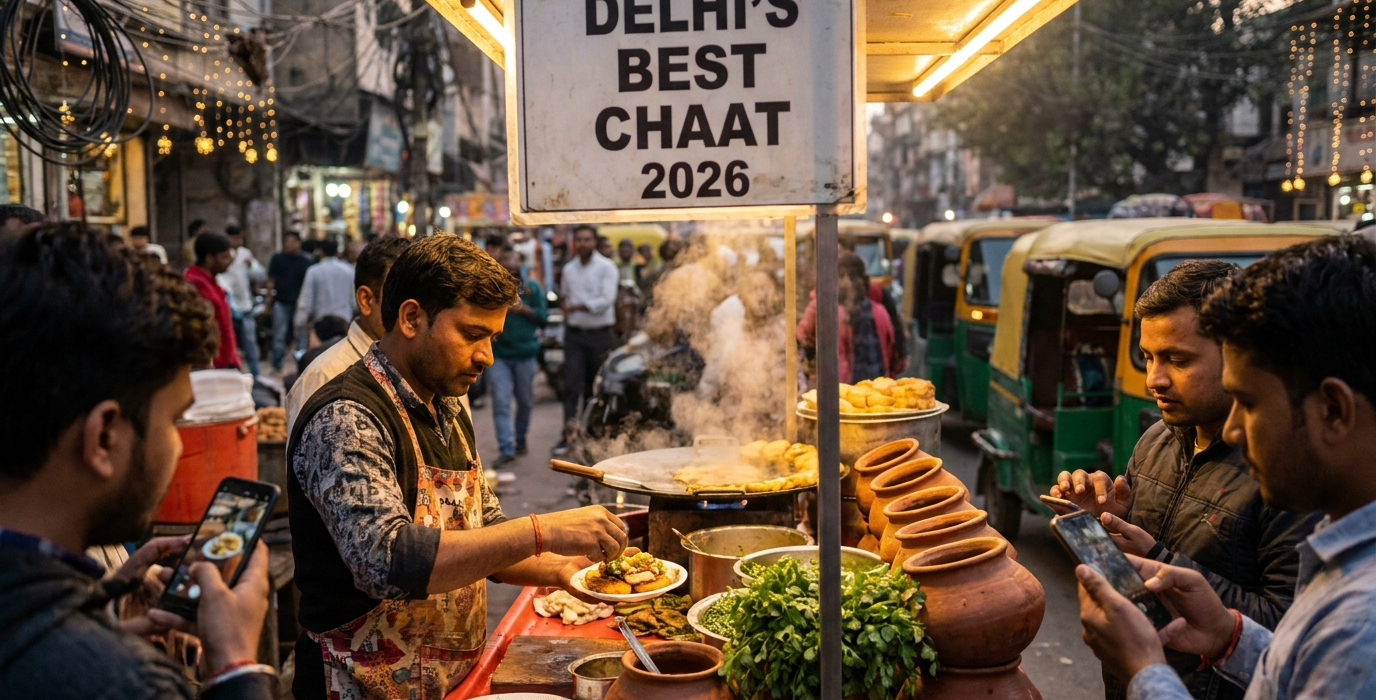
Delhi’s streets hum with a vibrant energy, and at its heart lies the irresistible aroma of chaat. This isn’t just food; it’s an institution, a sensory symphony of spices, textures, and flavours that has captivated generations. In 2026, the chaat scene is as dynamic as ever, blending time-honoured recipes with subtle innovations that cater to evolving palates.
From the iconic tang of tamarind to the fiery kick of green chillies, each bite tells a story. We’ve scoured the capital, from the labyrinthine lanes of Chandni Chowk to the more contemporary pockets of South Delhi, to bring you the definitive guide to experiencing the best of what Delhi’s chaat vendors are offering this season. Prepare your taste buds for an adventure.
Chandni Chowk: The Chaat Epicentre
When you think of Delhi chaat, your mind inevitably drifts to the legendary lanes of Chandni Chowk. This historic market is a pilgrimage site for food lovers, and its chaat stalls are the stuff of legends. Here, tradition isn’t just preserved; it’s perfected. Vendors have been perfecting their recipes for decades, passing down secrets through families.
One such institution is a small stall near the Paranthe Wali Gali, renowned for its Aloo Tikki. Unlike the often-mass-produced versions you might find elsewhere, their tikki is hand-pattied, fried to a perfect crisp, and served with a medley of chutneys that are nothing short of artistry. The sweet tamarind, the spicy mint, and a yoghurt-based raita create a complex flavour profile that is utterly addictive. Don’t be surprised by the queues; good things, especially in Chandni Chowk, are worth waiting for. The sheer variety, from the sharp, vinegary notes in some dishes to the cooling yoghurt in others, showcases the incredible depth of Indian street food. We also observed a surprising trend: a growing number of stalls offering gluten-free options for their popular snacks, a testament to their adaptability.
Beyond Chandni Chowk: Hidden Gems Emerge
While Chandni Chowk remains the undisputed king, the spirit of chaat has spread far and wide across Delhi, with incredible vendors setting up shop in unexpected corners. These newer establishments often bring a fresh perspective, blending traditional chaat elements with contemporary presentation and unique flavour combinations. You might find innovative takes on familiar favourites that surprise and delight.
Consider the Golgappa vendors in Lajpat Nagar. Their signature is a distinct flavour of pani (water) that incorporates a hint of roasted cumin and black salt, giving it a deeper, more complex aroma than the standard. They also offer a wider range of fillings, including a spicy chickpea mixture alongside the traditional spiced potato. Another must-visit is a modest cart in Hauz Khas Village, known for its Dahi Bhalla. Their bhallas are exceptionally soft and spongy, drowned in a thick, creamy yoghurt, and generously topped with tamarind chutney and a sprinkle of pomegranate seeds. The addition of the fresh pomegranate seeds offers a delightful burst of tartness that cuts through the richness.
Navigating the Chaat Landscape
For the uninitiated, navigating Delhi’s bustling chaat scene can seem daunting. The key is to embrace the chaos and trust your senses. Look for stalls with a steady stream of local customers; this is usually the best indicator of quality and authenticity. Hygiene is, of course, paramount. Most reputable vendors maintain high standards, using fresh ingredients and ensuring clean preparation areas.
When ordering, don’t hesitate to ask the vendor about their specialty. They are often proud to share their creations and can guide you through the menu. Many stalls offer a “mix” of chaats, allowing you to sample a variety of flavours and textures. This is an excellent way to get a comprehensive taste of what the vendor has to offer. We also noted that many vendors are now accepting digital payments, making the experience even smoother for those travelling or preferring cashless transactions. This shift is a significant convenience for both locals and tourists alike.
Regional Flavours on Display
Indian chaat is a fascinating tapestry woven from diverse regional threads, and Delhi, being the melting pot it is, showcases this beautifully. While certain preparations are ubiquitous, you’ll find subtle but significant differences that speak to their origins. Understanding these nuances can elevate your chaat experience from enjoyable to truly enlightening.
For instance, the Papdi Chaat you find in Delhi might differ slightly from what’s served in Punjab. Delhi’s version often emphasizes a sharper tanginess from the tamarind chutney and a more generous use of yoghurt. Conversely, a Kolkata-style Puchka (the Bengali name for Golgappa) often features a more robust, spicier filling and a distinctly sour pani. In Delhi, you can often find stalls that specialise in these regional variations, allowing you to embark on a culinary journey across the country without leaving the city. One surprising discovery this year was a stall in Connaught Place offering a Gujarati-style Sev Puri, incorporating sweet and tangy chutneys with a generous amount of crispy sev, a delightful fusion that’s gaining popularity.
| Chaat Type | Key Ingredients | Typical Flavour Profile | Regional Influence (Examples) |
|---|---|---|---|
| Aloo Tikki | Spiced potato patties, chutneys (tamarind, mint), yoghurt | Savory, tangy, spicy, cooling | North Indian |
| Golgappa/Puchka | Crisp semolina shells, spiced potato/chickpea filling, spiced water | Tangy, spicy, crisp, burst of flavour | Ubiquitous; variations in spice & filling (e.g., Bengali) |
| Dahi Bhalla | Lentil fritters, thick yoghurt, chutneys, spices | Creamy, sweet, tangy, cooling | North Indian |
| Sev Puri | Crisp puris, potato, onion, chutneys, sev (crispy chickpea noodles) | Tangy, sweet, spicy, crunchy | West Indian (especially Gujarati) |
Innovations and Adaptations in 2026
The world of chaat, like any vibrant culinary tradition, is not static. In 2026, we are seeing exciting innovations that respect the past while embracing the future. Vendors are increasingly mindful of dietary needs and preferences, leading to healthier and more inclusive options. This adaptability is crucial for their continued success and appeal to a broader audience.
Beyond the gluten-free options we’ve mentioned, some vendors are experimenting with healthier frying techniques or incorporating more fresh vegetables into their chaats. You might find Dahi Bhalla made with lighter lentil batters or Golgappa shells baked instead of fried. There’s also a noticeable trend towards artisanal chutneys, with vendors crafting unique blends using ingredients like dried figs, dates, or even exotic fruits. This focus on quality ingredients and thoughtful preparation is elevating the humble street food to new heights. We even encountered a stall in GK M Block Market that offers a “build-your-own-chaat” option, allowing customers to select their base, toppings, and chutneys, a truly personalised experience.
“Delhi’s chaat is more than just street food; it’s a living, breathing cultural phenomenon that constantly reinvents itself while staying true to its soulful roots. Each bite is a testament to tradition and innovation working in perfect harmony.”
Tips for a Delicious and Safe Chaat Experience
To truly savour Delhi’s chaat, a few practical tips can make all the difference. Firstly, choose your vendor wisely. Look for places that are popular with locals and appear clean. A busy stall often means fresh ingredients and high turnover, which is a good sign. Don’t be afraid to observe the preparation process for a moment.
Secondly, start with milder options if you’re new to Indian spices. Many vendors can adjust the spice level upon request. It’s always easier to add more spice than to take it away! Thirdly, stay hydrated. The spicy and tangy nature of chaat can make you thirsty, so keep a bottle of water handy. Lastly, embrace the experience. Chaat is meant to be enjoyed standing up, amidst the hustle and bustle. It’s a communal experience, a taste of Delhi’s vibrant soul.
Frequently Asked Questions
What is the most popular chaat in Delhi?
While popularity can vary, Golgappa (also known as Pani Puri) and Aloo Tikki are consistently among the most beloved and widely available chaat items across Delhi. Their widespread appeal stems from their universally satisfying combination of textures and flavours.
Are Delhi’s chaat stalls hygienic?
Most reputable chaat vendors in Delhi adhere to good hygiene practices. Look for busy stalls with a steady flow of customers, as this indicates fresh ingredients and high turnover. Vendors are increasingly aware of hygiene standards, especially in popular areas. If you have a particularly sensitive stomach, consider trying stalls that offer packaged or pre-prepared components.
Can I find vegan chaat options in Delhi?
Yes, many chaat dishes can be made vegan. Dahi Bhalla, for instance, can often be prepared without yoghurt or with a plant-based alternative if requested. Similarly, many vegetable-based chaats naturally exclude dairy. It’s always best to ask the vendor about ingredients to confirm vegan suitability, as some recipes might include ghee or yoghurt.
What are the best times to visit chaat stalls?
Chaat stalls are generally open from late morning through the evening. However, they tend to be busiest during lunchtime and early evening hours, especially around popular markets and tourist spots. Visiting during off-peak hours might mean shorter queues, but the atmosphere can be less vibrant.
Is it safe to eat chaat from street vendors?
For the vast majority of people, eating chaat from well-regarded street vendors in Delhi is safe and a highlight of any visit. The key is exercising discretion – choose vendors that look clean, are popular with locals, and where food is prepared fresh. Most vendors are very conscious of food safety and the reputation of their stall.