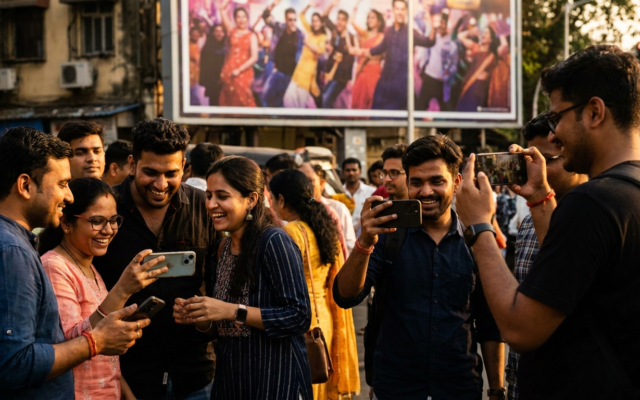
In a world moving at the speed of light, sometimes the most profound clarity comes from the quietest stories. These five narratives serve as essential companions for navigating the complexities of 2026.
Key Takeaways
- Learn how to redefine personal success beyond the metrics of social media and modern corporate hustle.
- Discover the art of intentional living and why slowing down is a strategic advantage in a high-growth economy.
- Understand the value of emotional resilience when facing the rapid technological shifts defining our current decade.
- Gain actionable wisdom on maintaining human connections in an increasingly digital-first landscape.
The Architect of the Silent Garden
In the bustling outskirts of Pune, an aging architect named Vikram was commissioned to design a public garden. While his peers were busy integrating augmented reality kiosks and smart-sensor lighting, Vikram spent his days observing the flow of rainwater and the migration patterns of local birds. The city officials were frustrated, demanding to know why he hadn’t installed the interactive digital interfaces they had budgeted for. Vikram simply smiled and told them to wait until the monsoon season arrived.
When the heavy rains finally hit, the high-tech parks across the city faced drainage failures and technical glitches. Meanwhile, Vikram’s garden flourished, its natural topography guiding water into hidden reservoirs that sustained the flora through the dry months. The lesson here is simple: true expertise lies in understanding fundamentals rather than chasing superficial trends. In an era where NITI Aayog emphasizes sustainable infrastructure, Vikram’s approach reminds us that the most durable solutions are often those that work in harmony with nature rather than against it.
Why Simplicity Prevails
Complexity is often a mask for a lack of understanding. When you strip away the noise of 2026’s constant connectivity, you are left with the core requirements of your life. Whether you are building a career in Bengaluru’s tech corridors or managing a household in Kolkata, the ability to focus on the essential is your greatest asset.
The Weaver of Lost Threads
Deep in the weaving clusters of Kanchipuram, there lived a master artisan named Meena. She was known for creating saris that felt like liquid silk, but she was famous for something else: she would often leave a deliberate mistake in every piece she wove. When asked why she would ruin a perfect work of art, she told the apprentices that perfection is a stagnant state. By leaving an intentional flaw, she invited the wearer to remember that humanity is inherently imperfect and therefore beautiful.
In a year where artificial intelligence can generate flawless patterns in milliseconds, Meena’s philosophy is a radical act of defiance. We are often pressured to curate our lives for maximum impact on professional networks and social platforms. Yet, it is the cracks in our stories that make us relatable and authentic. According to data on the Ministry of Education’s initiatives regarding holistic development, the focus on emotional intelligence and self-acceptance is becoming as vital as technical skill. Embracing your own imperfections is not a sign of weakness; it is the ultimate expression of confidence.
The Digital Nomad’s Compass
Rohan was a high-flying software developer who moved to the mountains of Himachal Pradesh to escape the burnout of Delhi. He spent his mornings coding for global firms and his afternoons tending to an apple orchard. One afternoon, a group of urban travelers approached him, asking how he managed to stay productive without the pressure of a traditional office. Rohan handed them a compass, not a smartphone, and told them to find the highest point on the ridge.
They returned hours later, exhausted but exhilarated. Rohan explained that he didn’t measure his success by his daily output, but by the clarity of his decision-making. He had learned that the most important tasks require deep, uninterrupted thought—a state often called “Deep Work.” In the modern economy, your capacity for focus is your most valuable currency. By stepping away from the constant barrage of notifications, he had reclaimed his autonomy. When you prioritize the quality of your output over the frequency of your presence, you inevitably rise to the top of your field.
The Merchant of Time
In a busy marketplace in Jaipur, a merchant sold small wooden boxes. He called them “Time Chests.” People would come to buy them, hoping to save time, thinking the box was a magical device. The merchant would simply give them a mirror instead. He explained that time isn’t something you can store or hoard; it is something you spend with every breath. You are the merchant of your own time, and the quality of your life depends on what you trade your hours for.
We often trade our best years for security, only to realize that security is a moving target. In 2026, the cost of living and the pace of inflation require us to be more deliberate about our financial and personal investments. As outlined by the Reserve Bank of India in their recent financial literacy guidelines, understanding the value of time-weighted returns—both in finance and life—is essential. Do not wait for the perfect moment to pursue your passions; the currency of your life is being spent right now.
| Investment Type | Primary Focus | Long-term Benefit |
|---|---|---|
| Financial Capital | Asset Allocation | Economic Stability |
| Human Capital | Skill Acquisition | Career Resilience |
| Social Capital | Relationship Depth | Mental Well-being |
| Time Capital | Intentional Living | Personal Satisfaction |
The most successful people of 2026 are not those who work the longest hours, but those who have mastered the art of choosing what to ignore.
The Bridge Builder of Varanasi
Old Man Govind lived by the ghats of Varanasi. For forty years, he had been repairing a small stone bridge that connected the temple to the market. He never asked for payment, and he never asked for recognition. One day, a young engineer asked him why he bothered, noting that the government had already planned a massive, modern flyover nearby. Govind simply replied that the stone bridge was where the elders walked, and they needed a path they could trust.
Govind understood that progress must not come at the cost of accessibility. While the world sprints toward the newest technology, there is a profound need for those who maintain the essential connections of our society. Your work, however small, matters if it helps someone else reach their destination safely. We are all bridge-builders in our own communities. Whether you are mentoring a colleague or supporting your family, your quiet dedication creates the foundation upon which others build their dreams.
The Reflection at the Horizon
Finally, consider the story of the traveler who reached the edge of the Kutch salt desert at sunset. The horizon was so perfectly mirrored by the salt flats that the sky and the earth became indistinguishable. He realized then that the barriers he had spent his life fighting—the lines between work and rest, between self and others—were largely illusions of his own making. When you stop fighting the horizon, you find yourself exactly where you need to be.
As you move through the rest of 2026, carry this perspective with you. You are part of a larger ecosystem, and your contributions are interconnected with the lives of millions. By staying grounded, embracing your unique flaws, and protecting your focus, you create a life that is not just successful, but deeply meaningful. The journey is not about reaching the end; it is about how you walk the path today.
Frequently Asked Questions
How can I stay motivated when the world feels overwhelming?
Motivation is finite, but discipline is sustainable. Instead of relying on bursts of inspiration, build small, non-negotiable habits that move you forward. Focus on one task at a time rather than the entire mountain, and you will find that progress naturally creates its own momentum.
Is it really possible to simplify my life in a high-growth economy like India?
Yes, but it requires intentional choices. Minimalism in 2026 isn’t about having nothing; it is about having only what serves your purpose. By auditing your commitments and digital habits, you can reclaim space for what truly matters, even in a fast-paced environment.
How do I balance the need for constant learning with the need for rest?
Think of learning as your fuel and rest as the engine maintenance. Without maintenance, the engine burns out. Schedule your rest as strictly as you schedule your meetings; in a world that never sleeps, the person who knows how to recharge is the one who lasts the longest.
What is the most important skill to cultivate in the next five years?
Adaptability, combined with human-centric empathy. While technical skills will evolve rapidly, the ability to understand human needs, solve complex interpersonal problems, and remain resilient in the face of change will remain the most sought-after qualities in every industry.