
Key Takeaways
- India’s entrepreneurial spirit is flourishing, with new ventures across diverse sectors like fintech, agritech, and sustainable manufacturing.
- Many successful founders attribute their breakthroughs to deep understanding of local challenges and leveraging India’s growing digital infrastructure.
- Building resilience, fostering strong teams, and adapting to rapid market shifts are crucial elements of these 2026 success stories.
- Navigating regulatory landscapes and securing strategic funding remain key hurdles, but innovative solutions are emerging.
The Rise of Bharat’s Digital Disruptors
The year 2026 is proving to be a watershed moment for Indian entrepreneurship, showcasing an unprecedented wave of innovation and resilience. From the bustling tech hubs of Bengaluru to the burgeoning startup ecosystems in tier-2 cities like Indore and Bhubaneswar, a new generation of founders is rewriting the rules of business. They are not just building companies; they are creating solutions that address deeply entrenched societal needs, leveraging India’s vast digital penetration and a rapidly expanding consumer base. We see a strong emphasis on solving real-world problems, moving beyond imitation to genuine innovation tailored for the Indian context.
This surge is fueled by a confluence of factors: increased access to venture capital, supportive government policies like Startup India, and a growing pool of skilled talent. The pandemic, while disruptive, also accelerated digital adoption, creating fertile ground for tech-enabled businesses. Companies are now focusing on sustainable growth, profitability, and creating long-term value, a departure from earlier trends. This shift signals a maturing startup landscape, one that is increasingly confident on the global stage.

Fintech’s Unstoppable Momentum
The financial technology (fintech) sector continues to dominate headlines, with Indian startups demonstrating remarkable innovation in democratizing access to financial services. Companies are pushing the boundaries of digital payments, lending, insurance, and wealth management, reaching millions who were previously underserved. We’re seeing a particular focus on embedded finance, where financial services are seamlessly integrated into non-financial platforms, making transactions and access to credit more intuitive than ever. This has dramatically reduced friction for small businesses and individual consumers alike.
One standout success is ‘PaySwift,’ a Bengaluru-based firm that has revolutionized micro-lending for rural entrepreneurs. By using alternative data points and AI-driven risk assessment, PaySwift provides instant, collateral-free loans through a simple mobile app. Their platform has empowered over 500,000 small businesses across 15 states since its inception in 2023. The company’s CEO, Priya Sharma, often emphasizes their mission: “We believe financial inclusion isn’t just a buzzword; it’s the bedrock of economic empowerment for Bharat.” This commitment to serving the last mile is a common thread among top-performing fintechs.
Agritech: Cultivating the Future
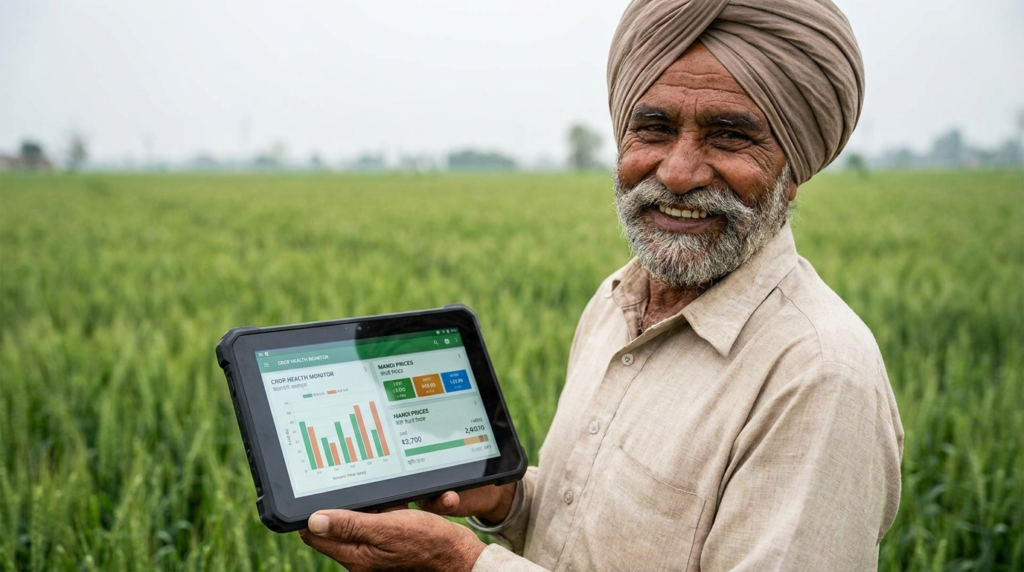
India’s agricultural backbone is undergoing a significant transformation, thanks to a vibrant agritech sector. Founders are tackling critical challenges from inefficient supply chains and unpredictable weather to limited access to modern farming techniques and credit. This year, we’ve seen significant advancements in precision agriculture, supply chain traceability, and farmer-centric digital platforms. These innovations are not just boosting yields but also ensuring fairer prices for farmers and better quality produce for consumers.
‘KrishiConnect,’ a Hyderabad-based startup, exemplifies this trend. They have developed an AI-powered platform that provides farmers with hyper-local weather forecasts, personalized crop advisory, and direct market linkages. Their unique blockchain-based traceability system ensures consumers can verify the origin and journey of their food, building trust and commanding premium prices for farmers. The company recently secured its Series C funding, valuing it at over $500 million. This success highlights the immense potential of technology to uplift India’s agricultural community, a sector that continues to employ a substantial portion of the nation’s workforce.
The Sustainable Manufacturing Revolution
Beyond tech, a powerful movement towards sustainable manufacturing is gaining momentum across India. Entrepreneurs are embracing circular economy principles, developing eco-friendly materials, and adopting green manufacturing processes. This is driven by a growing awareness among consumers and businesses about environmental impact, coupled with government initiatives promoting green industries. We are witnessing innovative solutions in areas like waste-to-energy, bio-plastics, and upcycled materials.
‘EcoFab India,’ based in Coimbatore, has emerged as a leader in sustainable textiles. They utilize recycled plastic bottles and agricultural waste to create high-quality fabrics for apparel and home furnishings. Their meticulous attention to water conservation and zero-chemical dyeing processes has attracted major global brands. EcoFab’s commitment extends beyond production, as they actively engage in community programs for waste collection and skill development. Their success is a testament to the fact that profitability and planetary well-being can indeed go hand-in-hand.
Navigating the Regulatory Landscape
While the entrepreneurial spirit is soaring, navigating India’s complex regulatory environment remains a key challenge for many startups. Founders must stay abreast of evolving compliance requirements, tax laws, and sector-specific regulations. However, innovative solutions and a proactive approach are helping entrepreneurs overcome these hurdles. Many startups now employ dedicated compliance teams or leverage specialized legal-tech platforms to streamline these processes.
For instance, the Reserve Bank of India (RBI) continues to refine its guidelines for digital lending and payment systems, ensuring consumer protection while fostering innovation. Companies that demonstrate a strong commitment to regulatory compliance and ethical business practices are not only avoiding penalties but also building trust with investors and customers. This focus on governance is a hallmark of the more mature and sustainable businesses emerging today.
“The true strength of Indian entrepreneurship lies not just in its rapid growth, but in its deep-rooted commitment to solving real problems for the many, not just the few.”
The Power of ‘Glocal’ Innovation
A striking characteristic of India’s successful entrepreneurs in 2026 is their mastery of ‘glocal’ innovation – the ability to think globally while acting locally. They understand the nuances of the Indian market, its diverse consumer behaviors, and its unique challenges, but they also draw inspiration from global best practices and technologies. This dual perspective allows them to create solutions that are both relevant to the Indian context and competitive on an international scale.
Consider ‘MedTech India,’ a Chennai-based company that has developed an affordable, portable diagnostic device for remote healthcare. Their device integrates AI to assist local healthcare workers in diagnosing common ailments, reducing the burden on overburdened primary health centers. The technology itself is cutting-edge, but its design and application are specifically tailored for rural clinics with limited infrastructure and electricity. This thoughtful localization has led to widespread adoption and significant improvements in health outcomes. The company is now exploring partnerships to bring similar solutions to other emerging markets, proving that local innovation can indeed have a global impact.
Building Resilient and Adaptable Teams
Behind every successful startup is a strong, adaptable team. In 2026, founders are prioritizing building cultures of psychological safety, continuous learning, and empowerment. They understand that in a rapidly evolving market, the ability to pivot, innovate, and overcome setbacks is paramount. This involves investing in talent development, fostering open communication channels, and ensuring that every team member feels valued and heard.
Many successful leaders emphasize the importance of diversity within their teams, recognizing that varied perspectives lead to more robust problem-solving and creativity. Companies that prioritize employee well-being and provide opportunities for professional growth are seeing lower attrition rates and higher engagement. This human-centric approach to team building is proving to be a significant competitive advantage, allowing businesses to weather economic storms and seize new opportunities with agility.
Frequently Asked Questions
What are the key sectors driving startup growth in India in 2026?
The primary drivers are fintech, which continues to expand financial inclusion; agritech, revolutionizing farming practices and farmer livelihoods; and sustainable manufacturing, focusing on eco-friendly products and processes. Emerging areas also include healthtech and edtech.
How are Indian entrepreneurs addressing the challenges of rural markets?
Many entrepreneurs are leveraging mobile technology and digital platforms to reach rural consumers and producers. They often create simplified interfaces, utilize vernacular languages, and build trust through local partnerships and community engagement. Solutions focus on affordability and accessibility.
What role does government policy play in supporting Indian startups?
Government policies, such as the Startup India initiative, provide crucial support through funding schemes, tax incentives, and reduced regulatory burdens. Initiatives promoting digital infrastructure and ease of doing business also create a more favorable environment for innovation.
How important is international collaboration for Indian startups?
International collaboration is becoming increasingly vital. It allows Indian startups to access global markets, acquire advanced technologies, attract foreign investment, and learn from international best practices. Many are actively seeking strategic partnerships for expansion and knowledge exchange.