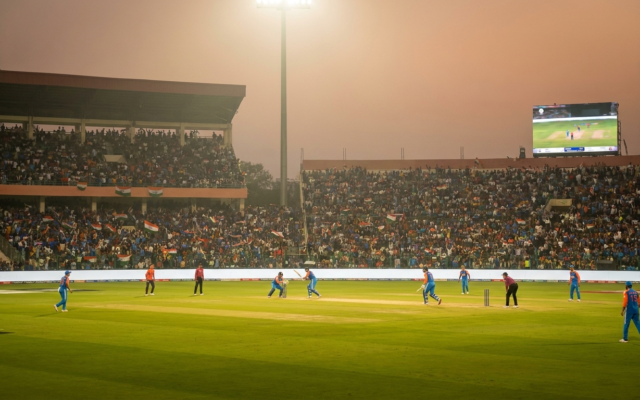
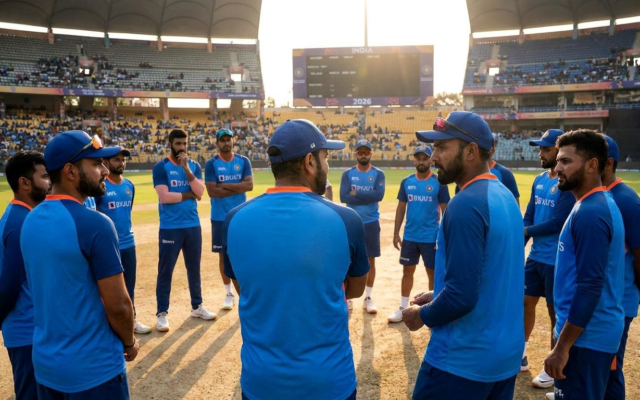
The 2026 Border-Gavaskar Trophy is finally here, and for cricket fans across the subcontinent, the wait has been nothing short of agonizing. As India prepares to take on Australia on their home soil in a high-stakes series, the air in stadiums from Bengaluru to Ahmedabad is already thick with anticipation.
Key Takeaways
- The 2026 series spans five venues across India, starting in November 2026 and concluding in January 2027.
- India’s spin department faces a stern test against Australia’s refined sweep-shot strategy developed during the 2026 off-season.
- Tickets will be released in phases via the official BCCI portal to manage record-breaking demand.
- Key player battles include the clash between India’s emerging pace battery and the veteran Australian top order.
The Strategic Landscape of the 2026 Series
The 2026 Border-Gavaskar Trophy is not just another series; it is a tactical chess match played on 22 yards of earth. With the International Cricket Council having finalized the updated World Test Championship standings for the 2025-2027 cycle, every session carries immense weight. India enters this series with a formidable record at home, yet the Australian camp arrives with a revamped coaching staff and a fresh analytical approach to playing spin.
You should expect the pitches to offer a balance that favors traditional red-ball cricket. Unlike the dust bowls of the past, curators at the Wankhede and Eden Gardens are reportedly aiming for surfaces that provide carry for the pacers early on. This shift is designed to neutralize Australia’s tendency to rely heavily on frontline spinners. We are seeing a concerted effort to bring the art of swing bowling back into the foreground of Indian domestic cricket.
For the Indian team, the primary objective is to maintain their fortress-like dominance. However, the Australian side has invested heavily in artificial intelligence-driven scouting reports that analyze the specific release points of Indian spinners. This high-tech preparation is a reminder of how modern sports have evolved. It is no longer just about talent; it is about data-driven execution under immense pressure.
Fixtures and Venue Breakdown
The schedule is designed to challenge both teams with varying climatic conditions. The series kicks off in the humid coastal air of Mumbai before moving to the cooler, high-altitude conditions of the north. Following this, the caravan heads to the massive arenas of Ahmedabad and Hyderabad. The final showdown is scheduled for the historic turf of the Eden Gardens in Kolkata, where the atmosphere promises to be electric.
The BCCI has confirmed that all matches will start at 9:30 AM IST to ensure maximum broadcast reach. This timing is crucial for fans in the UK and Australia, allowing them to follow the action live during their waking hours. You can track the official start times and any potential weather-related delays through the BCCI match center.
One surprising fact many fans miss: the outfield grass at the Narendra Modi Stadium is a specialized hybrid Bermuda variety that is maintained at a precise height of 10mm to ensure consistent ball travel. This level of maintenance is part of the professionalization of Indian cricket grounds over the last two years. Every millimeter matters when the margins of victory are this slim.
Key Player Battles to Watch
The duel between the Indian openers and the Australian pace trio remains the marquee attraction of this series. Australia’s lead pacer has spent the last six months working on a specific “corridor of uncertainty” line designed to target the pads of right-handed batters. On the flip side, the Indian middle order has been practicing against high-velocity ball-throwing machines to replicate the steep bounce expected at the Wankhede.
Keep a close eye on the emergence of India’s young all-rounders. Their ability to contribute 30-40 runs in the lower order while providing essential breakthroughs could be the difference-maker. Statistical modeling from the global cricket data archives suggests that matches in India are increasingly won by the contribution of the number 7 and 8 batters.
Furthermore, the Australian captain’s tactical flexibility will be tested early. When the ball stops swinging and starts reversing, the captain’s ability to manage his bowlers’ workloads while maintaining pressure will define the outcome of the opening Test. It is a grueling physical challenge that tests the endurance of every player on the field.
Comparing the Squads
The team compositions reveal a fascinating mix of experience and youthful exuberance. India has opted for a spin-heavy attack, while Australia has reinforced their squad with a dedicated reserve batter who specializes in domestic Indian conditions. The following table provides a breakdown of the core squad strengths for the upcoming series.
| Feature | India Squad | Australia Squad |
|---|---|---|
| Primary Strength | Spin variety and depth | Pace and bounce |
| Key Expert | Lead Spin Consultant | Batting Strategy Coach |
| Home Advantage | Deep knowledge of soil | Recent domestic experience |
| Squad Size | 18 Players | 17 Players |
The real beauty of a Test match in India lies in the transition of the pitch; what looks like a batting paradise on Day 1 often transforms into a battle of survival by Day 4.
The Logistics of Attending
If you are planning to attend, preparation is paramount. Tickets are notoriously difficult to secure, and the BCCI has moved entirely to a digital-first ticketing system for 2026. You will need a verified ID linked to your account to complete any purchase. Be wary of unauthorized third-party resale sites, as the authorities have been strictly enforcing biometric entry requirements at the gates.
Transportation to the venues is also becoming more streamlined. In cities like Hyderabad and Bengaluru, the metro systems have extended their operational hours for match days. We strongly recommend using public transport, as parking near major stadiums like the M. Chinnaswamy Stadium is extremely limited. It is also worth noting that the BCCI stadium guidelines strictly prohibit bringing power banks and external batteries into the stands, so plan your phone usage accordingly.
Another interesting detail: the use of eco-friendly, compostable cutlery in stadium food courts is now mandatory for all 2026 venues. This initiative, part of the “Green Cricket” drive, has reduced stadium waste by nearly 40 percent compared to the 2024 season. It is a small but significant shift that makes the stadium experience cleaner and more sustainable for everyone involved.
Frequently Asked Questions
How can I watch the 2026 India vs Australia series live?
You can watch the series on the official broadcast partner’s digital platform or via cable television. The broadcast rights for the 2026 season are held by Star Sports, with streaming available through their dedicated mobile application.
Are there restrictions on what I can bring to the stadium?
Yes, stadiums have a strict no-bag policy for safety reasons. You are generally permitted to bring a wallet, a mobile phone, and a small water bottle, but large bags, cameras with detachable lenses, and power banks are prohibited.
What happens if a match is interrupted by rain?
Matches are subject to DLS (Duckworth-Lewis-Stern) calculations if rain impacts limited-overs formats, though for Test matches, the umpires utilize the “super-sopper” systems and full-ground covers to resume play as quickly as possible. Official updates on play resumption are provided by the match officials on the stadium big screens.
Will the BCCI increase ticket capacity for the final Test?
Capacity is determined by local fire safety regulations and municipal approvals for each specific venue. While there has been talk of adding temporary seating in select stadiums, it is subject to rigorous safety audits by the BCCI infrastructure committee to ensure fan safety.