As the coastal winds shift this October 2026, the pristine shores of Kerala remain the ultimate sanctuary for those seeking a reprieve from the relentless pace of urban life. From the hidden, sun-drenched coves of the north to the iconic, cliff-backed vistas of the south, we have curated the definitive list of coastal escapes that prioritize tranquility, environmental health, and authentic local charm.
Key Takeaways
- Marari Beach in Alappuzha stands out as the cleanest shoreline in Kerala, consistently maintaining high standards for water quality and waste management.
- Kovalam and Varkala remain the gold standards for infrastructure, but lesser-known spots like Bekal offer a more secluded, luxury-focused experience.
- For the best experience, visit between November and February when the humidity drops and the Arabian Sea currents are at their most predictable.
- Always prioritize beaches with Blue Flag certification standards, which ensure rigorous monitoring of safety and ecological sustainability.
Marari Beach: The Gold Standard for Serenity
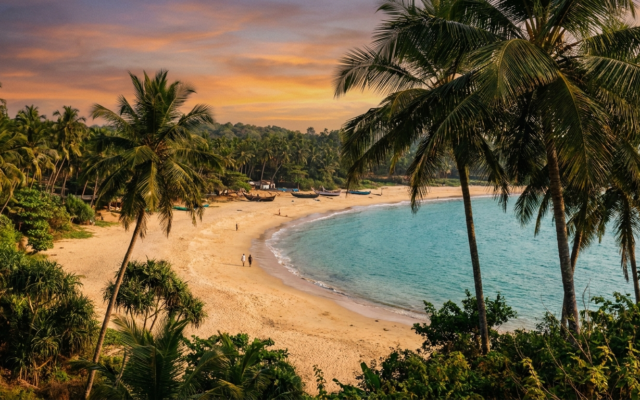
If you are hunting for the quintessential “God’s Own Country” beach experience without the suffocating crowds of Kochi, Marari is your destination. Located just a short drive from the famous backwaters of Alappuzha, Marari offers a wide, untouched expanse of white sand lined with swaying coconut palms. It is not a commercial hub, which is precisely why it remains so pristine.
The local community in Marari has been instrumental in keeping the beach clean, often organizing volunteer-led sanitation drives to preserve the delicate coastal ecosystem. You will find that the water quality here is exceptional, as confirmed by periodic assessments from the Kerala Tourism Department. Whether you are looking to practice yoga at sunrise or simply read a book in a hammock, the lack of loud shack music makes this the quietest beach on our list.
We recommend staying in one of the eco-friendly homestays tucked away in the fishing villages surrounding the beach. These homes provide a genuine look into the life of Kerala’s coastal fishing community. You will often see traditional wooden boats returning to shore at dawn, laden with the day’s catch. It is a humbling, authentic experience that defines the soul of Malabar coastal life.
Varkala Cliff: A Geological Marvel
Varkala is unique in the entire Indian subcontinent because it is the only place in Kerala where massive, red laterite cliffs rise abruptly from the Arabian Sea. The Papanasam Beach, nestled at the base of these cliffs, is not just a geological wonder but a cultural landmark. Pilgrims believe that taking a dip in these waters washes away one’s sins, adding a layer of spiritual gravity to your holiday.
The cliff itself is lined with a vibrant promenade of cafes, bookstores, and wellness centers. Unlike the flat, sprawling beaches of the north, Varkala offers a sense of enclosure and intimacy. You can spend your morning watching paragliders drift over the cliff’s edge and your afternoon exploring the nearby Janardanaswamy Temple, which dates back over 2,000 years.
One surprising fact: the cliff face at Varkala is actually a protected geological monument, known as the “Varkala Formation,” which reveals millions of years of sedimentary history. When visiting, please respect the local signage regarding cliff erosion. The Geological Survey of India has highlighted the importance of preserving these fragile slopes from excessive construction and foot traffic to ensure their long-term structural integrity.
Bekal: North Kerala’s Best Kept Secret
If you are willing to travel to the northernmost tip of Kerala, Kasaragod, you will be rewarded with the sprawling, majestic Bekal Beach. It is dominated by the Bekal Fort, a massive, keyhole-shaped structure that guards the coastline. This is easily the most photogenic beach in the state, offering panoramic views of the sea from the ramparts of the fort.
Bekal is less about partying and more about high-end rejuvenation. The luxury resorts here are architecturally designed to blend into the landscape, often utilizing local laterite stone and coconut wood. It feels like a private retreat, even during the peak travel months of December and January. The coastline is remarkably wide, ensuring that you always find a private spot to watch the sun dip below the horizon.
One fascinating bit of history: Bekal Fort was built in the 17th century by Shivappa Nayaka of Keladi, and it never served as a center of administration, but was built exclusively for defense purposes. This explains why the fort is so well-preserved and devoid of the grand, cluttered palaces found elsewhere. It provides a stark, powerful silhouette against the blue backdrop of the sea.
Comparison of Kerala’s Premier Beaches
| Beach Name | Best For | Vibe | Crowd Level |
|---|---|---|---|
| Marari | Relaxation | Serene | Low |
| Varkala | Views/Culture | Bohemian | Medium |
| Bekal | Luxury/History | Exclusive | Low |
| Kovalam | Infrastructure | Bustling | High |
| Cherai | Families | Casual | Medium |
Cherai: The Convergence of Sea and Backwaters
Located on the northern end of Vypeen Island, Cherai Beach is a rare geographical phenomenon where the sea and the backwaters meet, separated only by a narrow strip of land. This makes it an ideal destination for families. The shallow waters are generally calmer than those at Varkala, making them safer for children and amateur swimmers.
The beach is also famous for its frequent dolphin sightings, especially in the early mornings. We suggest renting a bicycle to explore the island, where you can move seamlessly from the salty sea air to the fresh, green environment of the paddy fields within minutes. It provides a balanced itinerary for those who get bored sitting on the sand for too long.
Cherai has seen significant infrastructure improvements over the last two years. The local government has invested in better lighting and safety watchtowers, reflecting a commitment to tourism safety. It remains a favorite among locals from Kochi, which gives it a more community-oriented atmosphere compared to the strictly tourist-focused beaches in the south.
The true magic of a Kerala beach escape lies not in the luxury of the resort, but in the quiet moment at dawn when the fishermen’s nets are pulled from the surf and the sky turns the color of a ripened mango.
Kovalam: The Classic Coastal Icon
Kovalam needs no introduction, yet it remains relevant for 2026 travelers because of its unparalleled convenience. If you are flying into Thiruvananthapuram, you can be on the beach within 30 minutes of leaving the airport. Its crescent-shaped coastline, famously marked by the red-and-white striped lighthouse, has been a staple of Indian tourism for decades.
While it is the most commercialized, the southern section, known as Lighthouse Beach, offers a vibrant energy that is hard to replicate elsewhere. The culinary scene here is excellent, ranging from high-end seafood grills to hole-in-the-wall joints serving authentic Kerala fish curry. If you crave social interaction and world-class hospitality, this is your primary choice.
We advise visitors to stay in the quieter lighthouse-adjacent hotels if you prefer sleep over nightlife. Despite the popularity, the local municipality has worked hard to improve waste management protocols. You can find detailed updates on tourism initiatives and visitor facilities through the official Kerala Tourism Portal, which provides real-time information on beach conditions and seasonal events.
Kannur: The Undiscovered Frontier
For the intrepid traveler, the beaches of Kannur—specifically Muzhappilangad—offer something truly unique. It is the only “drive-in” beach in the entire state of Kerala. You can literally drive your car or motorcycle along the hard-packed sand for nearly four kilometers. It is a surreal experience, feeling the mist of the Arabian Sea against your windshield as you cruise along the shoreline.
Beyond the drive-in, the northern coast of Kannur is dotted with hidden coves like Thottada, which are perfect for those who want to disconnect entirely from the digital world. The beaches here are fringed by natural vegetation rather than concrete walls, providing a raw and authentic look at India’s southwest coast.
It is a lesser-known fact that the coastal waters off Kannur are home to rare migratory bird species that frequent the estuaries during the winter months. If you are a photography enthusiast, bringing a long lens is highly recommended. The local tourism board has been pushing for “slow travel” in this region, encouraging visitors to spend at least three or four days to truly absorb the culture of the Theyyam rituals that occur in the nearby villages.
Frequently Asked Questions
When is the best time to visit Kerala beaches?
The optimal time is between November and February. The monsoon rains have receded, the humidity is manageable, and the sea conditions are generally safe for swimming and water sports.
Are Kerala beaches safe for swimming?
Most popular beaches have lifeguards on duty during daylight hours. However, always look for the colored flags: a red flag means the current is dangerous and swimming is prohibited, while a green or yellow flag indicates safer conditions.
Do I need special permits to visit remote beaches?
Generally, no. Most beaches in Kerala are public spaces. However, if you are planning to visit beaches near protected wildlife sanctuaries or sensitive ecological zones, check the local signage or the official Kerala Forest Department website for any restrictions regarding entry times or photography.
Is it easy to find vegetarian food near the beach?
Yes, Kerala is exceptionally vegetarian-friendly. Most beach cafes offer a wide array of plant-based local dishes, such as appam with vegetable stew, thoran, and fresh tropical fruit platters, ensuring you never go hungry regardless of your dietary preference.