Key Takeaways
- Discover Goa’s hidden beaches, offering serene escapes away from the bustling tourist hubs.
- Explore the northern coast’s less-trodden sands for a tranquil experience.
- Venture south for unspoiled coves and a more laid-back vibe.
- Learn about local transport, accommodation, and dining tips for navigating these offbeat locations.
Unveiling Goa’s Undiscovered Shores: Your 2027 Sanctuary
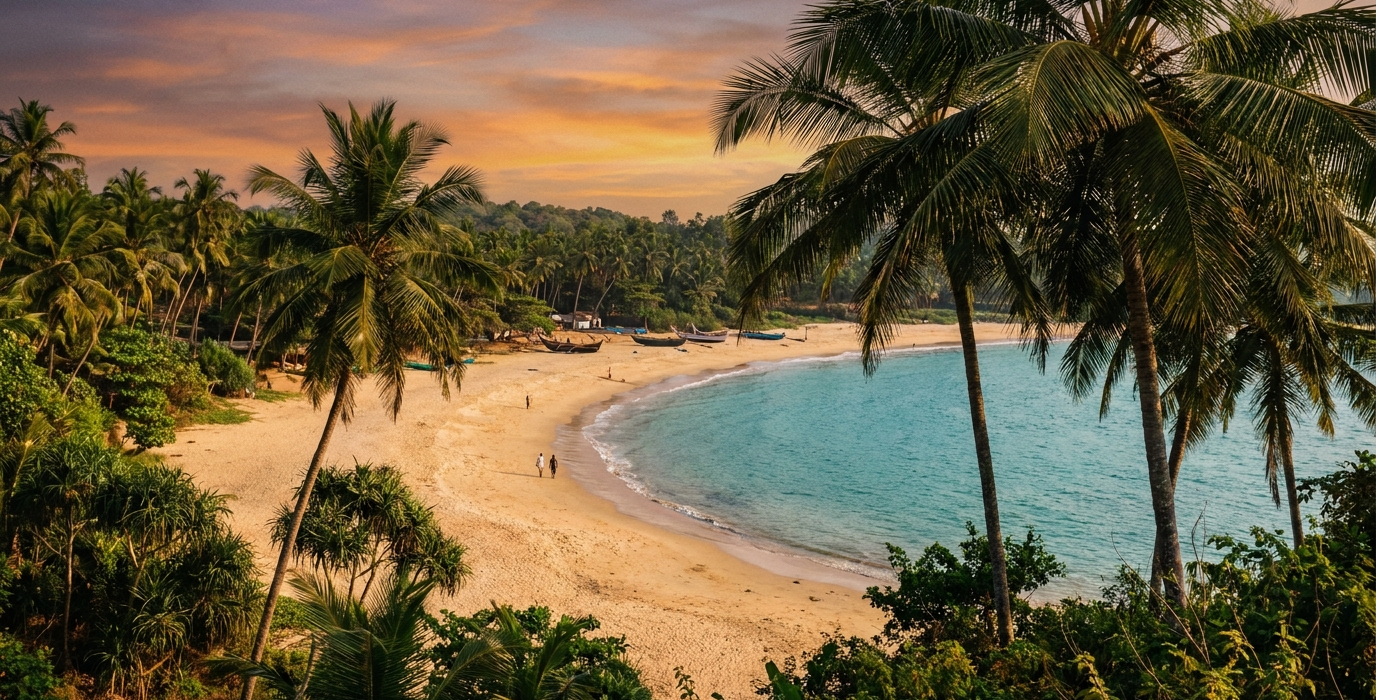
As the sun dips below the horizon, painting the sky in hues of saffron and rose, you might imagine Goa to be a land of bustling crowds and thumping music. While its famous shores certainly offer that vibrant energy, a different kind of magic awaits those willing to venture a little further. This 2027, we’re peeling back the layers to reveal Goa’s secret beaches, places where the rhythm of the waves is your only soundtrack and pristine sands stretch as far as the eye can see.
Forget the well-worn paths of Baga and Calangute. We’re talking about secluded coves, sleepy fishing villages, and stretches of coastline that still feel genuinely untouched. These are the destinations that offer a true escape, a chance to reconnect with nature and yourself. We’ve scoured the coastline, from the northern fringes to the southern whispers, to bring you the insider’s guide to Goa’s most tranquil havens.
Whether you seek a quiet spot for sunrise yoga, a secluded cove for a private picnic, or simply a place to read a book undisturbed, Goa’s lesser-known beaches are ready to welcome you. Prepare to be enchanted by their raw beauty and the peaceful atmosphere that defines them. This is your invitation to experience Goa like never before.
North Goa’s Whispering Sands: Beyond the Buzz
North Goa, often synonymous with vibrant nightlife and lively markets, also harbors pockets of profound serenity. Beyond the popular stretches, you’ll find beaches where the sand is softer, the crowds are thinner, and the air feels noticeably fresher. These are the places to go when you crave a taste of Goan charm without the usual hustle and bustle.
Consider Ashwem Beach, a long, wide expanse of golden sand that still retains a bohemian charm. While it has seen a rise in popularity among those seeking a more refined beach experience, it’s far from overcrowded. You’ll find a scattering of chic beach shacks offering fresh seafood and chilled drinks, perfect for a lazy afternoon. The waves here are generally gentle, making it ideal for a refreshing dip.
Further north, Mandrem Beach offers an even more tranquil setting. Separated from Ashwem by a small tidal river, it’s characterized by its casuarina groves and a laid-back atmosphere. It’s a favourite among yoga enthusiasts and those seeking a peaceful retreat. The sunset views from Mandrem are simply breathtaking, often with only a handful of other people sharing the spectacle.
For a truly offbeat experience, head to Querim Beach (Keri), Goa’s northernmost beach. This is a place where time seems to slow down. Accessible by a slightly more adventurous route, Querim is known for its dramatic red cliffs and the ancient Tiracol Fort overlooking it. The beach itself is wide and relatively undeveloped, offering a sense of raw, untamed beauty. A surprising fact: The Tiracol Fort, visible from Querim, was once a Portuguese ammunition depot and later a police station before being restored and opened as a heritage hotel.
South Goa’s Emerald Embrace: Unspoiled Serenity
While North Goa buzzes with activity, South Goa whispers tales of tranquility. This region is renowned for its long, palm-fringed beaches, calmer waters, and a palpable sense of peace. If you’re dreaming of an escape where the loudest sound is the lapping of waves and the rustle of coconut leaves, South Goa is your destination.
Cola Beach, with its stunning freshwater lagoon fringed by palm trees, is a hidden gem that feels like a world away. The approach to Cola is an adventure in itself, often involving a bumpy ride down a dirt track, which naturally deters large crowds. The beach is divided into two parts by a sandbar: one side faces the Arabian Sea, while the other boasts the serene lagoon, perfect for a unique swimming experience.
Further south, Agonda Beach offers a different kind of magic. This vast, crescent-shaped beach is a haven for those seeking solitude. It’s a nesting ground for Olive Ridley turtles, and during the season (typically October to March), you might witness this incredible natural phenomenon. The beach is lined with simple guesthouses and beach huts, fostering a laid-back, eco-conscious vibe.
Even more secluded is Vagator Beach’s lesser-known cousin, Chapora Beach. While Vagator itself is popular, the smaller, more rugged Chapora beach, nestled beneath the Chapora Fort, offers a more intimate experience. It’s a favourite spot for locals and those in the know. The dramatic rocky outcrops and the panoramic views from the fort make it a photographer’s delight. A surprising fact you might not know: Chapora Fort, famously featured in the Bollywood film ‘Dil Chahta Hai’, offers a spectacular vantage point for watching the sunset over the Arabian Sea, a view that remains relatively unmarred by commercial development.
Navigating Your Offbeat Adventure: Practical Tips for 2027
Embarking on a journey to Goa’s hidden beaches requires a touch of planning and a willingness to embrace the unconventional. While these destinations offer unparalleled tranquility, they also mean fewer conveniences than their bustling counterparts. But that’s precisely part of their charm, isn’t it?
Getting to these secluded spots often involves a combination of local transport. For the more remote beaches like Querim or Cola, hiring a scooter or a car for the day is highly recommended. You can easily rent these in major towns like Mapusa or Margao. Alternatively, local buses will take you to the nearest main village, from where you might need to arrange a taxi or a motorcycle ride. Don’t be afraid to ask locals for directions; they are usually very helpful.
Accommodation options near these hidden gems tend to be more rustic and intimate. Think charming guesthouses, eco-friendly beach huts, or small boutique hotels rather than large resorts. Booking in advance, especially during peak season (November to February), is advisable, though often you can find charming places by simply showing up and exploring. For a truly local experience, consider homestays in nearby villages.
Dining will likely involve small, family-run shacks or restaurants. Embrace the opportunity to savour authentic Goan cuisine, often prepared with the freshest local ingredients. Freshly caught fish, Goan curries, and local toddy are must-tries. Remember that facilities can be basic, so carrying essentials like cash, sunscreen, insect repellent, and a basic first-aid kit is always a good idea.
Beyond the Sand: Cultural Encounters and Local Flavours
Your journey to Goa’s secret beaches is more than just sun and sand; it’s an opportunity to immerse yourself in the local culture and savour authentic Goan flavours. These offbeat locations often retain a stronger sense of tradition and community, offering a glimpse into the real Goa.
In villages near the northern beaches like Mandrem or Ashwem, you might stumble upon local markets selling handmade crafts, spices, and fresh produce. Engaging with the local artisans and vendors can be a rewarding experience. A visit to a local temple or church, often centuries old, can also offer insights into the region’s spiritual heritage. The pace of life here is slower, inviting you to observe and appreciate the daily rhythms.
When it comes to food, step away from the tourist menus. Seek out the small, unassuming eateries where locals dine. Here, you’ll find the true essence of Goan cuisine. Don’t miss out on a traditional Goan fish thali, a platter brimming with rice, fish curry, vegetable preparations, and pickles. For those with a taste for something bolder, try the vindaloo or xacuti, rich, flavourful curries that are staples of Goan cooking.
You might also discover local specialties like Goan sausages (chorizo) or ‘feni’, a potent spirit distilled from cashew apples or coconut. While feni is strong, sampling it in moderation can be a memorable part of your cultural exploration. A surprising fact: The traditional method of distilling feni often involves using a hollowed-out cashew fruit as a funnel, a practice passed down through generations.
The Allure of the Unseen: Why Choose Seclusion in 2027?
In an increasingly connected and bustling world, the allure of the unseen, the uncrowded, and the unscripted becomes ever more potent. Goa’s secret beaches offer precisely this: an antidote to the relentless pace of modern life. They are not just destinations; they are experiences that nourish the soul.
Choosing these offbeat locations in 2027 is about reclaiming your time and your peace. It’s about experiencing the raw, natural beauty of Goa without the commercial overlay. It’s about the simple joy of watching a fisherman mend his nets, the quiet contemplation of the vast ocean, or the spontaneous conversation with a local elder.
“The true luxury of travel today lies not in extravagance, but in the ability to find moments of genuine peace and connection.”
These hidden shores offer a chance to disconnect from the digital noise and reconnect with yourself and your surroundings. You can spend your days exploring hidden rock pools, practicing yoga on an empty stretch of sand, or simply letting the rhythm of the tides wash away your worries. It’s a different kind of wealth, one measured not in possessions but in experiences and inner calm.
Moreover, by choosing these less-trodden paths, you contribute to a more sustainable form of tourism. You support smaller, local businesses and help preserve the pristine beauty of these natural havens. This conscious choice allows you to enjoy Goa’s charm while respecting its delicate ecosystem and local culture. It’s a win-win for both the traveller and the destination.
Frequently Asked Questions
What is the best time of year to visit Goa’s secret beaches in 2027?
The ideal time to visit Goa’s secret beaches is between October and March. During these months, the weather is pleasant, with clear skies and moderate temperatures, perfect for beach activities and exploration. The monsoon season (June to September) can make some of the access routes difficult and beaches less enjoyable.
Are these secret beaches safe for solo travellers?
Generally, yes, these beaches are safe, especially during daylight hours. However, as with any travel, exercise caution and common sense. Stick to well-trodden paths when venturing out, inform someone of your plans, and avoid venturing into completely deserted areas after dark. Many of these locations are small communities where locals are friendly and helpful.
What kind of accommodation can I expect near these offbeat beaches?
You can expect a range of boutique guesthouses, eco-friendly beach huts, and charming homestays. Large resorts are rare in these areas. Booking in advance is recommended, especially during the peak tourist season (November to February), although spontaneous travellers can often find delightful, less-advertised options.
How can I get around to these secluded beaches?
Hiring a scooter or a car offers the most flexibility. Local buses connect to nearby villages, from where you might need to take a taxi or a motorcycle ride. Taxis can be hired for day trips. Don’t hesitate to ask locals for the best way to reach your chosen destination; they are typically very knowledgeable and helpful.
Can I find good restaurants serving authentic Goan food near these beaches?
Absolutely. While you won’t find many large restaurants, the small, family-run shacks and eateries are where you’ll discover the most authentic Goan cuisine. Look for places bustling with locals. Fresh seafood, traditional thalis, and regional specialties are readily available and incredibly delicious.