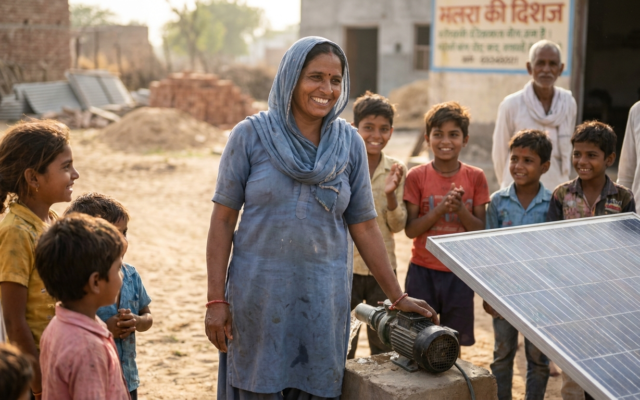
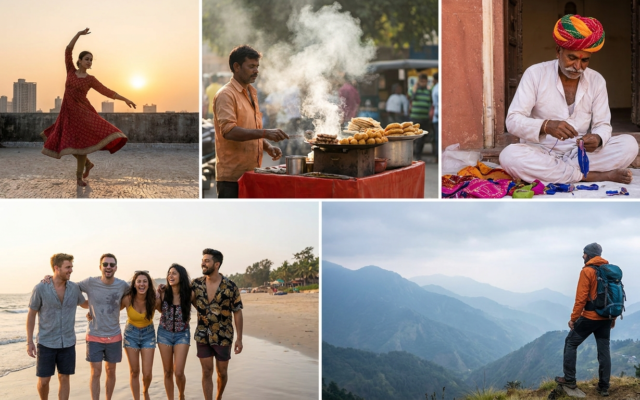
The camera lens is often accused of hunting for chaos, but in 2026, it has increasingly become a tool for documenting the quiet, persistent pulse of empathy across our nation. From the bustling corridors of Mumbai’s local trains to the serene, snow-dusted lanes of Leh, these moments of connection remind us that kindness is not a grand spectacle, but a daily, deliberate choice.
Key Takeaways
- Small acts of kindness in public spaces foster community resilience in dense urban environments.
- Digital connectivity is being used to bridge the gap between rural artisans and urban support networks.
- Compassionate volunteerism in 2026 has shifted from sporadic charity to structured, sustainable social impact.
- You can track and verify the progress of humanitarian initiatives through the NITI Aayog official portal to ensure your support reaches the intended recipients.
The Mumbai Local: A Lesson in Shared Space
In the heart of Mumbai, where the 8:00 AM Churchgate-bound local is a study in controlled chaos, kindness manifests in the smallest, most invisible ways. A commuter giving up a seat for an elderly passenger is a cliché, but observing a stranger shielding someone from the monsoon draft near the door is a profound act of grace. These fleeting interactions define the city’s spirit, proving that shared hardship often breeds a unique form of collective empathy.
We often overlook the fact that such behaviors are not merely social niceties but essential survival mechanisms in high-density urban areas. When you see a businessman helping a flower seller hoist a heavy basket onto the overhead rack, you are witnessing the social glue of India in action. It is a quiet acknowledgment that your neighbor’s burden is, in some small way, your own.
Remarkably, studies have shown that cities with high levels of spontaneous public assistance report lower self-reported stress levels among their residents, according to research documented by the Indian Council of Medical Research. This is not just about being polite; it is about creating a psychological safety net. By simply looking out for one another in transit, we transform a taxing commute into a community experience.
Technology as a Bridge for Compassion
While critics argue that screens isolate us, the reality on the ground in 2026 tells a different story. In the tech hubs of Bengaluru and Hyderabad, developers and volunteers are leveraging hyper-local apps to coordinate support for the vulnerable. These digital platforms have moved beyond simple social media posts to become sophisticated logistics hubs for disaster relief and food security.
When the heavy rains hit the outskirts of the city, these digital networks go live, matching available volunteers with those trapped in flooded neighborhoods. It is a modern-day relay race of empathy, where the baton is passed from a coder to a delivery rider to a local shopkeeper. You are no longer just a passive observer; you are an active node in a web of support that spans city blocks.
One surprising fact about this digital shift is the rise of “micro-volunteering,” where individuals contribute as little as ten minutes a week to digitize books for the visually impaired or provide remote tutoring. This has democratized philanthropy, making it accessible to students and professionals who previously felt they lacked the time to make a difference. It is a testament to how we have successfully pivoted our reliance on technology toward human-centric outcomes.
The Green Revolution of Kindness
In the lush valleys of Himachal Pradesh and the hill stations of Uttarakhand, a different kind of kindness is taking root. Local community groups, known as Mahila Mandals, have taken it upon themselves to restore traditional water springs, or *naulas*, which were once left to decay. These women are not just cleaning water sources; they are ensuring that the fundamental right to clean water is preserved for the next generation.
This movement is deeply rooted in the concept of *Seva*, or selfless service, which remains a cornerstone of Indian culture. It is heartening to see how these environmental initiatives have sparked “kindness corridors” where travelers are encouraged to participate in tree-planting drives. By fostering a sense of stewardship, these communities are teaching us that kindness toward nature is, ultimately, kindness toward ourselves.
According to data from the Ministry of Environment, Forest and Climate Change, such community-led conservation efforts have increased local water table levels by nearly 15% in targeted regions over the past two years. This is a clear indicator that when communities come together with a sense of shared purpose, the impact is measurable and lasting. It is a powerful reminder that our small, everyday actions can have profound, systemic consequences.
Education Beyond the Classroom
In the bustling markets of Jaipur, the concept of “The Gift of Literacy” has taken on a new meaning. Shopkeepers, who often spend their idle hours reading, have started setting up small, informal book-exchange corners for children from nearby settlements. It is common to see a merchant pausing his trade to help a student decipher a difficult paragraph, proving that education is not limited to the walls of a school.
This culture of mentorship is quietly transforming the landscape of urban poverty. It is not about donating money; it is about donating time and attention, which are arguably more valuable resources. When you witness a shopkeeper teaching a child how to use a digital tablet for research, you are seeing the future of the Indian workforce being built on a foundation of kindness.
This is not just an isolated phenomenon; it is part of a broader trend toward “inclusive upskilling” that is being tracked by the Ministry of Education. By integrating these small, grassroots initiatives into the wider societal fabric, we are creating a more equitable society. The ripple effect of one person teaching another is a powerful testament to the power of shared knowledge and collective growth.
The Resilience of the Rural Spirit
In the agricultural heartlands of Punjab and Haryana, the spirit of *Langar*—the community kitchen—has expanded far beyond the *Gurdwara*. Today, it is common to see farmers’ collectives organizing mobile medical vans that visit remote villages, providing basic health screenings. These volunteers, often working under the harsh sun, demonstrate a level of resilience that is as humbling as it is inspiring.
They are not waiting for government intervention; they are stepping in to fill the gaps. Their work highlights the critical role of civil society in maintaining the well-being of our rural population. Whether it is distributing fresh produce to the needy or providing a helping hand during the harvest season, the rural spirit of cooperation remains a bedrock of our nation’s stability.
It is a fascinating fact that rural India sees a higher rate of informal social support compared to the global average, a phenomenon often attributed to our traditional joint family structures and village councils. By maintaining these bonds, rural Indians are showing us that the most effective form of social security is still the neighbor who checks in on you. It is a lesson we would do well to remember in our increasingly fragmented urban lives.
A Call to Conscious Connection
As we look at these pictures of kindness from 2026, we must ask ourselves: what role do we play in this tapestry? Kindness is not a finite resource; it is a muscle that strengthens with use. Whether it is offering a kind word to a stressed delivery person or participating in a local community cleanup, your actions have the power to define the culture of your neighborhood.
We are living in a time where the pace of life can feel overwhelming, but these moments of compassion serve as an anchor. They remind us that despite our differences, there is a shared humanity that connects us all. By choosing to act with kindness, we are not just helping someone else; we are building a world that we, and our children, will want to live in.
“Kindness is the universal language that even the harshest circumstances cannot silence; it is the quiet, persistent rebellion of the human heart against indifference.”
The challenge for us in the months ahead is to make these acts of kindness a habit rather than a headline. Start small, stay consistent, and remember that you are part of a larger community that is quietly, but surely, changing the world for the better.
Frequently Asked Questions
How can I find volunteer opportunities near me in 2026?
The best way to start is by visiting the National Portal of India, which maintains a directory of registered NGOs and volunteer initiatives. You can also reach out to your local municipal ward office, as many cities have launched community volunteer registries to help coordinate local aid efforts during festivals or seasonal crises.
Are there verified ways to donate to local causes without being scammed?
Always prioritize organizations that provide transparent annual reports and have valid registration under the Foreign Contribution Regulation Act (FCRA) if you are donating from abroad, or local trust registration numbers if donating within India. Check the Ministry of Home Affairs database to verify the status of an NGO before making a financial contribution.
Can small acts of kindness actually change society, or is it just symbolic?
While individual acts may seem small, they contribute to a “culture of helpfulness” that influences social norms and community expectations. Research consistently shows that environments where people frequently witness helpful behavior are more likely to exhibit higher levels of trust and lower rates of social conflict, making these acts the foundational building blocks of a stable society.