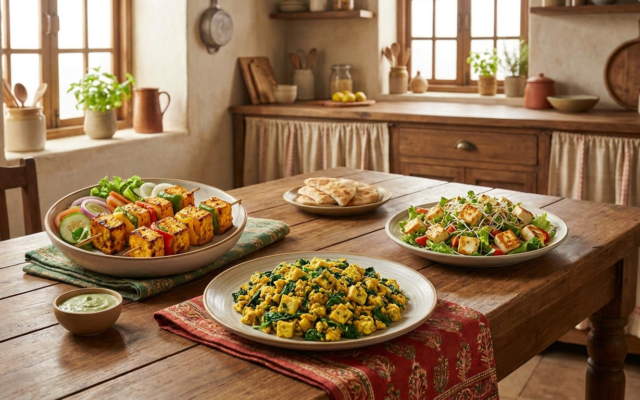
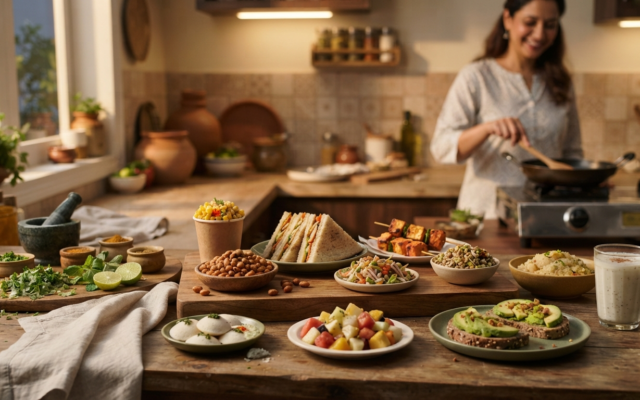
Whether you are working from a high-rise in Gurugram or balancing a busy household in Bengaluru, paneer remains the ultimate protein powerhouse for the Indian kitchen. These five recipes are designed to bypass the heavy, cream-laden restaurant curries, focusing instead on efficiency, nutrition, and vibrant flavors that hold up perfectly in a lunchbox.
Key Takeaways
- Paneer is a complete protein source, containing all nine essential amino acids required by the human body for muscle repair.
- Switching to low-fat paneer or homemade curd-based marinades can slash your lunch calorie count by up to 30%.
- Marinating paneer for just 15 minutes allows the proteins to absorb spices, preventing the rubbery texture often found in reheated dishes.
- These recipes emphasize fiber-rich vegetables to ensure a sustained energy release throughout your workday.
The Science of the Perfect Paneer Lunch
The secret to a great workday lunch lies in balancing texture and moisture. When you reheat paneer, it often turns chewy because the protein structure tightens under prolonged heat. To avoid this, we focus on high-moisture cooking methods like stir-frying with fresh vegetables or using quick-sear techniques.
Did you know that paneer is one of the few cheeses that does not melt when heated? This unique quality is due to its high casein content, which creates a stable protein network. According to the Food Safety and Standards Authority of India, high-quality paneer should maintain a firm yet yielding consistency even after mild reheating, provided it hasn’t been over-pressed during the curdling process.
For your 2026 meal prep, aim to keep your paneer cubes bite-sized. This ensures they cook evenly and absorb the spices quickly, saving you precious minutes in the morning. Always prioritize fresh, chilled paneer over frozen varieties, as freezing alters the moisture content and creates a grainier mouthfeel after it has been thawed and cooked.
Recipe 1: The 10-Minute Paneer Broccoli Stir-Fry
This dish is the gold standard for busy professionals who need a quick protein fix. You start by tossing 200 grams of paneer cubes in a teaspoon of sesame oil until they are golden brown. Remove the paneer, then flash-fry broccoli florets and thinly sliced carrots in the same pan.
Return the paneer to the pan and season with a dash of soy sauce and a pinch of chili flakes. The trick here is the crunch; by keeping the vegetables slightly undercooked, you retain their fiber content and natural sweetness. This recipe is entirely dairy-neutral in flavor, making it a refreshing departure from the usual spice-heavy Indian lunch fare.
Because this dish lacks a heavy gravy, it won’t leak into your bag during your commute. It pairs beautifully with a small serving of brown rice or quinoa. Ensure you use a heavy-bottomed pan to distribute heat evenly, which prevents the edges of the paneer from burning before the center is warm.
Recipe 2: Paneer and Spinach (Palak) Scramble
Think of this as a healthier, more nutrient-dense version of paneer bhurji. Instead of using heavy cream or excessive butter, we sauté finely chopped spinach with ginger, garlic, and green chilies. Once the spinach wilts, fold in crumbled paneer.
The moisture from the spinach acts as a natural sauce, keeping the paneer soft for hours. This dish is exceptionally high in iron and calcium, making it an ideal choice for the mid-week slump. Did you know that spinach contains oxalate, which can inhibit calcium absorption? Adding a squeeze of lemon juice at the end not only brightens the flavor but also helps neutralize these compounds, making the nutrients more bioavailable.
For added variety, you can sprinkle some toasted sunflower seeds on top right before closing your lunch box. The contrast between the soft spinach and the nutty crunch of the seeds creates a satisfying sensory experience. This recipe is best served with a multi-grain roti or a slice of toasted sourdough bread.
Comparing Your Lunch Options
| Recipe | Prep Time | Main Benefit | Protein Content |
| :— | :— | :— | :— |
| Paneer Broccoli Stir-Fry | 10 Mins | High Fiber | 18g per serving |
| Palak Paneer Scramble | 12 Mins | Iron-Rich | 20g per serving |
| Tandoori Paneer Salad | 15 Mins | Low Calorie | 16g per serving |
| Paneer Peanut Curry | 20 Mins | Sustained Energy | 22g per serving |
Recipe 3: Tandoori Paneer Salad Bowl
If you want a lunch that feels light but filling, the Tandoori Paneer Salad is your best bet. Marinate paneer cubes in thick hung curd, Kashmiri chili powder, and roasted cumin powder. Air-fry or pan-sear the cubes until the edges are charred and smoky.
Place the warm paneer over a bed of cucumbers, cherry tomatoes, and red onions. The residual heat from the paneer slightly softens the vegetables without turning them soggy. You can find detailed nutritional guidelines on maintaining a balanced diet through the National Institute of Nutrition, which suggests that incorporating raw vegetables into your protein-rich meals improves digestion.
Always pack your dressing separately in a small container. A simple mix of olive oil, lemon juice, and a touch of honey works perfectly. Add the dressing only when you are ready to eat to maintain the crispness of your salad greens.
Recipe 4: Paneer and Peanut Curry for Sustained Energy
Sometimes you need a heartier lunch, especially on days with back-to-back meetings. This curry uses a base of roasted and ground peanuts, which provides healthy fats and a thick, creamy consistency without any dairy cream. Sauté onions, garlic, and tomato paste until fragrant, then stir in the peanut paste and a splash of water.
Add your paneer cubes and let them simmer for just two minutes. The peanut base is incredibly satiating, preventing the afternoon snack cravings that often lead to unhealthy vending machine choices. This dish reheats exceptionally well, as the peanut sauce remains stable even after several hours.
To keep it light, serve this with a small portion of jeera rice or a single paratha. The combination of plant-based protein from the peanuts and animal protein from the paneer makes this a complete meal. It is a fantastic way to utilize pantry staples that you likely already have on hand.
Recipe 5: The Lemon-Herb Paneer Bites
This is the ultimate “zero-fuss” recipe. Simply toss paneer cubes in a bowl with olive oil, dried oregano, black pepper, and a generous amount of lemon zest. Pan-sear them until they are just golden.
Because this recipe relies on herbs rather than heavy spices, it is easy on the digestive system. It is perfect for those who work in shared office spaces, as it doesn’t leave a lingering aroma. You can pair these bites with roasted sweet potatoes or baby corn for a balanced, low-glycemic lunch.
> The nutritional density of your lunch dictates your mental clarity in the second half of the day. By prioritizing paneer as a lean protein source and pairing it with fresh, seasonal vegetables, you are fueling your cognitive performance rather than just satiating hunger.
Frequently Asked Questions
How long can I safely store cooked paneer in a refrigerator?
Cooked paneer dishes are best consumed within 48 hours when stored in an airtight glass container. Always ensure the container is completely cool before placing it in the fridge to prevent condensation, which can encourage bacterial growth.
Is it better to marinate paneer in the fridge or at room temperature?
For the best texture, marinate your paneer in the refrigerator for at least 30 minutes. The cool temperature allows the marinade to penetrate the curd without the paneer becoming too soft or losing its structural integrity before cooking.
How do I stop my paneer from becoming rubbery when I reheat it?
The key is to avoid high-heat, long-duration reheating. Use a microwave-safe cover to trap steam, which helps re-hydrate the protein, or reheat your meal on a low flame on the stovetop with a tablespoon of water or broth added to the pan.
Can I use frozen paneer for these recipes?
You can use frozen paneer, but you must thaw it correctly first. Soak the frozen block in warm, salted water for 15 minutes, then pat it dry thoroughly before marinating or searing to ensure it absorbs flavors and browns properly in the pan.