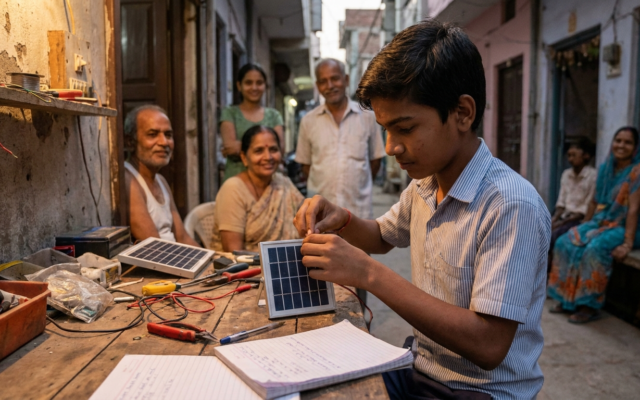
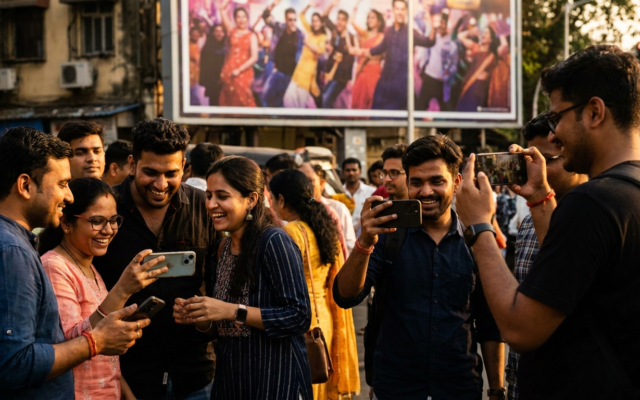
The term unsung hero refers to individuals who perform extraordinary deeds without seeking recognition, praise, or financial reward. Across India, these quiet changemakers are the bedrock of our communities, operating far from the limelight of national awards or social media trends.
Key Takeaways
- An unsung hero is defined by sustained, selfless service that addresses systemic gaps in society.
- These individuals often operate in remote regions like the foothills of the Himalayas or the rural belts of Odisha.
- True impact is measured by long-term community transformation rather than immediate public visibility.
- Identifying these figures requires looking beyond traditional metrics of success or institutional funding.
The Anatomy of an Unsung Hero
In the Indian context, the definition of an unsung hero has evolved from traditional notions of bravery to encompass quiet, persistent social innovation. We are not talking about celebrities or those with massive donor bases. Instead, we refer to the village schoolteacher who spends their own salary to provide midday meals, or the environmentalist who single-handedly restores a dried-up village pond.
The defining characteristic is self-effacement. While the world celebrates those who broadcast their philanthropy, the unsung hero focuses entirely on the output of their work. They are the people who fill the vacuum where state machinery or corporate social responsibility programs may struggle to reach.
According to the NITI Aayog, grassroots interventions are often the most successful in addressing local socioeconomic disparities. These individuals operate with an intimate knowledge of their geography, allowing them to solve problems that a top-down approach would likely miss. Their influence is cumulative; it builds up over decades, often unnoticed by the urban gaze until a community reaches a level of stability that warrants wider attention.
Profiles in Quiet Courage: From Remote Hamlets to Urban Slums
Consider the case of the water warriors in the rain-shadow regions of Maharashtra. In villages where the drought cycle once dictated migration, individuals have spent the last decade reviving traditional wisdom in rainwater harvesting. They do not hold press conferences, yet their work ensures that thousands of families have access to water for irrigation.
Another compelling example is found in the educational support systems of urban slums in Kolkata. Here, retired professionals often spend their evenings tutoring children who have dropped out of formal schooling. They provide more than just academic help; they provide mentorship that shifts the trajectory of these young lives.
It is a surprising fact that India’s vast network of informal volunteers contributes significantly more to social development than is often accounted for in national GDP metrics. This silent economy of goodwill is what keeps our social fabric intact during times of extreme stress, such as natural disasters or health crises. By focusing on the local, these heroes ensure that their solutions are culturally relevant and sustainable for the long term.
Why Recognition Often Eludes the Best
The irony of the unsung hero is that their very nature—a focus on the task over the self—makes them invisible to the algorithm-driven world. We live in an era where visibility is a currency. To be an unsung hero is to consciously opt out of this transactional culture, which naturally places them outside the radar of mainstream media.
Institutional recognition, such as the Padma awards, often requires a formal nomination process that these individuals rarely initiate for themselves. Furthermore, many of these heroes work in areas that are not “sexy” enough for venture philanthropy. They work on soil health, local biodiversity, or mental health awareness in conservative pockets of the country.
When we talk about the Government of India initiatives, we often hear about the programs themselves, but rarely about the local coordinators who ensure the last-mile delivery. These coordinators act as a bridge between policy and people, often enduring immense personal frustration to ensure that resources reach the intended beneficiaries. Their work is the quiet labor that makes national policy look successful.
The Measuring Stick: Impact Over Visibility
How do we actually measure the success of someone who does not want to be measured? We must shift our focus from the number of followers to the number of lives changed. If a community is self-reliant because of one person’s efforts, that is a success story of the highest order.
The sustainability of a project is a key indicator. If an unsung hero builds a school or a clinic that continues to function long after they are gone, they have achieved true impact. This is often described as “generational legacy.” It is not about a quick fix but about changing the culture of a community.
The true measure of a hero is not the applause they receive, but the silence they leave behind when the work is finally done and the community no longer needs them to survive.
In many parts of rural India, such as the tribal belts of Jharkhand, we see leaders who do not claim authority but act as facilitators. They empower the community to demand their rights. This is the pinnacle of social service: making yourself unnecessary by empowering others to carry the torch forward.
A Comparison of Approaches: Traditional vs. Grassroots Impact
To understand the difference, we must look at how resources and visibility are distributed. The traditional model often prioritizes scale and speed, whereas the unsung hero model prioritizes depth and local ownership.
| Feature | Traditional NGO Model | Unsung Hero Model |
|---|---|---|
| Primary Motivation | Institutional Goals | Community Wellbeing |
| Measurement | KPIs and Reports | Long-term Sustainability |
| Funding Source | Grants and CSR | Personal Savings/Small Donations |
| Visibility | High (Media/PR) | Low (Word of Mouth) |
As you can see, the unsung hero model is often slower but far more resilient. Because it is deeply embedded in the local culture, it is less susceptible to the shifting priorities of international donors or government cycles.
Finding and Supporting the Heroes in Your Backyard
You do not need to look across the country to find these changemakers. They are likely in your own neighborhood. They are the people organizing the waste segregation drive in your housing society, or the ones quietly managing a local library for migrant workers’ children.
Supporting them does not always mean giving money. Often, they need resources like space, time, or specialized skills. If you are an accountant, offer to help them organize their records. If you are a designer, help them communicate their message. These quiet heroes often struggle with the administrative side of their work.
Another surprising fact is that most unsung heroes cite “community trust” as their greatest asset, rather than funding. When you offer your support, ensure you are not imposing your own agenda on their work. Listen first, learn the history of their project, and then offer help where it is needed most. By amplifying their work without changing their core philosophy, you contribute to a stronger, more compassionate India.
Frequently Asked Questions
How can I nominate an unsung hero for a national award?
Most government awards in India, such as the Padma series, have an open nomination portal on their official website. You can submit a detailed account of their work, including verified impact reports and testimonials from the community they have served.
Are unsung heroes always volunteers?
Not necessarily. Many are professionals—teachers, doctors, or engineers—who dedicate their time outside of work hours to social causes. The common thread is their refusal to treat their social service as a career move or a vehicle for personal branding.
Why is it important to highlight these individuals if they prefer to remain anonymous?
Highlighting their work is not about glorifying the individual, but about documenting successful models of social change. By sharing these stories, we provide a blueprint for others to follow, which encourages more people to engage in grassroots community building across India.
Can I support an unsung hero without providing money?
Absolutely. Most of these individuals are in desperate need of technical support, such as legal advice, digital literacy, logistics, or even simple manual labor. Offering your specific professional skill set is often more valuable than a one-time cash donation.