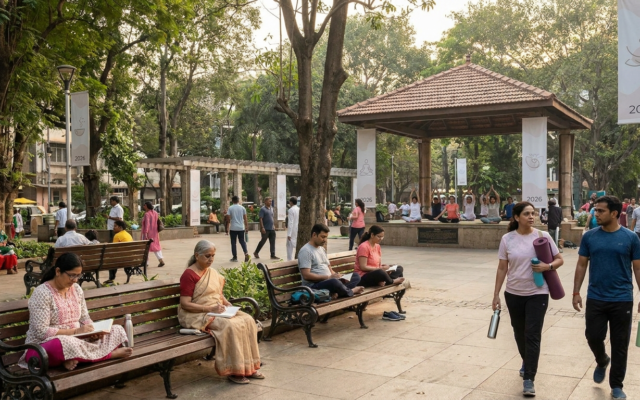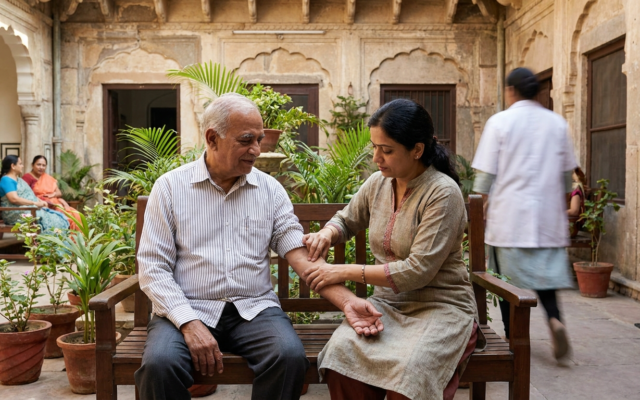
For millions of women across India, the monthly cycle is often a source of stress, pain, and unpredictability that disrupts daily life. While modern medicine offers various interventions, incorporating targeted yoga practices in 2026 provides a holistic, low-impact way to support hormonal balance and manage the underlying tension that often exacerbates cycle irregularities.
Key Takeaways
- Yoga helps regulate the endocrine system by reducing cortisol levels and stimulating blood flow to the reproductive organs.
- Consistency is more important than intensity; practicing specific asanas for 20 minutes daily yields better results than sporadic long sessions.
- Lifestyle factors, including sleep hygiene and dietary choices, must accompany your physical practice to see measurable changes in cycle regularity.
- Consulting with a healthcare provider is essential to rule out conditions like PCOS or thyroid dysfunction before starting a new regimen.
Understanding the Physiological Connection
The connection between your yoga mat and your menstrual cycle is rooted in the way your body handles stress. When you are chronically stressed, your body produces high levels of cortisol, which can interfere with the production of progesterone and estrogen. By focusing on parasympathetic nervous system activation, yoga helps signal to your body that it is safe to return to its natural rhythm.
Traditional Hatha and Restorative yoga styles are particularly effective for those dealing with hormonal fluctuations. These practices prioritize slow, deliberate movements and deep breathing, which are essential for calming the hypothalamic-pituitary-ovarian axis. According to the Ministry of Ayush, the integration of traditional movement patterns with pranayama is a verified approach to improving overall metabolic and hormonal markers.
You might be surprised to learn that the uterus has its own specialized blood flow requirements that are sensitive to pelvic tension. Many women hold subconscious stress in their hip flexors and lower back, which restricts circulation to the pelvic floor. By releasing this tension, you are not just stretching muscles; you are creating a more conducive environment for reproductive health. Scientific research supported by the Indian Council of Medical Research continues to emphasize how non-pharmacological interventions like yoga can assist in long-term wellness management.
Essential Asanas for Hormonal Balance
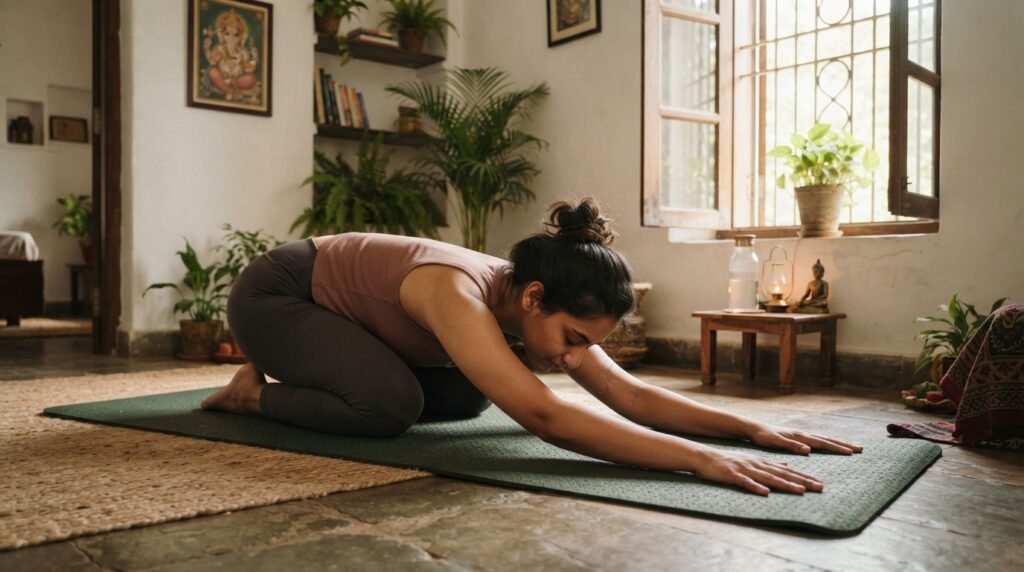
To begin your journey toward a more regular cycle, focus on poses that prioritize pelvic opening and spinal decompression. The Baddha Konasana, or Bound Angle Pose, is widely considered the gold standard for reproductive health. It works by gently stretching the inner thighs and groins, which helps improve circulation to the pelvic region and stimulates the ovaries.
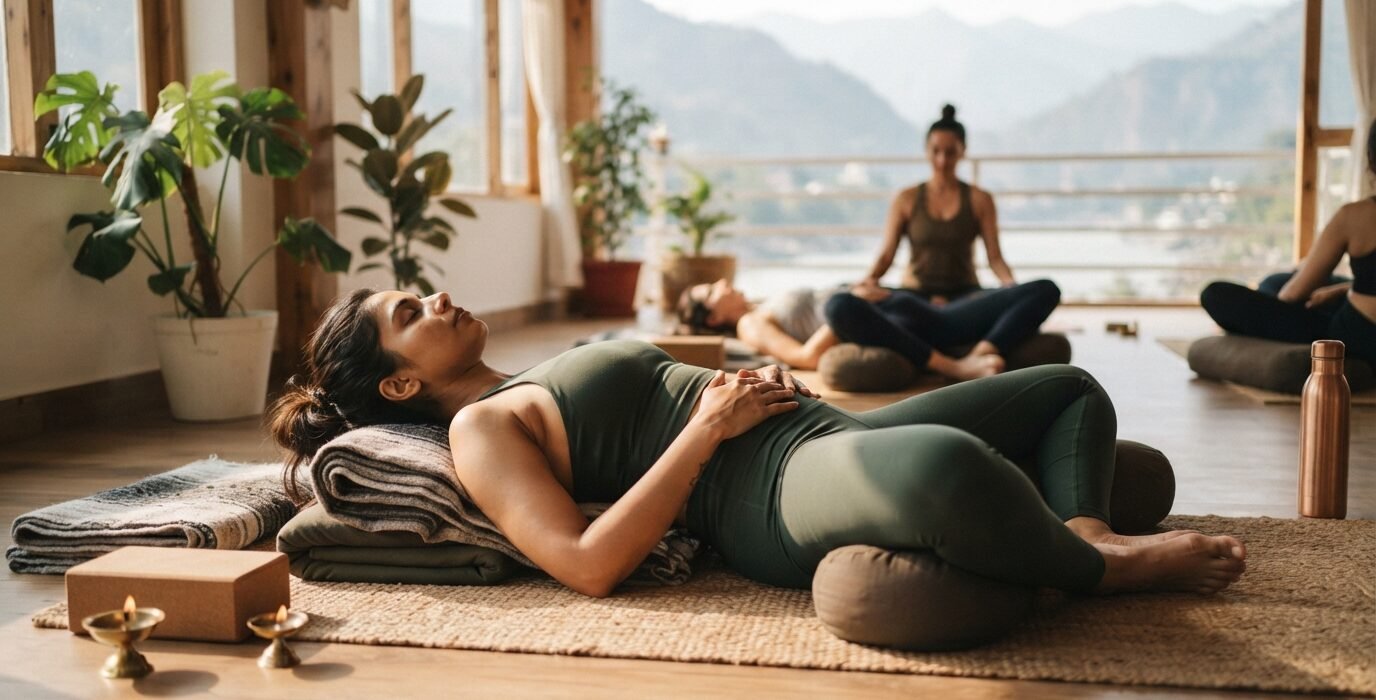
Another powerful addition to your routine is the Supta Baddha Konasana, or Reclining Bound Angle Pose. By lying on your back, you allow gravity to do the work, helping you enter a state of deep relaxation. This pose is particularly effective during the luteal phase of your cycle when you may feel more tired or prone to irritability. You should aim to hold this pose for at least three to five minutes, using bolsters under your knees if you feel any strain in your hips.
Do not underestimate the power of Viparita Karani, or Legs-Up-The-Wall pose. This restorative asana is incredibly effective at reducing fluid retention and calming the nervous system. By elevating your legs, you encourage venous return, which helps clear congestion in the pelvic basin. It is a simple, accessible pose that you can perform even on days when your energy levels are low or you are experiencing mild cramping.
Building a Consistent Routine
The greatest mistake most practitioners make is viewing yoga as a “quick fix” for cycle irregularities. To see genuine progress in 2026, you must establish a sustainable habit that fits into your existing lifestyle. Aim for a 20-minute flow that you can perform at home, whether you are in a high-rise in Mumbai or a quiet home in Mysore.
Structure your practice around your energy levels throughout the month. During your follicular phase, when energy is typically higher, you can incorporate more active, standing poses like Virabhadrasana (Warrior II) to build strength and heat. As you approach your period, shift your focus entirely toward restorative poses that encourage inward reflection and rest. This cycle-syncing approach ensures you are working with your body rather than against it.
Yoga is not about touching your toes, it is about what you learn on the way down; it is a profound tool for self-awareness that allows you to listen to the subtle shifts in your hormonal landscape.
Remember that hydration and environment play a significant role in your practice. Try to practice in a room that is well-ventilated and free from digital distractions. By creating a dedicated space for your practice, you signal to your brain that this is a time for healing and recalibration, which is essential for the endocrine system to function optimally.

Common Myths About Yoga and Periods
A persistent myth in many communities is that you should avoid all exercise during your period. In reality, light movement is often the best remedy for menstrual discomfort. Gentle twists and restorative forward folds can help alleviate lower back pain and bloating, provided you listen to your body and avoid inversions if they feel uncomfortable.
Another misconception is that yoga can replace medical oversight. While yoga is a powerful complementary practice, it cannot address structural issues like uterine fibroids or severe hormonal imbalances caused by conditions like PCOS. Always treat your yoga practice as a supportive foundation, not a standalone cure. If your periods remain absent for more than three months, it is vital to seek a professional diagnosis from a gynecologist.
Interestingly, many people do not realize that the practice of Pranayama, specifically Nadi Shodhana (Alternate Nostril Breathing), is just as important as the physical asanas. It balances the left and right hemispheres of the brain, which directly influences the regulation of hormones. Integrating just five minutes of this breathing technique before your physical practice can significantly amplify the benefits of your session.
Comparing Yoga Modalities for Cycle Health
Not all yoga styles are created equal when it comes to hormonal regulation. Choosing the right style depends on your current stress levels and physical goals for the month.
| Style | Primary Focus | Best For | Hormonal Impact |
|---|---|---|---|
| Restorative | Stillness and support | High stress, exhaustion | High (Calms cortisol) |
| Hatha | Balance and alignment | Beginners, maintenance | Moderate (Improves flow) |
| Vinyasa | Flow and strength | Active, high energy | Low (May increase stress) |
| Yin | Deep tissue release | Chronic hip/pelvic tension | Moderate (Releases stagnation) |
Lifestyle Factors That Enhance Your Practice
Yoga does not exist in a vacuum. Your efforts on the mat will be significantly undermined if your sleep hygiene is poor or your diet is heavily processed. In 2026, nutritionists emphasize the importance of magnesium-rich foods—such as leafy greens and pumpkin seeds—which act as a natural muscle relaxant and support hormonal synthesis. Aim to consume these alongside your regular yoga practice for a synergistic effect.
Sleep is another non-negotiable factor. Your body performs its most critical hormonal repairs during deep sleep phases. If you are struggling with insomnia, try performing a 10-minute Yoga Nidra session before bed. This guided relaxation technique is scientifically proven to reduce anxiety and prepare the body for restorative rest, which in turn leads to a more balanced cycle.
Finally, track your progress. Keep a journal of your cycle dates, the asanas you practiced, and how you felt emotionally. By observing the patterns over three to six months, you will gain a deeper understanding of which specific movements help you the most. This data-driven approach to self-care is the mark of a truly mindful practitioner.
Frequently Asked Questions
Is it safe to do inversions while on my period?
While traditional Hatha yoga often suggests avoiding inversions like Headstands or Shoulder Stands during menstruation to prevent discomfort, modern science suggests this is largely a matter of personal comfort. If you feel fine, there is no physiological reason to avoid them; however, if you experience heavy flow or cramping, restorative poses are generally a better choice.
How long does it take to see results in my cycle?
Hormonal regulation is a gradual process. Most practitioners start to notice subtle improvements in energy levels and reduced bloating within the first month. However, it typically takes three to four months of consistent, daily practice to see a significant change in the regularity of your cycle.
Can yoga help with PCOS-related cycle issues?
Yoga is an excellent supportive therapy for PCOS. It helps manage insulin resistance and reduces the systemic inflammation often associated with the condition. While it cannot “cure” PCOS on its own, it is a highly recommended lifestyle modification alongside a diet and medication plan prescribed by your doctor.
What if I am a complete beginner?
You do not need to be flexible to start yoga. Begin with “gentle” or “beginner” labeled classes, and focus on the quality of your breath rather than the depth of your stretch. The goal is to create a consistent habit, so start with just 10 minutes a day and build from there.