Starting your day with a high-protein meal is the single most effective way to stabilize your blood sugar and curb those mid-morning cravings. Whether you are prepping for a long day in a corporate office in Gurugram or heading out for a trek in the Western Ghats, these protein-packed breakfasts provide the sustained energy you need.
Key Takeaways
- Prioritize lean proteins like eggs, chicken, and fish to improve satiety and maintain muscle health.
- Avoid processed meats; focus on fresh, locally sourced ingredients to keep sodium and preservative levels low.
- Batch-prepare your proteins on Sundays to ensure you hit your nutritional goals even on busy weekday mornings.
- Pair these recipes with complex carbohydrates or fiber-rich vegetables for a nutritionally complete start.
The Science of Starting Strong
Breakfast is often called the most important meal of the day, but for the fitness-conscious Indian, it is primarily an opportunity to kickstart metabolic processes. When you consume protein first thing in the morning, you trigger the release of peptides that signal fullness to your brain. This prevents the common post-breakfast slump that leaves many of us reaching for a second cup of chai or a sugary biscuit by 11:00 AM.
Protein is essential for muscle protein synthesis, a process that is particularly important if you are engaging in strength training or yoga. According to the Food Safety and Standards Authority of India, a balanced diet must include adequate high-quality protein to support long-term metabolic health. By incorporating animal-based proteins early, you effectively front-load your daily intake, ensuring you are not scrambling to compensate for a deficit during dinner.
It is worth noting that the quality of your protein matters just as much as the quantity. Fresh poultry, eggs from reliable sources, and lean cuts of fish are superior to the processed sausages or ham found in many supermarkets. If you are tracking your macros, remember that a standard serving of lean chicken provides roughly 25-30 grams of protein, making it an excellent base for a filling breakfast.
Spiced Anda Bhurji with a Modern Twist
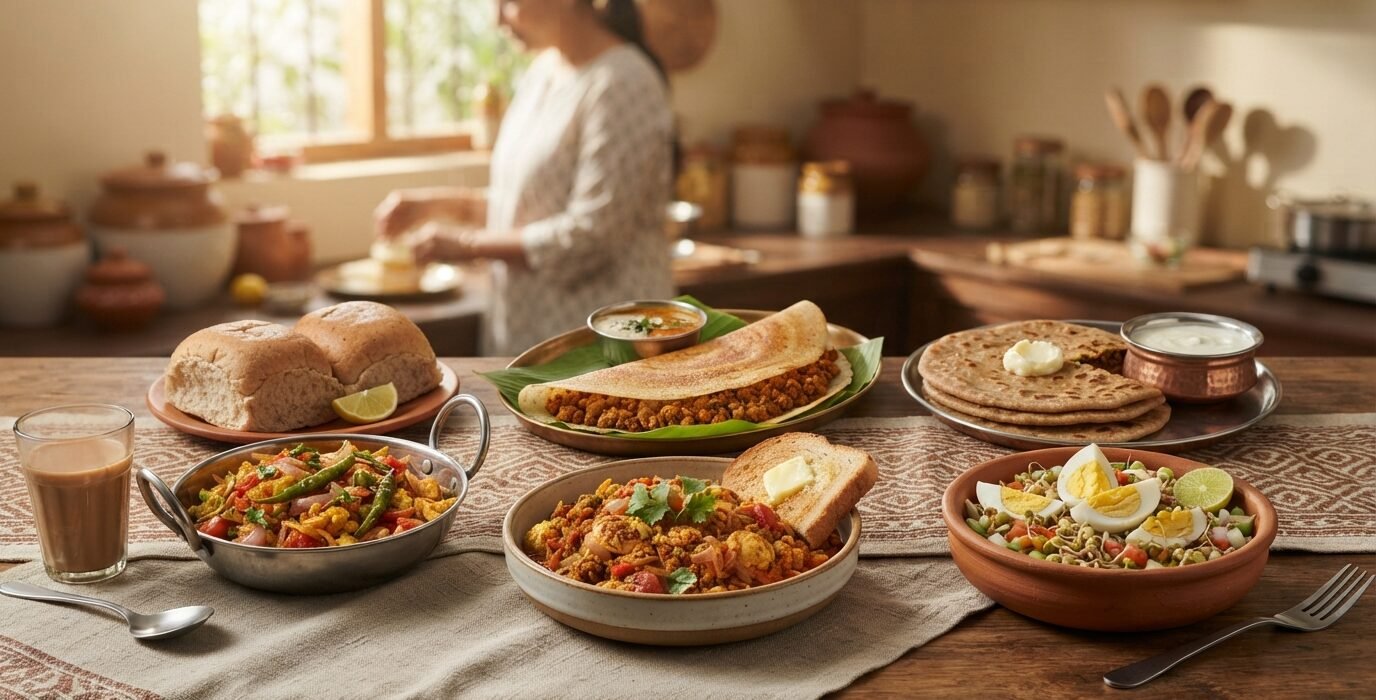
The classic Anda Bhurji is a staple across India, from the street-side stalls of Mumbai to home kitchens in Delhi. To elevate this dish into a muscle-building powerhouse, we suggest adding finely chopped bell peppers, mushrooms, and spinach. These vegetables add volume and essential micronutrients without significantly increasing the caloric density of your meal.
For a truly balanced breakfast, serve your Bhurji on a slice of sprouted grain bread or a small whole-wheat paratha. Sprouted grains have a lower glycemic index compared to refined flour, which helps in maintaining steady glucose levels. If you want to increase the protein content even further, stir in a spoonful of hung curd or greek yogurt right before finishing; it adds a creamy texture that pairs perfectly with the heat of green chilies.
One surprising fact about the humble egg is its biological value. Eggs are considered the gold standard for protein quality because they contain all nine essential amino acids in ratios that closely match the human body’s requirements. This makes them a more efficient source of fuel than almost any other common breakfast ingredient.

Chicken Kheema Scramble for Sustained Energy
If you prefer a heartier start, a spiced chicken mince, or Kheema, is a fantastic option that can be prepared in advance. You can cook a large batch of lean chicken mince with ginger, garlic, and turmeric over the weekend and store it in the refrigerator. In the morning, simply sauté a handful of this pre-cooked mince with two eggs to create a high-protein scramble that takes less than five minutes to assemble.
This dish is particularly useful for those who find traditional breakfast options like cereal or toast leave them feeling hungry within an hour. The combination of chicken and egg provides a “double-protein” hit that is incredibly satiating. For those living in urban centers like Bengaluru, sourcing fresh, antibiotic-free chicken is easier than ever via direct-to-consumer farm apps that ensure transparency in the supply chain.
When shopping for poultry, always look for skinless, boneless breast meat as it is the leanest cut available. According to the United States Department of Agriculture, which maintains comprehensive food composition databases, chicken breast is one of the most efficient sources of lean protein per gram of weight. By stripping away the skin, you remove unnecessary saturated fats while keeping the protein content intact for your morning meal.
Quick Comparison of Protein Sources
Choosing the right protein depends on your dietary preferences and time constraints. The table below outlines how common non-vegetarian ingredients stack up for a quick breakfast.
| Ingredient | Approx Protein (per 100g) | Preparation Time | Best For |
|---|---|---|---|
| Eggs (Whole) | 13g | 3-5 mins | Quick fixes/Omelets |
| Chicken Breast | 31g | 10-15 mins | Heavy training days |
| White Fish (e.g. Pomfret) | 20g | 8-10 mins | Low-calorie, light meals |
| Lean Mince (Keema) | 25g | 15-20 mins | Batch-prep mornings |
The Power of Poached Fish
While fish is typically reserved for lunch or dinner in India, it makes an excellent, light, and high-protein breakfast. A simple poached fish fillet seasoned with lemon, black pepper, and dill is light on the stomach yet highly nutritious. This is an ideal meal for those who have a morning workout session and need protein that is easy to digest.
Incorporating fish into your morning routine also provides a boost of Omega-3 fatty acids. These healthy fats are essential for brain health and reducing systemic inflammation. If you are in a coastal region like Kerala or Goa, utilizing the fresh catch of the day can turn a mundane breakfast into a gourmet experience.
“The secret to a successful high-protein breakfast is not complexity, but consistency in sourcing and preparation, turning the first meal of the day into a deliberate act of self-care.”
Batch Prep and Storage Strategies
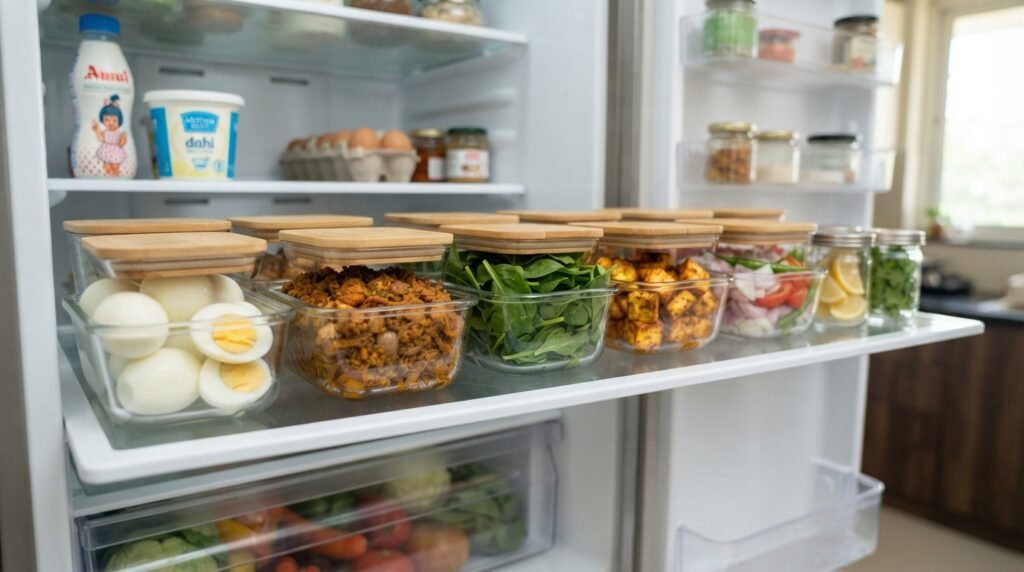
Efficiency is the enemy of failure. If you wake up at 6:00 AM, you are unlikely to start marinating chicken or chopping vegetables. To make these recipes work, you must adopt a batch-cooking mindset. Spend Sunday evening prepping your chicken mince, boiling a dozen eggs, or portioning out your fish fillets into individual freezer-safe bags.
Hard-boiled eggs can stay fresh in the refrigerator for up to a week, making them the ultimate grab-and-go protein. You can slice them onto a salad, mash them onto toast with a sprinkle of chaat masala, or simply eat them with a pinch of black salt. By removing the friction of preparation, you ensure that you never have to settle for a carb-heavy breakfast out of desperation.
Frequently Asked Questions
Can I eat non-veg breakfast daily without health issues?
Yes, consuming moderate portions of lean protein like eggs, chicken, or fish is generally safe and healthy for most individuals. The key is to focus on cooking methods like poaching, steaming, or sautéing rather than deep-frying, and to maintain a balanced intake of vegetables and fiber.
Is it better to eat protein before or after a morning workout?
For most people, the timing is less important than the total daily intake. However, consuming 20-30 grams of protein within an hour or two of your workout can help with muscle repair and recovery, making a post-workout high-protein breakfast a very effective strategy.
What is a good vegetarian substitute if I run out of meat or eggs?
If you find yourself without non-vegetarian options, Greek yogurt, paneer, and lentils (like moong dal) are excellent high-protein alternatives. According to the National Agricultural Library, these plant-based and dairy sources offer significant amino acid profiles that can serve as effective temporary substitutes for animal proteins.