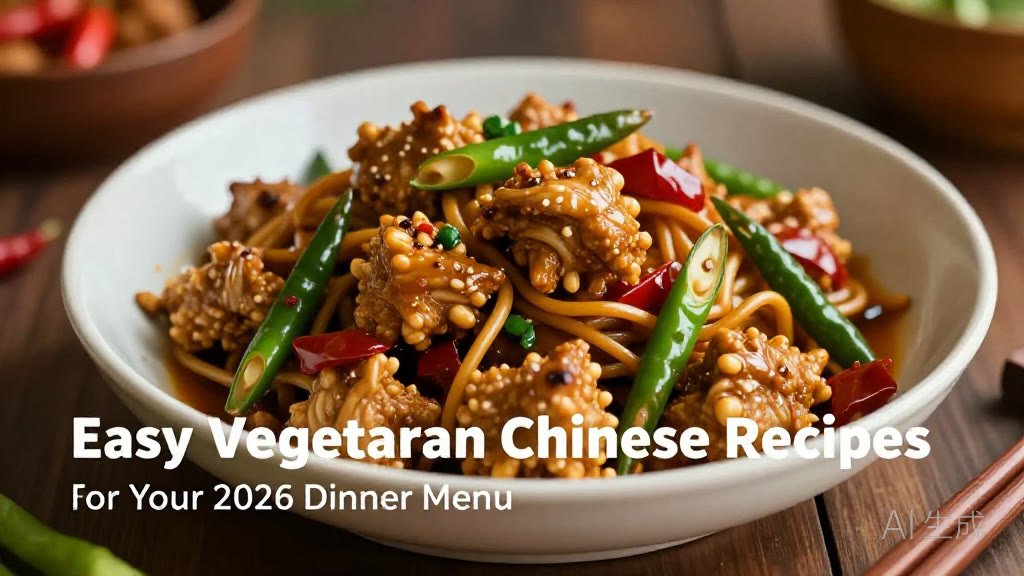
Cooking authentic-tasting Chinese vegetarian dishes in your own kitchen is easier than you think, provided you master a few fundamental techniques and keep your pantry stocked with the right aromatics. Whether you are prepping for a quick weeknight dinner in Bengaluru or hosting a weekend feast in Gurugram, these plant-forward recipes bring restaurant-quality flavors to your table with minimal effort.
Key Takeaways
- Master the “holy trinity” of Chinese aromatics: ginger, garlic, and scallions, to form the flavor base for almost any stir-fry.
- Learn how to achieve the perfect “wok hei” or breath of the wok using a standard home stove and high heat.
- Discover plant-based protein alternatives like firm tofu and tempeh that absorb savory sauces better than meat.
- Understand the role of balanced seasonings—soy sauce, rice vinegar, and sesame oil—in creating authentic umami profiles.
The Foundation of Flavor: Mastering Aromatics
To replicate the taste of a bustling street stall in Shanghai or a fine-dining experience in Mumbai, you must prioritize your aromatics. The secret starts with how you prepare your ginger, garlic, and scallions. In Chinese cooking, these are rarely sautéed to a deep brown; instead, they are flash-fried for mere seconds until their fragrance permeates the oil. This technique ensures the base of your dish remains bright and punchy.
When you heat your pan, use an oil with a high smoke point, such as soybean or refined groundnut oil. Avoid using mustard oil or heavy cold-pressed oils, as their distinct flavors can clash with the delicate balance of a soy-based sauce. You want the oil shimmering and nearly smoking before you drop in your aromatics. This sudden burst of heat creates the foundation of that savory, complex depth you associate with classic takeout.
Did you know that despite the popularity of chili oil in India, true Sichuan-style heat actually relies on the numbing sensation of the Sichuan peppercorn, which is not a pepper at all but a citrus relative? You can find high-quality dried spices at reliable grocers or through the Food Safety and Standards Authority of India (FSSAI) approved local spice markets. Always toast your whole spices lightly before grinding them to release essential oils that have been dormant in the jar.
Choosing and Pressing Your Tofu
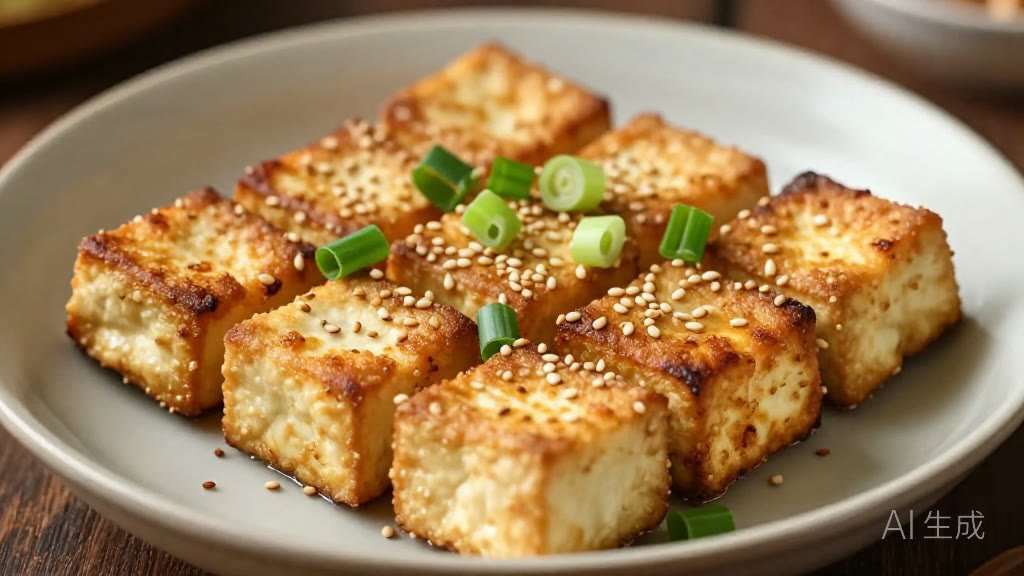
Many home cooks in India are intimidated by tofu, often finding it bland or mushy after cooking. The trick is to buy firm or extra-firm tofu and remove as much moisture as possible before it hits the pan. Wrap your tofu block in a clean muslin cloth or paper towels and place a heavy plate or a kitchen weight on top for at least twenty minutes. This simple step changes the texture entirely.
Once pressed, cut your tofu into uniform cubes. Tossing them in a light dusting of cornflour (cornstarch) before pan-frying provides a crispy, golden crust that holds onto sauces beautifully. In 2026, we are seeing a shift toward artisanal, locally produced tofu brands that offer a much higher protein density compared to mass-market varieties. Investing in a quality product from a reputable source makes a massive difference in your final dish.
If you are concerned about nutritional content, check the labels for fortification. The FSSAI guidelines on food labeling emphasize transparency, so look for products that clearly list their mineral and protein breakdown. A well-pressed, pan-fried piece of tofu can serve as a hearty, protein-rich center for any meal, proving that you do not need paneer to satisfy your cravings for a textured, filling dinner.
The Art of the Stir-Fry Sauce
The difference between a mediocre home meal and a restaurant dish often comes down to the sauce. You should aim for a “sauce-to-ingredient” ratio that coats the vegetables rather than drowning them. A classic stir-fry sauce consists of light soy sauce, a splash of dark soy for color, a teaspoon of sugar, and a small amount of cornflour slurry to thicken everything at the final stage.
The cornflour slurry—a mixture of one part cornflour to two parts water—is the unsung hero of Chinese cuisine. It provides the glossy, translucent finish that makes your vegetables look vibrant and appetizing. Never add the slurry directly into a boiling liquid; always whisk it again before pouring to prevent clumping. If you find your stir-fry getting too dry, add a tablespoon of vegetable stock instead of water to enhance the savory notes.
For those tracking their dietary intake, note that store-bought sauces can be high in sodium. You can easily manage this by opting for low-sodium soy sauce or adjusting the ratio of vinegar to soy. The National Institute of Nutrition (NIN) suggests that controlling your intake of added salts is vital for long-term health, and cooking at home allows you full control over every teaspoon added to the wok.
Vegetable Selection and Prep Strategy
Not all vegetables are created equal when it comes to the high heat of a wok. You want vegetables that retain their crunch even after being tossed over a flame. Broccoli, bok choy, snap peas, and carrots are excellent choices because they withstand high temperatures without turning into a mushy pile. Always chop your vegetables into similar sizes so they cook at the same rate.
If you are working with harder vegetables like carrots or cauliflower, consider “blanching” them in boiling water for thirty seconds before stir-frying. This ensures they are cooked through the center while maintaining a crisp exterior. This technique is standard in professional kitchens to ensure consistent quality across all plates.
A surprising fact: did you know that the “Chinese” broccoli (Gai Lan) often found in these dishes is genetically distinct from the Western broccoli stalks you find in a typical grocery store? It is closer to the mustard greens common in North India, which is why substituting local greens often works surprisingly well. Always aim for freshness; a vegetable that has been sitting in the fridge for three days will lose its ability to snap and caramelize properly.
| Dish Name | Prep Time | Cooking Style | Flavor Profile |
|---|---|---|---|
| Garlic Bok Choy | 5 Mins | Flash Steam-Fry | Salty, Umami, Mild |
| Sichuan Tofu | 15 Mins | Braise-Stir | Spicy, Numbing, Savory |
| Crispy Veg Medley | 10 Mins | Wok Toss | Sweet, Tangy, Crunchy |
Understanding Wok Hei and Heat Management
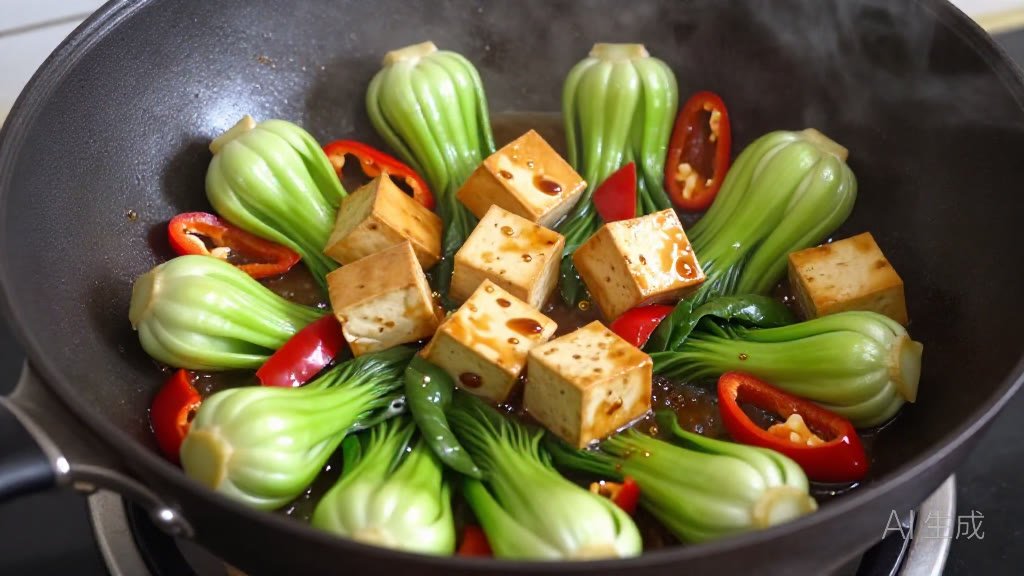
“Wok hei,” or the breath of the wok, is the elusive smoky flavor imparted by high-heat cooking. While it is difficult to replicate the industrial burners of a restaurant, you can maximize your results by working in small batches. Crowding the pan drops the temperature instantly, resulting in steamed vegetables instead of stir-fried ones. Cook your protein first, remove it, then stir-fry your vegetables, and combine everything only at the very end.
Ensure your pan is truly hot before adding any ingredients. You should see wisps of smoke rising from the oil. If you are using an induction stove, choose a flat-bottomed wok and preheat it for at least three minutes. The goal is to sear the surface of the vegetables, locking in their juices and natural sweetness before they soften.
Efficiency is key when dealing with high heat. Have all your sauces mixed in a small bowl and your vegetables chopped and laid out before you even turn on the flame. Once you start, you cannot stop to chop an onion or look for a spice jar. The entire process should take less than five minutes from the moment the oil hits the pan.
The true hallmark of a great stir-fry is not the complexity of the ingredients, but the precision of the timing and the balance of the aromatics. When you respect the heat, the food responds by developing a depth of flavor that is impossible to achieve through slow cooking.
Refining Your Technique for 2026
As we navigate the culinary landscape of 2026, the focus is shifting toward sustainable, plant-based nutrition that doesn’t compromise on traditional satisfaction. Experimenting with fermented ingredients like black bean sauce or miso can add layers of complexity that replace the need for heavy seasoning or animal products. These ingredients are now readily available in most major Indian cities, both online and in specialty aisles.
Always keep your workspace clean. A cluttered counter leads to mistakes in timing, which is the quickest way to ruin a stir-fry. Organize your “mise en place” carefully. When you feel comfortable with the basic techniques, start experimenting with different textures—add toasted peanuts for crunch or water chestnuts for an unexpected snap.
Finally, do not be afraid to fail. Even professional chefs have had their fair share of burnt sauces or soggy vegetables. The more you cook, the more you will learn to read the sound of the sizzle and the smell of the aromatics. Your kitchen is your laboratory, and these recipes are simply the starting point for your own unique culinary journey.
Frequently Asked Questions
What can I use as a substitute for dark soy sauce?
If you cannot find dark soy sauce, mix one teaspoon of regular light soy sauce with a half-teaspoon of molasses or brown sugar. This will provide the necessary color and a hint of depth without drastically changing the flavor profile of your dish.
Why does my stir-fry turn out watery?
Watery stir-fries are usually the result of overcrowding the pan or adding too many vegetables at once. Cook in small batches so the moisture evaporates quickly, and ensure your pan is at a high enough temperature to sear the vegetables rather than boiling them in their own liquid.
Can I use a regular non-stick pan instead of a wok?
Yes, you can absolutely use a large non-stick skillet or a heavy-bottomed frying pan. While a carbon steel wok is ideal for heat distribution, the most important factor is the surface area. Use a pan that allows you to spread the ingredients out so they do not overlap, which helps with achieving a proper sear.
How do I store leftovers without losing the texture?
Store your cooked vegetables and tofu separately from the sauce if possible. When reheating, do so in a hot pan for a minute or two rather than using a microwave, which tends to make the vegetables soggy and compromises the texture of the tofu.