Key Takeaways
- Discover Mumbai’s iconic monsoon destinations, from the lush Western Ghats foothills to historic forts offering breathtaking views.
- Learn about unique monsoon experiences like firefly spotting in Igatpuri and enjoying local street food safely.
- Get practical tips on navigating Mumbai’s monsoon, including essential packing items and transportation advice.
- Explore cultural immersion opportunities, from visiting monsoon-kissed temples to attending monsoon-themed art exhibitions.
Embracing the Emerald Embrace: Mumbai’s Monsoon Escapes
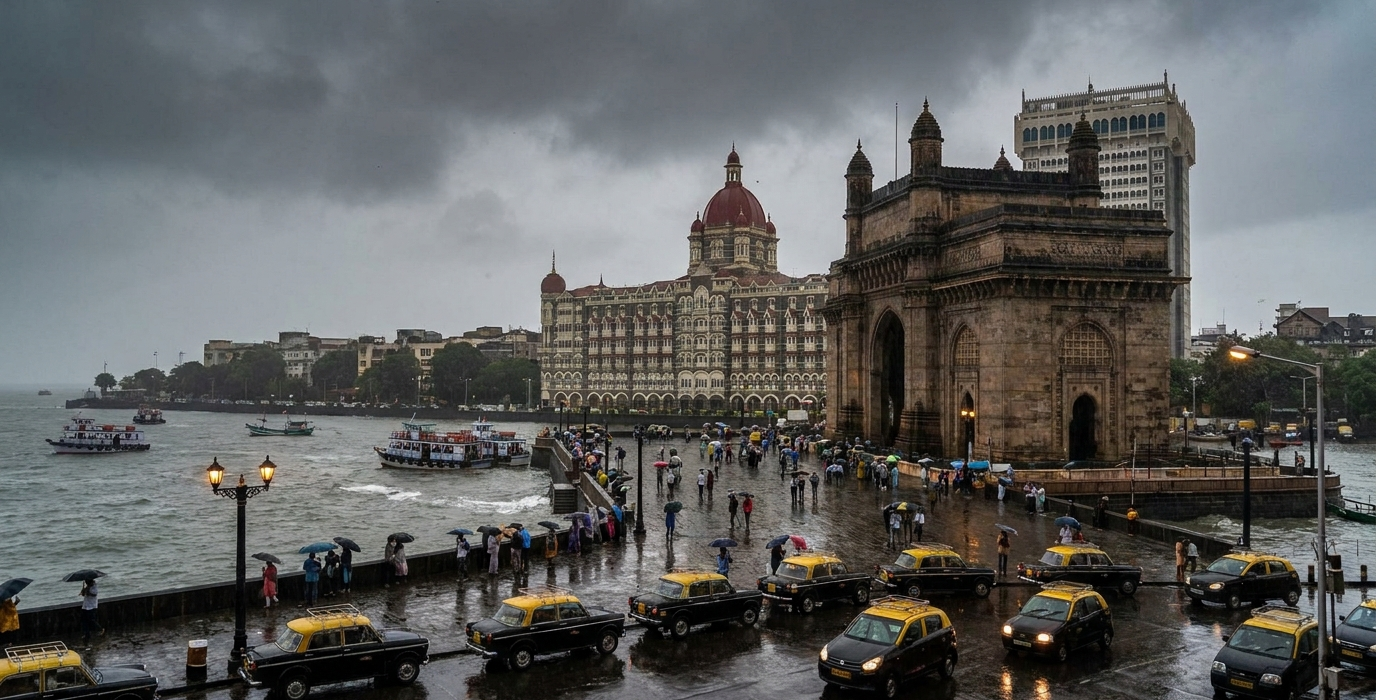
The monsoon season in Mumbai, from June to September, transforms the bustling metropolis and its surroundings into a verdant paradise. While many might associate the city with relentless humidity and traffic jams, the rains bring a unique charm, a sense of rejuvenation, and a host of breathtaking natural spectacles. This year, 2027, promises to be no different. We’re diving deep into the heart of this emerald embrace to uncover the most enchanting places and experiences that make Mumbai’s monsoon truly magical. Forget the downpour; think of the dramatic skies, the mist-laden hills, and the vibrant green carpet that unfurls across the landscape. We’ll guide you through hidden gems and well-loved haunts, ensuring your monsoon sojourn is unforgettable.
The city’s proximity to the Western Ghats, a UNESCO World Heritage Site, means that within a few hours’ drive, you can be enveloped in a completely different world. Lush valleys, cascading waterfalls, and mist-shrouded peaks become the order of the day. This is the perfect time to escape the urban grind and reconnect with nature’s raw beauty. From photographers seeking dramatic landscapes to couples looking for a romantic getaway, Mumbai’s monsoon offers something for everyone. We’ll help you navigate the best routes and recommend spots that are both accessible and spectacular, ensuring you make the most of this precious season.
The Call of the Western Ghats: Lonavala and Khandala
No monsoon guide to Mumbai’s surroundings would be complete without mentioning Lonavala and Khandala. These twin hill stations, nestled in the Sahyadri mountain range, come alive during the rains. The journey itself, often along the Mumbai-Pune Expressway, offers glimpses of the dramatic transformation as the dry hills turn into lush green vistas. Waterfalls like the Kune Falls and Bhushi Dam become roaring spectacles, attracting crowds eager to experience their power and beauty.
Lonavala is famous for its chikki, a sweet brittle made from nuts and jaggery, and the monsoon is the perfect time to enjoy a warm, freshly made batch, perhaps with a cup of steaming chai. The Duke’s Nose, a popular trekking spot, offers panoramic views of the valleys below, particularly stunning when shrouded in monsoon mist. Khandala, slightly higher, offers similar natural beauty with attractions like Tiger Point and Duke’s Nose, providing excellent vantage points for photographers and nature lovers alike. The air here is crisp and clean, a welcome respite from the city’s humidity.
Forts Whispering Tales of the Rains: Raigad and Lohagad
For history buffs and adventure enthusiasts, the monsoon season offers a unique opportunity to explore the ancient forts that dot the landscape around Mumbai. These formidable structures, built by Maratha rulers, are steeped in history and gain an ethereal beauty when draped in monsoon foliage and mist. Visiting them during this time is like stepping back in time, with the added drama of the dramatic weather. The trek to these forts, often through muddy paths and lush vegetation, is an adventure in itself.
The majestic Raigad Fort, the historical capital of Shivaji Maharaj’s empire, is a prime example. Ascending the steps to the summit, often through swirling clouds, provides a sense of accomplishment and offers unparalleled views of the surrounding valleys. The fort complex, with its ruins and historical markers, seems to whisper tales of battles fought and empires built. Similarly, Lohagad Fort, known for its four impressive gates and its strategic location, offers a challenging yet rewarding trek. The views from the top, especially of the Pawna Lake below, are simply spectacular during the monsoon.
Beyond the usual: Visapur Fort and Tikona Fort
If you’re looking for something a little less crowded, consider Visapur Fort, often explored in conjunction with Lohagad, or the picturesque Tikona Fort. Visapur offers a more rugged trekking experience and rewards adventurers with stunning views. Tikona Fort, shaped like a triangle, is renowned for its impressive fortifications and the beautiful lake at its base. The journey to these forts often involves traversing through small villages and paddy fields, offering a glimpse into rural Maharashtrian life during the monsoon. Remember to wear sturdy, waterproof trekking shoes; the paths can be slippery.
Waterfalls and Wildflowers: Igatpuri’s Enchanting Embrace
Igatpuri, a small town in the Nashik district, is a paradise for nature lovers and trekkers during the monsoon. It’s renowned for its numerous waterfalls that come to life with the heavy downpour. The Vipassana International Academy, located here, is a serene place for contemplation, even more so with the calming sound of rain. The surrounding hills become a canvas of vibrant greens, dotted with wildflowers in bloom. It’s a photographer’s dream and an ideal destination for those seeking peace and natural beauty.
One of the most magical experiences Igatpuri offers during the monsoon is firefly spotting. As dusk settles, the forests around Igatpuri and Bhandardara light up with thousands of twinkling fireflies. This bioluminescent spectacle is a breathtaking sight, a natural wonder that draws visitors from far and wide. Local guides can take you to the best spots to witness this phenomenon, often in the less-explored parts of the Sahyadris. It’s a truly unforgettable experience that showcases the incredible biodiversity of the region.
The Serenity of Bhandardara and Arthur Lake
Close to Igatpuri lies Bhandardara, a charming village famous for its Arthur Lake and Wilson Dam. The Wilson Dam, one of the oldest in Asia, offers a spectacular view of water gushing over its spillways during the monsoon. Arthur Lake, fed by the Pravara River, becomes a vast expanse of serene water, reflecting the dramatic monsoon skies. The nearby Randha Falls are another must-visit, a powerful cascade that plunges into a deep gorge. The entire region is steeped in natural beauty and offers a perfect escape from the city’s hustle.
Coastal Charms and Monsoon Breezes: Alibaug and Murud-Janjira
While the hills beckon, the Konkan coast also offers a unique monsoon experience. The Arabian Sea, often turbulent and dramatic during the rains, provides a stunning backdrop to the coastal towns. Alibaug, a popular weekend getaway from Mumbai, retains its charm even with the rain. The beaches, though not ideal for swimming due to rough seas, are beautiful to walk along, with the salty spray and the roaring waves creating a mesmerizing ambiance.
The star attraction here is the Murud-Janjira Fort, an imposing sea fort that stands resilient against the crashing waves. Accessible by boat from the mainland, this historic fort offers a glimpse into maritime history and provides spectacular 360-degree views of the Arabian Sea. Exploring the fort’s massive bastions and intricate architecture while the rain drums on the ancient stones is a powerful experience. The contrast between the rugged fort and the vast, moody sea is simply captivating.
The Culinary Delights of the Coast
Monsoon along the Konkan coast is also synonymous with fresh seafood and local delicacies. Imagine savoring a hot plate of *sol kadhi* (a digestive drink made from kokum and coconut milk) or indulging in freshly caught fish, prepared in the traditional Malvani style. Many beachside shacks and local eateries come alive during this season, offering a warm and inviting atmosphere to enjoy these culinary treasures. Trying *bhajis* (fritters) made from local vegetables like *kothimbir vadi* (coriander fritters) or *batata vadi* (potato fritters) with a cup of hot tea is a quintessential monsoon experience.
Cultural Immersion: Temples, Art, and Monsoon Markets
Beyond the natural landscapes, Mumbai and its surroundings offer rich cultural experiences that are amplified during the monsoon. Many ancient temples, often nestled in serene, rain-kissed locations, become particularly vibrant during this season. The feeling of peace and devotion is heightened by the rhythmic sound of the rain and the lush greenery surrounding these sacred sites. Visiting places like the Mumba Devi Temple in the heart of the city or the ancient Elephanta Caves (though access might be restricted on very heavy rain days) offers a different perspective on the city’s spiritual heart.
The art scene also embraces the monsoon. Many galleries in Mumbai host special exhibitions themed around the rains, showcasing the work of artists inspired by the season’s mood and palette. These exhibitions often feature evocative paintings, sculptures, and photography that capture the essence of Mumbai’s monsoon magic. It’s a wonderful way to spend a rainy afternoon, appreciating the creative interpretations of this beloved season.
Navigating the Monsoon Markets
The monsoon also brings with it unique markets and street food experiences. While caution is advised for street food, some vendors offer authentic delights. Look for establishments that maintain good hygiene. The vibrant markets, selling everything from colourful umbrellas and raincoats to fresh produce and local crafts, are a sight to behold. The aroma of hot *pakoras* and roasted corn fills the air, creating a sensory feast. It’s a perfect time to pick up souvenirs or simply soak in the lively atmosphere of the city adapting to the rains.
“The monsoon doesn’t just bring water; it washes away the mundane, leaving behind a landscape that is both serene and dramatically alive. It’s a season of renewal, of vibrant greens and cascading blues, a time when nature orchestrates its most spectacular symphony.”
Practicalities for Your Monsoon Adventure
Travelling during Mumbai’s monsoon requires a bit of preparation to ensure comfort and safety. The most crucial aspect is waterproofing your essentials. A good quality waterproof bag or backpack is a must-have for your electronics, documents, and any valuables. Don’t forget a reliable umbrella and a sturdy pair of waterproof footwear, such as gumboots or quick-drying sandals. Avoid wearing shoes that can get waterlogged and become uncomfortable.
Transportation can be a challenge, with waterlogging being a common issue in low-lying areas of Mumbai. Opt for public transport like the local trains, which are generally more reliable, or consider pre-booking taxis or ride-sharing services. Always check traffic updates and weather advisories before you set out. Many popular trekking routes can become slippery and treacherous; always hire a local guide if you plan to venture into hilly or forested areas. They are knowledgeable about the terrain and can ensure your safety.
Packing Smart for the Rains
Besides the obvious rain gear, pack quick-drying clothing. Light, breathable fabrics are best. Consider carrying a small first-aid kit with basic necessities like antiseptic wipes, bandages, and pain relievers. Insect repellent is also advisable, as the damp conditions can attract mosquitoes. A portable power bank is incredibly useful for keeping your devices charged, especially if you’re out exploring for extended periods. Finally, keep an open mind and embrace the rhythm of the rains; sometimes, the most memorable experiences happen when plans need to be adjusted due to the weather.
Frequently Asked Questions
What are the best places to visit in Mumbai during the monsoon of 2027?
The best places include the hill stations of Lonavala and Khandala for waterfalls and scenic views, historic forts like Raigad and Lohagad for a blend of history and nature, Igatpuri and Bhandardara for firefly spotting and serene lakes, and coastal towns like Alibaug for sea fort experiences and local cuisine.
Is it safe to travel to Mumbai during the monsoon?
Yes, it is generally safe, but precautions are necessary. Be mindful of waterlogging, especially in low-lying areas of the city. For excursions outside the city, especially trekking, hiring local guides is highly recommended due to slippery trails and unpredictable weather. Always check weather forecasts and advisories.
What should I pack for a monsoon trip to Mumbai?
Essential items include a good umbrella, waterproof footwear (gum boots or quick-drying sandals), quick-drying clothing, a waterproof bag or backpack for electronics, insect repellent, a basic first-aid kit, and a portable power bank.
What is the best way to travel within Mumbai during the monsoon?
Local trains are often the most reliable way to navigate Mumbai during heavy rains, as they are less affected by road blockages. Ride-sharing apps and pre-booked taxis are alternatives, but expect potential delays due to traffic and waterlogging.
Are there any unique monsoon experiences in and around Mumbai?
Absolutely! The most remarkable is firefly spotting in areas like Igatpuri. Additionally, exploring ancient forts shrouded in mist, enjoying freshly prepared local monsoon delicacies, and visiting rain-kissed temples offer unique cultural and natural experiences.