Key Takeaways
- Discover emerging Indian destinations offering unique cultural experiences without breaking the bank in 2026.
- Learn about practical tips for saving money on accommodation, food, and transport in these less-trodden paths.
- Explore how to connect with local communities and support sustainable tourism for a richer travel experience.
- Find out about offbeat festivals and events in 2026 that provide authentic cultural immersion.
Embracing the Offbeat: Your 2026 Indian Adventure Awaits
The allure of India’s iconic landmarks is undeniable, drawing millions each year. However, for the discerning traveller in 2026 seeking authenticity and affordability, the real magic often lies beyond the well-trodden tourist trails. We’re talking about destinations where your Rupee stretches further, where local interactions are genuine, and where the stories you bring back are truly unique. This year, we’re focusing on places that offer a profound connection to India’s diverse heritage, vibrant cultures, and breathtaking landscapes, all while keeping your budget firmly in check.
Forget the frantic rush of planning a typical holiday. Instead, imagine leisurely mornings in quaint homestays, savouring home-cooked meals that taste of generations of tradition, and exploring ancient ruins with only the whispers of history for company. These are not just holidays; they are journeys of discovery, designed for those who crave depth over dazzle. We’ve scoured the subcontinent to bring you a curated list of gems that promise an unforgettable 2026, proving that the most enriching travel experiences are often the most accessible.
The Charm of Coorg’s Hidden Valleys
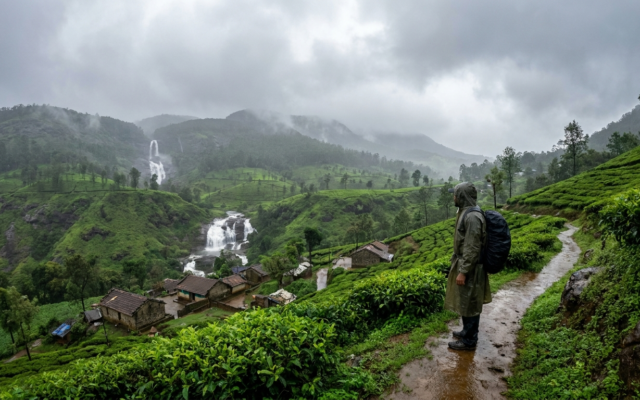
Nestled in the Western Ghats of Karnataka, Coorg, also known as Kodagu, is more than just coffee plantations. While its popular spots like Madikeri Fort and Raja’s Seat are worth a visit, the true essence of Coorg unfolds in its lesser-known valleys and villages. Think of places like Chettalli or Nalknad Palace, which offer a glimpse into the region’s royal past without the crowds. Here, you can immerse yourself in the local culture, learn about the unique Kodava traditions, and trek through spice gardens and dense forests.
Accommodation options in these quieter parts of Coorg are plentiful and budget-friendly. You’ll find charming homestays run by local families, offering an authentic taste of Kodava hospitality. These aren’t just places to sleep; they are gateways to understanding the local way of life. Imagine waking up to the aroma of freshly brewed coffee, enjoying a hearty breakfast of ‘pandi curry’ (pork curry) and ‘akki rotti’ (rice roti), and then setting off on a guided nature walk. These experiences are invaluable and surprisingly affordable in 2026.
“The true luxury of travel in 2026 isn’t about spending more, but about connecting deeper.”
Beyond the plantations, explore waterfalls like Iruppu Falls or the serene Brahmagiri Wildlife Sanctuary. For a truly unique experience, time your visit with the Kodava harvest festival, Puttari, typically celebrated in late November or early December. It’s a vibrant display of local customs, music, and dance. A surprising fact about Coorg is its significant contribution to India’s coffee production, with many estates offering tours that explain the bean-to-cup journey – a fascinating and educational experience for any coffee lover.
Rishikesh Beyond the Ganga Aarti: Unveiling the Spiritual Hinterland
Rishikesh, the “Yoga Capital of the World,” is famed for its Ganga Aarti and ashrams. While these are central to its spiritual appeal, the true budget traveler in 2026 can find profound experiences in the quieter corners and the surrounding Himalayan foothills. Venture beyond Laxman Jhula and Ram Jhula to explore villages like Bairajpur or the trails leading to hidden waterfalls such as Neer Garh. These offer tranquility and a chance to engage with the spiritual practices in a more personal, less commercialized setting.
The accommodation scene in Rishikesh is incredibly diverse, catering to every budget. While luxury resorts exist, you’ll find numerous ashrams offering simple, clean rooms at very low costs, often including meals. For those seeking more privacy, budget guesthouses and homestays are abundant in the outer areas. These often provide a more authentic interaction with local families, sharing stories and insights into their daily lives. The cost of living, especially for food, is exceptionally low, allowing you to savour delicious vegetarian fare without worry.
Consider exploring the less-visited temples dotting the hillsides, or taking a day trip to the Vashishta Gufa (Vashishta’s Cave), a serene spot for meditation and reflection. For the adventurous, trekking to Kunjapuri Devi Temple offers panoramic sunrise views of the Himalayas, a sight that rivals any expensive viewpoint. A surprising fact about Rishikesh is that it’s not just a spiritual hub; it’s also a significant centre for adventure sports like white-water rafting and trekking, offering thrilling activities at competitive prices throughout 2026.
The Majestic Silence of Spiti Valley: A Ladakh Alternative
For those who dream of Ladakh’s stark beauty but seek a less crowded, more budget-friendly alternative in 2026, Spiti Valley in Himachal Pradesh is an unparalleled choice. This cold desert mountain valley, often called “Little Tibet,” offers breathtaking landscapes of barren mountains, ancient monasteries, and vibrant Buddhist culture. Destinations like Kaza, Kibber, Chandratal Lake, and the Pin Valley National Park are less frequented by mass tourism, ensuring a more intimate experience.
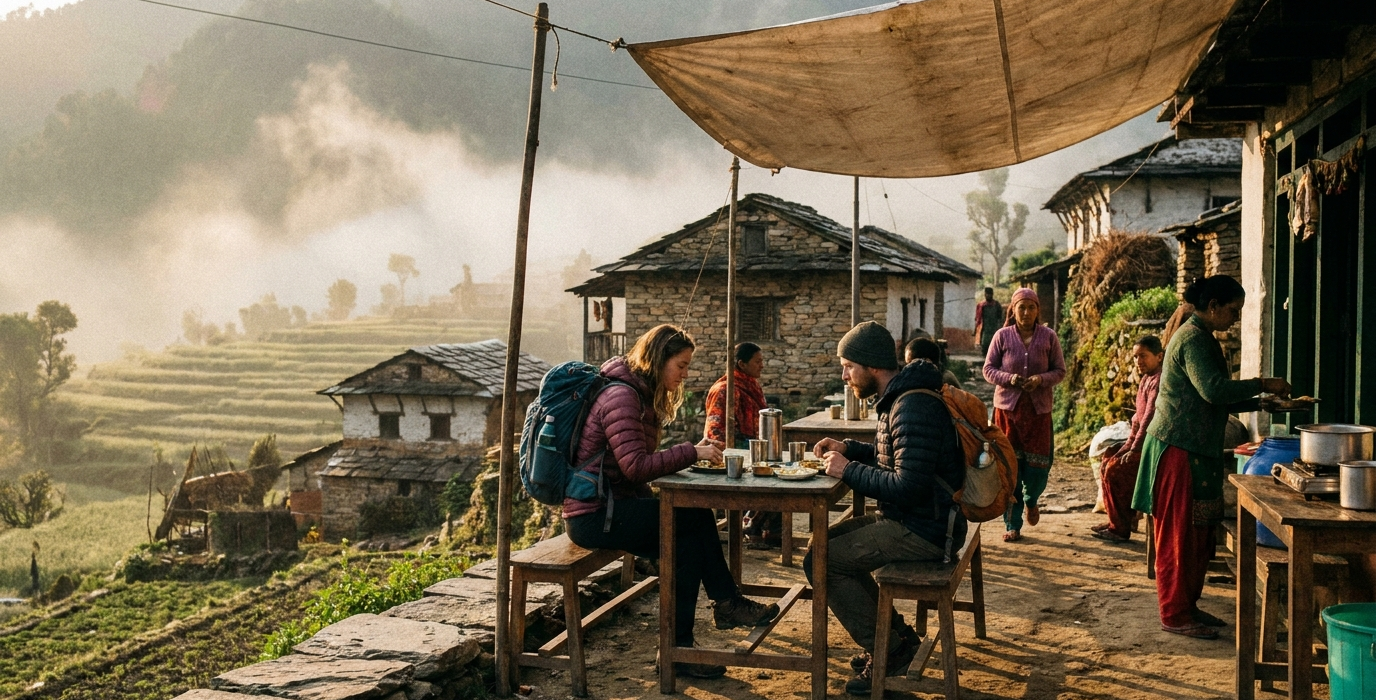
The key to budget travel in Spiti lies in embracing local transport and homestays. Shared taxis and local buses connect the major villages, and while journeys can be long, the scenery is spectacular. Homestays are the backbone of Spiti’s hospitality, offering basic but comfortable lodging and delicious home-cooked meals. Staying with local families provides invaluable cultural immersion and significantly reduces your expenses. You’ll find yourself sharing ‘thukpa’ and ‘momos’ with your hosts, learning about their resilient way of life.
“Spiti Valley offers a raw, unfiltered encounter with the Himalayas, a spiritual and visual feast that nourishes the soul.”
Visiting ancient monasteries like Ki Monastery, Dhankar Monastery, or Tabo Monastery is a humbling experience. These centuries-old structures hold incredible art and history. For nature enthusiasts, the trek to Chandratal Lake is a must, offering stunning views of the moon-shaped lake. A surprising fact about Spiti is that its remote location has preserved its unique culture and environment, making it a living museum of Tibetan Buddhism and Himalayan life, largely untouched by modern commercialization.
Pondicherry’s French Quarter and Beyond: Coastal Charms on a Budget
Pondicherry, or Puducherry, is a delightful blend of French colonial charm and Tamil culture. While its Promenade Beach and Auroville are popular, the true budget explorer in 2026 can delve deeper into its manifold attractions. Beyond the iconic White Town, explore the vibrant markets of the Tamil Quarter, wander through the peaceful streets of the French Quarter early in the morning before the crowds, and discover hidden cafes and artisanal shops. The city’s compact nature makes it ideal for exploration on foot or by bicycle, minimizing transport costs.
Accommodation in Pondicherry offers a wide spectrum, from luxurious heritage hotels to budget-friendly guesthouses and homestays. Opting for a homestay or a smaller hotel in the Tamil Quarter can significantly cut down costs while offering a more authentic local experience. The culinary scene is a major draw, with everything from exquisite French patisseries to delicious South Indian ‘thalis’ available at incredibly reasonable prices. Don’t miss trying the local seafood, fresh from the Bay of Bengal.
For a dose of tranquility, visit the Serenity Beach or the Auroville Beach, which are often less crowded than Promenade Beach. A day trip to the nearby villages, such as the fishing hamlet of Veerampattinam, offers a glimpse into the traditional coastal life. A surprising fact about Pondicherry is its unique linguistic landscape; while Tamil is the predominant local language, French is still spoken and understood by many, particularly among the older generation and in official capacities, creating a fascinating cultural fusion.
Orchha: The Miniature Majesty of Madhya Pradesh
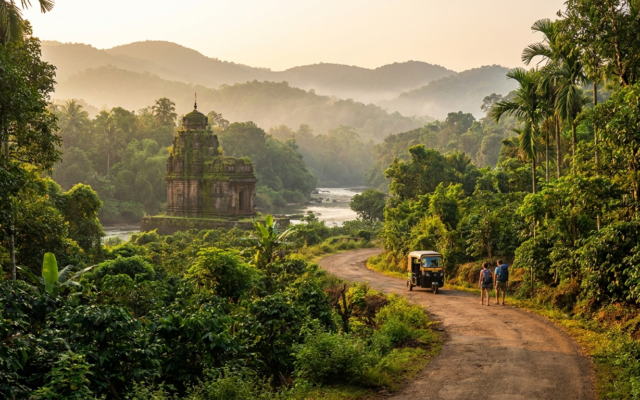
Orchha, a historic town in Madhya Pradesh, is a treasure trove of palaces, temples, and cenotaphs that seem frozen in time. Often overshadowed by more famous historical sites, Orchha offers an incredibly rich historical experience for the budget traveller in 2026. The main attractions – the Jahangir Mahal, the Raj Mahal, and the Ram Raja Temple – are clustered together, making it easy to explore on foot. The town’s serene setting on the banks of the Betwa River adds to its charm.
The accommodation options in Orchha range from heritage hotels housed in former palaces to simple, clean guesthouses and homestays. For a truly immersive experience without breaking the bank, consider a homestay. These offer a chance to interact with local families and savour authentic Bundelkhandi cuisine. The food here is hearty and flavourful, with local specialties that are both delicious and inexpensive. You can enjoy meals at small eateries or directly from your homestay.
Explore the fascinating cenotaphs (chhatris) of the Bundela rulers, which line the banks of the Betwa River. These architectural marvels are particularly stunning at sunrise and sunset. For a more adventurous experience, you can opt for a boat ride on the Betwa River or explore the nearby wildlife sanctuary. A surprising fact about Orchha is that it was once the capital of the Bundela kingdom, and the Ram Raja Temple is unique because it’s the only temple in India where Lord Rama is worshipped as a king, complete with a royal guard.
Hampi’s Forgotten Trails: Beyond the Main Ruins
Hampi, a UNESCO World Heritage Site in Karnataka, is renowned for its spectacular ruins of the Vijayanagara Empire. While the Virupaksha Temple and Vittala Temple are must-sees, exploring the less-visited corners of Hampi in 2026 can lead to incredibly rewarding and budget-friendly discoveries. Venture beyond the main clusters to find smaller temples, ancient aqueducts, and panoramic viewpoints that offer a different perspective on this magnificent historical landscape.
The island of Hampi, accessible by a coracle ride across the Tungabhadra River, offers a more rustic and affordable experience compared to the main town. Here, you’ll find numerous guesthouses and homestays nestled amidst paddy fields and boulders, providing a serene escape. The cost of living is significantly lower, especially for food. Enjoy simple yet delicious South Indian meals at local eateries. The iconic coracle ride itself is an experience and a cheap way to travel between the two sides of the river.
Beyond the famous structures, climb Matanga Hill or Hemakuta Hill for breathtaking sunrise and sunset views over the ruins. Explore the Queen’s Bath, the Elephant Stables, and the Lotus Mahal, which often see fewer visitors than the main temples. For a deeper dive into the region’s history, consider hiring a local guide who can share lesser-known stories and facts. A surprising fact about Hampi is that its unique boulder-strewn landscape is a geological marvel, with some of these granite formations dating back over 4 billion years, making it one of the oldest terrains on Earth.
Budget Travel 2026: Planning Your Affordable Indian Escape
Planning a budget trip to India in 2026 requires a strategic approach, focusing on value without compromising on experience. The destinations we’ve highlighted offer fantastic opportunities for affordable travel, but smart planning is key. This involves making informed choices about accommodation, transportation, and dining. Embracing local culture and traditions is not only enriching but also often the most economical way to travel.
When it comes to accommodation, homestays and guesthouses are your best friends. They provide a more authentic experience and are significantly cheaper than hotels. Look for options slightly outside the main tourist hubs for even better deals. Local transport like buses, trains, and shared taxis are incredibly cost-effective. While they might take longer, the journey itself becomes part of the adventure. For inter-city travel, booking train tickets in advance, especially for sleeper or AC 3-tier classes, offers great value.
Food is another area where you can save considerably. Eating local at dhabas, small restaurants, and street food stalls is not only delicious but also very budget-friendly. Avoid tourist-trap restaurants. Instead, seek out places where locals eat. Consider the timing of your travel as well. Travelling during the shoulder season or off-season can lead to significant savings on flights and accommodation.
Here’s a quick comparison to help you visualize budget allocation:
| Category | Budget Option (per day, per person) | Mid-Range Option (per day, per person) | Luxury Option (per day, per person) |
|---|---|---|---|
| Accommodation (Homestay/Budget Guesthouse) | ₹800 – ₹1,500 | ₹2,000 – ₹4,000 | ₹5,000+ |
| Food (Local Eateries/Street Food) | ₹600 – ₹1,000 | ₹1,200 – ₹2,000 | ₹2,500+ |
| Local Transport (Buses, Shared Taxis) | ₹300 – ₹500 | ₹600 – ₹1,000 | ₹1,500+ |
| Activities/Entry Fees | ₹400 – ₹700 | ₹800 – ₹1,500 | ₹2,000+ |
| Total Estimated Daily Budget | ₹2,100 – ₹3,700 | ₹4,600 – ₹8,500 | ₹11,000+ |
Remember, these are estimates and can vary greatly depending on your spending habits and the specific region. The goal for 2026 is to experience India’s richness without the financial strain, making these destinations your perfect launchpads for adventure.
Frequently Asked Questions
What is the best time to visit these budget destinations in 2026?
The best time often depends on the region. For the Himalayas like Spiti and Rishikesh, spring (March-May) and autumn (September-November) offer pleasant weather. For South Indian destinations like Coorg, Pondicherry, and Hampi, the post-monsoon season (October-February) is ideal, offering cooler temperatures and lush landscapes. Avoid peak monsoon months (June-September) for areas prone to heavy rainfall.
How can I ensure safety while travelling on a budget in India?
While these destinations are generally safe, exercise common sense precautions. Keep your valuables secure, be aware of your surroundings, especially at night, and trust your instincts. For solo travellers, informing someone of your itinerary and staying in well-reviewed accommodations is advisable. Respect local customs and dress modestly when visiting religious sites.
Are there any specific cultural etiquettes I should be aware of?
Yes, respecting local customs is paramount. Always remove your shoes before entering homes or temples. Dress modestly, especially when visiting religious places. When accepting or giving something, use your right hand. Learning a few basic phrases in the local language (e.g., ‘Namaste’ for hello, ‘Dhanyawad’ for thank you) will be greatly appreciated by locals.
How can I connect with local communities authentically?
The best way is through homestays and local markets. Engage in conversations, ask respectful questions about their culture and way of life, and participate in local activities if invited. Supporting local artisans and buying handicrafts directly from them also fosters a genuine connection and contributes to the local economy.