Key Takeaways
- By 2028, AI will be deeply integrated into Indian healthcare, moving beyond basic tasks to revolutionise diagnostics and predictive medicine.
- Expect AI to significantly improve diagnostic accuracy for complex diseases like tuberculosis and certain cancers, especially in remote areas.
- Personalised treatment plans and early detection of chronic conditions will become more commonplace, driven by AI-driven data analysis.
- The integration presents challenges, including data privacy, regulatory frameworks, and the need for skilled healthcare professionals to work alongside AI.
The Dawn of AI-Powered Diagnostics in India
As we look towards 2028, the landscape of Indian healthcare is on the cusp of a profound transformation, driven by the accelerating integration of Artificial Intelligence (AI). We’re moving beyond theoretical possibilities and witnessing AI’s tangible impact on how diseases are detected, diagnosed, and managed. This isn’t a distant future; it’s a rapidly unfolding reality that promises to democratise access to high-quality medical care across our vast and diverse nation.
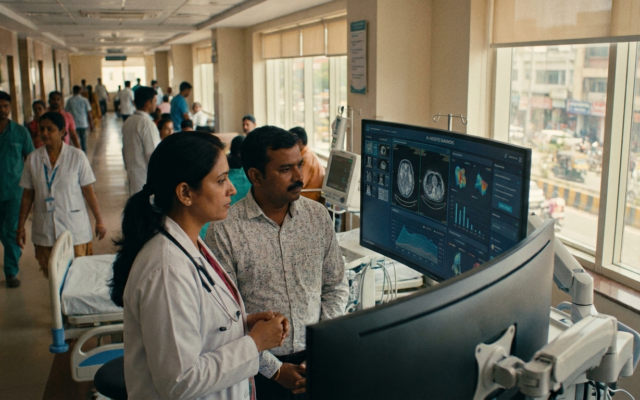
For millions in India, particularly those residing in Tier-2 and Tier-3 cities or remote villages, accessing specialist diagnostic services has often been a significant hurdle. AI is poised to bridge this gap. Imagine a scenario where advanced diagnostic tools, powered by sophisticated algorithms, can be deployed even in the most underserved regions, providing accuracy comparable to that of leading metropolitan hospitals.
This shift is not just about efficiency; it’s about equity and accessibility. By enhancing the capabilities of existing healthcare infrastructure and empowering frontline medical workers, AI can democratise access to critical health insights. The coming years will see AI become an indispensable partner for doctors, improving their ability to make timely and accurate diagnoses.
Revolutionising Tuberculosis Detection
Tuberculosis (TB) remains a formidable public health challenge in India, and AI is emerging as a powerful ally in its fight. Traditional diagnostic methods, while effective, can be time-consuming and resource-intensive, especially in areas with limited laboratory facilities. AI-powered image analysis tools are showing remarkable promise in detecting TB from chest X-rays with unprecedented speed and accuracy.
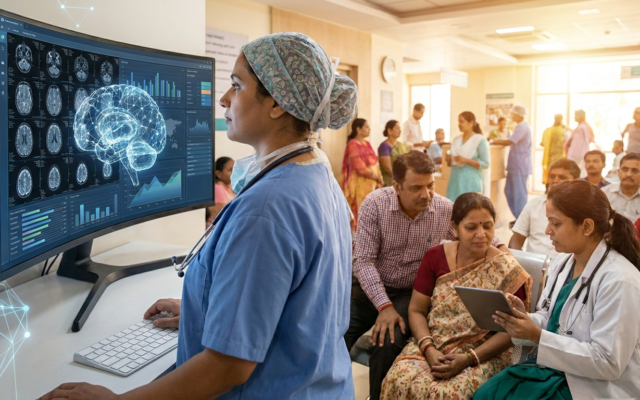
These algorithms are trained on vast datasets of radiographic images, learning to identify subtle patterns and anomalies that might be missed by the human eye, even by experienced radiologists. This is particularly crucial for early-stage detection, where timely intervention can significantly improve patient outcomes and reduce the risk of transmission. We’re already seeing pilot projects in states like Maharashtra and Karnataka demonstrating how AI can augment the capabilities of local healthcare workers, flagging potential TB cases for further confirmation.
The surprising fact here is the remarkable accuracy achieved. Some studies indicate AI models can achieve diagnostic accuracy rates exceeding 95% for certain types of TB, even in the presence of co-infections or comorbidities that often complicate diagnosis. This isn’t about replacing doctors; it’s about providing them with an incredibly powerful tool that enhances their diagnostic prowess, especially in resource-constrained settings.
Beyond initial detection, AI is also being explored for monitoring treatment response and predicting drug resistance. By analysing changes in lung lesions over time through serial X-rays, AI can offer insights into how a patient is responding to medication, potentially allowing for earlier adjustments to treatment regimens. This proactive approach could lead to better patient management and a more efficient allocation of limited healthcare resources.
Early Cancer Detection: A New Era
Cancer diagnosis and treatment represent another critical area where AI is set to make a substantial impact by 2028. The ability to detect cancers at their earliest, most treatable stages is paramount, and AI algorithms are proving adept at analysing various medical data to achieve this. From mammograms for breast cancer to CT scans for lung cancer and even pathology slides for various malignancies, AI is enhancing the precision and speed of detection.
Consider the sheer volume of data involved in cancer screening. AI can process thousands of medical images in a fraction of the time it would take a human radiologist or pathologist, identifying suspicious lesions that might otherwise go unnoticed. This is particularly beneficial in a country like India, where the demand for specialist interpretation often outstrips supply, leading to potential delays in diagnosis.
We are seeing AI excel in identifying minute anomalies in mammograms, spotting potential breast cancer signs that are almost imperceptible to the human eye. Similarly, in lung cancer screening, AI models can analyse CT scans to detect small nodules, classifying them by their likelihood of being malignant. This allows radiologists to focus their attention on the most concerning cases, optimising their workflow and improving diagnostic throughput.
A truly surprising application is in the field of oral cancer detection. AI-powered smartphone applications are being developed and tested that can analyse images of the oral cavity, flagging potential pre-cancerous lesions or early-stage cancers for follow-up. This democratises early screening, making it accessible even before a patient visits a clinic, a concept that was largely science fiction just a few years ago. By 2028, these tools will be more sophisticated and widely adopted, significantly improving survival rates.
Personalised Medicine and Predictive Analytics
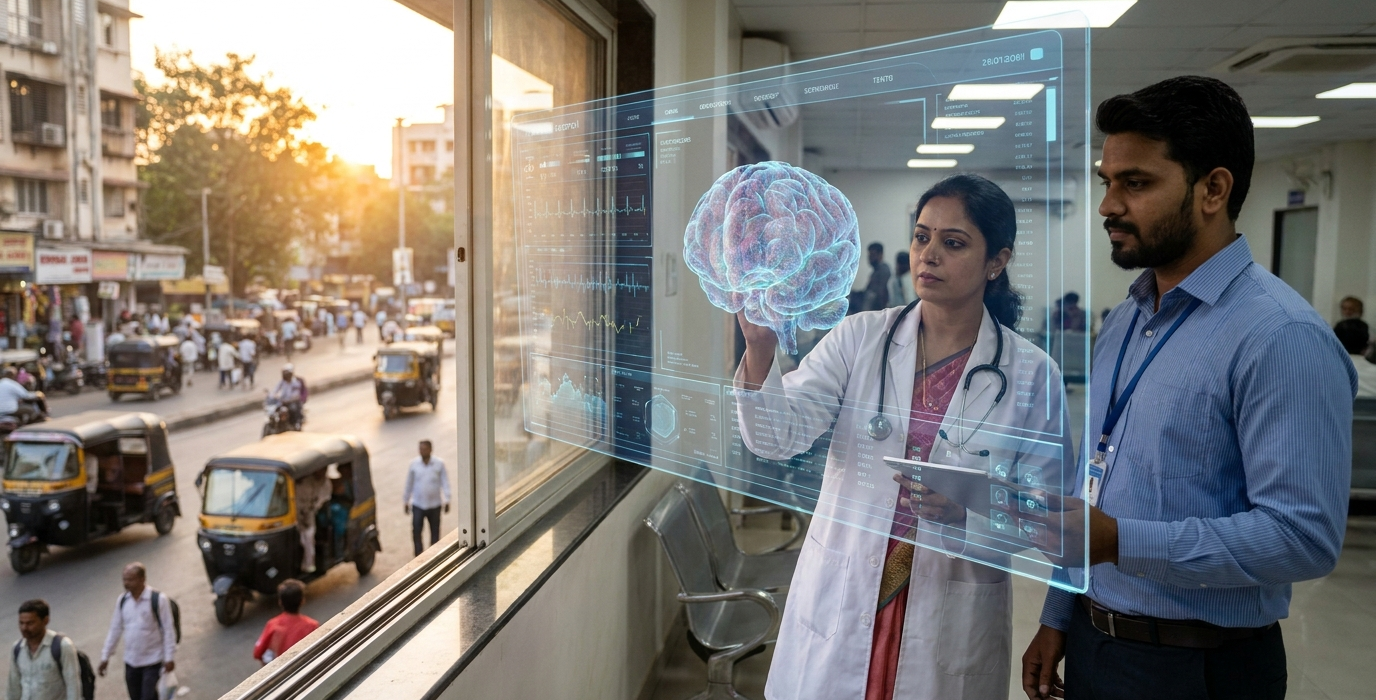
Beyond immediate diagnostics, AI’s true power in healthcare lies in its ability to move towards truly personalised medicine. By analysing a patient’s genetic makeup, lifestyle data, medical history, and even real-time health metrics from wearable devices, AI algorithms can predict an individual’s risk of developing certain diseases long before symptoms manifest. This shift from reactive to proactive healthcare is a game-changer.
Imagine receiving an alert that your AI-driven health profile indicates a heightened risk of developing Type 2 diabetes in the next five years, based on your genetic predisposition and recent lifestyle trends. This empowers you and your doctor to implement targeted preventive measures – dietary changes, increased physical activity, or regular monitoring – that can significantly delay or even prevent the onset of the condition. This level of predictive insight was simply not possible on a large scale a decade ago.
Furthermore, AI will be instrumental in tailoring treatment plans to the individual. For conditions like cardiovascular disease or diabetes, where responses to medication can vary significantly, AI can analyse vast datasets of patient responses to different treatments. This allows for the selection of the most effective drug and dosage for a specific patient, minimising side effects and optimising therapeutic outcomes. We’re talking about moving away from one-size-fits-all approaches to highly customised medical interventions.
The potential extends to chronic disease management. AI can monitor patients remotely, analysing data from their devices to detect early signs of deterioration or complications. This allows for timely interventions, reducing hospital admissions and improving the quality of life for individuals managing long-term health conditions. Think of AI as a continuous, intelligent health companion, working in the background to keep you healthier for longer.
AI in Drug Discovery and Clinical Trials
The impact of AI in healthcare extends beyond patient-facing applications to the very foundations of medical advancement: drug discovery and clinical trials. The traditional process of developing new medicines is notoriously lengthy, expensive, and often fraught with failure. AI is dramatically accelerating this process, identifying potential drug candidates and optimising clinical trial design.
AI algorithms can sift through immense databases of molecular structures and biological data to identify compounds that are likely to be effective against specific diseases. They can predict how a drug molecule will interact with biological targets, thereby reducing the number of compounds that need to be synthesised and tested in the lab. This can shorten the preclinical research phase by years and significantly reduce costs.
Moreover, AI is revolutionising clinical trial recruitment and monitoring. Identifying suitable patients for trials, ensuring diversity in participant demographics, and analysing the vast amounts of data generated during trials are all areas where AI can offer substantial improvements. AI can help predict which patients are most likely to respond to a particular treatment, leading to more efficient and successful trials. We are also seeing AI being used to monitor trial participants remotely, collecting real-time data and flagging any adverse events almost instantaneously.
“By 2028, AI will not just be a tool for doctors; it will be an integral part of the healthcare ecosystem, from the research lab to the patient’s bedside, making care more accurate, accessible, and personalised.”
A surprising facet of this AI-driven revolution is its ability to identify novel uses for existing drugs. By analysing drug interaction data and disease pathways, AI can suggest repurposing approved medications for entirely new conditions, a process that is far quicker and less expensive than developing a new drug from scratch. This holds immense promise for tackling rare diseases or emerging health threats with existing, safe compounds.
Challenges and the Road Ahead
Despite the immense promise, the widespread adoption of AI in Indian healthcare by 2028 is not without its challenges. Data privacy and security are paramount concerns. Robust frameworks are needed to ensure that sensitive patient data used to train and operate AI systems is protected from breaches and misuse, adhering to evolving regulations. Building trust among patients and healthcare professionals regarding the reliability and ethical use of AI is also a critical step.
Another significant hurdle is the need for skilled human capital. While AI can automate many tasks, it requires a new generation of healthcare professionals who are adept at working alongside AI systems. This includes radiologists who can interpret AI-generated reports, clinicians who can integrate AI insights into their decision-making, and data scientists who can develop and maintain these complex systems. Investing in training and education is therefore crucial.
The regulatory landscape also needs to keep pace. Clear guidelines and approval processes for AI-powered medical devices and software are essential to ensure their safety and efficacy. India is actively working on these fronts, but the pace of technological advancement often outstrips the speed of regulatory adaptation. Bridging this gap will be vital for seamless integration.
Finally, the issue of accessibility and affordability for AI solutions needs careful consideration. While AI promises to democratise healthcare, the initial investment in infrastructure and technology can be substantial. Ensuring that these advanced tools are available to all, regardless of socioeconomic status or geographic location, will require innovative business models and government support. The goal must be to leverage AI to reduce, not exacerbate, healthcare disparities.
Frequently Asked Questions
Will AI replace doctors in India by 2028?
No, AI is not expected to replace doctors. Instead, it will act as a powerful assistant, augmenting their diagnostic capabilities, streamlining workflows, and enabling more personalised patient care. Doctors will remain central to patient interaction, empathy, and complex decision-making.
How will AI improve healthcare access in rural India?
AI can bring advanced diagnostic capabilities to remote areas through telemedicine and AI-powered analysis of medical images taken locally. This reduces the need for patients to travel long distances for specialist consultations and diagnoses.
What are the biggest data privacy concerns with AI in Indian healthcare?
Concerns include the potential for data breaches, unauthorised access to sensitive patient information, and the ethical use of aggregated data. Robust encryption, anonymisation techniques, and strict data governance policies are essential to mitigate these risks.
Can AI help manage the cost of healthcare in India?
Yes, AI can help manage costs by improving diagnostic accuracy (reducing unnecessary tests), enabling early disease detection (preventing costly late-stage treatments), optimising resource allocation, and accelerating drug discovery, which can lower pharmaceutical costs.