Key Takeaways
- India’s mental wellness landscape is rapidly evolving, with increased awareness and innovative solutions emerging.
- Digital platforms and AI are becoming crucial tools for accessibility and personalized support.
- Community-based initiatives and traditional practices are regaining prominence, offering holistic approaches.
- Focusing on early intervention and destigmatization remains paramount for long-term societal well-being.
The Shifting Sands of Indian Mental Wellness in 2026
The year 2026 finds India at a fascinating crossroads in its journey towards mental well-being. For decades, discussions around mental health were often relegated to hushed whispers, a stark contrast to the vibrant dynamism of Indian life. Today, however, a palpable shift is underway. We are witnessing a generation that is increasingly vocal, seeking not just to cope but to thrive. This evolution is fueled by a confluence of factors: greater global awareness, a growing understanding of the intricate link between mental and physical health, and the sheer pressure of modern living.
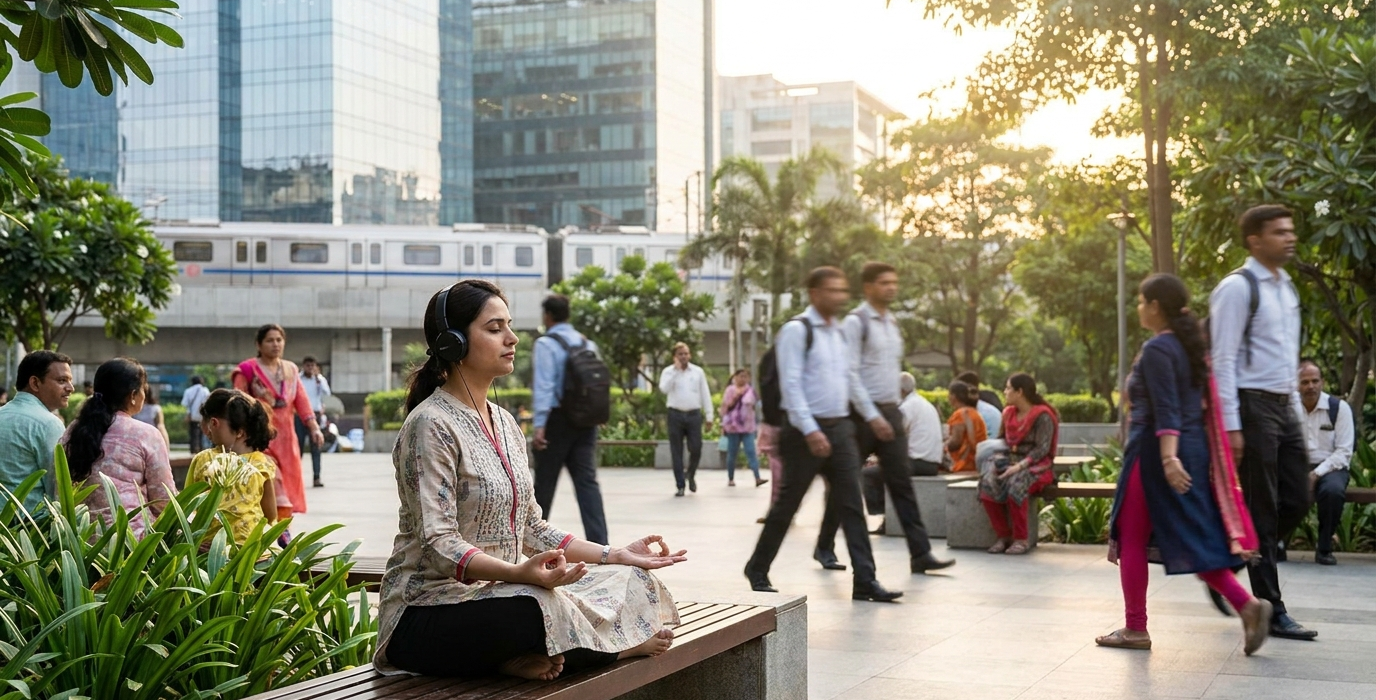
The pace of life in our bustling metropolises, from the IT hubs of Bengaluru to the financial centres of Mumbai, can be relentless. Add to this the persistent pressures of career, family, and societal expectations, and it’s no wonder that stress and anxiety have become common companions for many. Yet, amidst these challenges, a wave of proactive strategies is emerging. These aren’t just Band-Aid solutions; they represent a fundamental rethinking of how we approach mental wellness, integrating technology, community, and deeply rooted cultural wisdom.
This article delves into the cutting-edge approaches and enduring practices that are shaping the mental wellness landscape for Indians in 2026 and beyond. We’ll explore how technology is democratizing access to care, how communities are fostering resilience, and what practical steps you can take to nurture your own mental equilibrium. It’s a journey of discovery, highlighting the resilience and adaptability of the Indian spirit.
Digital Bridges to Better Mental Health
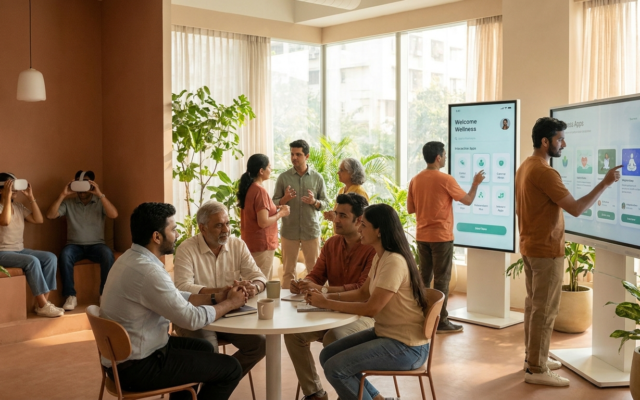
The digital revolution has profoundly impacted how we access information and services, and mental wellness is no exception. In 2026, digital platforms are no longer supplementary; they are often primary conduits for support, especially in a country as vast and diverse as India. Tele-mental health services, powered by robust internet penetration even in Tier 2 and Tier 3 cities, are breaking down geographical barriers. You can now connect with qualified therapists and counsellors from the comfort of your home in Guwahati or a quiet corner in your ancestral village near Madurai.
Artificial intelligence (AI) is also playing an increasingly sophisticated role. AI-powered chatbots are offering initial screening, psychoeducation, and even guided mindfulness exercises. These tools provide immediate, low-barrier support for those who might feel hesitant to reach out for human interaction initially. Imagine receiving personalized coping strategies delivered via an app, tailored to your specific anxieties, just when you need them. Furthermore, AI is being used to analyse patterns in user data (anonymously, of course) to identify potential mental health crises earlier, allowing for more timely interventions.
The convenience and anonymity offered by these digital solutions are particularly appealing to a younger demographic, who are digitally native and often more open to discussing mental health online. However, it’s crucial to remember that these digital tools are best used as complements to, not replacements for, professional human care when complex issues arise. The ongoing challenge is ensuring equitable access and digital literacy across all segments of society.
Community: The Enduring Power of Connection
While technology offers unprecedented reach, the enduring power of human connection remains a cornerstone of mental wellness. In 2026, we see a resurgent interest in community-based initiatives and support networks. These local ecosystems provide a sense of belonging and shared experience that is vital for mental resilience. Think of neighbourhood mental health advocacy groups forming in the bylanes of Old Delhi, or support circles for new mothers in the suburbs of Pune, meeting regularly to share challenges and triumphs.
These grassroots movements are often driven by individuals who have experienced mental health challenges themselves, creating peer-to-peer support that is both empathetic and practical. They organise workshops on stress management, host open mic nights to encourage expression, and create safe spaces for dialogue. The emphasis here is on collective care and mutual upliftment, fostering a sense of “we are in this together.” This is particularly impactful in smaller towns and rural areas where access to formal mental health services may be limited.
A surprising fact is the growing trend of integrating mental wellness activities into existing community structures, such as religious gatherings or local festivals. For instance, some temples are now offering meditation sessions as part of their regular programming, and community centres in cities like Kochi are hosting art therapy workshops. This normalizes seeking support and embeds it within the fabric of daily life, reducing the stigma associated with mental health struggles.
Embracing Traditional Wisdom for Modern Minds
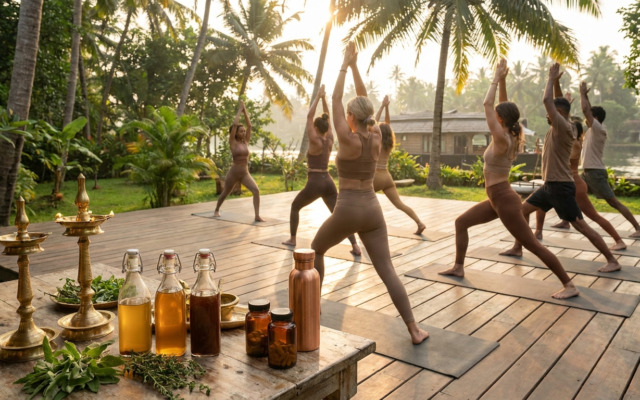
India’s rich cultural heritage offers a treasure trove of practices that are proving remarkably effective for modern mental wellness. These aren’t just relics of the past; they are dynamic, adaptable approaches that resonate deeply with our collective consciousness. Practices like yoga and meditation, once considered niche, are now mainstream, with dedicated studios and online classes available across the country. Their scientifically proven benefits in reducing stress, improving focus, and promoting emotional regulation are undeniable.
Beyond the well-known, consider the resurgence of Ayurveda and its holistic approach to well-being. Ayurvedic principles emphasize balance (doshas) and advocate for lifestyle choices, diet, and herbal remedies that support mental clarity and emotional stability. Many individuals are turning to Ayurvedic practitioners for personalized guidance on managing anxiety, depression, and sleep disorders. The focus on natural remedies and lifestyle adjustments offers a gentle yet powerful path to healing.
Another fascinating development is the renewed appreciation for traditional storytelling and art forms as therapeutic tools. In regions like Rajasthan, community elders are reviving folk tales that subtly impart lessons on resilience, empathy, and overcoming adversity. Similarly, art forms like Warli painting from Maharashtra are being used in workshops to encourage non-verbal expression and emotional processing. A surprising insight here is that the very act of engaging with these traditional arts can evoke ancestral memories of calm and rootedness, offering a unique form of intergenerational healing.
Navigating Workplace Wellness in 2026
The professional landscape in India is demanding, and in 2026, employers are increasingly recognizing the critical link between employee well-being and productivity. Gone are the days when mental health was solely an individual’s concern; progressive organisations are now investing significantly in comprehensive workplace wellness programs. These initiatives aim to create supportive environments where employees feel valued and empowered to prioritize their mental health.
This includes offering access to Employee Assistance Programs (EAPs) that provide confidential counselling services, mental health workshops, and stress management training. Many companies are also focusing on fostering a culture of psychological safety, where open conversations about mental health are encouraged, and seeking help is seen as a sign of strength, not weakness. Leaders are being trained to identify signs of distress in their teams and to offer appropriate support. For instance, tech firms in Hyderabad are implementing mandatory mental health first-aid training for all managers.
Beyond formal programs, there’s a growing emphasis on creating a better work-life balance. Flexible working arrangements, encouraging employees to take their leaves, and discouraging a culture of overwork are becoming standard practices. Some forward-thinking companies are even introducing dedicated quiet zones or mindfulness spaces within their offices. A surprising yet impactful trend is the adoption of ‘digital detox’ days or policies, encouraging employees to disconnect from work communications after hours to prevent burnout. This shift reflects a deeper understanding that a mentally healthy workforce is a more engaged, creative, and resilient one.
Personalized Paths: Tailoring Wellness to You
In 2026, the one-size-fits-all approach to mental wellness is increasingly being replaced by personalized strategies. We are moving towards a more nuanced understanding that each individual’s needs, experiences, and cultural backgrounds shape their mental health journey. This personalization is driven by advances in understanding individual psychology and the use of technology to tailor interventions.
This means that when you seek support, whether digital or in-person, the approach is more likely to be adapted to your specific situation. For example, a young professional in Delhi might benefit from a blend of cognitive behavioural therapy (CBT) and mindfulness apps, while an artist in Kolkata might find expressive arts therapy more resonant. The key is finding what works best for your unique constitution and life circumstances. This also extends to preventative care; understanding your personal stress triggers and developing tailored coping mechanisms before challenges arise.
Furthermore, genetic and lifestyle factors are beginning to be considered in personalized mental wellness plans, though this is still an emerging area. The goal is to empower you with the knowledge and tools that are most effective for *you*. This might involve a combination of therapeutic approaches, lifestyle adjustments like dietary changes based on Ayurvedic principles, or incorporating specific mindfulness practices. A surprising development is the emergence of ‘wellness coaches’ who work holistically, integrating physical, mental, and emotional well-being into a cohesive, personalized plan, often leveraging insights from wearable tech and biometric data.
Frequently Asked Questions
What are the most common mental health challenges faced by Indians in 2026?
The most prevalent challenges continue to be stress, anxiety disorders, and depression. These are often exacerbated by societal pressures, economic uncertainties, and the fast-paced nature of modern life. Increasingly, concerns around digital overload and social media’s impact on self-esteem are also being reported.
How can I find affordable mental health support in India?
Several avenues exist. Look into government-run mental health institutions, many of which offer subsidized or free services. NGOs and community-based organizations often provide low-cost counselling. Tele-mental health platforms are also becoming more competitive in pricing, and many offer sliding scales based on income. Exploring university counselling centres or peer support groups can also be beneficial.
Is seeking therapy still stigmatized in India?
While the stigma is significantly reducing, it hasn’t vanished entirely. Public awareness campaigns, celebrity endorsements, and increased media discussion are helping to normalize seeking professional help. However, individual family and societal attitudes can still vary, so finding supportive environments and individuals is important.
What role do family and friends play in supporting someone’s mental well-being?
Family and friends are crucial pillars of support. Their understanding, empathy, and willingness to listen without judgment can make a significant difference. Encouraging open communication, helping individuals access professional help, and simply being present are invaluable. It’s also important for them to practice self-care to avoid burnout.
How can I incorporate mental wellness practices into my daily routine?
Start small and be consistent. Dedicate 10-15 minutes each day for mindfulness or meditation. Incorporate physical activity, even a brisk walk in your neighbourhood park. Prioritize sleep hygiene, ensure adequate rest. Practice gratitude by journaling three things you’re thankful for each day. Set realistic goals and learn to say no to overcommitments. Even small, consistent efforts can yield significant long-term benefits.