Key Takeaways
- Ayurveda’s ancient wisdom is finding new life through scientific validation, influencing global wellness trends in 2026.
- Discover how Ayurvedic principles are being integrated into personalized nutrition, stress management, and preventative healthcare.
- Explore the rise of scientifically-backed Ayurvedic ingredients and therapies, from adaptogenic herbs to mindful movement practices.
- Understand how you can leverage these emerging trends for a more holistic and effective approach to your well-being.
The Resurgence of Ancient Wisdom: Ayurveda in 2026
The year 2026 marks a significant turning point for Ayurveda, the ancient Indian system of medicine. Far from being relegated to historical texts, its principles are now being embraced and validated by modern science, ushering in a new era of holistic wellness. This resurgence is not about returning to the past, but rather about integrating timeless wisdom with cutting-edge research. We’re seeing a global shift towards understanding the body as an interconnected system, a concept that has been central to Ayurveda for millennia.
This ancient science, with its roots stretching back over 5,000 years, emphasizes balance – balance within the body, with nature, and with the mind. It’s a personalized approach, recognizing that each individual is unique and requires a tailored path to health. In 2026, this personalized ethos is resonating deeply as people seek alternatives to one-size-fits-all solutions. From the bustling streets of Mumbai to the serene ashrams of Rishikesh, and now reaching international shores, Ayurvedic practices are proving their enduring relevance.
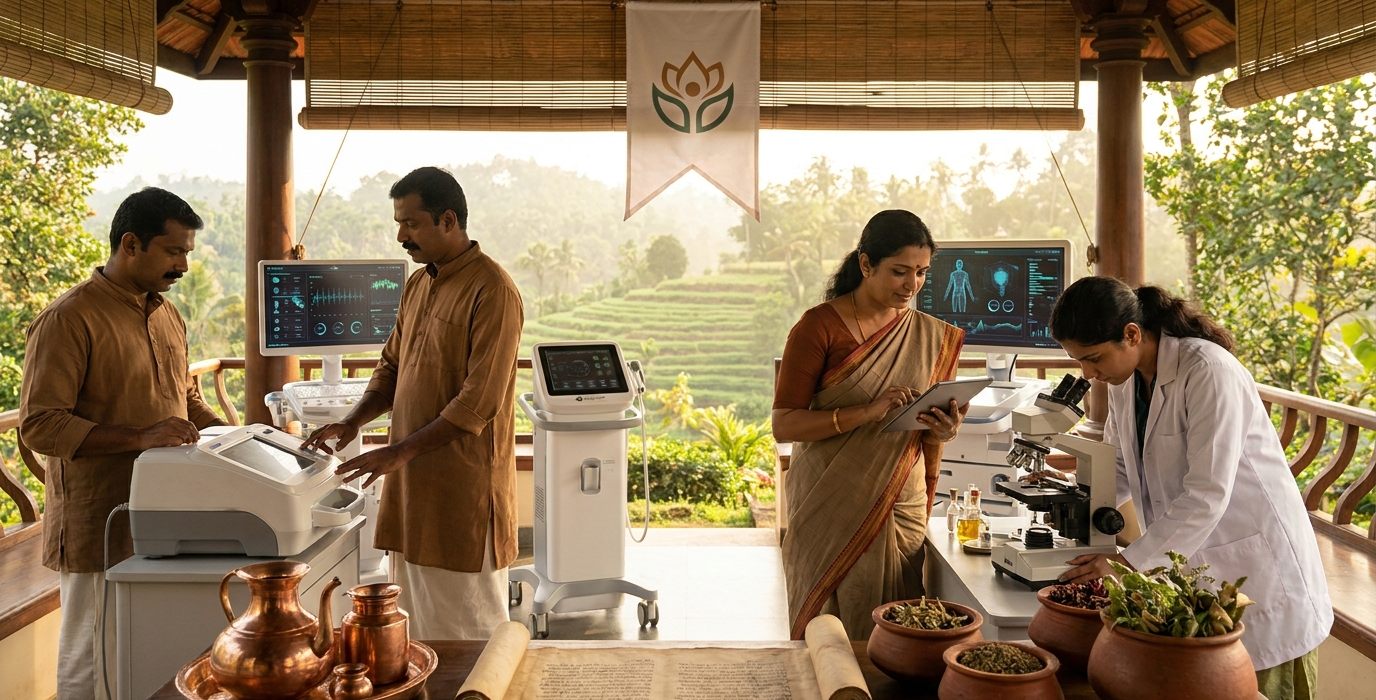
We are witnessing a fascinating convergence where traditional Ayurvedic knowledge meets rigorous scientific inquiry. This isn’t just about anecdotal evidence anymore; numerous studies are now exploring the efficacy of Ayurvedic herbs, dietary recommendations, and lifestyle interventions. The focus is on preventative care, understanding the root causes of imbalances rather than just treating symptoms. This proactive approach aligns perfectly with the growing global demand for sustainable and natural health solutions.
Personalized Nutrition: The Ayurvedic Blueprint for Your Plate
One of the most impactful areas where Ayurveda is making waves in 2026 is personalized nutrition. Gone are the days of rigid, universal dietary advice. Ayurveda, through its concept of ‘Prakriti’ (individual constitution), has always championed the idea that what nourishes one person might not suit another. This deep understanding of individual bio-individuality is now being translated into actionable, science-backed dietary plans.
Ayurvedic nutritionists and dieticians, often working alongside modern dietitians and doctors, are using advanced diagnostics to assess an individual’s dominant dosha (Vata, Pitta, or Kapha). This assessment then informs recommendations for specific foods, cooking methods, and meal timings that best support that person’s unique metabolic and physiological needs. For instance, someone with a Vata imbalance might be advised to focus on warm, grounding, and nourishing foods, while a Pitta-dominant individual might benefit from cooling and mildly sweet options.
This personalized approach extends to understanding food synergies and incompatibilities, a concept that has long been a cornerstone of Ayurvedic culinary wisdom. It’s not just about what you eat, but also how and when you eat it. We’re seeing a surge in demand for Ayurvedic-inspired meal kits and apps that offer personalized recipes based on your dosha and current health goals. This integration is making it easier than ever for people to implement these ancient dietary principles into their busy modern lives.
One surprising fact gaining traction is how Ayurvedic dietary principles are being studied for their potential to influence the gut microbiome. Early research suggests that the emphasis on whole, unprocessed foods, specific spice combinations, and mindful eating practices can foster a healthier gut ecosystem, which is increasingly linked to overall well-being. This connection between ancient dietary wisdom and modern microbiome science is a testament to Ayurveda’s profound insights.
Stress Management and Mental Well-being: Ayurvedic Tranquility
In our hyper-connected, fast-paced world, stress has become a pervasive health concern. Ayurveda offers a comprehensive framework for managing stress and cultivating mental tranquility, a framework that is gaining significant scientific validation in 2026. Its holistic approach addresses the mind-body connection, recognizing that mental health is intrinsically linked to physical health.
Practices like ‘Dhyana’ (meditation) and ‘Pranayama’ (breath control) are no longer considered fringe activities but are being integrated into corporate wellness programs and therapeutic interventions. Studies are now demonstrating the efficacy of specific Ayurvedic breathing techniques in reducing cortisol levels, the body’s primary stress hormone. For example, alternate nostril breathing (Nadi Shodhana) has been shown to calm the nervous system and improve focus.
Beyond breathwork and meditation, Ayurvedic lifestyle recommendations play a crucial role. This includes establishing a consistent daily routine (‘Dinacharya’), ensuring adequate sleep, and engaging in mindful movement. The concept of ‘Abhyanga’ (self-oil massage) is also experiencing a renaissance, not just for its skin benefits, but for its profound ability to soothe the nervous system and promote relaxation. The warmth and grounding sensation of warm oils, often infused with specific herbs, can significantly alleviate anxiety.
We are also seeing a rise in adaptogenic herbs, a category deeply rooted in Ayurvedic tradition. Herbs like Ashwagandha and Brahmi are now widely recognized for their ability to help the body adapt to stress and improve cognitive function. Clinical trials are exploring their mechanisms of action, confirming their role in modulating the body’s stress response and enhancing resilience. This scientific backing is empowering individuals to confidently incorporate these powerful natural remedies into their self-care routines.
The Rise of Ayurvedic Therapeutics and Formulations
The scientific validation of Ayurvedic therapies and formulations is perhaps one of the most exciting developments of 2026. What was once considered traditional medicine is now being rigorously studied, leading to the development of evidence-based treatments and preventative strategies. This blend of ancient knowledge and modern scientific methodology is unlocking new possibilities for health and healing.
We’re seeing a significant increase in research focusing on the phytochemical profiles of Ayurvedic herbs. Scientists are identifying active compounds within plants like Turmeric (Curcumin), Ginger, and Neem, and are studying their specific therapeutic properties. This has led to the standardization of Ayurvedic formulations, ensuring consistent potency and efficacy, which is crucial for clinical application.
One area of particular interest is the anti-inflammatory and antioxidant properties of many Ayurvedic ingredients. Turmeric, for instance, with its active compound curcumin, is being extensively studied for its role in managing chronic inflammatory conditions, from arthritis to certain metabolic disorders. Similarly, ingredients like Guduchi (Tinospora cordifolia) are being investigated for their immunomodulatory effects.
This scientific scrutiny extends to Ayurvedic treatment modalities. Practices like ‘Panchakarma’, a detoxification and rejuvenation therapy, are being studied for their physiological effects, including their impact on reducing oxidative stress and improving metabolic markers. The traditional Ayurvedic approach to seasonal cleansing, known as ‘Ritucharya’, is also being explored for its role in supporting immune health throughout the year. This rigorous scientific investigation is building confidence and trust in Ayurvedic therapeutics worldwide.
Integrating Ayurveda into Modern Healthcare Systems
The integration of Ayurvedic principles and practices into mainstream healthcare systems is a significant trend in 2026, moving beyond complementary and alternative medicine (CAM) to a more synergistic approach. This integration is driven by a growing recognition of the limitations of purely symptomatic treatment and a desire for more holistic, patient-centered care.
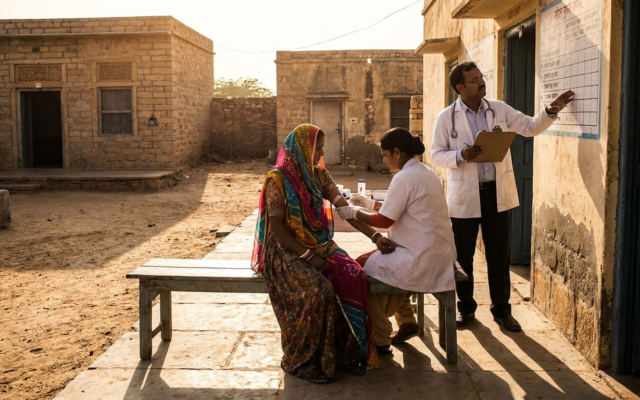
Hospitals and clinics are beginning to offer Ayurvedic consultations alongside conventional medical advice. This allows patients to benefit from a broader range of treatment options, tailored to their individual needs. For example, a patient undergoing chemotherapy might receive Ayurvedic support to manage side effects like nausea and fatigue, alongside their conventional treatment.
This integration is also evident in the pharmaceutical sector. Many pharmaceutical companies are investing in research and development of Ayurvedic-inspired drugs, identifying potent natural compounds with therapeutic potential. This has led to the availability of scientifically validated Ayurvedic medicines that meet stringent quality control standards. You can now find Ayurvedic formulations approved by regulatory bodies, offering a credible alternative or adjunct to conventional treatments.
The collaboration between Ayurvedic practitioners and modern medical professionals is fostering a new paradigm of healthcare. This interdisciplinary approach ensures that patients receive comprehensive care that addresses their physical, mental, and emotional well-being. It’s a testament to the fact that ancient wisdom, when combined with modern scientific rigor, can offer powerful solutions for the health challenges of our time.
Here’s a glimpse at how some Ayurvedic principles are being integrated, highlighting the diverse applications:
| Ayurvedic Principle/Therapy | Modern Application/Validation | Potential Benefits |
|---|---|---|
| Personalized Nutrition (Prakriti) | Genomic and microbiome analysis informing dietary recommendations. | Improved digestion, weight management, increased energy levels. |
| Stress Management (Yoga, Pranayama, Meditation) | Clinical trials demonstrating reduction in anxiety, depression, and improved sleep quality. | Enhanced mental clarity, reduced risk of stress-related illnesses, improved emotional regulation. |
| Adaptogenic Herbs (Ashwagandha, Brahmi) | Studies on their effects on cortisol levels, cognitive function, and immune response. | Increased resilience to stress, improved focus and memory, boosted immunity. |
| Detoxification (Panchakarma) | Research into their impact on reducing oxidative stress and improving metabolic health. | Cleansing the body, rejuvenation, enhanced vitality, improved digestion. |
Ayurvedic Wellness Trends You Can Embrace Today
The exciting developments in Ayurveda in 2026 offer us tangible ways to improve our health and well-being. You don’t need to be an expert or undergo elaborate treatments to benefit from these ancient principles. Many of these practices are simple, accessible, and can be seamlessly woven into your daily life, right from your home in Delhi or from your city abroad.
Start by paying attention to your ‘Dinacharya’, or daily routine. Waking up with the sun, engaging in mindful movement, and eating your meals at consistent times can significantly impact your energy levels and overall health. Even small adjustments, like incorporating a short meditation session or a few minutes of deep breathing exercises in the morning, can make a profound difference in managing stress.
Exploring Ayurvedic dietary principles can be as simple as understanding your dominant dosha and making informed food choices. You might find that incorporating more warming spices like ginger and cinnamon into your diet, especially during cooler months, makes you feel more balanced. Similarly, choosing seasonal fruits and vegetables aligns with Ayurvedic wisdom and supports local agriculture.
“Ayurveda reminds us that true health is not merely the absence of disease, but a state of dynamic balance – a symphony of mind, body, and spirit harmonizing with the rhythms of nature.”
Consider incorporating Ayurvedic herbs into your routine. Ashwagandha, readily available in powder or capsule form, is popular for its stress-relieving properties. Brahmi is often used to support cognitive function. Always ensure you are sourcing high-quality products from reputable brands. You might also explore the practice of ‘Abhyanga’ with warm sesame oil, a simple yet deeply therapeutic self-massage that can be done a few times a week. These are not just trends; they are time-tested practices designed to foster lasting well-being.
Frequently Asked Questions
What is the primary goal of Ayurveda?
The primary goal of Ayurveda is to achieve and maintain a state of balance within the body, mind, and spirit, leading to optimal health and longevity. It focuses on preventing disease by understanding and addressing individual constitutions and imbalances.
How can I determine my Ayurvedic dosha?
You can determine your Ayurvedic dosha through self-assessment questionnaires available online from reputable Ayurvedic sources, or by consulting with a qualified Ayurvedic practitioner. These assessments consider physical characteristics, mental tendencies, and lifestyle habits.
Are Ayurvedic remedies safe for everyone?
While Ayurvedic remedies are generally considered safe when used appropriately, it is always recommended to consult with a qualified Ayurvedic practitioner or healthcare provider before starting any new treatments, especially if you have pre-existing health conditions or are pregnant or breastfeeding.
What are some common Ayurvedic practices I can start with?
Simple Ayurvedic practices you can start with include establishing a consistent daily routine (Dinacharya), incorporating mindful eating, practicing Yoga and Pranayama (breathing exercises), and exploring self-massage (Abhyanga) with warm oils.
Can Ayurveda be used alongside conventional medicine?
Yes, Ayurveda can often be used effectively alongside conventional medicine. This integrated approach, known as integrative medicine, aims to provide comprehensive care by combining the strengths of both systems. Always inform your doctor about any Ayurvedic treatments you are undertaking.