Key Takeaways
- The microbiome diet focuses on feeding beneficial gut bacteria through diverse, fibre-rich foods, moving beyond simple probiotics.
- Key principles include increasing prebiotics (found in onions, garlic, bananas) and polyphenols (berries, dark chocolate), while limiting processed foods.
- Personalised approaches are gaining traction, with emerging at-home microbiome testing kits offering tailored dietary advice.
- This trend emphasises whole, seasonal produce and fermented foods like idli, dosa, and traditional achaar for gut health.
Understanding Your Inner Ecosystem: The Rise of the Microbiome Diet
This year, the conversation around health is shifting inwards, focusing on the trillions of microscopic organisms living within us – our gut microbiome. Forget fad diets of the past; the microbiome diet of 2026 is a scientifically-backed approach to unlocking vibrant health by nourishing these tiny allies. It’s not about restriction, but about abundance: embracing a diverse range of foods that actively support a balanced gut ecosystem.
For too long, we’ve treated our gut as a passive recipient of food. Now, we understand it’s a dynamic, living community that profoundly influences everything from our digestion and immunity to our mood and even our skin. This diet isn’t a quick fix; it’s a sustainable lifestyle shift that empowers you to take control of your well-being from the inside out. We’ll explore how to cultivate this inner garden for lasting benefits.
The Pillars of Microbiome Nourishment
At its core, the microbiome diet is about diversity and feeding the good bacteria. This means actively incorporating foods rich in prebiotics – the non-digestible fibres that act as food for your beneficial gut microbes. Think beyond the usual suspects; while onions and garlic are excellent, don’t overlook leeks, asparagus, oats, and even slightly underripe bananas.
Another crucial element is polyphenols. These powerful plant compounds, found in vibrantly coloured fruits and vegetables, act as antioxidants and also selectively feed beneficial bacteria. Berries, dark chocolate, green tea, and even red wine in moderation are fantastic sources. The goal is to create an environment where your good microbes thrive, crowding out less desirable ones and producing beneficial compounds like short-chain fatty acids, essential for gut lining health.
Prebiotics: The Fuel for Your Gut Friends
Prebiotics are the unsung heroes of gut health. They are types of dietary fibre that your body cannot digest, but your gut bacteria can. This fermentation process releases energy for your microbes and produces beneficial by-products. Aim to include a variety of prebiotic-rich foods throughout your day. For instance, start your morning with oatmeal topped with berries, enjoy a lentil soup with leeks for lunch, and have a side of steamed asparagus with your dinner.
A surprising fact is that resistant starch, a type of carbohydrate that resists digestion, also acts as a prebiotic. This can be found in foods like cooked and cooled potatoes, rice, and green bananas. This dietary strategy is about consistently providing nourishment rather than occasional boosts.
Polyphenols: The Antioxidant Powerhouses
Polyphenols are plant-derived compounds that have antioxidant properties and can influence the composition of your gut microbiome. They can inhibit the growth of harmful bacteria while promoting the growth of beneficial ones. Incorporating a rainbow of fruits and vegetables ensures you’re getting a wide spectrum of these protective compounds. A handful of mixed berries, a square of dark chocolate (70% cocoa or higher), or a cup of green tea can all contribute significantly to your daily polyphenol intake.
These compounds are not just about fighting free radicals; they play a direct role in shaping your gut environment. Their anti-inflammatory properties also contribute to overall gut health, making them indispensable for anyone focusing on their microbiome. Embracing these vibrant foods is a delicious way to support your inner health.
Beyond Probiotics: Fermented Foods and Their Magic
While probiotics – the live beneficial bacteria themselves – are important, the microbiome diet of 2026 places an even greater emphasis on fermented foods. These are foods that have undergone a controlled microbial growth process, creating a complex matrix of beneficial bacteria and yeasts. India, with its rich culinary heritage, offers a treasure trove of naturally fermented foods that are perfect for this dietary approach.
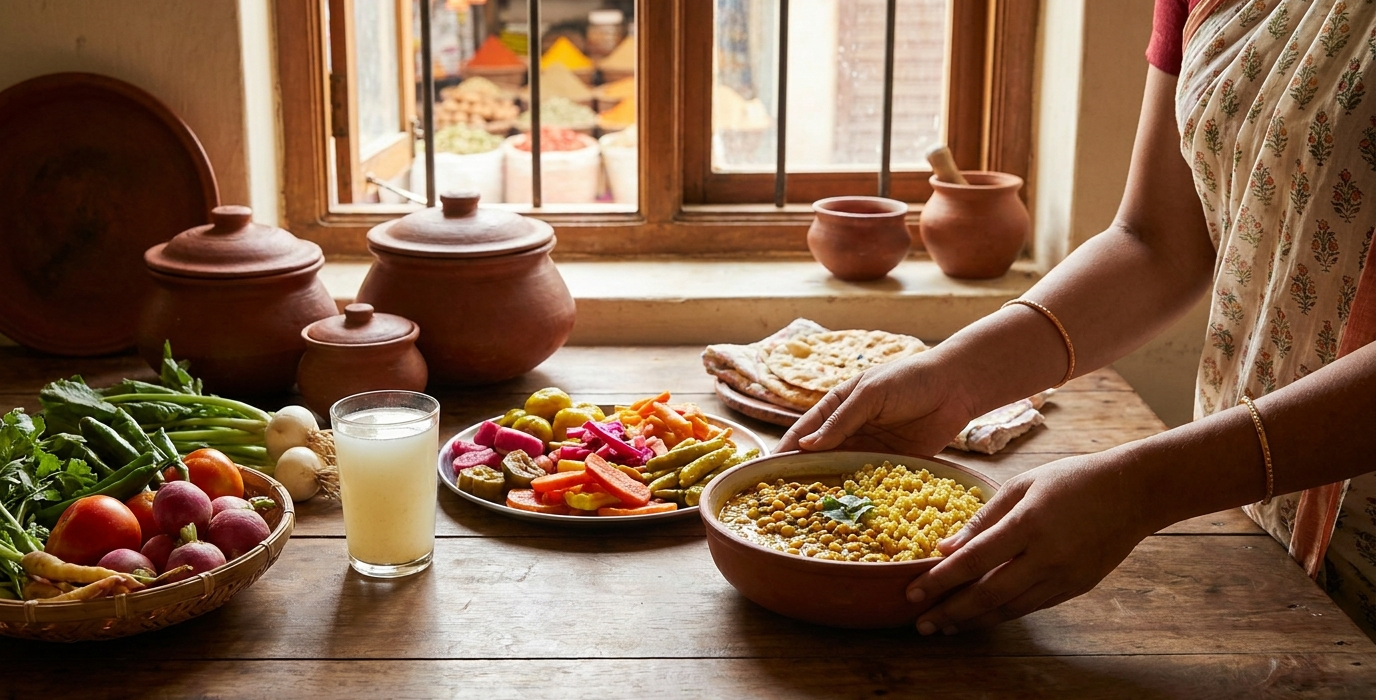
Think about the humble idli and dosa batter, which ferments overnight, cultivating a diverse range of lactic acid bacteria. Traditional achaar (pickles), when made using natural fermentation methods without excessive vinegar or artificial preservatives, can also be a potent source of gut-friendly microbes. Even a simple glass of buttermilk (chaas) can contribute to your daily intake of beneficial bacteria, especially when made from traditional starter cultures.
The Charm of Traditional Fermentation
The magic of traditional Indian fermented foods lies in their complexity. Unlike single-strain probiotic supplements, these foods often contain a consortium of different bacterial species, working synergistically to benefit your gut. This diversity is key to a resilient microbiome. For instance, the fermentation of rice and lentils in idli and dosa creates a unique bacterial community that aids digestion and nutrient absorption.
A surprising fact is that the fermentation process can also increase the bioavailability of certain nutrients in foods, making them easier for your body to absorb. This means that the B vitamins and minerals in fermented foods might be more accessible than in their unfermented counterparts. It’s a beautiful example of how ancient culinary practices align perfectly with modern nutritional science.
Incorporating Fermented Foods Daily
Making fermented foods a regular part of your diet is straightforward. Start your day with a couple of soft idlis, or enjoy a dosa with your morning meal. Include a small portion of homemade achaar with your lunch or dinner. A refreshing glass of chaas in the afternoon can be incredibly gut-supportive and cooling. Even experimenting with fermented beverages like kombucha, made from fermented tea, can add variety.
The key is to choose traditionally prepared, unpasteurised options whenever possible. Pasteurisation kills the beneficial bacteria, negating the probiotic benefits. Look for products in the refrigerated section of your local market or consider making your own at home for maximum control over ingredients and fermentation quality. This intentional inclusion ensures a consistent supply of beneficial microbes to your gut.
Personalisation: The Future of Gut Health
The one-size-fits-all approach to nutrition is rapidly becoming obsolete, especially when it comes to the microbiome. We now understand that each individual’s gut microbiome is unique, influenced by genetics, diet, lifestyle, and even environment. This understanding is driving the trend towards personalised nutrition, and at-home microbiome testing kits are at the forefront of this revolution.
These kits, which have become more accessible and affordable in 2026, allow you to send a stool sample to a lab for analysis. The results provide insights into the diversity and composition of your gut bacteria, identifying specific strains that are abundant or lacking. This data can then be used to create a highly personalised dietary plan, recommending specific foods and nutrients to target your individual gut needs. This is a significant step towards truly proactive and tailored wellness.
At-Home Microbiome Testing: What to Expect
Using an at-home microbiome testing kit is a straightforward process. You’ll receive a collection kit, usually containing a sterile swab or collection tube. You’ll follow simple instructions to collect a small stool sample, seal it, and mail it back to the laboratory. The lab then uses advanced sequencing technologies to identify the types and quantities of bacteria, fungi, and other microbes present in your gut.
The reports generated are often comprehensive, detailing your microbiome’s diversity, identifying potential imbalances (like low levels of beneficial bacteria or overgrowth of opportunistic microbes), and even offering insights into how your gut flora might be impacting other aspects of your health. Some companies also provide recommendations for specific foods, prebiotics, and probiotics tailored to your results. This empowers you with actionable data to make informed dietary choices.
Tailoring Your Diet with Data
Armed with your microbiome report, you can move beyond general advice and focus on what your body truly needs. If your report shows a deficiency in certain fibre-degrading bacteria, for instance, you might be advised to increase your intake of specific prebiotic-rich vegetables or resistant starches. Conversely, if certain inflammatory microbes are present in higher numbers, you might be guided to reduce intake of processed sugars and refined grains and increase polyphenol-rich foods.
This personalised approach can lead to more effective and sustainable health outcomes. Instead of guessing which foods are best for you, you’re working with data-driven insights. This empowers you to make targeted dietary changes that can yield significant improvements in digestion, energy levels, and overall well-being. It represents a paradigm shift in how we approach personal health and nutrition.
Foods to Embrace: A Delicious Spectrum
The beauty of the microbiome diet lies in its inclusivity and deliciousness. It’s not about deprivation; it’s about celebrating a wide array of nutrient-dense foods that nourish your gut. At the forefront are whole, unprocessed foods. Think seasonal fruits and vegetables bursting with fibre and polyphenols, healthy fats from nuts and seeds, and lean proteins.
Beyond the general categories, let’s look at some specific food groups that are particularly beneficial. You’ll want to fill your plate with a vibrant assortment of colours, as each hue often signifies different beneficial compounds. This approach ensures you’re not just eating for taste, but for a thriving inner ecosystem.
Fibre is Your Friend: Beyond Grains
Fibre is the cornerstone of a healthy microbiome, but it’s crucial to consume a variety of fibre types. While whole grains like jowar, bajra, and oats are excellent, don’t neglect the fibre found in vegetables, fruits, legumes, and nuts. Aim for at least 30 different plant-based foods per week. This might sound daunting, but it’s achievable by incorporating diverse ingredients into your meals.
For example, adding a mix of leafy greens like spinach and fenugreek leaves (methi), cruciferous vegetables like broccoli and cauliflower, and root vegetables like sweet potatoes and carrots to your diet will provide a broad spectrum of fibre. Legumes like lentils, chickpeas, and kidney beans are also packed with fibre and protein, making them a staple in Indian cuisine and perfect for microbiome support.
Healthy Fats and Protein Sources
Healthy fats are essential for nutrient absorption and can also play a role in modulating gut inflammation. Sources like avocados, nuts (almonds, walnuts), seeds (chia, flax, sunflower), and olive oil are excellent choices. These fats help create a more favourable environment for beneficial bacteria. Similarly, choosing quality protein sources is important.
Lean meats, poultry, fish, eggs, and plant-based proteins like paneer, tofu, and tempeh provide the building blocks for your body and can support gut health. Fatty fish, rich in omega-3 fatty acids, are particularly beneficial for their anti-inflammatory properties, which can indirectly benefit the gut microbiome. Balancing these macronutrients is key to a holistic approach to gut health.
Foods to Limit: Protecting Your Inner Garden
While the microbiome diet champions abundance, it also advises mindful consumption of certain food groups that can disrupt the delicate balance of your gut. These are typically highly processed foods, artificial sweeteners, and excessive amounts of certain fats and sugars. The goal is to reduce the food sources that feed less desirable microbes, thereby creating more space for beneficial ones to flourish.
Understanding which foods can negatively impact your gut flora is just as important as knowing which ones to embrace. This isn’t about complete elimination for everyone, but about making conscious choices that support your long-term gut health. By reducing these items, you create a more hospitable environment for your internal ecosystem.
The Impact of Processed Foods and Sugars
Highly processed foods, often laden with artificial additives, emulsifiers, and refined sugars, can wreak havoc on your gut microbiome. Emulsifiers, used to improve texture and shelf life, have been shown to disrupt the gut lining and promote inflammation. Refined sugars are a feast for pathogenic bacteria, leading to an imbalance and potential health issues.
Even seemingly healthy processed foods can contain hidden sugars or artificial sweeteners. These sweeteners, while calorie-free, can still alter gut bacteria composition and potentially lead to glucose intolerance. It’s always best to opt for whole, unprocessed ingredients whenever possible. Reading food labels carefully can help you identify and avoid these detrimental components.
Artificial Sweeteners and Gut Disruptors
Artificial sweeteners, while a popular choice for reducing sugar intake, have become a point of concern for microbiome health. Studies suggest that some artificial sweeteners can negatively alter the balance of gut bacteria, potentially leading to metabolic changes. This is an area of ongoing research, but the current consensus leans towards caution, especially with long-term, high consumption.
Other common gut disruptors can include excessive alcohol intake, which can damage the gut lining and alter microbial composition, and sometimes even overconsumption of certain supplements or medications. Being mindful of your overall intake, beyond just food, is part of a comprehensive approach to gut wellness. Prioritising natural sources of sweetness like fruits is generally recommended.
A Day on the Microbiome Diet: Practical Examples
Let’s bring this all together with practical examples of how you can structure your day to embrace the microbiome diet. This is about creating delicious, nourishing meals that actively support your gut health. Remember, variety is key, so feel free to adapt these suggestions to your preferences and seasonal availability.
The goal is to make these dietary principles a natural and enjoyable part of your daily routine. By focusing on whole foods, prebiotics, polyphenols, and fermented delights, you’re investing in your long-term health and vitality. We’ll explore a sample day that showcases the versatility and deliciousness of this approach.
Breakfast: Fuelling Up for the Day
Start your day with a fibre-rich and gut-loving breakfast. Consider a bowl of steel-cut oats cooked with water or unsweetened almond milk. Top it with a generous handful of mixed berries (raspberries, blueberries, strawberries) for polyphenols and fibre, a sprinkle of chopped walnuts for healthy fats and omega-3s, and a teaspoon of chia seeds for additional fibre and omega-3s.
Alternatively, you could opt for two traditionally fermented idlis served with a small portion of coconut chutney and sambar. This provides probiotics from the fermented batter and fibre from the lentils and vegetables in the sambar. A small cup of green tea, rich in polyphenols, can be a perfect accompaniment. This sets a positive tone for your gut health right from the morning.
Lunch and Dinner: Balanced and Vibrant Meals
For lunch, a hearty lentil soup packed with vegetables like carrots, celery, leeks, and spinach offers a double dose of fibre and prebiotics. Serve it with a side of quinoa or brown rice, and a small serving of plain yogurt or a traditional raita for an extra probiotic boost. A salad featuring mixed greens, cucumber, tomatoes, avocado, and a lemon-tahini dressing is another excellent option, providing fibre and healthy fats.
Dinner could be grilled fish or chicken marinated in herbs and spices, served with a large portion of roasted vegetables such as Brussels sprouts, sweet potatoes, and bell peppers. A side of fermented kimchi or a small bowl of homemade achaar can add beneficial bacteria and flavour. Another great option is a vegetable stir-fry with plenty of garlic, ginger, and a variety of colourful vegetables, served over brown rice. The inclusion of garlic and ginger not only adds flavour but also potent prebiotic and anti-inflammatory compounds.
Frequently Asked Questions
What is the main goal of the microbiome diet?
The primary goal is to cultivate a diverse and balanced gut microbiome by feeding beneficial bacteria with prebiotic-rich, polyphenol-laden, and fermented foods, while limiting processed foods and sugars that can promote harmful microbes.
How quickly can I expect to see results from the microbiome diet?
While some individuals may notice improvements in digestion and energy levels within a few weeks, significant and lasting changes to the gut microbiome typically take several months of consistent adherence to the diet.
Is the microbiome diet suitable for vegetarians or vegans?
Absolutely. The diet heavily emphasises plant-based foods like fruits, vegetables, legumes, nuts, and seeds, making it very adaptable for vegetarian and vegan lifestyles. Fermented plant-based options like tempeh and certain types of achaar are also beneficial.
Can I still eat my favourite Indian dishes on the microbiome diet?
Yes, many traditional Indian dishes are naturally aligned with the microbiome diet. Focusing on whole grains, legumes, plenty of vegetables, and naturally fermented items like idli, dosa, and certain achaars is encouraged. The key is to minimise the intake of highly processed versions or those with excessive added sugars and refined oils.
Are there any risks associated with the microbiome diet?
For most healthy individuals, the microbiome diet is safe and beneficial. However, individuals with specific gastrointestinal conditions (like IBS or IBD) should consult a healthcare professional or a registered dietitian before making significant dietary changes, as a sudden increase in fibre can sometimes cause temporary discomfort.