Key Takeaways
- Himalayan wellness retreats are booming in 2026, offering a much-needed escape for urban dwellers seeking mental rejuvenation.
- These retreats blend traditional Indian practices like yoga and meditation with modern therapeutic approaches and stunning natural settings.
- From Rishikesh’s spiritual heart to the tranquil valleys of Himachal Pradesh, diverse options cater to various budgets and needs.
- Expect immersive experiences focused on mindfulness, stress reduction, and reconnecting with oneself amidst breathtaking mountain vistas.
The Call of the Mountains: Your 2026 Himalayan Wellness Escape
The relentless pace of modern life, amplified by constant digital connectivity, has many of us yearning for a genuine pause. In 2026, the answer to this widespread fatigue is increasingly found not in another screen, but in the serene embrace of the Himalayas. Wellness tourism, particularly focused on mental rejuvenation, has surged, with India’s majestic mountain ranges becoming a prime destination. These retreats offer a profound antidote to urban stress, providing a sanctuary where you can disconnect from the noise and reconnect with your inner peace. Imagine waking up to crisp mountain air, the scent of pine, and the gentle murmur of a nearby stream – this is the promise of a Himalayan wellness journey. We’re seeing a significant shift towards experiences that prioritize mental well-being, moving beyond just physical relaxation to cultivate lasting inner calm.
The allure of the Himalayas for mental wellness is multifaceted. It’s not just about the stunning scenery, though that plays a crucial role. It’s the inherent tranquility and the spiritual resonance that these ancient mountains hold. For centuries, sages and seekers have flocked to these heights for introspection and enlightenment. Today, modern retreats are tapping into this same energy, offering structured programs designed to address contemporary mental health challenges. Whether you’re grappling with burnout, anxiety, or simply seeking a deeper sense of purpose, these havens provide the tools and environment to facilitate profound personal growth. We’re witnessing a trend where individuals are proactively investing in their mental health, viewing these retreats as essential self-care, not just a luxury.
Rishikesh: The Ganga’s Embrace for Inner Peace
Rishikesh, often hailed as the “Yoga Capital of the World,” continues to be a beacon for those seeking mental solace in the Himalayas. In 2026, its charm is amplified by a growing number of sophisticated wellness centers that seamlessly blend ancient yogic wisdom with contemporary therapeutic practices. The sacred Ganges River flows through the heart of Rishikesh, its powerful energy believed to have a cleansing effect on both the body and mind. Many retreats here are situated along its banks, offering participants the unique opportunity to meditate to the soothing sound of the flowing water. You can expect programs that delve deep into various yoga styles, pranayama (breathwork), and guided meditation sessions.
Beyond the traditional, Rishikesh’s retreats are increasingly incorporating mindfulness-based stress reduction (MBSR) techniques, nature therapy, and even art therapy. These holistic approaches aim to address the root causes of stress and emotional imbalance. The spiritual ambiance is palpable, with ashrams and temples dotting the landscape, inviting contemplation and self-inquiry. A surprising fact about Rishikesh’s wellness scene is the growing integration of Himalayan herbalism, with many retreats offering workshops on identifying and using local medicinal plants for mental clarity and emotional balance. This connection to nature’s pharmacy adds another layer to the healing experience. You’ll find yourself immersed in a supportive community, surrounded by like-minded individuals on a similar journey of self-discovery.
Himachal Pradesh: Tranquil Valleys and Mindful Escapes
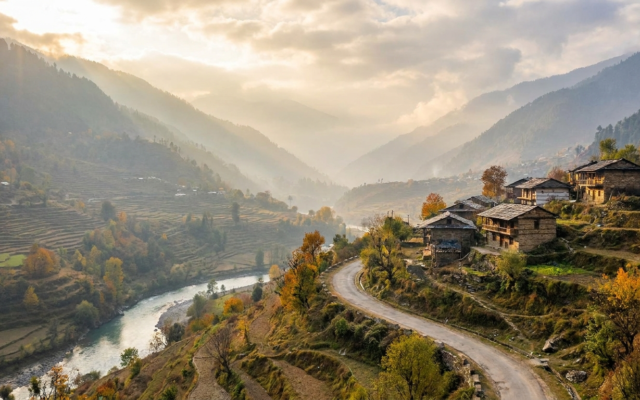
Venturing further into Himachal Pradesh, you discover a tapestry of tranquil valleys and serene mountain hamlets that have become synonymous with profound mental rejuvenation. Places like Dharamshala, Manali, and the less-trodden paths of Spiti offer retreats that capitalize on their secluded beauty and peaceful atmosphere. These destinations provide an escape from the sensory overload of cities, allowing for a deep immersion in nature’s restorative powers. Many retreats here focus on silent meditation retreats, Vipassana courses, and personalized mindfulness programs, often guided by experienced Buddhist monks or seasoned yoga instructors. The emphasis is on cultivating inner stillness and developing coping mechanisms for everyday life.
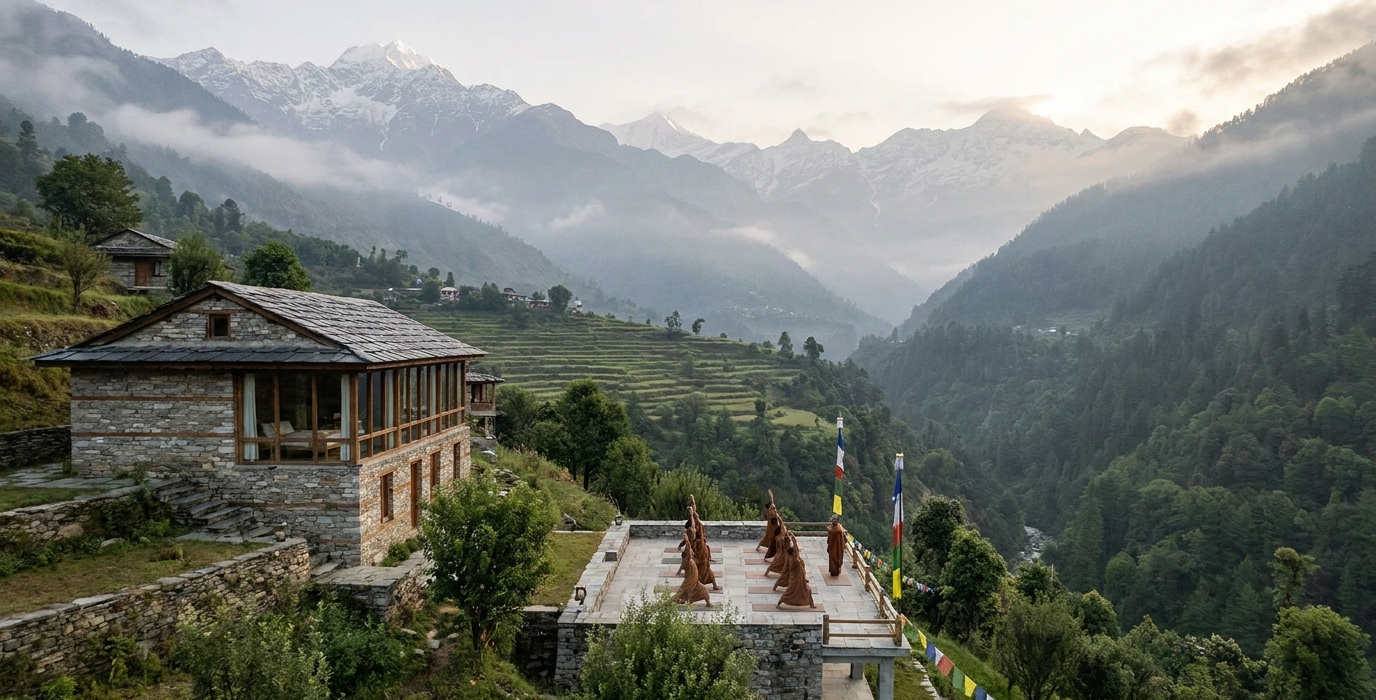
The sheer natural beauty of Himachal Pradesh is a therapeutic balm in itself. Imagine practicing yoga on a mountain terrace with panoramic views of snow-capped peaks or engaging in mindful walks through deodar forests. These experiences are intentionally designed to foster a sense of awe and gratitude, crucial components of mental well-being. A particularly interesting development in 2026 is the rise of eco-conscious wellness retreats in Himachal, which not only focus on mental health but also on sustainable living and environmental stewardship. These retreats often involve participants in organic farming or local conservation efforts, further deepening their connection to the earth and fostering a sense of purpose. You’ll find yourself breathing deeper, thinking clearer, and feeling more grounded than ever before.
Beyond Yoga: Holistic Approaches to Mental Wellness
While yoga and meditation remain central pillars, the 2026 wellness retreat landscape in the Himalayas is embracing a broader spectrum of holistic therapies for mental well-being. Many establishments now offer integrated programs that combine traditional Indian healing modalities with global therapeutic innovations. This can include Ayurvedic consultations focusing on mind-body balance, sound healing sessions using Tibetan singing bowls, and even somatic experiencing therapy to release stored emotional trauma. The goal is to provide a comprehensive approach that addresses the interconnectedness of mind, body, and spirit. You’re not just signing up for a yoga class; you’re embarking on a journey of holistic self-discovery.
These retreats recognize that mental health is not a one-size-fits-all issue. Therefore, personalized attention is paramount. You might receive bespoke meal plans designed according to your Ayurvedic constitution (dosha), individual counseling sessions, or tailored journaling prompts to explore your inner landscape. The use of nature as a therapeutic tool is also gaining prominence. Guided forest bathing (shinrin-yoku) in the pristine Himalayan wilderness, mindful trekking, and stargazing sessions are becoming standard offerings. A surprising insight into this evolving trend is the increasing inclusion of creative arts therapies, such as pottery or painting workshops, to unlock suppressed emotions and foster self-expression in a non-verbal way. This diverse array of practices ensures that you can find a retreat that resonates deeply with your personal journey.
Choosing Your Sanctuary: Retreats for Every Need and Budget
Navigating the growing number of Himalayan wellness retreats can feel overwhelming, but in 2026, there’s a sanctuary for almost every need and budget. From luxurious resorts offering spa treatments alongside yoga to simpler, more rustic ashrams focused purely on spiritual practice, the options are vast. When making your choice, consider what you aim to achieve. Are you seeking intensive personal growth, stress reduction, or simply a peaceful break? Your goals will help narrow down the best fit. Look for retreats that clearly outline their daily schedules, the qualifications of their instructors, and the types of therapies offered.
Price points can vary significantly. A week-long intensive meditation retreat at a basic ashram in Uttarakhand might cost anywhere from ₹15,000 to ₹30,000, covering accommodation and meals. On the other hand, a high-end wellness resort in Himachal Pradesh offering personalized Ayurvedic treatments, gourmet organic meals, and private yoga sessions could range from ₹70,000 to ₹1,50,000 or more for the same duration. It’s crucial to check what is included in the package. Some prices might exclude airport transfers, specific therapies, or optional excursions. We’ve compiled a general comparison table to help you visualize the typical offerings.
| Retreat Style | Typical Location | Focus | Estimated Cost (per week, INR) | Accommodation | Key Offerings |
|---|---|---|---|---|---|
| Spiritual/Yoga Ashram | Rishikesh, Uttarakhand | Meditation, Yoga, Philosophy | 15,000 – 30,000 | Simple, shared rooms | Daily yoga & meditation, satsangs, communal meals |
| Holistic Wellness Center | Dharamshala, Himachal Pradesh | Mindfulness, Stress Reduction, Nature Therapy | 40,000 – 70,000 | Comfortable rooms, sometimes with balconies | MBSR, nature walks, Ayurvedic consultations, sound healing |
| Luxury Wellness Resort | Near Manali, Himachal Pradesh | Comprehensive Well-being, Spa & Therapy | 70,000 – 1,50,000+ | Private suites, premium amenities | Private yoga, diverse therapies, gourmet organic dining, spa treatments |
Remember, the most valuable retreats are those that align with your personal values and healing needs. Don’t be afraid to reach out to retreat centers directly with questions.
“The Himalayas offer more than just breathtaking views; they provide a sacred space for the soul to breathe, to heal, and to find its quiet center amidst the chaos of modern existence.”
Preparing for Your Himalayan Mental Wellness Journey
Embarking on a wellness retreat in the Himalayas is an enriching experience, but proper preparation can significantly enhance your journey. Firstly, pack light and smart. Comfortable, breathable clothing suitable for layering is essential, as mountain weather can be unpredictable. Include a good pair of walking shoes, a warm jacket, sunscreen, and insect repellent. Don’t forget a journal and pen; many retreats encourage daily reflection. If you have specific dietary needs or medical conditions, inform the retreat organizers well in advance. This allows them to cater to you effectively and ensure your safety.
Secondly, set clear intentions. Before you leave, spend some time reflecting on what you hope to gain from the retreat. Is it stress relief, emotional clarity, spiritual insight, or a combination? Having clear intentions will help you engage more deeply with the program and derive maximum benefit. Be prepared to disconnect. While some retreats offer Wi-Fi, it’s often best to limit your screen time to truly immerse yourself in the experience. Embrace the opportunity to be present. A surprising yet crucial piece of advice is to practice a little patience with yourself. Healing is a process, and it’s okay if you don’t experience profound shifts immediately. Trust the journey, be open to new experiences, and allow the serene environment of the Himalayas to work its magic.
Frequently Asked Questions
What is the best time of year for a Himalayan wellness retreat in 2026?
The shoulder seasons, spring (March-May) and autumn (September-November), generally offer pleasant weather with clear skies and comfortable temperatures, ideal for outdoor activities and introspection. Summer can be hot and rainy in lower altitudes, while winter can be very cold with snow, though some high-altitude retreats remain open and offer a unique, introspective experience.
Do I need prior yoga or meditation experience?
No, most retreats, especially those focused on beginners and stress reduction, are designed for all levels. Instructors are experienced in guiding participants with no prior experience. The goal is to introduce you to these practices in a supportive environment.
What is the typical daily schedule at a retreat?
A typical day might include early morning meditation, followed by yoga sessions, breakfast, workshops or lectures on mindfulness or philosophy, lunch, free time for journaling or nature walks, an afternoon yoga or meditation session, dinner, and an evening discourse or quiet reflection time. Schedules are usually structured but allow for personal reflection.
How do I choose between a retreat in Rishikesh and one in Himachal Pradesh?
Rishikesh is ideal if you seek a vibrant spiritual atmosphere with the strong presence of the Ganges and a wide range of ashrams and yoga centers. Himachal Pradesh, particularly areas like Dharamshala or its quieter valleys, is better if you prioritize serene, secluded natural beauty and a more deeply immersive nature experience away from the bustling crowds.