Key Takeaways
- Unlock India’s monsoon magic with our 2026 guide to breathtaking, less-crowded destinations.
- Discover unique experiences like misty treks in the Western Ghats and vibrant festivals in the East.
- Arm yourself with practical tips for navigating the rains, from essential packing to smart booking.
- Explore budget-friendly options and luxury retreats catering to every traveller’s monsoon dream.
Embrace the Emerald Embrace: Why Monsoon 2026 is Your Ticket to India’s Soul
The scent of petrichor, the symphony of raindrops, the lush, vibrant green that blankets the land – India’s monsoon season, from June to September, is a time of profound transformation. While many shy away from the downpours, savvy travellers know this is when India truly comes alive, shedding its dry summer skin for a verdant, soul-stirring beauty. For 2026, we’re diving deep into the heart of these emerald landscapes, uncovering hidden gems and revitalised classics that promise an unforgettable journey.
Forget the sweltering heat and crowded beaches. This year, we invite you to experience India in its most dramatic and romantic guise. From mist-laden hills to thundering waterfalls cascading down ancient cliffs, the monsoon offers a spectacle of nature that is both powerful and serene. We’ll guide you through destinations that transform into living postcards, where the air is crisp, the colours are intensified, and the spirit of India feels more potent than ever. Get ready to discover the India you’ve only dreamed of.
The Western Ghats: A Symphony of Mist and Green
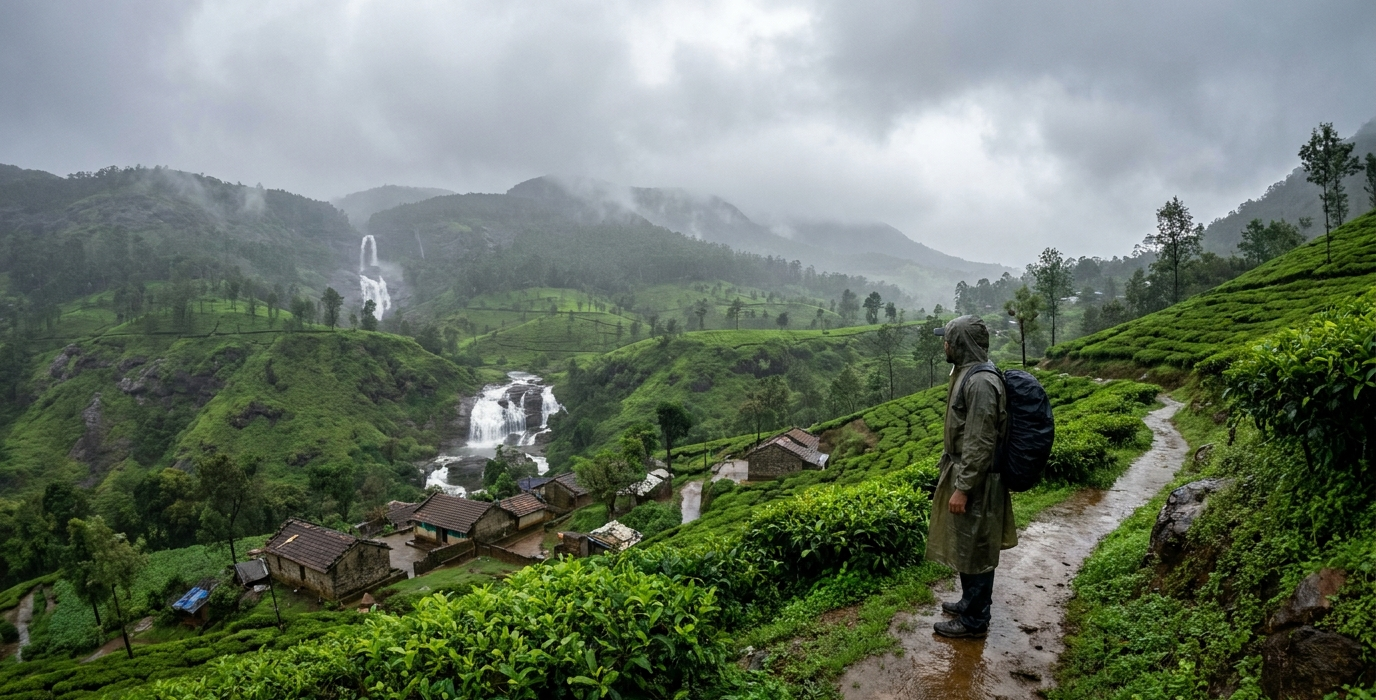
The Western Ghats, a UNESCO World Heritage Site, transforms into an ethereal wonderland during the monsoon. Imagine waking up to a landscape swathed in thick, swirling mist, with the only sounds being the chirping of unseen birds and the distant murmur of a waterfall. This is the magic of the Ghats in monsoon 2026. Places like Malshej Ghat in Maharashtra, often called the ‘Valley of Flowers’ during this season, burst with vibrant flora and offer spectacular views of cascading waterfalls like the Kune Falls.
Further south, Coorg in Karnataka, also known as the ‘Scotland of India’, becomes even more captivating. The coffee plantations turn a deeper shade of green, and the air is filled with the rich aroma of wet earth and coffee blossoms. Trekking trails, such as the popular ones to Tadiandamol, become more challenging yet incredibly rewarding, offering panoramic vistas of mist-covered valleys. For those seeking tranquility, the lesser-known Agumbe in Karnataka, famous for its rainforest and biodiversity, offers an unparalleled experience of a true rainforest monsoon. Be prepared for dramatic downpours, but also for moments of breathtaking sunshine that illuminate the landscape.
A surprising fact: During the monsoon, the Western Ghats can receive rainfall exceeding 5,000 mm in certain areas, making it one of the wettest regions in India. This intense rainfall is crucial for the region’s unique biodiversity, supporting a vast array of endemic species of plants, amphibians, and insects that are often only visible during this period. For nature enthusiasts and photographers, the monsoon is the prime time to witness this incredible natural phenomenon.
The Northeast’s Emerald Charms: Meghalaya and Beyond
When you speak of monsoons in India, Meghalaya immediately springs to mind. The ‘Abode of the Clouds’ lives up to its name, receiving some of the highest rainfall on Earth. Cherrapunji and Mawsynram are not just rain gauges; they are natural spectacles during the monsoon. The living root bridges, a marvel of bioengineering painstakingly grown over centuries by the Khasi people, are particularly stunning when draped in moss and surrounded by the lush greenery intensified by the rains.
Beyond Meghalaya, the entire Northeast region is a tapestry of verdant hills and overflowing rivers. Assam‘s Kaziranga National Park, home to the one-horned rhinoceros, becomes a vibrant ecosystem where the grasslands are replenished. While some areas might experience temporary closures due to waterlogging, the park’s beauty in the monsoon is unparalleled, with wildlife often more visible as they gather on higher grounds. Sikkim, with its dramatic mountain landscapes, offers breathtaking views of Kanchenjunga often peeking through the clouds, and its rhododendron blooms can be spectacular if timed right.
For an offbeat experience in 2026, consider the less-explored parts of Arunachal Pradesh. The monsoon here can be intense, but it also brings alive the dramatic waterfalls and pristine valleys. Imagine exploring the Ziro Valley, famous for its Apatani tribe, with lush paddy fields shimmering under the monsoon sky. The cultural immersion in these regions, coupled with the dramatic natural beauty, makes the Northeast a truly unique monsoon destination. Remember to pack waterproof gear and check local advisories, as some routes can be affected by landslides.
Goa and Maharashtra’s Coastal Escapes: Serenity by the Sea
While Goa is synonymous with sun-drenched beaches, the monsoon season unveils a different, more tranquil side of this popular destination. The usual crowds thin out, allowing you to experience its charm at a relaxed pace. The coastline becomes dramatically beautiful, with the Arabian Sea often displaying its powerful, untamed nature. Beaches like Palolem and Agonda transform into serene havens, perfect for long, contemplative walks amidst the spray of the waves and the lush palm groves.
Beyond its beaches, Goa offers other monsoon delights. The Dudhsagar Falls, one of India’s tallest, becomes a thunderous spectacle, its cascading waters creating a breathtaking sight. Many spice plantations in the hinterland, like Sahakari Spice Farm, offer guided tours where you can learn about the cultivation of spices and enjoy the fresh, earthy aromas. The Portuguese heritage of Goa also shines through, with its ancient churches and colourful houses appearing even more atmospheric under the monsoon sky.
Along the Maharashtra coast, towns like Alibaug and the Konkan region offer equally captivating monsoon experiences. Imagine staying in a beachfront cottage, listening to the rain lash against the roof, and enjoying fresh seafood. The forts of Maharashtra, such as Raigad and Murud-Janjira, gain a dramatic aura when shrouded in mist and surrounded by lush vegetation. The journey along the Konkan Railway itself is a visual feast during the monsoon, with the train passing through countless tunnels and offering stunning views of the coast and the rain-fed countryside. For 2026, consider exploring some of the lesser-known fishing villages for an authentic coastal monsoon experience.
Rajasthan’s Royal Retreats: Monsoon Palaces and Desert Bloom
Rajasthan, a land often associated with arid landscapes and scorching heat, undergoes a magical transformation during the monsoon. The parched earth drinks in the rain, and a surprising bloom of life emerges, especially in the desert regions. Udaipur, the city of lakes, becomes even more romantic as the lakes swell and the Aravalli hills surrounding it turn a vibrant green. The monsoon showers often add a dramatic flair to the iconic City Palace and Jag Mandir.
Jodhpur, the Blue City, offers a unique perspective. The blue-washed walls of its buildings seem to glow under the monsoon skies, and the majestic Mehrangarh Fort provides a commanding view of the rain-kissed city. The desert areas around Jodhpur and Jaisalmer also experience a subtle yet significant change. While the Thar Desert doesn’t bloom like a rainforest, the rare desert flowers appear, and the sand dunes take on a softer, more textured appearance. Camel safaris during this period can be a cooler and more comfortable experience.
A surprising fact: Certain desert flora in Rajasthan are adapted to bloom only after significant rainfall, turning patches of the arid landscape into carpets of wildflowers. For instance, the delicate desert marigolds and various types of succulents can be spotted after the monsoon showers. For 2026, we recommend exploring the Ranthambore National Park during the monsoon. The tiger sightings are often excellent as the tigers come out to drink from the replenished water bodies, and the park’s greenery is at its absolute peak, making it a photographer’s delight. Remember that some jungle safaris might have temporary restrictions, so always check in advance.
The Himalayas Beckon: Valley of Flowers and Spiritual Serenity
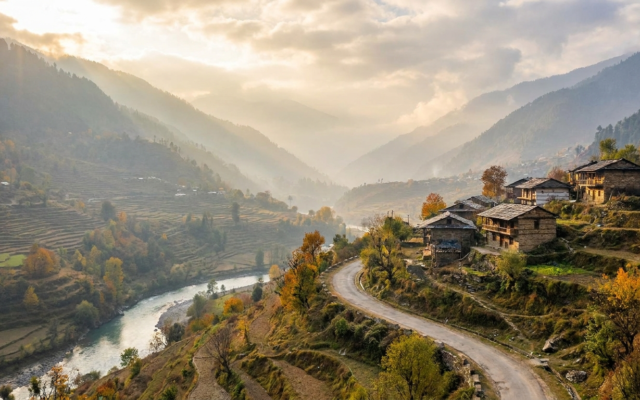
While the higher reaches of the Himalayas remain snow-capped, the lower and mid-altitudes transform into paradises during the monsoon. The most famous among these is the Valley of Flowers National Park in Uttarakhand, a UNESCO World Heritage Site. From July to September, this alpine meadow bursts into a riot of colours, with hundreds of species of flowers in full bloom. The surrounding mountains, often dusted with lingering snow, provide a dramatic backdrop to this floral spectacle.
Trekking to the Valley of Flowers is an experience like no other, with clear streams, vibrant meadows, and the spiritual aura of the region. Nearby, the Sikh pilgrimage site of Hemkund Sahib also becomes accessible and offers a deeply spiritual experience, with the lake reflecting the azure sky and the surrounding peaks. For those seeking a quieter Himalayan experience, consider destinations like Manali or Kullu which, while popular, offer a different charm during the monsoon. The Beas River swells, and the pine-covered hills become intensely green.
A truly unique experience for 2026 would be to explore the Spiti Valley in Himachal Pradesh. While often considered a summer destination, the monsoon brings dramatic cloud formations and a unique, rugged beauty to this high-altitude cold desert. The landscape, though drier than other regions, takes on a different character with dramatic skies and occasional rainbows. Remember that landslides can be a concern on mountain roads, so always travel with experienced guides and check road conditions. The spiritual serenity found in the monasteries of Ladakh and Spiti is amplified by the dramatic weather patterns.
Planning Your Monsoon 2026 Adventure: Practical Tips and Smart Choices
Travelling during the monsoon in India can be incredibly rewarding, but it requires a bit of foresight and planning. The most crucial aspect is packing smart. Invest in good quality waterproof jackets, quick-drying clothing, waterproof footwear (like sturdy sandals or waterproof trekking shoes), and a waterproof bag or backpack cover. Don’t forget an umbrella, insect repellent, and a basic first-aid kit. For electronics, waterproof pouches are a lifesaver.
When it comes to booking accommodation and transport, flexibility is key. While prices might be lower during the off-season, last-minute changes due to weather are possible. Consider booking refundable tickets or opting for travel insurance. For destinations like the Northeast or the Himalayas, always check local weather advisories and road conditions before you travel. Hiring local guides can also be invaluable for navigating challenging terrain and understanding local conditions.
Consider your travel style and budget. Monsoon season is an excellent time for budget travellers to explore popular destinations at a fraction of the peak season cost. However, for those seeking luxury, many resorts offer special monsoon packages, complete with spa treatments and indoor activities, making it a perfect time for a relaxing getaway. For instance, a luxurious stay in a Coorg plantation bungalow or a heritage hotel in Rajasthan can be particularly enchanting during the rains.
“The monsoon doesn’t just bring rain; it washes away the dust and reveals the vibrant soul of India, a spectacle often missed by those who only chase the sun.”
When choosing your destination, remember that connectivity can sometimes be an issue in remote areas. Embrace the slower pace of travel and be prepared for potential delays. The reward is an authentic, uncrowded experience of India at its most beautiful and introspective. For 2026, consider exploring destinations that are known for their monsoon resilience and offer unique indoor or sheltered activities alongside the outdoor beauty.
Frequently Asked Questions
Which Indian states are best for monsoon travel in 2026?
For 2026, the best states for monsoon travel include Meghalaya for its incredible rainfall and living root bridges, Kerala and Karnataka for the lush Western Ghats, Goa and Maharashtra for serene coastal experiences, Rajasthan for its unique desert bloom and historical cities, and Uttarakhand for the breathtaking Valley of Flowers. The Northeast in general offers unparalleled green beauty.
What are the essential items to pack for a monsoon trip to India?
You’ll need a waterproof jacket and trousers, quick-drying clothes, waterproof footwear (sandals or trekking shoes), an umbrella, an insect repellent, a first-aid kit, and waterproof pouches for electronics. A good quality backpack rain cover is also essential.
Is monsoon travel safe in India for 2026?
Monsoon travel in India is generally safe if you take precautions. Avoid areas prone to landslides, check weather and road conditions regularly, and travel with reputable local guides or tour operators, especially in hilly or remote regions. In cities, be mindful of waterlogging and traffic diversions. Always heed local advisories.
What are the advantages of travelling to India during the monsoon season?
The advantages include lush green landscapes, fewer crowds, lower prices for accommodation and flights, spectacular waterfalls and rivers, and a unique, romantic atmosphere. It’s also the best time to witness certain flora and fauna and experience the local culture without the tourist rush.