Key Takeaways
- The 2026 Bollywood landscape is defined by a new generation of actors and directors pushing creative boundaries.
- Expect a rise in diverse storytelling, tackling social issues and niche genres previously underrepresented.
- Technology, particularly AI in filmmaking and immersive viewing experiences, is subtly reshaping how we consume Indian cinema.
- This new wave prioritizes authentic performances and narratives that resonate deeply with contemporary Indian audiences and global viewers.
The Dawn of a New Era: Beyond the Stardom
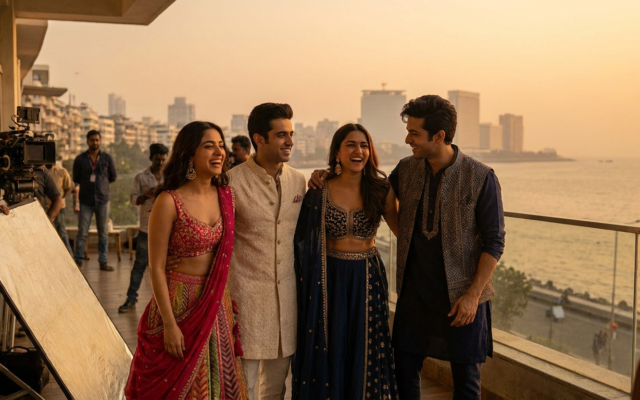
The year 2026 marks a pivotal moment for Bollywood. While established stars still command attention, a palpable shift is underway, driven by a vibrant new cohort of talent. This isn’t just about fresh faces; it’s about a bold new vision for Indian cinema. We’re witnessing a generation of actors and filmmakers who are less concerned with replicating past glories and more focused on forging their own path. They bring an energy, a rawness, and a willingness to experiment that is electrifying the industry.
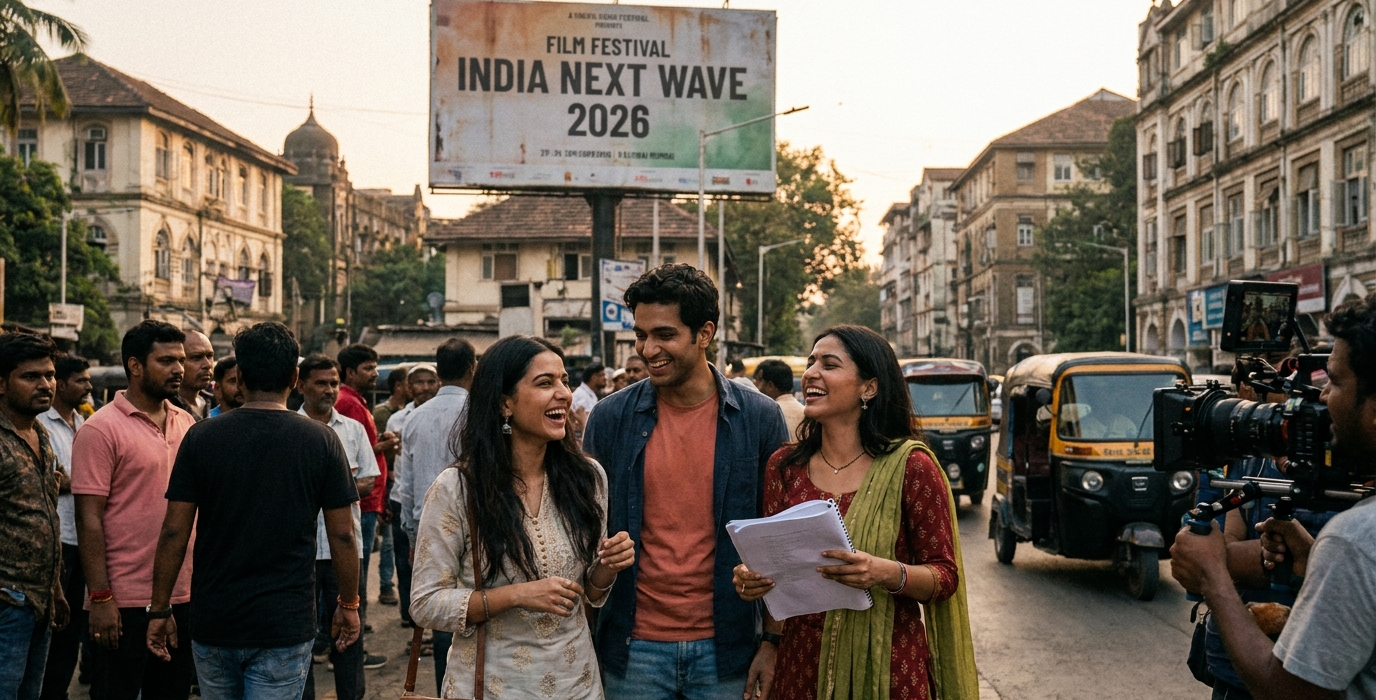
These emerging artists are not waiting for opportunities; they are creating them. Many are venturing into independent productions, leveraging digital platforms, and collaborating across borders. This democratisation of filmmaking is allowing for a wider spectrum of stories to be told. From intimate dramas set in the bustling lanes of Old Delhi to sweeping sci-fi epics inspired by Indian mythology, the canvas is expanding exponentially. We are seeing a conscious move away from formulaic blockbusters towards nuanced character studies and socially relevant narratives. This is Bollywood finding its authentic voice for the 21st century.
The Directors’ Cut: Visionaries Shaping Tomorrow’s Cinema
The directors leading this charge are proving to be as compelling as their on-screen counterparts. They are a diverse group, often with backgrounds in film school, theatre, or even unconventional fields, bringing fresh perspectives to the craft. Their approach is marked by a deep understanding of cinematic language and a fearless willingness to challenge established norms. These are storytellers who aren’t afraid to delve into the complexities of human experience, exploring themes that might have been considered too niche or too controversial in previous decades.
Consider the rise of directors like Anya Sharma, whose recent thriller set in the monsoon-drenched hills of Himachal Pradesh has garnered international acclaim for its atmospheric tension and unconventional narrative structure. Or the audacious vision of Rohan Kapoor, who is pioneering the use of AI-assisted cinematography to create visually stunning and thought-provoking science fiction narratives rooted in Indian philosophy. These filmmakers are not just making movies; they are crafting immersive experiences that linger long after the credits roll. They are proving that commercial success and artistic integrity are not mutually exclusive.
A New Language of Storytelling
This generation of directors is also experimenting with narrative forms. Non-linear timelines, multiple perspectives, and ambiguous endings are becoming more common, reflecting a world that is itself increasingly complex and interconnected. They are drawing inspiration from global cinema while remaining firmly rooted in their Indian heritage, creating a unique cinematic hybrid that appeals to both domestic and international audiences. The result is a richer, more textured cinematic landscape that offers something for everyone.
The Actors’ Spotlight: Authenticity and Range
The acting talent emerging in 2026 is equally remarkable. These are not actors content with playing archetypes; they are individuals committed to inhabiting their characters with profound authenticity. Their performances are often understated, relying on subtle expressions and nuanced emotional depth rather than overt theatrics. This shift towards naturalism is a breath of fresh air, making their on-screen personas all the more relatable and captivating.
We’re seeing actors who are not afraid to take risks, choosing roles that challenge societal perceptions and explore the complexities of identity. From portraying individuals grappling with mental health issues to embodying characters navigating the nuances of modern relationships in hyper-connected India, their range is impressive. For instance, the breakout performance of Maya Rao in “Chai & Consequences,” a poignant drama about intergenerational trauma in a Kolkata family, has earned her widespread praise for her vulnerability and raw emotional honesty. Her portrayal transcended mere acting; it felt like a lived experience.
Beyond the Song and Dance
While song and dance remain integral to Bollywood’s fabric, this new generation is exploring how these elements can be integrated more organically into narratives. Musical sequences are often used to amplify emotional resonance or to advance the plot, rather than serving as standalone set pieces. This thoughtful integration ensures that the cinematic experience feels cohesive and impactful. It’s a sophisticated evolution that honours tradition while embracing innovation.
Genre Bending and Niche Narratives: Expanding the Bollywood Spectrum
Bollywood in 2026 is no longer confined to the traditional genres of romance, action, and melodrama. A significant trend is the bold exploration of niche genres and the art of genre-bending. We’re seeing a surge in critically acclaimed films that push the boundaries, incorporating elements of fantasy, horror, mystery, and even experimental cinema. This diversification is a testament to the evolving tastes of the audience and the creative ambition of the filmmakers.
Take the success of “The Crimson Labyrinth,” a psychological horror film set in the desolate Rann of Kutch. It eschews jump scares for a slow-burn dread, drawing heavily on local folklore and cultural anxieties. Its success demonstrates a growing appetite for substance over spectacle in horror. Similarly, films like “Quantum Echoes,” a thought-provoking science fiction drama exploring the ethical implications of advanced AI in a futuristic Mumbai, are proving that Bollywood can excel in genres traditionally dominated by Hollywood. These films are not just entertaining; they are intellectually stimulating.
A Surprise in the Desert: The Rann of Kutch’s Cinematic Potential
One surprising development has been the cinematic potential unlocked in India’s more arid and less explored regions. The stark beauty of the Thar Desert and the unique landscapes of states like Rajasthan and Gujarat are becoming backdrops for stories that feel fresh and visually striking. This geographic diversity in storytelling adds another layer to Bollywood’s expanding repertoire. It’s a far cry from the usual verdant locales, offering a new aesthetic for audiences to discover.
Technological Innovations: AI, VR, and the Future of Viewing
The technological landscape is also playing an increasingly significant role in shaping Bollywood’s future. While the integration of artificial intelligence in filmmaking is still in its nascent stages, its potential is undeniable. We’re seeing AI being used for tasks ranging from script analysis and character generation to sophisticated visual effects and post-production enhancements. This isn’t about replacing human creativity but augmenting it, allowing filmmakers to achieve previously impossible feats.
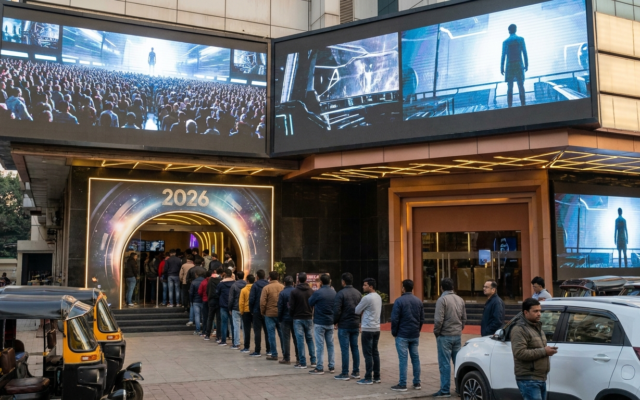
Beyond the production floor, technology is also transforming how we experience cinema. While widespread adoption of virtual reality (VR) in mainstream cinema is still a few years away, experimental projects and immersive installations are gaining traction. Imagine experiencing a film not just by watching it, but by being transported into its world. This future is closer than we think, promising to redefine the very concept of movie-going. The subtle integration of these technologies is not just about novelty; it’s about enhancing storytelling and audience engagement.
AI’s Subtle Hand in Scriptwriting
A fascinating, albeit often uncredited, development is the use of AI tools to assist in script development. While AI doesn’t write scripts independently (yet), it can analyse vast datasets of successful narratives to identify patterns, suggest plot twists, or even generate dialogue options. This can be an invaluable tool for writers, helping them to overcome creative blocks and refine their narratives. It’s a quiet revolution happening behind the scenes.
The Global Audience: Bollywood’s Expanding Reach
This new wave of Bollywood is not just captivating Indian audiences; it’s increasingly resonating with a global viewership. The diversification of themes and genres, coupled with higher production values and authentic performances, is breaking down cultural barriers. Films that tackle universal human emotions and experiences, regardless of their specific cultural context, are finding eager audiences worldwide. This is a far cry from the days when Bollywood was perceived solely through the lens of song-and-dance spectacles.
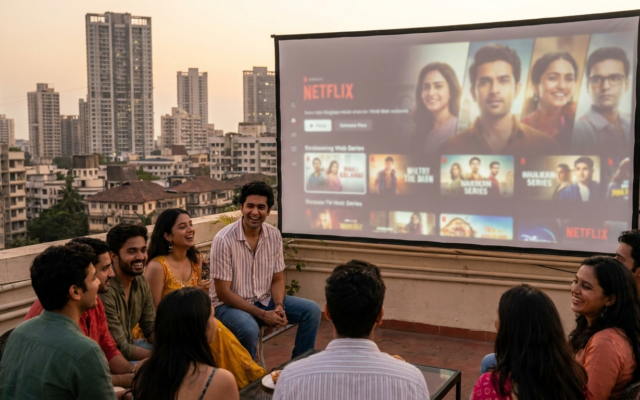
The rise of streaming platforms has been a significant catalyst in this global expansion. They provide unprecedented access to Indian cinema for audiences who might not have had it before. This has led to a greater appreciation for the richness and diversity of Indian storytelling. Consequently, we are seeing a demand for more content that reflects this diversity, pushing Bollywood to further innovate and explore new territories. The feedback loop between global audiences and Indian filmmakers is becoming increasingly dynamic.
Surprising Global Appeal of Regional Indian Cinema
Beyond mainstream Bollywood, there’s a burgeoning appreciation for regional Indian cinema on the global stage. Films from Malayalam, Tamil, and Marathi industries, often celebrated for their raw realism and compelling narratives, are now finding dedicated international fanbases. This cross-pollination of cinematic appreciation is broadening horizons for what “Indian cinema” truly represents. It’s a welcome expansion of our understanding and enjoyment.
Frequently Asked Questions
What are the most significant new trends in Bollywood in 2026?
The major trends include a rise in diverse storytelling, a focus on authentic performances, the exploration of niche genres, and the subtle integration of new technologies like AI in filmmaking. We’re seeing a departure from traditional formulas towards more nuanced and socially relevant narratives.
Are there any new actors or directors to watch out for?
Absolutely. Keep an eye on emerging talents like actors Maya Rao and Ahan Verma, and directors Anya Sharma and Rohan Kapoor. Their recent projects showcase a fresh perspective and a willingness to experiment that is defining the next generation of Bollywood.
How is technology changing the way Bollywood films are made and watched?
Technology, particularly AI, is being used to enhance filmmaking processes, from script analysis to visual effects. While VR is still developing for mainstream viewing, immersive experiences are becoming more common. These advancements are aimed at enriching storytelling and audience engagement.
Is Bollywood becoming more focused on international audiences?
Yes, this new wave of Bollywood is actively reaching out to a global audience. The diversification of themes, improved production quality, and increased accessibility through streaming platforms are contributing to a broader international appeal. Films are increasingly being made with a global sensibility while retaining their Indian roots.
What kind of stories are these new filmmakers telling?
They are telling a wider range of stories, including those that tackle social issues, explore complex human emotions, delve into niche genres like sci-fi and psychological horror, and represent diverse regional Indian experiences. The emphasis is on authenticity and relatability, moving beyond established tropes.