Key Takeaways
- The 2026 Indian film calendar is shaping up with ambitious projects from established studios and exciting debut films.
- Expect a strong showing from female-led narratives and a continued trend towards genre diversification, moving beyond traditional romance and action.
- Several fresh faces are poised for breakthrough performances, signalling a potential shift in the industry’s leading talent.
- Digital platforms continue to play a crucial role, with major streaming releases and co-productions set to complement theatrical runs.
The Grand Stage is Set: 2026’s Cinematic Spectacle
The year 2026 promises to be a landmark year for Indian cinema, with an unprecedented wave of diverse and ambitious projects hitting screens both big and small. From the bustling studios of Mumbai to the vibrant film ecosystems in Chennai, Hyderabad, and Kolkata, producers are betting on narratives that reflect a changing India and resonate with a global audience. We’re looking at a slate that blends tentpole spectacles with intimate storytelling, a sure sign of a maturing industry. The buzz is palpable, with studios like Yash Raj Films, T-Series, and Reliance Entertainment already unveiling their ambitious plans, and independent banners gearing up to surprise us. This isn’t just about the usual Bollywood fare; we’re seeing a conscious effort to explore new genres and themes, a refreshing change that will likely captivate audiences from Delhi to Dubai.
This year’s lineup is particularly rich in historical epics and science fiction, genres that demand grand scale and intricate world-building. Imagine sweeping sagas set against the backdrop of ancient empires, or futuristic thrillers that grapple with contemporary anxieties. The investment in these high-concept films suggests a confidence in the Indian audience’s appetite for sophisticated storytelling and cutting-edge visual effects. Furthermore, expect a significant push in regional cinema gaining wider national and international traction, breaking down geographical barriers that once limited their reach. The collaboration between different film industries within India is also expected to flourish, leading to more innovative and pan-Indian productions. The sheer volume and variety of films slated for release indicate a robust and dynamic industry ready to redefine its boundaries.
The Dawn of New Era Directors
Beyond the star power, 2026 is poised to introduce a new generation of directors who are ready to make their mark. These filmmakers are bringing fresh perspectives and a willingness to experiment with form and content. Many have honed their craft in short films and digital content, giving them a unique understanding of audience engagement in the current media landscape. Their stories often delve into social issues, urban realities, and the complexities of human relationships with a raw authenticity that is often missing in mainstream cinema. We’re anticipating debut films that will spark conversations and challenge conventional cinematic tropes. This infusion of new talent is crucial for the industry’s evolution, ensuring it remains relevant and engaging for younger demographics.
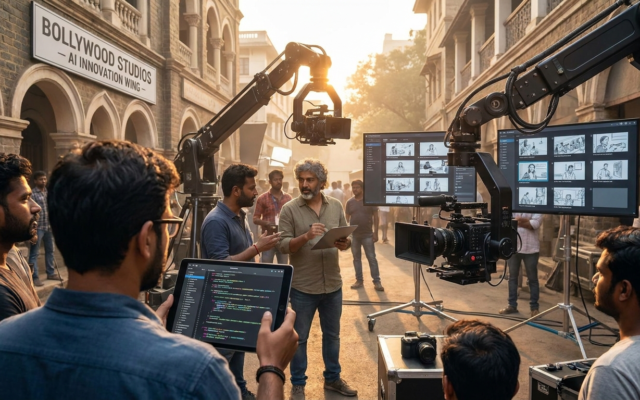
These emerging voices are not afraid to tackle subjects that were once considered taboo or too niche for the big screen. From exploring mental health struggles in metropolitan settings to charting the journeys of individuals navigating rapid societal change, their narratives are deeply rooted in the contemporary Indian experience. Many are also leveraging innovative storytelling techniques and visual styles, influenced by global cinema but with a distinct Indian sensibility. The industry is actively seeking out these new talents, with several production houses establishing dedicated wings to scout and mentor emerging directors. This proactive approach is a testament to the industry’s commitment to staying at the forefront of global filmmaking trends.
Female Voices Take Center Stage
One of the most exciting trends we’re observing for 2026 is the powerful surge of female-led narratives and the increasing prominence of women behind the camera. For too long, female characters often served as plot devices or romantic interests. This is rapidly changing. We’re seeing films where women are the protagonists, driving the plot with their ambitions, struggles, and triumphs. This isn’t just about casting more women in lead roles; it’s about crafting stories that explore the multifaceted lives of women across different ages, professions, and socio-economic backgrounds. The success of recent female-centric films has clearly demonstrated a hungry audience eager for these stories.
This shift is also evident in the growing number of women stepping into directorial, screenwriting, and producing roles. Their unique perspectives bring a nuance and depth to storytelling that enriches the cinematic experience. Expect to see more stories that challenge patriarchal norms, explore female solidarity, and celebrate women’s achievements in traditionally male-dominated fields. The narratives range from gritty thrillers where women are the masterminds to heartwarming dramas about familial bonds and personal growth. This wave is not just a trend; it’s a fundamental recalibration of how stories are told and who gets to tell them, promising a more inclusive and representative cinematic landscape.
Beyond the Metropolis: Stories from the Heartland
While Mumbai remains the undeniable hub of Bollywood, 2026 is witnessing a significant rise in films that draw inspiration from the vast and diverse landscapes of India’s heartland. Directors are increasingly venturing beyond the urban glitz to explore the rich tapestry of rural life, small towns, and the unique cultural nuances that define these regions. This movement offers a refreshing departure from the conventional, bringing authentic stories of resilience, tradition, and community to the forefront. We’re talking about narratives set against the backdrop of the mustard fields of Haryana, the bustling markets of Lucknow, or the serene backwaters of Kerala, each offering a distinct flavour.
These films often boast compelling characters and grounded narratives that resonate deeply with audiences who connect with these settings. They provide a vital platform for showcasing regional dialects, customs, and social dynamics, offering a more holistic picture of India. The success of these “heartland” stories indicates a growing appreciation for authenticity and a desire to see relatable human experiences depicted on screen. This trend also highlights the evolving definition of what constitutes a “national” film, as stories rooted in specific regions gain wider appeal and critical acclaim, proving that compelling drama can be found anywhere.
The Sci-Fi and Fantasy Frontier Expands
Indian cinema has long flirted with science fiction and fantasy, but 2026 marks a significant leap forward in the ambition and execution of these genres. We are no longer just talking about occasional forays; a dedicated surge of meticulously crafted sci-fi and fantasy epics are slated for release. These films are pushing the boundaries of visual effects, special effects, and complex narrative structures, aiming to compete on a global scale. Think ambitious space operas, mind-bending temporal thrillers, and richly imagined fantasy worlds inspired by Indian mythology and folklore. The investment in these large-scale productions suggests a strong belief in the audience’s willingness to engage with imaginative and conceptually driven stories.
One of the most exciting aspects of this trend is the infusion of indigenous mythologies and folklore into these futuristic or fantastical settings. Instead of solely relying on Western tropes, filmmakers are drawing from ancient Indian epics, Puranic tales, and regional legends to create unique and captivating universes. This fusion offers a distinct flavour that is both familiar to Indian audiences and novel to the global market. The visual spectacle promises to be breathtaking, with state-of-the-art studios and international VFX teams collaborating to bring these imaginative worlds to life. Prepare for cinematic experiences that will transport you to realms never before seen on Indian screens.
The Digital Disruption Continues: Streaming’s Growing Clout
The digital streaming landscape, which has been a game-changer for Indian cinema over the past few years, will only solidify its influence in 2026. Major streaming platforms, both global giants and Indian powerhouses, are commissioning and acquiring an unprecedented volume of content. This includes direct-to-digital releases of feature films, original web series, and high-budget co-productions that blur the lines between film and television. This ecosystem is not only providing a crucial outlet for a wider range of stories that might not find favour in traditional theatrical releases but is also fostering new creative talent.
The accessibility and reach of streaming platforms mean that films can find a global audience almost instantaneously. We’re seeing a trend where smaller, critically acclaimed films are achieving wider recognition and commercial success through streaming than they might have through limited theatrical runs. Furthermore, the data analytics provided by these platforms are also influencing content creation, leading to more data-driven decisions about what stories to tell and how to tell them. This symbiotic relationship between content creators and streaming services is shaping the future of entertainment consumption in India and beyond.
The true measure of 2026’s cinematic success will be not just in the box office numbers, but in the diversity of stories told and the new voices that are amplified. We are at a turning point where innovation and inclusivity are paving the way for a richer, more representative Indian cinema.
The Rise of the Pan-Indian Star: Beyond Language Barriers
The concept of a “pan-Indian” star, one whose appeal transcends regional linguistic boundaries, is no longer a nascent idea but a firmly established phenomenon in 2026. Films that are simultaneously produced and released in multiple Indian languages are becoming the norm rather than the exception. This strategy, spearheaded by southern film industries, is now being embraced by Bollywood and other regional players with increasing success. We’re seeing actors who are fluent in multiple languages or are willing to dub their performances meticulously, connecting with wider audiences more effectively than ever before.
This trend is not just about market expansion; it’s about fostering a sense of national cinematic unity. When a film like “Baahubali” or “KGF” achieves monumental success across India, it proves that compelling storytelling and strong performances are universal. For 2026, expect more collaborations between actors and directors from different linguistic backgrounds, leading to exciting cross-pollinations of ideas and aesthetics. The audience’s acceptance of diverse content is growing, and this cross-pollination is a direct reflection of that evolving palate. This movement is fundamentally reshaping how films are marketed, distributed, and consumed within India.
A Surprising Stat: The Re-emergence of the Musical
While romantic dramas have always been a staple, 2026 is witnessing a surprising and delightful resurgence of the full-fledged musical. After a period where song-and-dance sequences were often integrated into otherwise non-musical narratives, we are seeing a return to films where music and choreography are integral to the storytelling itself. These productions are investing heavily in original soundtracks, elaborate dance numbers, and performers with strong singing and dancing capabilities. The success of recent experimental musicals has clearly indicated a market readiness for this format, appealing to both younger audiences familiar with Western musicals and older generations nostalgic for classic Indian film musicals.
This isn’t just about recreating the past. The new wave of musicals is incorporating contemporary music genres, modern dance styles, and socially relevant themes, giving the format a fresh and relevant appeal. Directors are exploring how music can propel the narrative, express complex emotions, and create moments of pure cinematic joy. We are looking at films that aim to be immersive experiences, where the audience is not just watching a story unfold but is swept away by its rhythm and melody. This is a bold move, requiring significant creative and financial commitment, and its success will depend on innovative execution and compelling musical composition.
The Rise of Independent Cinema and Digital Platforms
While the big studios dominate headlines, 2026 is also a pivotal year for independent cinema, largely propelled by the continued expansion and influence of digital platforms. Streaming services are no longer just acquiring finished films; they are actively commissioning and co-producing independent projects. This provides independent filmmakers with much-needed funding and distribution channels that bypass the traditional gatekeepers of mainstream cinema. We’re seeing a diverse range of independent films, from hard-hitting documentaries and experimental narratives to character-driven dramas and offbeat comedies, finding their audience online.
This democratisation of distribution empowers storytellers to explore niche subjects and unconventional approaches without the pressure of mass commercial appeal required for theatrical releases. The accessibility of these platforms also allows audiences to discover hidden gems from all corners of India, fostering a more discerning and varied taste. Furthermore, the success of independent films on these platforms often influences mainstream productions, encouraging greater experimentation and risk-taking. This symbiotic relationship is vital for the health and evolution of the Indian film industry, ensuring a constant flow of fresh ideas and diverse voices.
A Surprising Fact: The Blockchain’s Quiet Entry into Film Financing
Beyond the on-screen action, a surprising development for 2026 is the quiet but steady integration of blockchain technology into film financing. While still in its early stages, several independent and even some mid-budget productions are exploring tokenization and decentralized funding models. This allows a wider pool of investors, including fans and smaller stakeholders, to directly invest in film projects through digital tokens. These tokens can represent fractional ownership, future revenue shares, or even exclusive perks, creating a more transparent and accessible investment ecosystem.
This innovative approach offers a potential alternative to traditional studio financing, empowering filmmakers to retain more creative control and offering fans a more direct stake in the films they love. The early adopters are reporting increased transparency in financial dealings and a more engaged investor community. While mass adoption is still some way off, the groundwork being laid in 2026 suggests that blockchain could become a significant disruptive force in how films are funded and how audiences participate in the filmmaking process, moving beyond mere ticket purchases to active patronage.
Frequently Asked Questions
What are the biggest trends to watch in Indian cinema in 2026?
The key trends include a surge in female-led narratives, a significant expansion of science fiction and fantasy genres, the continued dominance of digital platforms, and the rise of pan-Indian stars who transcend language barriers. Expect a greater focus on diverse stories from India’s heartland and a surprising resurgence of the musical genre.
Will big-budget Bollywood films continue to dominate in 2026?
Big-budget films will certainly remain a significant part of the landscape, particularly in the sci-fi and fantasy genres. However, the growing strength of independent cinema, amplified by digital platforms, means that mid-budget and smaller films with compelling stories are also poised for significant success and critical acclaim.
How is technology impacting filmmaking in India in 2026?
Technology is having a profound impact, from advanced visual and special effects in genre films to the increasing use of digital platforms for distribution and audience engagement. Blockchain technology is also beginning to make inroads into film financing, offering new models for investment and fan participation.
Are there any new stars expected to break out in 2026?
Yes, 2026 is anticipated to be a breakthrough year for several fresh faces, particularly in films directed by emerging talent and those with strong female leads. Keep an eye on actors who have gained recognition in web series or regional cinema, as they are often the ones poised to make a big splash on the national stage.