Key Takeaways
- Delhi’s street food scene in 2026 offers surprisingly gourmet experiences, moving beyond traditional fare.
- Expect innovative flavour combinations and high-quality ingredients even in bustling markets.
- Key areas to explore include Hauz Khas Village and Connaught Place, alongside revisited classics like Chandni Chowk.
- Discover specialty stalls focusing on fusion dishes and artisanal preparations that redefine street food.
The Evolution of Delhi’s Street Food Landscape
For decades, Delhi’s street food has been a vibrant tapestry of flavours, a sensory explosion that draws locals and tourists alike. From the smoky aroma of kebabs in Nizamuddin to the sweet symphony of jalebis in Chandni Chowk, these culinary havens have always been about authenticity and rapid, delicious gratification. However, as we navigate 2026, a fascinating evolution is underway. The humble street cart is no longer just a purveyor of time-honoured recipes; it’s becoming a canvas for culinary innovation, a space where tradition meets contemporary gastronomy.
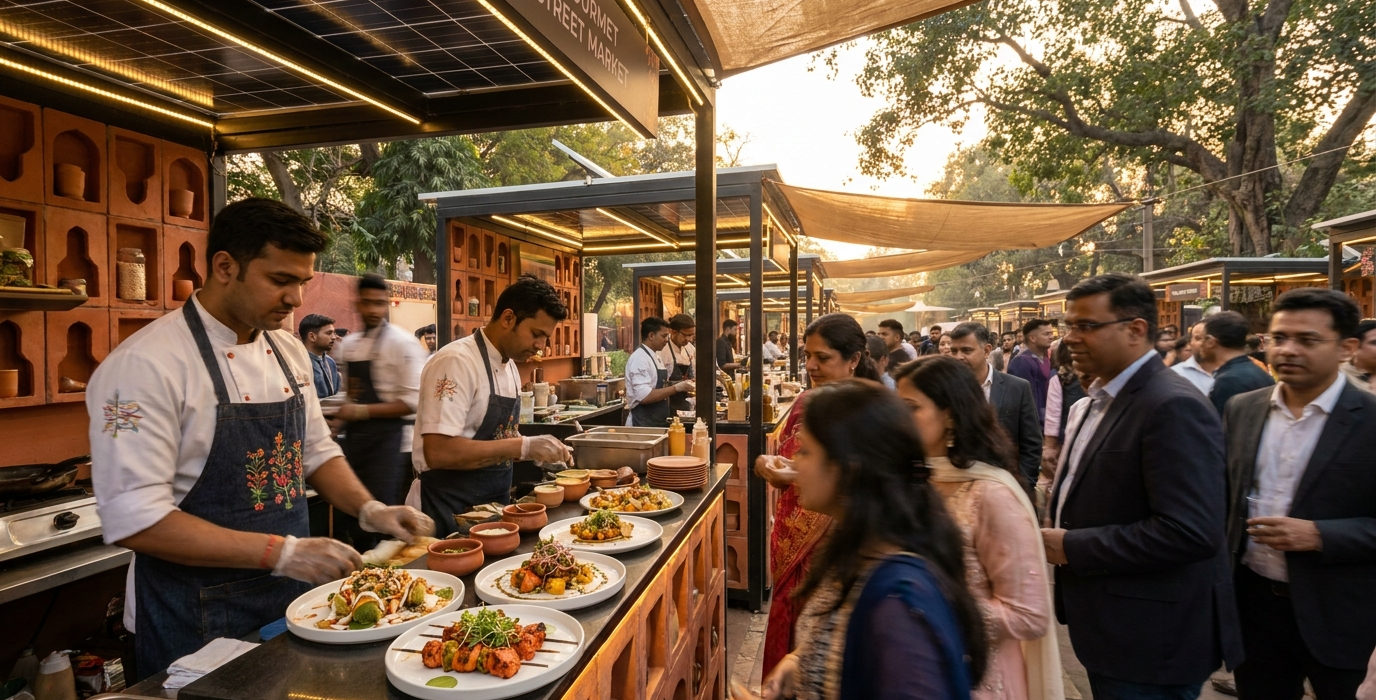
We’re witnessing a distinct shift towards what can only be described as “gourmet street food.” This isn’t about abandoning the soul of street food, but rather about elevating it. Think artisanal ingredients, unexpected flavour pairings, and a presentation that would rival any fine-dining establishment, all served with the same warmth and accessibility you’d expect. This transformation is driven by a new generation of vendors, passionate about quality, inspired by global trends, and eager to offer Delhi a taste of something truly novel, yet deeply rooted in its heritage. We’re talking about chefs and food entrepreneurs who understand the pulse of the city and are translating it into exciting new street food experiences.
Hauz Khas Village: The Epicentre of Modern Street Bites
Hauz Khas Village, once primarily known for its historical ruins and bohemian cafes, has quietly emerged as a significant hub for this new wave of street food. Tucked away in its labyrinthine lanes, you’ll find stalls that are redefining popular snacks with a sophisticated twist. Forget your standard golgappa; here, vendors are experimenting with fillings like avocado and pomegranate, and serving them with exotic chutneys made from ingredients like tamarind and mint, but with an added complexity of spices you wouldn’t typically find. The ambiance of the village, with its art galleries and historic fort overlooking the lake, provides a unique backdrop for these elevated culinary adventures.
One notable vendor, “Chutney Chronicles,” has been drawing significant crowds with their deconstructed chaat platters. They offer small, artfully arranged portions of papdi chaat, dahi bhalla, and aloo tikki, each element prepared with meticulous care. Their signature is a beetroot and feta chaat, a surprising yet delightful fusion that perfectly captures the spirit of Hauz Khas. Another stall, “Spice Route Skewers,” offers grilled paneer and chicken tikka marinated in yuzu-infused yogurt and served with a smoked paprika aioli. These aren’t just snacks; they are miniature culinary journeys, proving that street food can indeed be both refined and wonderfully accessible, especially when you’re strolling through such an enchanting locale.
Connaught Place: A Classic Reimagined
Connaught Place (CP), the heart of Delhi, has always been a melting pot of culinary experiences, from its iconic restaurants to its bustling street food corners. In 2026, CP is not only maintaining its legacy but also embracing the gourmet street food trend with open arms. While the familiar vendors of momos and chole bhature remain popular, new entrants are infusing classic CP flavours with global techniques and premium ingredients. You can now find food trucks and pop-up stalls offering dishes that are both comforting and surprisingly sophisticated, attracting a discerning crowd looking for quick, high-quality meals.
Consider the rise of artisanal kathi rolls. Instead of the usual paratha and pre-marinated fillings, you’ll find stalls using whole wheat flour infused with herbs, and meats slow-cooked with artisanal spice blends. Some vendors are even offering vegan and gluten-free options, using jackfruit or paneer substitutes, all wrapped with fresh, vibrant sauces. Another trend is the gourmet burger scene, but with a distinct Indian twist. Imagine a lamb patty seasoned with garam masala, topped with pickled onions and a mint-yogurt slaw, served on a brioche bun. These adaptations are not just about novelty; they represent a thoughtful integration of traditional Indian palates with international culinary standards, making CP a must-visit for anyone seeking an elevated street food experience in the city centre.
Chandni Chowk’s Enduring Charm with a Modern Edge
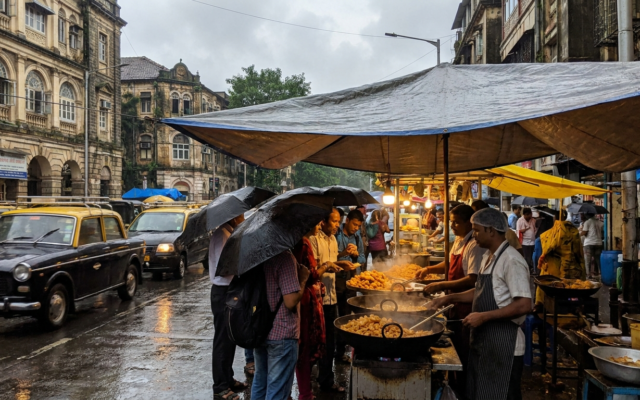
Chandni Chowk, the old Delhi marvel, remains an indispensable part of the city’s culinary narrative. Its narrow lanes buzz with an energy that is both chaotic and captivating, a testament to centuries of food culture. While the legendary paranthe-wali gali and the sweet shops continue to draw crowds for their time-tested flavours, even this historic market is seeing subtle yet significant shifts. The vendors here understand that while tradition is paramount, a touch of innovation can keep their legacy vibrant and relevant for the modern diner.
What we’re observing is less about radical reinvention and more about refinement and quality. For instance, while the iconic aloo tikki remains a staple, some vendors are now using organic potatoes and serving it with chutneys made from fresh, seasonal ingredients, often with a hint of roasted cumin or tamarind concentrate that adds a deeper, more complex flavour profile. The chaat preparations, too, are seeing a focus on the quality of the dahi (yogurt), with some vendors sourcing artisanal, creamy versions. Even the kulfi sellers are experimenting with unique flavour infusions like saffron-rose or cardamom-pistachio, using premium nuts and spices. It’s a delicate balance, respecting the heritage while subtly enhancing the sensory experience, ensuring Chandni Chowk continues to delight generations.
Beyond the Usual Suspects: Niche & Fusion Delights
The gourmet street food movement in Delhi extends far beyond the well-trodden paths of its famous markets. We’re seeing an explosion of niche stalls and pop-ups, often in less conventional locations, dedicated to perfecting a single dish or exploring exciting fusion concepts. These entrepreneurs are often young, tech-savvy, and unburdened by decades of tradition, allowing them the freedom to experiment boldly. They are the ones pushing the boundaries, creating buzzworthy dishes that quickly become the talk of the town, often amplified by social media.
Consider the rise of artisanal momo stalls. These aren’t your average steamed dumplings. We’re talking about fillings like truffle-infused chicken, spicy lamb with pickled ginger, or even vegetarian options featuring exotic mushrooms and water chestnuts. They are served with homemade dipping sauces that range from a fiery Sriracha mayo to a tangy sesame-ginger glaze. Then there are the savoury crepes and wraps that draw inspiration from global street food. Imagine a tandoori paneer and bell pepper wrap with a mint-coriander pesto, or a Korean gochujang chicken crepe served with kimchi slaw. These vendors often operate from stylish food trucks or compact kiosks, focusing on quality over quantity and offering a truly unique, international street food experience right here in Delhi. A particularly surprising development has been the popularity of gourmet dips and spreads served with artisanal breads or vegetable sticks, a far cry from the typical greasy samosa.
The Art of Presentation and Sourcing
What truly sets apart the gourmet street food vendors of 2026 is their meticulous attention to presentation and sourcing. It’s no longer enough to serve delicious food; it must also look appealing and be made with quality ingredients. You’ll notice a significant upgrade in how these dishes are served. Many now use biodegradable, aesthetically pleasing packaging, and the plating, even on a simple stall, is thoughtful. Garnishes are fresh and vibrant, adding both visual appeal and textural contrast to the dishes.
Furthermore, there’s a growing emphasis on where the ingredients come from. We’re seeing vendors proudly advertising their use of locally sourced, organic vegetables, free-range meats, and artisanal dairy products. This commitment to quality extends to their spices and herbs, with many sourcing specialty blends or fresh herbs that elevate the overall taste profile. This focus on provenance not only ensures superior flavour but also aligns with a broader consumer interest in healthy and sustainable food choices. It’s this combination of conscious sourcing, careful preparation, and appealing presentation that transforms a simple street snack into a memorable gourmet experience. For instance, a vendor in Greater Kailash might be using hydroponically grown herbs for their chaats, a detail that speaks volumes about their dedication to freshness and innovation.
Frequently Asked Questions
What are the must-try gourmet street food dishes in Delhi in 2026?
You should look for dishes like truffle-infused momos, artisanal kathi rolls with unique fillings, deconstructed chaat platters, and Indian-inspired gourmet burgers. Don’t miss out on experimental golgappa fillings and specialty kulfi flavours.
Where can I find the best gourmet street food in Delhi?
Hauz Khas Village and Connaught Place are prime locations for modern street food experiences. You’ll also find excellent niche and fusion stalls in areas like Greater Kailash and sometimes even in select corners of Chandni Chowk that have adapted to the trend.
Are these gourmet street food options significantly more expensive?
While they are generally more expensive than traditional street food due to the quality of ingredients and preparation, they still offer excellent value compared to fine-dining restaurants. Prices typically range from ₹100-₹300 per dish.
Is gourmet street food in Delhi safe to eat?
Reputable gourmet street food vendors prioritize hygiene and quality. Look for stalls with good reviews, clean preparation areas, and those that are transparent about their sourcing and cooking methods. Many now use enhanced hygiene protocols.