Key Takeaways
- Plant-based thalis are rapidly evolving, offering diverse and delicious vegan interpretations of India’s beloved multi-dish meals.
- Expect innovative uses of millets, legumes, and seasonal vegetables to replace traditional dairy and meat components.
- This trend extends beyond metros, with conscious culinary choices appearing in Tier 2 cities and rural areas.
- The focus is on sustainability, health, and authentic flavours, making these thalis both guilt-free and incredibly satisfying.
The Evolution of the Thali: Beyond Tradition
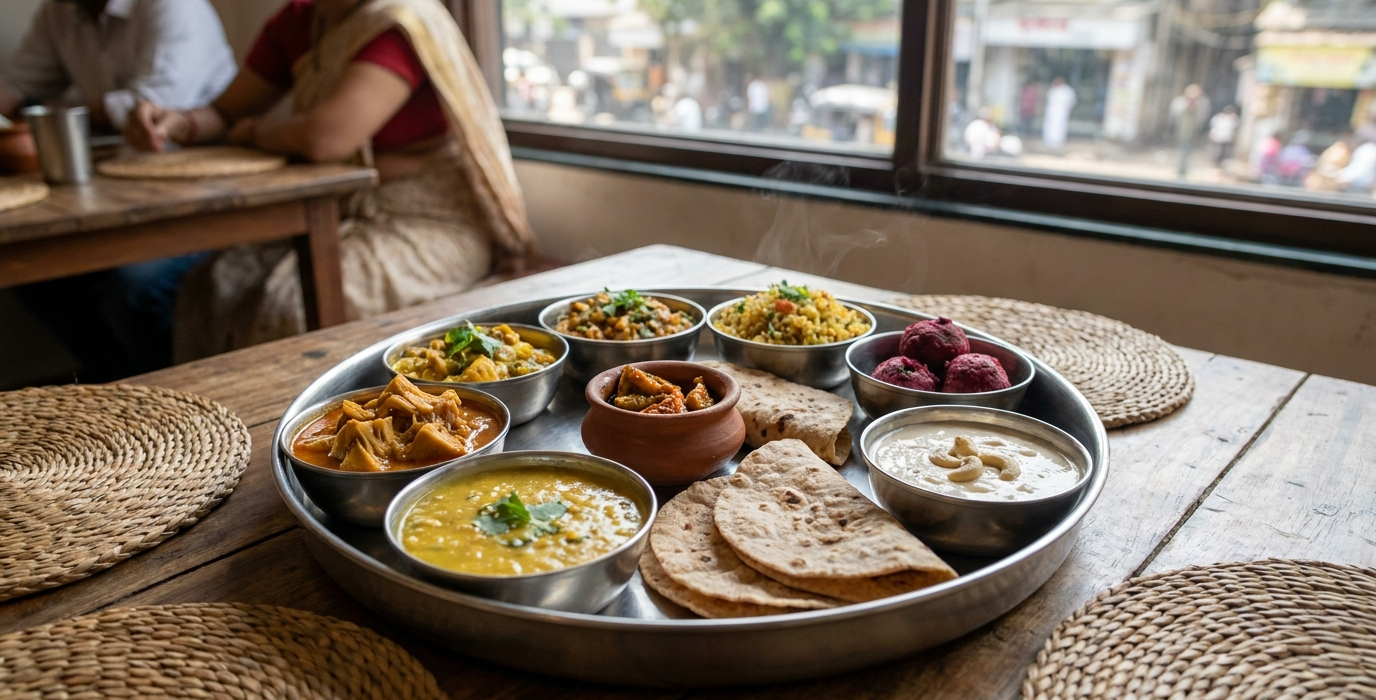
For generations, the Indian thali has been more than just a meal; it’s a culinary philosophy. A harmonious platter, it traditionally showcases a spectrum of tastes – sweet, sour, salty, bitter, pungent, and astringent – all in one seating. Typically, this meant including a generous portion of ghee-laden dals, creamy paneer preparations, and perhaps a rich meat curry, often accompanied by curd-based raitas and yoghurt. However, as we navigate 2026, the landscape of the thali is undergoing a remarkable, delicious transformation. We’re witnessing a significant rise in plant-based thalis, where traditional dishes are reimagined with innovative vegan ingredients. This isn’t about mere omission; it’s about clever substitution and celebration of indigenous produce. Think of a robust rajma masala made creamy with cashew paste instead of cream, or a decadent paneer tikka replaced by smoky, marinated jackfruit. This shift reflects a growing awareness around health, environmental impact, and ethical food choices, proving that tradition and innovation can indeed go hand-in-hand on a single plate.
The core principle of the thali – balance and variety – remains paramount. What’s changing is the source of that balance. Chefs and home cooks alike are delving deep into India’s rich agricultural heritage, rediscovering forgotten grains and vibrant vegetables. This movement is driven by a desire to offer a complete, satisfying meal without relying on animal products. It’s about capturing the essence of beloved regional cuisines, from the hearty fare of Punjab to the coastal flavours of Kerala, all through a plant-powered lens. This evolution is not confined to high-end restaurants in Mumbai or Delhi; it’s a grassroots movement gaining momentum across the nation.
Millets and Legumes: The New Stars of the Thali
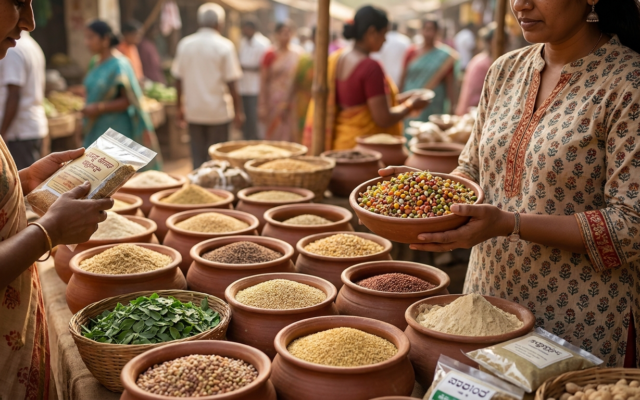
The resurgence of millets is a cornerstone of the plant-based thali revolution in 2026. These ancient grains, including foxtail millet (kakum/tenai), barnyard millet (kodo/oodhalu), and finger millet (ragi/nachni), are not just gluten-free and nutritious but also incredibly versatile. They are replacing refined rice and wheat in everything from crispy rotis to flavourful pulaos and even delicate desserts that might once have used milk solids. Imagine a thali featuring a fluffy millet pulao, a warm ragi roti, and a soothing bowl of millet kheer.
Legumes, too, are taking centre stage in exciting new ways. Beyond the classic dal makhani (now often made with a blend of lentils and a touch of coconut milk or almond butter for richness), we see innovative preparations. Chickpea flour (besan) finds its way into pakoras and kadhis, while sprouted lentils add a delightful texture and protein boost to salads and stir-fries. Lentil-based ‘kebabs’ and patties are replacing minced meat, offering a satisfying chew and depth of flavour. The humble lentil, once a supporting actor, is now a bona fide culinary star, proving its ability to carry complex flavours and textures. These ingredients are not only healthier but also significantly more sustainable, requiring less water and thriving in diverse Indian climates.
Seasonal Vegetables: A Symphony of Freshness
The true magic of a plant-based thali lies in its embrace of seasonality. As we move through the year, the vegetable components of the thali change, reflecting the bounty of local harvests. This ensures not only the freshest, most flavourful dishes but also a naturally diverse nutritional profile. In the monsoons, expect tender gourds like ridge gourd (turai) and bottle gourd (lauki) simmered with aromatic spices, alongside crisp okra (bhindi) preparations. As the weather cools, the thali might feature robust dishes made with cauliflower (gobi), cabbage (patta gobi), and root vegetables like carrots and sweet potatoes.
The emphasis is on celebrating the natural sweetness and earthiness of each vegetable. Instead of masking flavours with heavy creams or butter, plant-based thalis often rely on skillful tempering (tadka/chaunk) with mustard seeds, cumin, asafoetida (hing), and fresh herbs like coriander and curry leaves. Even the simplest preparation of a seasonal green like spinach (palak) or fenugreek leaves (methi) can be elevated with the right blend of spices and a touch of tamarind or lemon for tanginess. This approach not only enhances the taste but also makes the meal lighter and more digestible, aligning perfectly with the growing interest in mindful eating.
Dairy Alternatives: Creamy Delights, Plant-Powered
For many, the idea of a thali without dairy seems impossible. However, 2026 sees an explosion of innovative dairy alternatives that are seamlessly integrating into traditional Indian cooking. Coconut milk and cream are perhaps the most versatile, lending a luxurious richness to curries and dals, reminiscent of traditional dairy. Think of a creamy coconut-based korma or a rich dal tadka finished with a swirl of thick coconut cream. Almond milk and cashew paste are also widely used to create smooth, luscious gravies and sweet dishes.
Beyond these, we are seeing the rise of oat milk for lighter preparations and even some experimental uses of seed butters. For cooling accompaniments like raita, plant-based yoghurts – made from coconut, soy, or almond – are readily available and offer a similar tangy profile. These alternatives are not just functional; they add their own subtle nuances of flavour, enriching the overall thali experience. The goal is to achieve that same comforting, indulgent mouthfeel without compromising on the plant-based ethos. It’s about finding the perfect plant-based counterpart to replicate familiar textures and tastes.
Beyond the Plate: Sustainability and Health Benefits
The plant-based thali movement is intrinsically linked to a broader conversation about sustainability. By reducing or eliminating animal products, we significantly lower the environmental footprint associated with food production. This includes reduced greenhouse gas emissions, lower water consumption, and less land degradation. For consumers in India, this often translates to supporting local farmers who cultivate millets and diverse vegetables, fostering a more resilient and eco-conscious food system.
The health benefits are equally compelling. Plant-based diets are rich in fibre, vitamins, minerals, and antioxidants, while typically being lower in saturated fat and cholesterol. This can contribute to better heart health, improved digestion, and a reduced risk of chronic diseases. The emphasis on whole grains like millets and an abundance of fresh vegetables ensures a nutrient-dense meal that provides sustained energy. This trend taps into a global desire for food that nourishes both the body and the planet.
Regional Innovations: A Taste of India, Reimagined
The beauty of the plant-based thali is its adaptability to regional flavours. In South India, for instance, traditional dishes like sambar and rasam are naturally often dairy-free, making the transition smoother. Here, the focus might be on enhancing the vegetable components with local herbs and spices, perhaps a flavourful poriyal made with jackfruit or a tangy avial that swaps curd for a cashew-coconut paste. The use of drumstick (moringa) and plantains adds familiar textures and tastes.
Further north, in Punjab, where rich, creamy dishes are a hallmark, the challenge is more pronounced but equally rewarding. Chefs are creatively using cashew and melon seed pastes to achieve the characteristic richness of dishes like butter paneer, now reimagined as ‘butter’ mushroom or cauliflower. The humble gourd family, including kaddu (pumpkin) and lauki, are being transformed into decadent curries. Even the ubiquitous curd-based lassi is seeing vegan iterations using plant-based yoghurts and fruits. This dedication to authentic regional taste profiles is what makes these plant-based thalis so appealing and successful.
Here’s a snapshot of how some regional thali elements are adapting:
| Traditional Component | Plant-Based Innovation | Example Dish |
|---|---|---|
| Paneer Tikka | Marinated and grilled jackfruit or firm tofu | Smoked Jackfruit Tikka |
| Dahi Raita | Plant-based yogurt (coconut/almond) with finely chopped vegetables | Cucumber & Mint Raita (Coconut Yogurt Base) |
| Malai Kofta | Vegetable and legume koftas in a cashew-based gravy | Mixed Vegetable Kofta in Creamy Cashew Gravy |
| Ghee-laden Dal | Lentils tempered with plant-based oils and spices | Dal Tadka with Mustard Oil |
| Butter Chicken | Tofu or cauliflower florets in a tomato-cashew sauce | Cauliflower Makhani |
“The plant-based thali isn’t about mimicking; it’s about honouring the spirit of Indian cuisine through nature’s bounty. We’re rediscovering ingredients that have always been here, proving that deliciousness and consciousness can coexist on the same plate.”
Frequently Asked Questions
Where can I find authentic plant-based thalis in 2026?
You’ll find excellent plant-based thalis at dedicated vegan restaurants in major cities like Delhi, Mumbai, Bengaluru, and Chennai. Increasingly, mainstream restaurants are also offering dedicated vegan thali options. Don’t hesitate to ask at local eateries in Tier 2 cities like Pune, Jaipur, or Lucknow, as the trend is spreading rapidly.
Are plant-based thalis expensive compared to traditional ones?
While some gourmet vegan options might be pricier, many plant-based thalis are quite affordable, especially those focusing on millets and seasonal vegetables. Prices vary based on location, ingredients, and the restaurant’s positioning. Often, the cost can be comparable to or even less than traditional thalis featuring premium dairy or meat.
What are the key ingredients to look out for in a plant-based thali?
Focus on thalis that prominently feature millets (like ragi, jowar, bajra), various lentils and legumes, a wide array of seasonal vegetables, and healthy fats from sources like coconut, cashews, and seeds. Authentic plant-based thalis will highlight these ingredients rather than relying heavily on processed meat or dairy substitutes.
Is a plant-based thali truly satisfying if I’m used to traditional Indian food?
Absolutely. The traditional thali’s strength lies in its balance of flavours, textures, and nutrient profiles. Plant-based versions achieve this through clever use of legumes for protein, millets for complex carbohydrates, and creative preparations of vegetables and dairy alternatives for richness and creaminess. You’ll find them to be incredibly filling and flavourful.