Authentic Biryani Recipes: Taste of India’s Best
The aroma alone is enough to transport you. A complex perfume of saffron, cardamom, and slow-cooked meat, it’s the scent of celebration, of family gatherings, of pure, unadulterated joy. Biryani is more than just a dish in India; it’s an emotion, a legacy, a fiercely debated culinary art form. And for many home cooks, mastering its magic is the ultimate kitchen triumph.
Key Takeaways:
- Discover the regional variations that make each biryani unique.
- Learn the secrets to achieving perfectly layered rice and tender meat.
- Understand the importance of fresh, high-quality ingredients.
- Get practical tips for achieving that coveted smoky flavour, ‘dhungar’.
- Explore the cultural significance of biryani across India.
The Soul of Hyderabadi Dum Biryani
Hyderabadi Biryani. Just the name conjures images of opulent Nizami kitchens and generations of culinary expertise. This isn’t your average rice and meat dish; it’s a symphony of flavours meticulously layered and slow-cooked to perfection. The secret lies in the “dum” method, where the pot is sealed, trapping steam to gently cook the ingredients, allowing the rice to absorb the fragrant juices and the meat to become impossibly tender. I remember my first real taste of authentic Hyderabadi biryani at a small, unassuming eatery in the Old City of Hyderabad. The air was thick with spices, and the rice, each grain distinct yet infused with flavour, melted in my mouth. The mutton was so soft, it practically dissolved. This wasn’t just food; it was an experience.
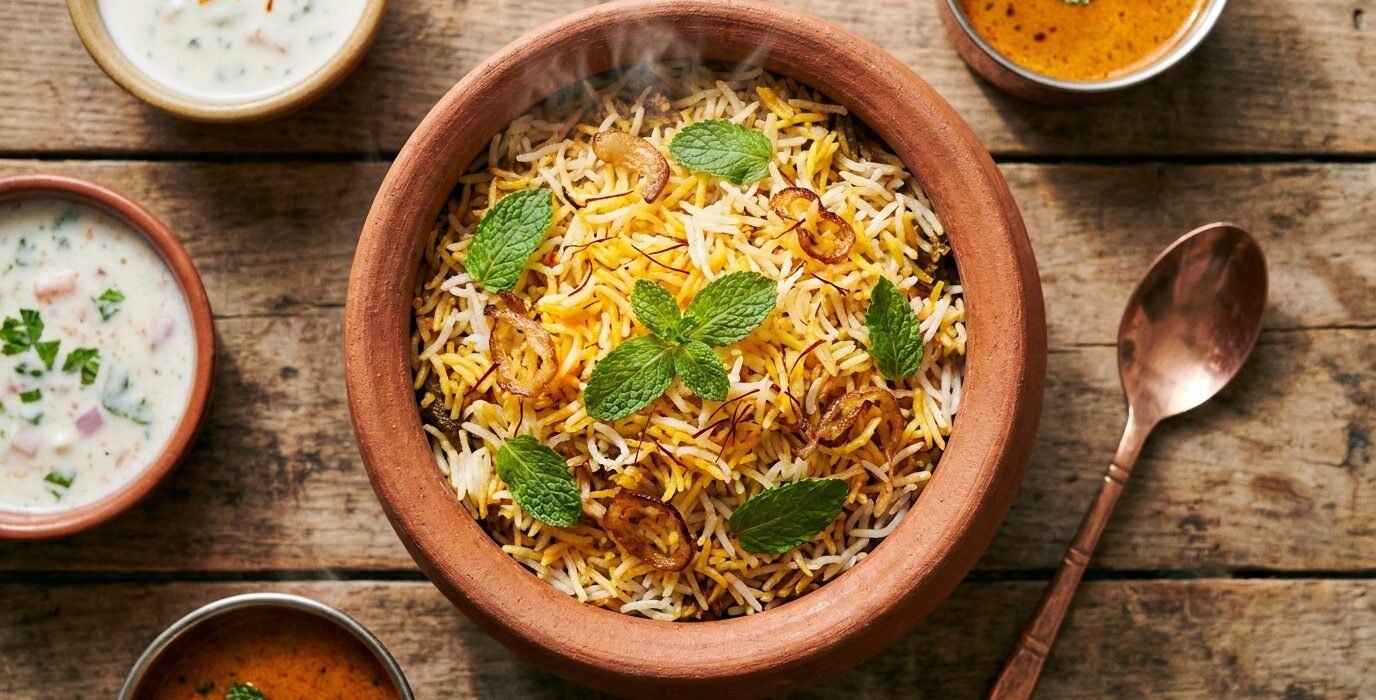
The foundation of a great Hyderabadi biryani is the marinade. For mutton biryani, typically cuts like leg or shoulder are used, tenderised for hours, sometimes overnight, with a potent mix of yogurt, ginger-garlic paste, red chilli powder, turmeric, coriander, cumin, and crucially, raw papaya paste. This paste is a game-changer, breaking down the meat fibres and ensuring succulence. Then comes the layering: a base of partially cooked basmati rice, followed by the marinated meat, and then another layer of rice. Fresh mint leaves, fried onions (birista), and a generous sprinkle of saffron-infused milk are interspersed between the layers. The pot is then sealed with dough, creating an airtight environment for the ‘dum’ cooking. This slow, gentle heat, traditionally from a tandoor or a very low stove flame, allows the flavours to meld beautifully. It’s a surprising fact that the practice of sealing biryani pots with dough wasn’t just for flavour; it was also a historical method to prevent pilfering from the communal kitchens. The cooking time is crucial, typically around 45 minutes to an hour, depending on the heat. When that dough seal is broken, and the steam billows out, releasing that intoxicating aroma, it’s a moment of pure culinary anticipation. The quality of the rice is paramount. Long-grain, fragrant Basmati, aged for at least a year, is preferred for its ability to remain fluffy and separate, absorbing flavours without becoming mushy. The specific blend of spices can vary, but a signature touch in Hyderabadi biryani often includes star anise, cloves, cardamom, and cinnamon, sometimes ground into a fine powder for maximum impact.
Lucknow’s Awadhi Biryani: The Art of ‘Pakki’
Moving north, we encounter the refined elegance of Awadhi Biryani from Lucknow. Unlike the Hyderabadi ‘kaccha’ (raw meat cooked with rice) style, Lucknowi biryani is primarily a ‘pakki’ (cooked meat cooked with rice) preparation. This means the meat is often par-cooked or even fully cooked separately before being layered with the rice. The resulting dish is known for its delicate flavours and a less intense spice profile, focusing on the subtle nuances of saffron, rose water, and Kewra essence. The Nawabs of Awadh were patrons of the arts, and this philosophy extended to their cuisine, valuing refinement and subtlety. My first introduction to Lucknowi biryani was at a family wedding in Uttar Pradesh. The rice was incredibly light, each grain almost translucent, and the chicken pieces were so tender they fell apart with the slightest touch. There was a gentle perfume that lingered long after the last bite, a testament to the subtle aromatics used.
The Awadhi approach prioritises fragrance and a rich, creamy texture. Marination for chicken or lamb often involves yogurt, ginger-garlic paste, and a mild blend of spices like white pepper, green cardamom, and mace. The meat is often braised or simmered until almost tender. For the rice, long-grain Basmati is again the star, par-boiled to about 70% doneness. The layering in Lucknowi biryani is equally important, but the emphasis is on infusing the rice with flavour from the meat and aromatic liquids. Ghee is used generously, adding a richness that is both luxurious and comforting. Fried onions are used, but they are often sweeter and less intensely browned than their Hyderabadi counterparts. A critical element is the use of ‘yakhni’, a flavourful broth derived from cooking the meat, which is then used to drench the rice layers, infusing them with depth. The addition of saffron milk and subtle floral essences like rose water or Kewra water is what truly defines the Awadhi character. These aren’t overpowering; they are whispers of fragrance that elevate the entire dish. It’s a surprising fact that Awadhi biryani’s historical connection lies with the elaborate banquets held by the Nawabs, where dishes were designed to impress with their aroma and delicate taste, reflecting a sophisticated palate. The cooking process, often involving ‘dum pukht’ (slow cooking in a sealed pot), is similar to the Hyderabadi style but with a lighter hand on the spices. The goal is not an explosion of heat but a harmonious blend of subtle flavours that dance on the palate. The entire preparation is a testament to the Nawabi appreciation for understated luxury.
Kolkata’s Biryani: A Unique Bengali Twist
Kolkata biryani is a fascinating departure from its more famous cousins, infused with a distinct Bengali character that sets it apart. This style is perhaps the most divisive among biryani purists, yet it holds a special place in the hearts of many Bengalis. The most striking difference? The presence of large potato pieces, often fried or boiled until golden, alongside the meat. This addition, a legacy of the impoverished Nawab Wajid Ali Shah of Awadh, who was exiled to Metiaburuz in Kolkata, is now an iconic feature. The biryani is typically made with a lighter hand on the spices compared to Hyderabadi versions, and often features a more prominent use of mustard oil in the marination or cooking process, lending a subtle pungency. I first encountered Kolkata biryani at a street-side stall in Esplanade, the steam rising from a large handi, carrying that unique aroma. The soft, yielding potato, absorbing all the fragrant juices, was a revelation. It was comfort food, familiar yet exciting.
The Kolkata biryani’s flavour profile leans towards subtle sweetness and delicate aromatics. The meat, usually mutton or chicken, is marinated with yogurt, ginger-garlic paste, and a blend of mild whole spices like green cardamom, cloves, and cinnamon, often along with a touch of nutmeg and mace. The rice, typically a good quality Basmati, is par-cooked. What makes it distinct is the introduction of boiled or fried potatoes, often infused with saffron and turmeric for colour and flavour. These potatoes are not an afterthought; they are integral to the dish, providing a creamy, starchy counterpoint to the meat and rice. The ‘dum’ cooking method is employed, but often with a slightly different technique, sometimes involving a layer of hot coals placed on top of the sealed pot to ensure even cooking. The use of ghee is generous, contributing to its rich mouthfeel. It’s a surprising fact that the potato’s inclusion in Kolkata biryani is a direct result of economic necessity, a resourceful adaptation that eventually became a beloved culinary signature. The spices used are often more subtle, with a focus on green cardamom and cloves, and sometimes a hint of rose water or Kewra essence for fragrance. The ‘birista’ (fried onions) are used, but they tend to be lighter and sweeter. The overall effect is a biryani that is comforting, subtly spiced, and uniquely Bengali. It’s a dish that speaks of adaptation, resilience, and the beautiful fusion of cultures. The gentle spice blend and the yielding texture of the potatoes make it incredibly approachable, even for those new to the world of biryani.
The Art of Spices: Building Authentic Biryani Flavour
The soul of any biryani lies in its spice blend. It’s not just about heat; it’s about creating a complex symphony of aromas and tastes that complement, rather than overwhelm, the main ingredients. Each region, and indeed each household, has its own nuanced interpretation. For a truly authentic biryani, fresh, high-quality spices are non-negotiable. Grinding them yourself just before cooking makes a world of difference. The foundational spices often include cumin, coriander, turmeric, and red chilli powder. But it’s the whole spices that lend biryani its distinctive character: green and black cardamom, cloves, cinnamon, bay leaves, star anise, and mace. These are often bloomed in oil or ghee at the beginning of the cooking process to release their essential oils.
The interplay of aromatics is also key. Ginger and garlic paste form the base of most marinades, providing pungency and depth. Fresh mint leaves, scattered liberally between the rice and meat layers, add a burst of freshness that cuts through the richness. Fried onions, or ‘birista’, are crucial for adding a sweet, caramelised depth. The quality of the onions and the method of frying them – slow and low until deeply golden and crisp – are critical. For Hyderabadi biryani, a generous amount of green chillies, slit or finely chopped, adds a kick. In contrast, Lucknowi and Kolkata styles often favour a more subtle use of chillies. Saffron, bloomed in warm milk, is the crowning glory, imparting its distinctive golden hue and delicate, earthy aroma. This is where you see the difference between a good biryani and a truly great one. It’s in the balance, the way each spice contributes its unique note without overpowering the others. A surprising culinary insight is that the colour of biryani is often achieved not just through saffron, but also through natural colourants like turmeric for a golden hue or even a touch of red food colouring in some regional variations, though traditionalists eschew the latter. The careful selection and proportion of these spices are what transform simple ingredients into an unforgettable culinary masterpiece. Toasting whole spices before grinding them can intensify their flavour significantly.
Achieving the Perfect Biryani: Tips from Home Cooks
Mastering biryani at home is a journey, and it’s one best undertaken with patience and a willingness to learn from those who have perfected it over generations. The internet, especially platforms like Reddit’s r/indianfood, is a treasure trove of shared wisdom, where home cooks swap tips and argue passionately about the “right” way to make biryani. One of the most frequently discussed aspects is achieving that perfect rice texture: fluffy, separate grains, never mushy. The secret is in the par-cooking. You want to cook the rice only about 70-80% of the way before layering it with the meat. It will finish cooking in the steam generated during the ‘dum’ process. Overcooking the rice at this stage is a common pitfall.
Another crucial element is the ‘dhungar’ or smoking technique. This involves placing a small piece of burning charcoal in a bowl of ghee or oil, which is then placed inside the sealed biryani pot for a few minutes. This imparts a subtle smoky flavour that is reminiscent of traditional tandoor cooking. It’s a game-changer for home cooks who don’t have access to a tandoor. My own attempts at ‘dhungar’ were initially clumsy, with smoke detectors blaring, but with practice, I learned to manage the heat and achieve that characteristic smoky aroma. Be sure to use a heat-proof bowl and stand the charcoal carefully. The quality of the meat and its preparation are also paramount. For mutton biryani, using bone-in pieces adds immense flavour to the gravy. Marinating the meat for at least 4-6 hours, or preferably overnight, allows the spices to penetrate deeply, ensuring tenderness and flavour. A surprising tip from a seasoned home cook in Delhi was to add a tablespoon of pickle brine to the marinade; it adds a delightful tang and further tenderises the meat. Don’t be afraid to taste and adjust the salt and spice levels of your marinade. Remember, the rice will absorb a lot of flavour, so the marinade needs to be robust. Finally, the resting period after the ‘dum’ cooking is important. Let the biryani sit, covered, for about 10-15 minutes before serving. This allows the flavours to settle and meld further.
Biryani Beyond the Plate: A Cultural Confluence
Biryani is far more than just a meal; it’s a cultural touchstone, a dish that brings people together across India and beyond. Its origins are debated, with theories pointing to Persia and Central Asia, but its evolution on Indian soil has created a culinary landscape as diverse as the country itself. From the royal kitchens of Hyderabad and Lucknow to the bustling streets of Kolkata and the humble homes across the subcontinent, biryani has been adapted, reinvented, and embraced by every community. It’s a dish often prepared for celebrations – weddings, Eid, anniversaries – signifying abundance, festivity, and shared joy. The act of preparing biryani itself can be a communal affair, with family members pitching in, from chopping onions to grinding spices.
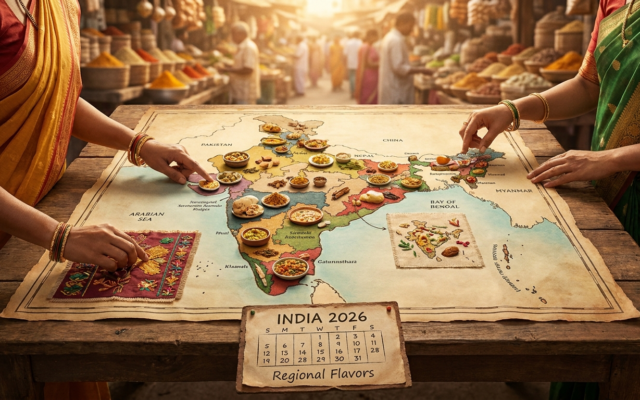
The sheer variety of biryani found across India is astounding. Beyond the major styles, you have regional variations like the fragrant Malabar biryani from Kerala, with its unique use of short-grained ‘Khaima’ rice and a milder spice profile, or the fiery Hyderabadi biryani from the Deccan plateau, known for its robust flavours. Even within cities, different communities might have their own distinct versions. A surprising cultural fact is that in some parts of India, the cooking of biryani is traditionally associated with specific days or occasions. For example, in certain Muslim households, it’s a common dish for Friday lunch. The aroma of biryani simmering away in a large pot is a familiar and comforting sound in many Indian neighbourhoods. It’s a dish that evokes memories, connects generations, and continues to inspire culinary innovation. The passion for biryani is so intense that online forums and social media are filled with debates about the best recipes, the ideal spice ratios, and the definitive regional style. This enduring love affair speaks volumes about biryani’s place in the Indian culinary psyche. It is a dish that transcends social strata, enjoyed by the elite and the common man alike.
Biryani is a living testament to India’s rich culinary history. Each grain of rice, each piece of tender meat, tells a story of tradition, adaptation, and the enduring love of good food. It is a dish that invites you to explore, to taste, and to understand the diverse flavours of India. So, the next time you find yourself craving something truly special, embark on the journey of making your own biryani.