Key Takeaways
- Master classic Karnataka vegetarian dishes like Bisi Bele Bath and Akki Roti with straightforward techniques.
- Discover the unique flavour profiles of Karnataka cuisine, focusing on local ingredients and spice blends.
- Learn how to adapt traditional recipes for modern kitchens, ensuring delicious results for busy cooks.
- Explore regional variations and tips for sourcing authentic ingredients to elevate your culinary experience.
The Soul of South Karnataka: Bisi Bele Bath and its Comforting Embrace
Imagine a single pot dish that encapsulates comfort, flavour, and nourishment. That’s Bisi Bele Bath, a quintessential Karnataka vegetarian delicacy. Its name, literally translating to “hot lentil rice,” barely scratches the surface of its complex yet harmonious taste. This is more than just a meal; it’s a culinary hug, especially cherished in the southern parts of the state, with Mysuru and Bengaluru often claiming its finest iterations. The magic lies in the precise layering of textures and tastes.
At its heart, Bisi Bele Bath is a symphony of rice, lentils (primarily toor dal), and an abundance of vegetables, all simmered together with a unique spice blend. The vegetables can range from common carrots and beans to more regional finds like drumsticks and cluster beans, adding layers of sweetness and subtle bitterness. The star of the show, however, is the specially prepared Bisi Bele Bath powder, a closely guarded secret in many households. This powder typically includes roasted spices like coriander seeds, red chillies, fenugreek seeds, and asafoetida, along with grated coconut and urad dal, ground to a fine, aromatic consistency. This complex spice mix is what truly sets it apart, infusing the dish with an unmistakable, deeply savoury aroma and taste.
Making Bisi Bele Bath at home might seem daunting, but with a clear approach, you can recreate this masterpiece. The process involves cooking the dal and rice until soft, then adding the vegetables and the flavourful spice paste. The final touch is often a tempering of ghee with mustard seeds, curry leaves, and cashews, which adds a delightful crunch and richness. You’ll find that mastering this dish opens the door to understanding the nuanced flavours of Karnataka cuisine. It’s a dish that proudly represents the state’s culinary heritage, offering a wholesome and satisfying experience that resonates deeply with anyone who has tasted its authentic charm.
The Rustic Charm of North Karnataka: Jolada Rotti and Ennegai
Venture north in Karnataka, and your palate will encounter a different, yet equally captivating, culinary landscape. Here, the humble jowar (sorghum) takes centre stage, giving rise to Jolada Rotti, a rustic and hearty flatbread that forms the backbone of many meals. Unlike the softer rotis made from wheat, Jolada Rotti is known for its slightly coarse texture and nutty flavour, a testament to the grain it’s made from. Making it requires a bit of practice; the dough needs to be kneaded just right, and the rottis are traditionally cooked on a hot tawa without any oil, then puffed directly over a flame, giving them a delightful crispness on the edges and a soft centre.
Accompanying this robust rotti is often Ennegai, a flavourful and often spicy curry made primarily from brinjals (eggplant) or other seasonal vegetables. The name “Ennegai” itself means “oil curry,” hinting at the richness of the dish, though modern preparations often use oil judiciously. The key to Ennegai lies in its masala paste, which typically includes roasted peanuts, sesame seeds, dry coconut, coriander seeds, and a generous amount of red chillies, ground into a thick, flavourful blend. This paste is then sautéed with chopped vegetables, creating a deeply aromatic and satisfying curry. It’s the perfect counterpoint to the plainness of the Jolada Rotti, creating a balanced and delicious meal.
The pairing of Jolada Rotti and Ennegai is more than just a meal; it’s an experience of rural Karnataka’s culinary spirit. It speaks of resourcefulness, using local grains and vegetables to create dishes that are both nutritious and incredibly flavourful. When you bite into a warm Jolada Rotti dipped in the spicy, rich Ennegai, you taste the earth, the sun, and the tradition of this vibrant region. We encourage you to try making these at home; the initial attempts at rolling the rotti might be imperfect, but the flavour will undoubtedly be worth the effort. The simplicity of the ingredients belies the profound depth of taste.
A Taste of Coastal Karnataka: Neer Dosa and Coconut’s Dominance
Moving towards the western coast of Karnataka, the cuisine undergoes another delightful transformation, heavily influenced by the abundance of coconut and the proximity to the Arabian Sea. Here, the dishes often feature a lighter, fresher profile, with coconut playing a starring role, not just as a flavouring agent but also as a primary ingredient. One of the most beloved and elegant preparations from this region is Neer Dosa, which translates to “water dosa.” This is a testament to its incredibly thin and delicate texture, almost like a silken sheet.
Unlike other dosas that are fermented, Neer Dosa batter is made from freshly ground rice and water, with a pinch of salt. The batter is deliberately thin, allowing it to spread effortlessly on the hot griddle, creating ethereal, lacy crepes. They are so light that they cook in mere seconds. The beauty of Neer Dosa lies in its versatility and its ability to be a perfect canvas for various accompaniments. It’s often served with a simple chutney, such as a fresh coconut chutney or a tangy tamarind-based chutney, or even a sweet jaggery-based accompaniment. The subtle flavour of the dosa allows these accompaniments to shine.
A popular and deeply satisfying pairing for Neer Dosa is the “Kayi Kadubu,” a steamed dumpling made from rice flour and grated coconut, often flavoured with cardamom. Another classic accompaniment is “Sagu,” a mild vegetable stew that perfectly balances the delicate dosa. The coastal influence is palpable in the generous use of coconut, both grated and in milk form, lending a creamy richness and a distinct aroma to the dishes. When you taste a perfectly made Neer Dosa with its accompanying gravies and chutneys, you experience the delicate balance and fresh flavours that define coastal Karnataka’s vegetarian cuisine. It’s a testament to how simple ingredients, expertly handled, can create dishes of unparalleled elegance and taste.
The Art of Spices: Mysore Rasam and its Aromatic Prowess
Rasam, a thin, soupy lentil-based broth, is a staple across South India, but the Mysore Rasam holds a special place in the hearts of many. It’s a dish that exemplifies the sophisticated use of spices in Karnataka cuisine, where each ingredient is chosen to contribute to a complex yet harmonious flavour profile. While other regions might have their versions, Mysore Rasam is distinguished by its specific blend of aromatics and the addition of certain spices that give it a unique depth. It’s often served as a palate cleanser or a light accompaniment to a full meal, but it’s so flavourful that it can be enjoyed on its own, perhaps with a handful of hot rice.
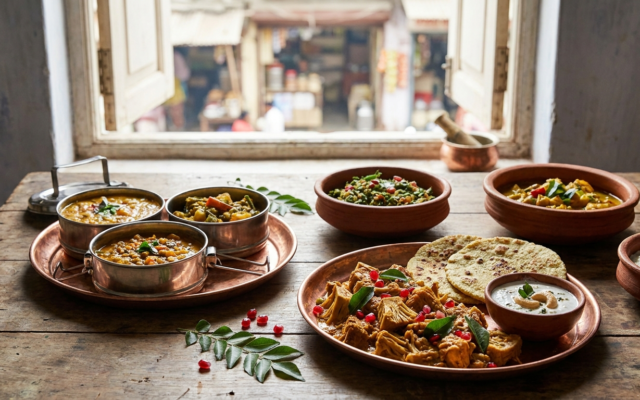
The preparation begins with a base of cooked tomatoes and tamarind pulp, providing a tangy foundation. The real magic happens with the rasam powder, which is typically homemade and packed with flavour. This powder often includes roasted coriander seeds, chana dal, urad dal, fenugreek seeds, dried red chillies, and a generous amount of black peppercorns, which impart a pleasant warmth. What sets Mysore Rasam apart is often the inclusion of ingredients like roasted garlic and a hint of cumin, adding an extra layer of savouriness. The final tempering, or *tadka*, is crucial, usually involving ghee or oil, mustard seeds, curry leaves, and asafoetida, which releases its fragrant oils and binds all the flavours together.
You’ll find that the aroma of freshly prepared Mysore Rasam is enough to awaken your senses. It’s a dish that requires patience and attention to detail, especially when making the spice powder from scratch. The slow roasting of the spices unlocks their essential oils, creating a fragrance that fills the kitchen. When served hot, often garnished with fresh coriander leaves, it’s a truly comforting and invigorating dish. We find that experimenting with the spice blend can lead to your own signature rasam, but understanding the traditional Mysore profile is a fantastic starting point. This dish truly showcases the elegance and aromatic complexity that Karnataka cuisine is renowned for.
Sweet Endings: Hesaru Bele Payasa and Jaggery’s Natural Charm
No exploration of Karnataka’s vegetarian cuisine is complete without indulging in its delightful sweets. Among the many *payasa* (pudding) variations, Hesaru Bele Payasa, made from moong dal (split yellow lentils) and jaggery, stands out for its comforting texture and naturally sweet taste. This dish is a common feature during festivals, celebrations, and family gatherings, symbolising auspiciousness and sweetness. Its appeal lies in its simplicity and the wholesome ingredients used.
The preparation involves cooking the moong dal until it’s incredibly soft and mushy. This creamy base is then combined with melted jaggery, which lends a deep, caramel-like sweetness and a beautiful amber hue, far more nuanced than refined sugar. Jaggery, a traditional unrefined sweetener made from sugarcane or palm sap, is a cornerstone of many Indian sweets, offering not just sweetness but also a distinct earthy flavour and numerous health benefits. The combination of the creamy lentil base and the rich jaggery creates a dessert that is both satisfying and surprisingly light.
The final flourish for Hesaru Bele Payasa comes from the tempering, where ghee is heated and infused with cashews and raisins, which are then poured over the payasa. This adds a delightful crunch and a burst of fruity sweetness. Some variations also include a hint of cardamom or nutmeg for added aroma. What’s particularly interesting about Hesaru Bele Payasa is its versatility; it can be served warm or chilled, making it suitable for any season. We find that using good quality jaggery makes a significant difference in the final flavour. This sweet is a perfect conclusion to any Karnataka meal, leaving you with a lingering taste of tradition and genuine sweetness.
Beyond the Plate: Sourcing Ingredients and Regional Nuances
To truly replicate the authentic taste of Karnataka’s vegetarian dishes at home, understanding ingredient sourcing and regional nuances is key. Karnataka’s diverse geography, from the fertile plains to the coastal regions and the hilly Western Ghats, yields a rich variety of produce that dictates its culinary identity. For dishes like Bisi Bele Bath, seek out the freshest vegetables – drumsticks, cluster beans, and ash gourd (winter melon) are particularly prized for their unique contribution to the flavour profile. If you’re outside India, look for frozen versions or suitable substitutes.
The heart of many Karnataka masalas lies in freshly ground spices. While pre-made powders are convenient, the depth of flavour you achieve from roasting and grinding coriander seeds, red chillies, fenugreek seeds, and urad dal yourself is unparalleled. For dishes like Ennegai, good quality peanuts and fresh or desiccated coconut are essential. The choice of jaggery for sweets like Hesaru Bele Payasa also matters; different types of jaggery, derived from sugarcane or palm, offer distinct flavour profiles. Palm jaggery, in particular, lends a unique, slightly smoky sweetness that is highly sought after.
Don’t underestimate the power of a good *tadka*. The fresh curry leaves, mustard seeds, and a dollop of ghee or oil are not just for garnish; they are integral to releasing the aromatic compounds that define the dish. You’ll notice that different regions within Karnataka have subtle variations. For instance, Udupi cuisine, from the coastal belt, tends to be more sattvic, with less onion and garlic, while North Karnataka cuisine is known for its spicier and more robust flavours. Embracing these regional differences allows you to appreciate the vast spectrum of Karnataka’s vegetarian culinary heritage. We’ve found that visiting Indian grocery stores, especially those catering to South Indian communities, is your best bet for finding authentic ingredients like specific varieties of lentils and spices.
Frequently Asked Questions
What is the most iconic vegetarian dish from Karnataka?
While many dishes are beloved, Bisi Bele Bath is arguably the most iconic vegetarian dish from Karnataka. Its unique blend of rice, lentils, vegetables, and a special spice powder makes it a comforting and flavourful staple.
Are Karnataka vegetarian dishes typically spicy?
The spice level can vary significantly by region and dish. While some dishes like North Karnataka’s Ennegai are known for their heat, many others, such as Neer Dosa or Hesaru Bele Payasa, are milder and focus on aromatic spices and natural sweetness. You can usually adjust the chilli quantity to your preference.
Where can I find authentic Karnataka spices?
For the most authentic spices, visit Indian grocery stores, particularly those specializing in South Indian products. Look for whole spices like coriander seeds, fenugreek seeds, and dried red chillies. Many stores also offer specific Karnataka-style rasam or bisi bele bath powders.
Can I make these dishes ahead of time?
Some components can be prepared in advance. For instance, you can grind the spice powders for rasam or Bisi Bele Bath and store them. The cooked dal or rice base can also be prepped. However, dishes like Neer Dosa or Jolada Rotti are best made fresh for optimal texture and taste. Rasam and Bisi Bele Bath can often be reheated, with their flavours sometimes deepening overnight.
What are some common vegetables used in Karnataka vegetarian cooking?
Common vegetables include drumsticks, brinjal (eggplant), cluster beans, carrots, beans, tomatoes, onions, and various gourds. Regional specialties might also incorporate more unique items like ivy gourd or okra.