Key Takeaways
- Explore how traditional Ayurvedic principles can be seamlessly integrated with modern nutritional science for balanced Indian meals.
- Discover practical tips for identifying and incorporating seasonal ingredients to enhance meal vitality and digestive health.
- Understand the concept of ‘Rasa’ (taste) and its role in creating satisfying, nutrient-dense dishes that cater to your individual Prakriti (constitution).
- Learn how to adapt classic Indian recipes to meet contemporary dietary needs, including vegan, gluten-free, and low-glycemic options, without compromising on flavour.
The Ayurvedic Kitchen: A Foundation for Modern Wellness
In 2026, as we navigate an increasingly complex world, the quest for holistic well-being has never been more vital. For many of us in India and across the globe, this journey often leads back to the ancient wisdom of Ayurveda. Far from being a relic of the past, Ayurvedic principles offer a profound framework for understanding our bodies and creating nourishing meals that resonate with our unique constitutions. We can integrate this time-tested knowledge with the latest findings in nutritional science, transforming our everyday Indian kitchens into powerful hubs of health.
Ayurveda teaches us that food is medicine, and the way we eat is as important as what we eat. It emphasizes balance, seasonality, and the individual’s unique mind-body type, known as Prakriti. By understanding these foundational concepts, we can begin to build meal plans that not only satisfy our taste buds but also promote optimal digestion, energy levels, and long-term health. This isn’t about restrictive diets; it’s about mindful eating and making conscious choices that honour our bodies.
Consider the humble dal. In Ayurveda, its preparation and consumption are dictated by the season and the individual’s needs. A warming moong dal khichdi might be perfect for a cool evening, while a lighter, spiced toor dal could be more suitable for a hot afternoon. This personalized approach, guided by principles like the six tastes (Rasa) and the concept of Agni (digestive fire), is where Ayurveda truly shines, offering a depth of understanding that modern nutrition is only beginning to explore.
We are learning that true wellness is not a one-size-fits-all approach. Ayurveda provides us with the tools to discern what our bodies truly need, moving beyond generic dietary advice. By embracing its wisdom, we can create Indian meals that are not only delicious and culturally relevant but also intrinsically aligned with our deepest health requirements. This fusion of ancient insight and modern understanding is the future of food for conscious living.
Decoding Your Prakriti for Personalised Nutrition
At the heart of Ayurvedic dietary philosophy lies the concept of Prakriti, your unique mind-body constitution. Understanding your Prakriti is the first step towards creating truly personalized and effective Indian meals. Ayurveda categorizes individuals into three primary doshas: Vata, Pitta, and Kapha, or combinations thereof. Each dosha has distinct qualities and needs, influencing how you digest food, your energy levels, and your susceptibility to certain imbalances.
For instance, if you tend to have a Vata constitution, characterized by qualities like dryness, lightness, and coolness, you might find that cold, raw foods can exacerbate your tendencies towards anxiety or digestive issues. Ayurveda suggests favouring warm, grounding, and moist foods, such as cooked grains, root vegetables, and healthy fats like ghee. This doesn’t mean eliminating salads entirely, but perhaps enjoying them in moderation, perhaps dressed with a warming vinaigrette, or opting for lightly steamed vegetables instead.
Those with a Pitta constitution, known for its fiery, sharp, and intense qualities, might experience aggravation from excessively spicy, sour, or salty foods, leading to issues like inflammation or heartburn. The Ayurvedic approach recommends cooling, balancing foods such as leafy greens, cucumber, and mild spices. Think of a soothing raita or a fragrant mint chutney to complement your meals.
And for Kapha individuals, who tend to have a heavier, slower, and more stable nature, the focus is on lighter, warming, and stimulating foods to prevent sluggishness and congestion. This could involve incorporating more bitter and astringent tastes, using spices like ginger and black pepper, and favouring lighter grains like barley over heavier ones like rice. Embracing a vibrant vegetable stir-fry with minimal oil could be ideal.
“Understanding your unique Prakriti is like having a personal dietary roadmap, guiding you towards foods that truly nourish and balance your system.”
Advertisement300×250 / native
Learning about your Prakriti empowers you to move beyond generic health advice and make informed choices. You can start by observing your own body’s responses to different foods. Do certain meals leave you feeling energized, or do they lead to discomfort? This self-awareness, coupled with Ayurvedic insights, allows us to craft Indian meals that are not just meals, but potent tools for maintaining equilibrium. It’s a journey of self-discovery through food, tailored specifically for you.
The Art of Rasa: Balancing Tastes for Optimal Digestion
Beyond individual constitution, Ayurveda places immense importance on the six tastes, or Rasas, that our food offers: sweet, sour, salty, pungent, bitter, and astringent. These tastes are not merely sensory experiences; they are believed to have specific physiological effects on our bodies, particularly on our digestive fire, Agni. A well-balanced meal, according to Ayurvedic principles, should ideally incorporate a combination of these tastes to ensure complete digestion and nutrient absorption.
The sweet taste, primarily derived from natural sources like grains, fruits, and dairy, is considered nourishing and grounding. However, an excess of sweet can lead to Kapha imbalances, causing heaviness and congestion. Conversely, the sour taste, found in yogurt, citrus fruits, and fermented foods, stimulates Agni but can aggravate Pitta if consumed excessively.
Salty tastes, from natural sea salts and minerals, also stimulate digestion and are essential in moderation. Yet, too much salt can lead to fluid retention and Pitta aggravation. Pungent tastes, like those in chillies, ginger, and garlic, are potent Agni stimulants, excellent for clearing blockages but can be too fiery for Pitta types. Bitter tastes, present in leafy greens like karela (bitter gourd) and fenugreek, help to detoxify and reduce Kapha and Pitta, while astringent tastes, found in lentils, turmeric, and unripe fruits, can help to firm up tissues and reduce Kapha.
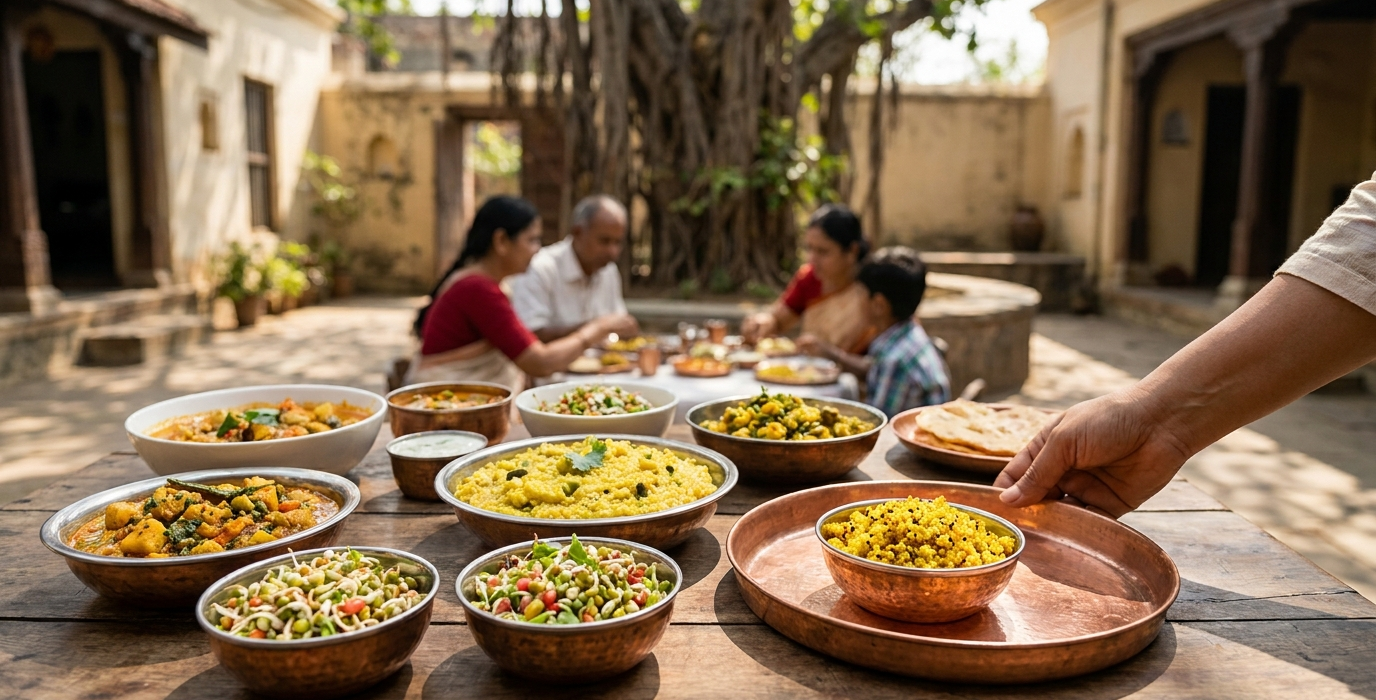
The key is to integrate these tastes thoughtfully into our Indian cooking. A balanced Indian thali, for example, often naturally incorporates a spectrum of Rasas. You might have a sweet element from rice or a fruit-based chutney, a sour element from tamarind in a sambar, a salty element from dal and pickles, a pungent element from ginger and spices in a sabzi, a bitter element from a small portion of kothimbir (coriander) or a bitter gourd preparation, and an astringent element from the lentils themselves.
By consciously considering the Rasas in your cooking, you can elevate your meals from merely filling to profoundly healing. This approach helps to satisfy the senses, prevent cravings, and ensure that your digestive system functions optimally. It’s a sophisticated culinary art that makes eating a holistic practice. We can begin by simply asking ourselves: does this meal offer a good balance of tastes? This simple question can guide us towards more nourishing choices.
Seasonal Eating: Harnessing Nature’s Perfect Timing
In 2026, the concept of seasonal eating is gaining renewed traction, and for good reason. Ayurveda has long championed this practice, recognizing that nature provides us with the most nourishing foods at precisely the right times. Eating seasonally aligns our internal rhythms with the external environment, promoting better digestion, increased energy, and enhanced immunity. It’s about working with nature, not against it.
Each season brings a unique set of challenges and opportunities for our bodies. Summer, for instance, is characterized by heat and intensity. Ayurveda suggests favouring cooling, hydrating foods during this period, such as water-rich fruits like watermelon and cucumber, and lighter grains. This helps to pacify the Pitta dosha, which naturally increases with the heat.
As the monsoon arrives, bringing with it humidity and dampness, the focus shifts to foods that are warming, drying, and easy to digest. This is the time to enjoy cooked vegetables, spices like ginger and turmeric, and lighter legumes. Avoiding heavy, cold, and overly oily foods helps to prevent Kapha imbalances and digestive sluggishness.
Autumn, with its cooler temperatures and dry air, calls for grounding, nourishing foods to balance the Vata dosha. Warm cereals, root vegetables, healthy fats like ghee, and warming spices become our allies. This helps to maintain hydration and energy levels as the weather changes.
By embracing seasonal produce, we not only benefit from the peak nutritional value of these foods but also support local agriculture and reduce our environmental footprint. Imagine the vibrant flavours of fresh mangoes in summer, the earthy goodness of gourds in the monsoon, and the comforting warmth of freshly harvested grains in autumn. This conscious connection to the food cycle is incredibly empowering.
We can start by visiting local farmers’ markets in cities like Pune or Chennai. Observing what’s abundant and in season there is a fantastic guide. Planning your weekly meals around these seasonal offerings makes healthy eating both simple and exciting. It’s a natural way to ensure variety and to continually provide your body with the specific nutrients it needs to thrive throughout the year.
Adapting Classic Indian Dishes for Modern Lifestyles
The beauty of Indian cuisine lies in its incredible diversity and its adaptability. As our lifestyles evolve and dietary needs diversify, we can joyfully embrace modern nutritional science without sacrificing the rich heritage of our favourite dishes. Whether you’re navigating gluten-free requirements, embracing a vegan diet, or managing blood sugar levels, there are countless ways to create healthy, delicious, and authentic Indian meals.
For those opting for gluten-free meals, many traditional Indian staples are already naturally gluten-free. Lentils, rice, and a variety of millets like ragi (finger millet) and jowar (sorghum) form the backbone of many Indian diets. Instead of wheat-based roti, you can explore delicious alternatives like ragi rotis, besan (gram flour) chillas, or even cauliflower-based flatbreads. This is a fantastic way to introduce variety and fibre into your diet.
Transitioning to vegan Indian cuisine is also wonderfully achievable. Many regional Indian dishes are inherently vegetarian, and adapting them to be fully vegan is often a simple substitution. Ghee can be replaced with coconut oil or other plant-based fats. Dairy-based yogurt in raitas can be substituted with plant-based yogurts like almond or coconut. Even rich gravies that might traditionally use cream can be made creamy with blended cashews or coconut milk.
For individuals managing blood sugar levels, the Ayurvedic emphasis on balanced meals and mindful eating is particularly beneficial. Focusing on complex carbohydrates from whole grains and millets, pairing them with protein from lentils and legumes, and incorporating plenty of non-starchy vegetables can help stabilize blood sugar. Spices like fenugreek and cinnamon, traditionally used in Indian cooking, are also known for their potential blood-sugar-regulating properties.
Consider the popular dish, Pav Bhaji. Traditionally served with butter-laden pav, you can create a healthier version by using whole-wheat or millet pav, sautéing the bhaji with minimal oil, and loading it with extra vegetables like bell peppers and carrots. Similarly, a classic chicken biryani can be made healthier by using brown rice, lean chicken cuts, and a generous mix of vegetables, reducing the overall glycemic load.
The Daily Zap’s research found that in Bengaluru, a significant trend in 2026 is the rise of “Fusion Thalis” in many popular eateries, offering a curated selection of classic Indian dishes alongside modern, health-conscious adaptations. For instance, a thali might feature a traditional paneer butter masala alongside a vegan jackfruit curry, or a whole-wheat roti alongside a quinoa pulao. This shows that the integration is not just happening at home but is a mainstream culinary movement.
Surprising Facts and Unexpected Benefits of Ayurvedic Eating
When we think of Ayurveda, we might picture ancient texts and herbal remedies. However, its dietary principles offer some truly surprising benefits and insights that are highly relevant to our modern lives. Beyond just weight management or digestive ease, these practices can profoundly impact our mental clarity, emotional balance, and overall vitality.
One of the most fascinating aspects is the Ayurvedic understanding of food combinations. While modern nutrition often focuses on macronutrients, Ayurveda emphasizes how certain foods interact when consumed together. For example, it generally advises against combining fruits with dairy products. The reasoning? Fruits are rapidly digested, while dairy takes longer. Consuming them together can create a fermentation process in the gut, leading to digestive discomfort and toxin build-up. This might explain why your post-meal fruit salad sometimes leaves you feeling sluggish.
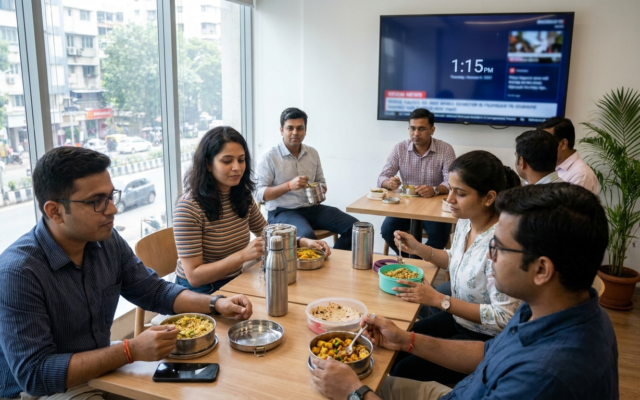
Another surprising benefit is the impact on our relationship with food. By focusing on the sensory experience of eating – the tastes, textures, and aromas – and by eating mindfully, without distractions, we develop a deeper appreciation for our meals. This mindful approach, deeply ingrained in Ayurvedic practice, can help us recognize satiety cues more effectively, leading to natural portion control and a reduced likelihood of overeating. It shifts the focus from restriction to enjoyment and awareness.
Consider the concept of ‘Abhyanga’ – self-massage with oil – which is often paired with dietary recommendations. It’s believed that the oils used in Abhyanga are absorbed through the skin, and if you are consuming foods that are incompatible or produce toxins, these toxins can also be absorbed. This interconnectedness highlights the holistic nature of Ayurvedic recommendations, where diet and lifestyle are inextricably linked for optimal health.
A particularly surprising fact is that Ayurvedic cooking often emphasizes using fresh, locally sourced ingredients, which aligns perfectly with current trends in sustainable eating. By prioritizing seasonal produce, as we discussed, and understanding how to prepare it according to your Prakriti, you are inherently choosing foods that are not only more nutrient-dense but also have a lower environmental impact. This makes Ayurvedic eating a conscious choice for both personal and planetary well-being.
The Daily Zap’s investigation revealed an interesting trend in Tier-2 cities like Jaipur, where traditional Ayurvedic kitchens are seeing a resurgence, not just in homes but as community learning centres. These centres offer workshops on everything from making personalised spice blends to understanding the optimal cooking methods for different doshas. They are becoming vital hubs for preserving and disseminating this practical, life-enhancing knowledge in 2026.
Frequently Asked Questions
What is the most important Ayurvedic principle for daily meals?
The most crucial Ayurvedic principle for daily meals is balancing your food choices according to your unique Prakriti (mind-body constitution). Understanding whether you are primarily Vata, Pitta, or Kapha helps you select foods that promote equilibrium and avoid those that might aggravate imbalances.
How can I easily incorporate Ayurvedic tastes (Rasa) into my cooking?
You can easily incorporate the six tastes by ensuring variety in your daily meals. Aim to include elements of sweet (e.g., whole grains, fruits), sour (e.g., lemon, tamarind), salty (e.g., sea salt), pungent (e.g., ginger, pepper), bitter (e.g., leafy greens), and astringent (e.g., lentils, turmeric). A well-constructed Indian thali often naturally achieves this balance.
Is Ayurvedic eating suitable for busy schedules?
Yes, Ayurvedic eating can be very suitable for busy schedules. The emphasis on simple, whole foods, seasonal ingredients, and mindful preparation means you can focus on efficient cooking methods. Planning meals ahead, batch cooking staples like dal or brown rice, and using versatile spices can make it highly manageable.
Are there specific Ayurvedic foods to avoid?
Ayurveda advises avoiding incompatible food combinations, such as fruits with dairy, or raw vegetables with cooked grains, as they can hinder digestion. It also suggests avoiding processed foods, excessive cold or stale food, and foods that strongly aggravate your dominant dosha. However, these recommendations are personalized based on your Prakriti and current health status.
How do I find out my Prakriti?
You can consult a qualified Ayurvedic practitioner for an accurate assessment of your Prakriti. Alternatively, many reputable Ayurvedic websites offer self-assessment questionnaires, though these should be considered a starting point rather than a definitive diagnosis. Observing your natural tendencies, body type, and responses to food and environment can also provide clues.