Key Takeaways
- West Bengal is embracing sustainable tourism with a wave of new eco-lodges, offering unique stays in its diverse natural landscapes.
- These lodges prioritize local sourcing, community engagement, and minimal environmental impact, aligning with global responsible travel trends.
- From the Himalayas to the Sundarbans, explore authentic experiences that benefit both travelers and local ecosystems.
- Booking in advance is highly recommended due to anticipated high demand for these unique, environmentally conscious accommodations.
The Green Dawn: West Bengal’s Eco-Lodge Revolution
As the monsoon clouds gather, painting the skies of West Bengal in hues of dramatic grey and vibrant green, a new kind of travel experience is blossoming across the state. Forget crowded tourist traps; this season, we invite you to discover the soul of Bengal through its burgeoning eco-lodges. These aren’t just places to stay; they are gateways to pristine nature, built with respect for the land and its communities. From the misty foothills of Darjeeling to the ancient mangroves of the Sundarbans, a quiet revolution is underway, prioritizing sustainability without compromising on comfort or authenticity.
This shift towards responsible tourism is more than just a trend; it’s a conscious effort to preserve the breathtaking biodiversity that West Bengal so generously offers. Imagine waking up to the symphony of birdsong in a handcrafted bamboo cottage, your breakfast sourced from the organic farm just steps away. Picture yourself exploring winding trails with a local guide who shares generations of knowledge about the forest. This is the promise of West Bengal’s new eco-lodges, designed for travelers who seek deeper connections with nature and culture. They represent a commitment to preserving the unique heritage of the region for future generations, ensuring that your journey leaves a positive footprint.
The state government, recognizing the immense potential of its natural treasures, has been actively promoting eco-tourism initiatives. This includes offering incentives for the development of sustainable accommodations and infrastructure. The goal is to create a model where tourism acts as a catalyst for conservation and community development, rather than a drain on resources. We’re seeing a delightful convergence of traditional wisdom and modern ecological practices, creating spaces that are both charming and conscientious.
Himalayan Havens: Serenity in the North
The northern reaches of West Bengal, often associated with tea gardens and the majestic Kanchenjunga, are now emerging as hotspots for sophisticated eco-tourism. Nestled amidst rolling hills and emerald valleys, several new eco-lodges are redefining luxury with a conscience. These properties are carefully integrated into the landscape, utilizing local building materials like bamboo, stone, and reclaimed wood. Their design philosophy emphasizes harmony with nature, featuring open spaces, large windows that invite the outside in, and minimal disruption to the natural terrain.
One such gem is found near Kalimpong, a property that has transformed an abandoned cardamom plantation into a serene retreat. Here, guests can stay in beautifully appointed cottages that offer panoramic views of the Teesta River valley. The lodge actively engages the local Lepcha community, employing residents as guides, chefs, and caretakers, and sourcing produce directly from their farms. This direct economic benefit to the community is a cornerstone of their sustainable model.
Experiences Beyond the Rooms
Beyond the comfortable accommodations, these Himalayan eco-lodges offer a curated list of experiences. Think guided nature walks through rhododendron forests, bird-watching excursions with expert ornithologists, and visits to organic tea estates where you can learn about the cultivation process firsthand. Some even offer workshops on traditional crafts, allowing you to engage with local artisans and perhaps even create your own souvenir. The emphasis is on slow travel, encouraging you to immerse yourself in the tranquility and beauty of the mountains. You’ll find that the air itself feels cleaner, the silence more profound, and the stars brighter here.
A surprising fact: Many of these new lodges are powered by micro-hydropower systems, harnessing the abundant mountain streams to generate clean electricity. This reduces their reliance on fossil fuels and minimizes their carbon footprint significantly, a testament to their deep commitment to ecological preservation. This approach not only benefits the environment but also ensures a more authentic and self-sufficient experience for guests.
Sundarbans Sanctuaries: Coastal Conservation
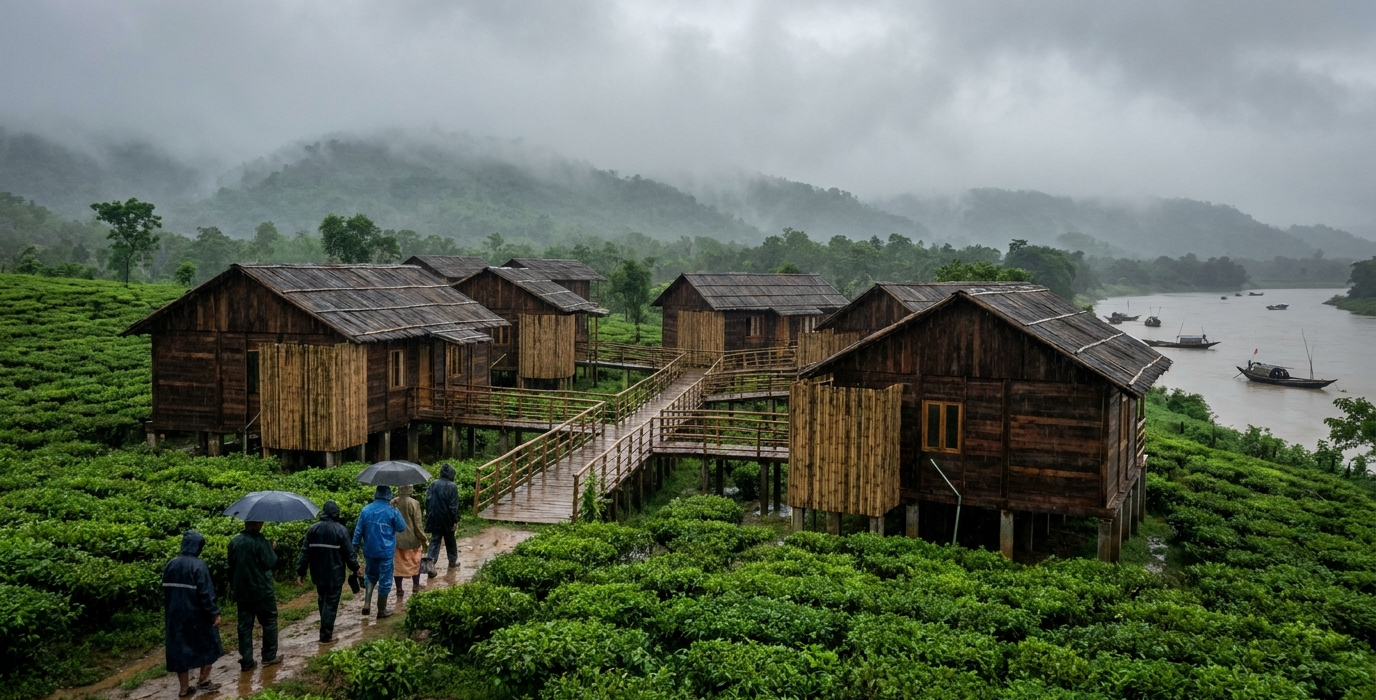
Venturing south, the mystical Sundarbans, a UNESCO World Heritage Site, is also embracing a more responsible approach to tourism. The vast mangrove forests, a critical habitat for the Royal Bengal Tiger, present unique challenges and opportunities for eco-lodges. The new wave of accommodations here focuses on minimal impact on the delicate estuarine ecosystem, often built on stilts using sustainable materials to withstand tidal changes.
These lodges are not just about observing wildlife from a distance; they are about understanding the intricate balance of this unique environment and the vital role it plays in our planet’s health. Many are actively involved in conservation efforts, partnering with local NGOs to protect the tiger population and its habitat. Guests often have the chance to participate in awareness programs or learn about the challenges faced by the local communities who live in harmony with these mangroves.
Living with the Tides
Life in the Sundarbans is intrinsically linked to the rhythm of the tides. The eco-lodges reflect this, offering experiences like guided boat tours through the narrow creeks, where you can spot diverse birdlife, spotted deer, and if you’re exceptionally lucky, the elusive tiger. Local fishermen often lead these tours, sharing their ancestral knowledge of the waterways and the forest. Your stay contributes directly to their livelihoods, fostering a symbiotic relationship between tourism and conservation.
These lodges often feature open-air dining areas, allowing you to savor fresh, locally sourced seafood while listening to the sounds of the forest and the water. Solar power is increasingly being used to supplement electricity needs, and waste management systems are designed to be as eco-friendly as possible, often involving composting and responsible disposal of non-biodegradable waste. You’ll find that the connection to nature is palpable, from the gentle sway of the lodge to the pervasive scent of salt and earth.
A truly remarkable aspect of Sundarbans eco-tourism is the focus on empowering local women. Several lodges work closely with women’s self-help groups, sourcing handicrafts and employing them in hospitality roles. This not only provides economic independence but also fosters a sense of pride and ownership in their natural heritage.
Jungle Escapes: The Western Ghats’ Green Embrace
West Bengal’s Western Ghats, though perhaps less explored than their southern counterparts, are a treasure trove of biodiversity and are now seeing the rise of intimate eco-lodges. These hidden retreats are perfect for those seeking an escape into lush forests, cascading waterfalls, and a rich tapestry of flora and fauna. The emphasis here is on providing an immersive jungle experience that respects the fragile ecosystem.
Many of these lodges are built on small, privately owned plots of land that have been carefully managed to retain their natural state. They often feature sustainable architecture that blends seamlessly with the forest canopy, using materials like bamboo, wood, and thatch. Expect to find rustic charm coupled with essential modern amenities, ensuring a comfortable stay without disturbing the natural ambiance.
Biodiversity Hotspots
The surrounding forests are teeming with life. Guided treks can lead you to discover rare orchids, medicinal plants, and a dazzling array of insect and bird species. Local naturalists, deeply knowledgeable about the region’s endemic species, will enrich your understanding of the forest’s delicate balance. You might even encounter unique wildlife like the Indian giant squirrel or various species of primates.
These lodges often champion the use of organic produce, sourced from their own gardens or from nearby tribal communities. Meals are typically home-style, showcasing authentic regional cuisine prepared with fresh, seasonal ingredients. This farm-to-table approach not only supports local agriculture but also ensures that you taste the true flavors of the land. It’s an experience that nourishes both body and soul.
Coastal Charms: Beyond the Sundarbans
While the Sundarbans often steal the spotlight, West Bengal’s coastline offers other serene pockets ripe for sustainable exploration. Areas along the Bay of Bengal, away from the more commercialized beaches, are now home to charming eco-resorts and homestays. These properties are designed to blend with the coastal environment, often featuring open-air structures that capture the sea breeze and offer stunning ocean views.
The focus here is on responsible engagement with the marine environment and the local fishing communities. Lodges are typically built with locally sourced materials like coconut wood and bamboo, and their designs aim to minimize their impact on the fragile dune ecosystems. You’ll find that the pace of life slows down considerably, allowing you to truly connect with the rhythm of the sea.
Oceanic Wonders and Local Life
Experiences often revolve around the ocean. This could include guided kayaking tours through coastal wetlands, bird-watching expeditions to spot migratory seabirds, or even participating in responsible fishing practices with local communities. Some resorts offer educational sessions on marine conservation and the importance of protecting the coastline from erosion and pollution.
The cuisine often highlights fresh, sustainably caught seafood, prepared with local spices and culinary traditions. Imagine enjoying a delicious meal of grilled fish with a sea view, the gentle sound of waves providing a natural soundtrack. Waste management is a key concern, with many resorts implementing robust recycling programs and composting initiatives to reduce their environmental footprint.
A surprising and delightful aspect of these coastal eco-stays is the opportunity to learn about traditional boat-building techniques from local artisans. These skills, passed down through generations, are a testament to the ingenuity and resourcefulness of the coastal communities. Witnessing these crafts firsthand offers a unique glimpse into a way of life intimately connected to the sea.
Community Connect: The Heartbeat of Eco-Tourism
What truly sets West Bengal’s burgeoning eco-lodges apart is their unwavering commitment to community engagement. These are not isolated retreats; they are integrated into the fabric of the local villages and ecosystems they inhabit. The philosophy is simple: tourism should benefit everyone, from the smallest bird in the forest to the families who have called these lands home for centuries.
This commitment manifests in various ways. Many lodges actively employ local villagers, providing training and fair wages, thereby creating sustainable livelihoods. They partner with local artisans to source handicrafts, furniture, and decorative items, giving these traditional crafts a wider audience and ensuring their preservation. You’ll find that the staff are not just employees; they are often proud ambassadors of their culture and land.
Empowering Local Voices
Furthermore, a significant portion of the revenue generated by these eco-lodges is often reinvested into community development projects. This can include supporting local schools, funding healthcare initiatives, or contributing to environmental conservation efforts led by the villagers themselves. This direct economic impact fosters a sense of ownership and encourages the community to become active stewards of their natural resources.
When you choose to stay at an eco-lodge in West Bengal, you are not just paying for accommodation; you are contributing to a larger mission. You are supporting the preservation of unique ecosystems, the empowerment of local communities, and the promotion of a more responsible and ethical way of travel. This conscious choice allows you to experience the beauty of West Bengal while making a positive difference.
The true essence of eco-tourism lies not just in minimizing our impact, but in actively contributing to the well-being of the places we visit and the people who call them home. West Bengal is weaving this ethos into the very fabric of its new green accommodations.
Frequently Asked Questions
What are the best times to visit West Bengal’s eco-lodges?
The monsoon season (June to September) offers lush landscapes and fewer crowds, though some remote areas might have access issues. The post-monsoon (October to March) is generally considered ideal, with pleasant weather for exploring both the mountains and the coastal regions. Wildlife viewing in the Sundarbans is often best during the drier months.
Are these eco-lodges suitable for families?
Yes, many eco-lodges cater to families and offer activities suitable for children, such as nature walks, craft sessions, and educational programs about local flora and fauna. It’s always advisable to check with the specific lodge about their family-friendly amenities and activities when booking.
How can I ensure my visit is truly sustainable?
Choose lodges with clear environmental policies and community engagement programs. Minimize plastic usage, conserve water and energy, respect local customs and wildlife, and opt for locally sourced food and products. Consider offsetting your travel emissions.
What kind of wildlife can I expect to see?
Wildlife sightings vary greatly by region. In the Himalayas, you might see various bird species, Himalayan black bears, and if you’re very lucky, clouded leopards. The Sundarbans are famous for the Royal Bengal Tiger, estuarine crocodiles, and numerous bird species. The Western Ghats offer opportunities to see primates, diverse insects, and various reptiles.