Key Takeaways
- Discover serene eco-resorts in West Bengal offering sustainable monsoon getaways for 2026.
- Experience unique local culture, delicious regional cuisine, and responsible tourism practices.
- Find options ranging from tranquil riverside stays to forest retreats, catering to diverse preferences.
- Learn how these resorts contribute to conservation and community development, making your trip impactful.
Embracing the Emerald Embrace: Bengal’s Monsoon 2026 Eco-Retreats
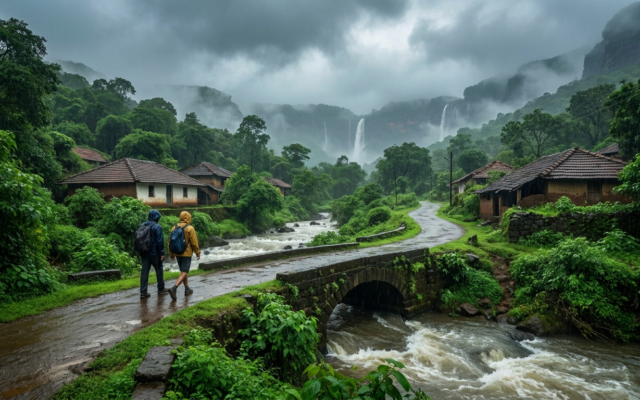
The monsoon season in West Bengal is a spectacle of nature, transforming verdant landscapes into a vibrant tapestry of emerald green. As the skies open up, the air fills with the scent of wet earth, and rivers swell with life. This is the perfect time to reconnect with nature, and what better way than by immersing yourself in the region’s burgeoning eco-resorts? In 2026, we’re seeing a significant surge in sustainable tourism initiatives, offering travellers a chance to experience this natural bounty responsibly. These resorts aren’t just places to stay; they are gateways to understanding and preserving Bengal’s rich biodiversity and cultural heritage.
We’ll explore some of the most compelling eco-friendly destinations that promise a rejuvenating and enriching monsoon experience. From the tranquil banks of the Ganges to the lush foothills of the Himalayas, these retreats are designed to minimise environmental impact while maximising your connection with the local ecosystem. Prepare to be captivated by innovative conservation efforts, authentic cultural encounters, and a profound sense of peace. This isn’t just a vacation; it’s an opportunity to be part of a movement towards conscious travel, ensuring that the beauty you witness today will be preserved for generations to come.
The Serene Shores of Sundarbans: A Biosphere in Bloom
The Sundarbans, a UNESCO World Heritage Site, truly comes alive during the monsoon. This vast mangrove forest, a crucial habitat for the Royal Bengal Tiger, offers an unparalleled eco-tourism experience. For 2026, several eco-resorts here are setting new benchmarks in sustainable hospitality. These establishments work hand-in-hand with local communities, ensuring that your visit directly benefits conservation efforts and provides livelihoods for the indigenous people. Imagine waking up to the symphony of exotic birds, the gentle lapping of water against your lodge, and the distant call of a tiger.
These resorts often feature traditional architecture, built using local, sustainable materials that blend seamlessly with the natural surroundings. They employ local guides who possess an intimate knowledge of the delta’s complex ecosystem, offering boat safaris and nature walks that are both educational and thrilling. Expect to learn about the delicate balance of this unique mangrove environment, the challenges it faces, and the ongoing conservation projects. Many resorts also support local handicraft initiatives, allowing you to take home a piece of Sundarbans’ soul while contributing to its preservation. One surprising fact about the Sundarbans’ ecosystem is that the mangrove roots themselves play a vital role in preventing soil erosion and acting as natural barriers against storm surges, a crucial function amplified during the monsoon.
Bishnupur’s Terracotta Trails: Culture Meets Conservation
Bishnupur, historically known for its magnificent terracotta temples and weaving traditions, offers a unique cultural immersion alongside its natural charm during the monsoon. For 2026, eco-lodges in and around Bishnupur are focusing on preserving not just the environment but also the intangible heritage of this region. These accommodations often champion the use of organic produce sourced from local farms and encourage guests to engage with artisans. You can spend your days exploring the intricate carvings of the Rasmancha or the Jor Bangla temple, and your evenings learning the art of Baluchari saree weaving from master craftspeople.
The monsoon transforms the landscape around Bishnupur, painting it in deeper shades of green and bringing a refreshing coolness. Eco-resorts here are often designed with courtyards that capture rainwater, minimising reliance on external water sources. They also actively support the local weavers, ensuring fair trade practices and helping to sustain this ancient craft. Participating in a workshop or simply admiring the dedication of the weavers provides a deeply rewarding experience. We found that many of these lodges also organise guided tours to nearby tribal villages, offering insights into their unique way of life and their deep connection with the land, further enriching your understanding of Bengal’s diverse cultural fabric.
The Hills are Alive: Darjeeling & Kalimpong’s Green Havens
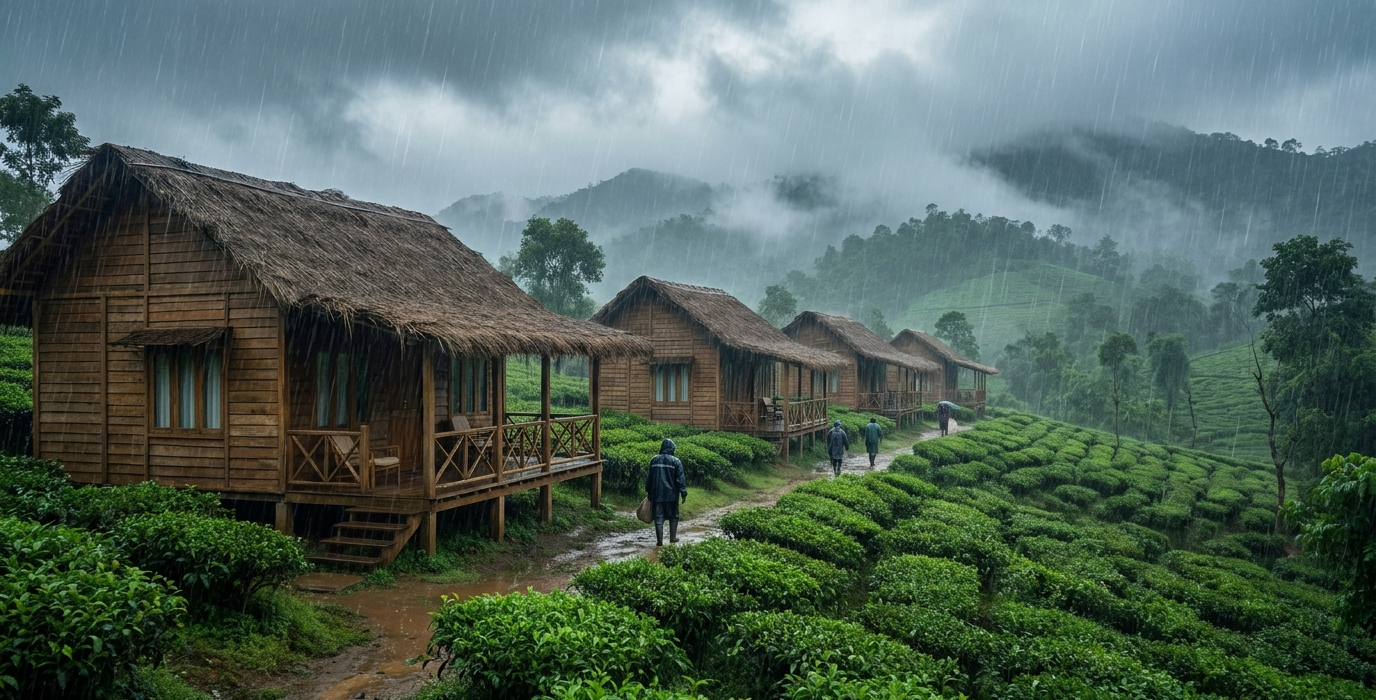
The rolling hills of Darjeeling and Kalimpong take on an ethereal beauty during the monsoon. For 2026, we’re seeing a rise in eco-friendly guesthouses and homestays in these regions, offering breathtaking views and a commitment to sustainable practices. These retreats often focus on organic farming, promoting local produce that is fresh, seasonal, and delicious. Imagine sipping a cup of freshly brewed Darjeeling tea on your balcony, watching the mist roll in and out, obscuring and then revealing the majestic Kanchenjunga.
These establishments typically offer trekking opportunities through rhododendron forests and tea gardens, led by local guides who share their knowledge of the flora and fauna. Many also engage in community-based tourism, working with local villagers to promote their culture and handicrafts. You might have the chance to participate in a tea-picking session or learn about traditional Lepcha or Bhutia customs. A surprising fact we uncovered is that some of these hillside eco-resorts are actively involved in reforestation projects, planting indigenous saplings to combat soil erosion and restore degraded forest areas, making your stay directly contribute to the region’s ecological health.
Riverside Rhapsody: Exploring the Hooghly’s Eco-Conscious Stays
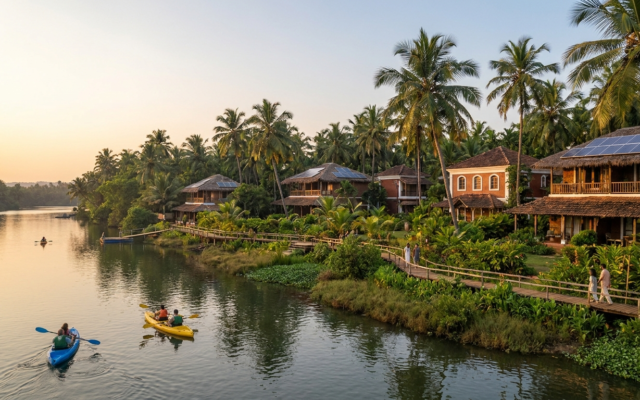
The Hooghly River, a distributary of the Ganges, is dotted with charming villages and historical sites, making it an ideal destination for a serene monsoon escape in 2026. Eco-resorts situated along its banks offer a tranquil retreat from the hustle and bustle of city life. These properties often champion responsible water management and waste disposal, ensuring minimal impact on the riverine ecosystem. Imagine a leisurely boat ride at dawn, watching local fishermen cast their nets as the sun breaks through the clouds, painting the water in hues of gold and orange.
Many of these riverside retreats focus on providing authentic experiences, including cooking classes featuring traditional Bengali cuisine prepared with fresh, locally sourced ingredients. They may also offer opportunities to visit nearby artisanal workshops, such as pottery villages or handloom centres, supporting local livelihoods. The emphasis is on slow travel, encouraging guests to immerse themselves in the rhythms of riverine life. Some resorts even have their own organic gardens where guests can participate in farming activities, fostering a deeper connection with the food they eat and the land it comes from.
A Glimpse at Sustainable Stays: A Comparison
When choosing your eco-resort, consider what aspects of sustainability are most important to you. Some focus heavily on wildlife conservation, others on community empowerment, and many integrate both. Here’s a brief look at what you might expect to find:
| Feature | Sundarbans Eco-Resorts | Bishnupur Eco-Lodges | Himalayan Eco-Guesthouses | Hooghly Riverside Stays |
|---|---|---|---|---|
| Primary Focus | Biodiversity Conservation, Wildlife Protection | Cultural Heritage Preservation, Artisan Support | Community Tourism, Reforestation | Riverine Ecosystem Health, Local Livelihoods |
| Accommodation Style | Stilted Bungalows, Traditional Cottages | Terracotta-inspired Design, Village Homestays | Hillside Cottages, Rustic Homestays | Riverside Cottages, Plantation Bungalows |
| Key Activities | Boat Safaris, Bird Watching, Nature Walks | Temple Tours, Weaving Workshops, Village Visits | Trekking, Tea Garden Tours, Cultural Immersion | Boating, Fishing, Local Cuisine Workshops |
| Sustainability Practices | Waste Management, Solar Power, Local Employment | Organic Farming, Water Harvesting, Fair Trade | Rainwater Harvesting, Organic Produce, Tree Planting | Responsible Water Use, Eco-friendly Sanitation, Local Sourcing |
Beyond the Stay: Experiencing Bengal’s Monsoon Culture
A trip to Bengal during the monsoon is incomplete without delving into its rich cultural tapestry. The rain doesn’t dampen spirits; it often enhances celebrations and traditions. For 2026, we encourage you to seek out experiences that connect you with the local way of life. Many eco-resorts can facilitate these interactions, acting as bridges between you and the community. Imagine attending a local Durga Puja pandal (even if it’s post-monsoon, preparations are underway, and smaller village pujas happen) or enjoying the vibrant Jagaddhatri Puja, which often falls in November, showcasing intricate artistry.
The monsoon season is also a time for unique culinary delights. Think of freshly harvested khichuri, a comforting rice and lentil dish, often enjoyed with a variety of fried accompaniments like begun bhaja (fried eggplant). Or savour the sweetness of malpua, a type of pancake dipped in syrup. Engaging with local cooks at your eco-resort or visiting a village eatery will offer you a genuine taste of Bengal. Furthermore, many artisans in villages near these resorts create exquisite crafts inspired by nature. You might find intricate patachitra paintings depicting monsoon scenes or delicate pottery that reflects the earthy tones of the season.
“Choosing an eco-resort in Bengal during the monsoon isn’t just a holiday; it’s an investment in the region’s natural beauty and cultural resilience. Your visit actively supports conservation and empowers local communities, making every moment count.”
A Surprising Partnership: Technology Meeting Tradition
One of the most exciting developments we’ve observed for 2026 is the innovative way technology is being integrated into traditional eco-tourism practices in Bengal. For instance, in the Sundarbans, some eco-lodges are using drone technology to monitor wildlife populations and track changes in the mangrove forest’s health, providing invaluable data for conservationists. This advanced monitoring complements the traditional knowledge passed down through generations of local guides. This blend ensures that conservation efforts are both scientifically robust and deeply rooted in local understanding.
In the hilly regions around Darjeeling, mobile apps are being developed to help trekkers navigate trails safely while also providing information about local flora, fauna, and cultural sites. These apps often partner with local communities, ensuring that revenue generated from their use supports local conservation initiatives and guides. This technological integration doesn’t detract from the natural experience; rather, it enhances it by providing context and promoting responsible exploration. It’s a testament to how Bengal is embracing the future while honouring its past, making its eco-tourism offerings more engaging and impactful than ever.
Frequently Asked Questions
What is the best time for an eco-resort visit in Bengal?
While the monsoon (June to September) transforms Bengal into a lush paradise and offers unique experiences, the post-monsoon months (October to March) provide pleasant weather for exploring, with less humidity and clearer skies. However, if you seek lush landscapes and the dramatic beauty of rain-fed nature, the monsoon is ideal.
Are these eco-resorts genuinely sustainable?
Yes, the eco-resorts highlighted in 2026 are vetted for their genuine commitment to sustainability. This includes practices like waste management, water conservation, use of renewable energy, support for local communities, and conservation of local biodiversity. Always check the resort’s specific initiatives.
What kind of wildlife can I expect to see in the Sundarbans?
The Sundarbans is famously home to the Royal Bengal Tiger. You can also expect to see various species of deer, crocodiles, monitor lizards, and a rich diversity of resident and migratory birds. Boat safaris are the best way to spot wildlife.
How can I ensure my visit contributes positively to local communities?
By choosing eco-resorts that employ local staff and source local produce, participating in community-led tours, purchasing handicrafts directly from artisans, and respecting local customs and traditions. Many resorts have direct partnerships that ensure your spending benefits the community.
What are the essential items to pack for a monsoon eco-trip in Bengal?
Pack light, quick-drying clothing, a good quality raincoat or umbrella, waterproof footwear, insect repellent, a basic first-aid kit, and a power bank. Binoculars are excellent for wildlife spotting, and a waterproof bag for your electronics is highly recommended.